The Biggest Gap in Football Isn't On the Pitch. It's In FIFA's Prize Money.
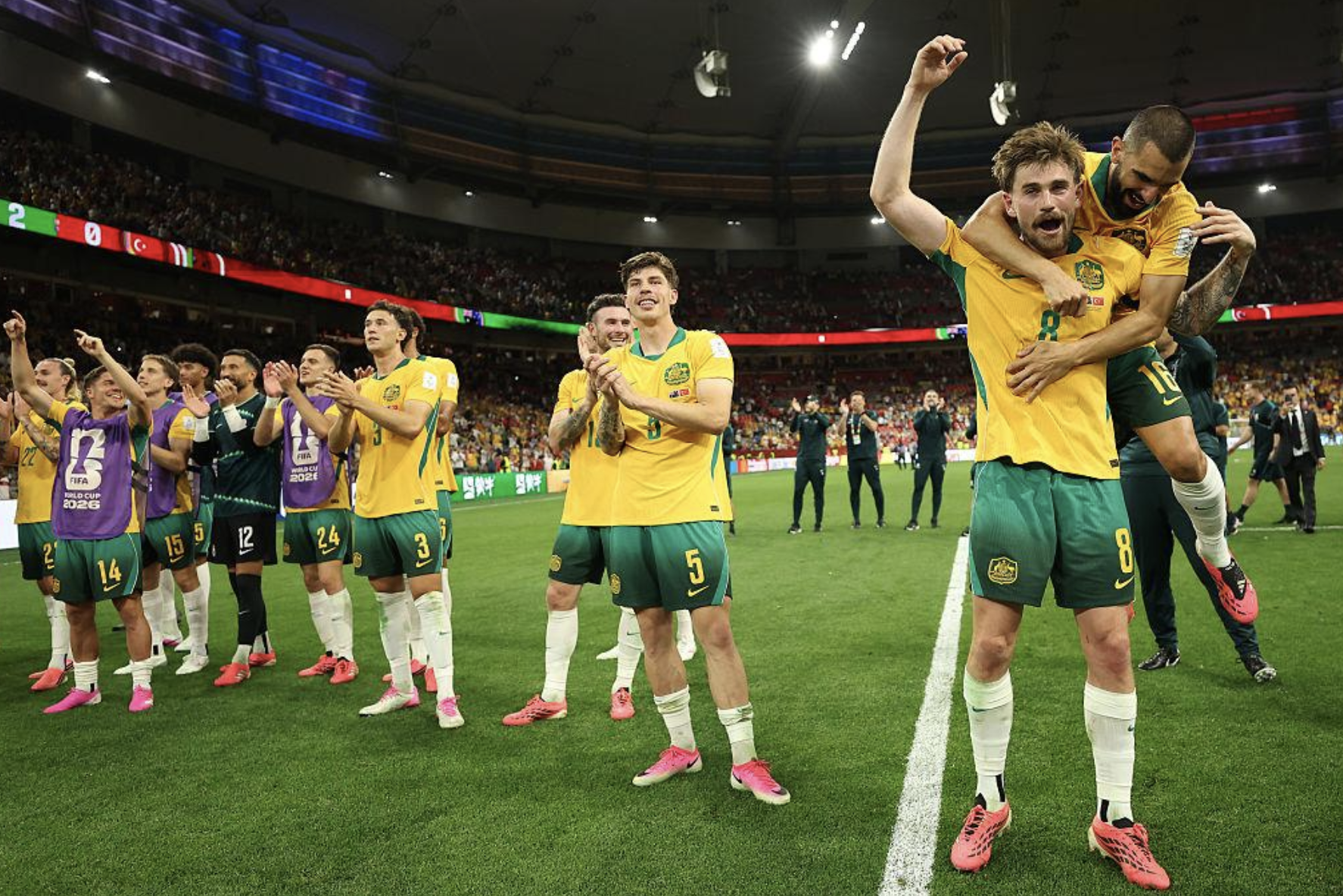
The Socceroos crashed out of the 2026 World Cup in the round of 32.
FIFA paid them about $15.8 million.
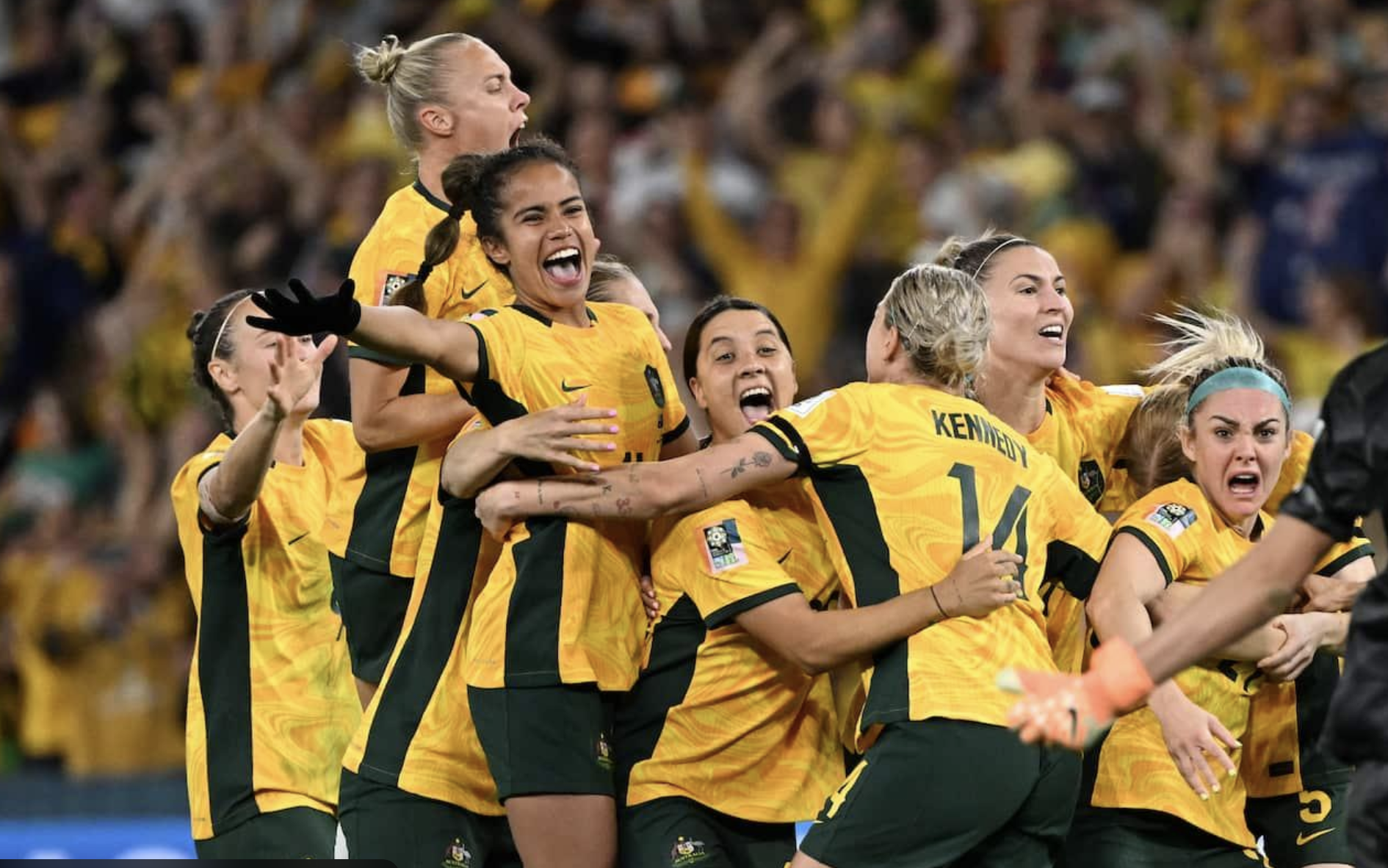
The Matildas reached the semi finals of a home World Cup in 2023. They filled stadiums. They stopped the country. They made a generation of girls believe they could play too.
FIFA paid them $8.9 million.
Read that again.
One team went out early. The other went further than any Australian football team ever had. And the team that achieved less got paid more.
This isn't a dig at the Socceroos. They earned every dollar of it.
It's a question about what FIFA's prize money actually says about what it values.
Before You Blame Football Australia
Don't.
Football Australia actually got this right. The Socceroos and Matildas split their share of World Cup winnings the same way under the same collective bargaining agreement. Whatever FIFA sends through gets divided fairly once it lands here.
The problem isn't here.
It's Zurich.
The Numbers FIFA Doesn't Want You Thinking About Too Hard
The 2026 Men's World Cup paid out $871 million across 48 teams. The champion alone took home $51 million.
The last Women's World Cup pool was $110 million. Total. For every team combined.
Fewer teams competed in 2023 than in 2026. Even so. A fourth placed women's team earning less than a men's team knocked out in the round of 32 is not a rounding error.
It's a decision.
Then Came the Asian Cup
If you want to know how deep this goes, don't stop at FIFA.
Australia hosted the Women's Asian Cup this year. Stadium Australia. A packed house. A final against Japan that broke every attendance record the tournament has ever had.
The prize pool for that record breaking tournament was $2.62 million.
The same as 2022.
The men's Asian Cup pool in 2023 was $21.5 million. Nearly ten times as much. And unlike the women, every men's team got a $200,000 participation fee just for turning up. Eight of the twelve women's nations got nothing at all, because only the semi finalists were paid a cent.
The AFC's own research said this tournament could generate up to $82.4 million in revenue.
They paid the players like it generated nothing.
The Matildas and Nadeshiko Japan asked the AFC to sit down before the tournament and talk about equal pay. They were ignored. Afterwards, both teams put out a joint statement saying so publicly.
Two finalists. One record breaking tournament. Ignored anyway.
Then Look At What America Did
The US Soccer Federation splits men's and women's World Cup prize money straight down the middle.
No matter who actually earned it.
People assume that's generosity.
It isn't.
Audited US Soccer financial reports showed the women's team's matches generated more revenue than the men's from 2016 through 2018. In the years after they won the 2015 World Cup.
Ticket sales mostly.
Real numbers. Not sentiment.
The revenue argument that every federation leans on to justify the pay gap had already fallen apart in America. The USWNT wasn't asking to be subsidised. They were the more valuable team by the ledger. And still being paid less.
That's what forced the equal split.
Not charity.
Evidence.
Is It Really That Simple
Here's where I have to be honest with you.
FIFA's argument isn't nothing in theory. If one competition generates more broadcast revenue and more sponsorship and more ticket sales you could argue its prize pool should stay bigger for a while yet.
But that argument only survives if it's actually tested.
And the one place it has been tested properly. The US. It lost.
Everywhere else, women's football hasn't been given the chance to prove itself commercially because it hasn't been invested in the way the men's game has.
England's own FA banned women from playing on its grounds from 1921 until 1971. Fifty years. While the men's game spent that half century building leagues, stadiums, broadcast deals and a hundred years of head start.
We keep comparing two competitions like they started from the same line.
They didn't.
You don't grow revenue by starving a product for decades and then pointing at the revenue gap as proof it was never worth investing in.
Where I Land
Progress deserves credit where it happens. The women's prize pool is bigger than it was a decade ago and pretending otherwise would be dishonest.
But bigger than it was is not the same as fair.
A team that goes further than any Australian side in history should not take home less than a team that went out early. Not once. Not ever. And when the same governing bodies that talk about growing the women's game quietly freeze their prize pool the year attendance records get smashed, well, the intent shows itself pretty clearly.
Football Australia proved equal pay isn't complicated. It's a choice.
FIFA and the AFC have made theirs.
The question is how long the rest of us keep accepting it.