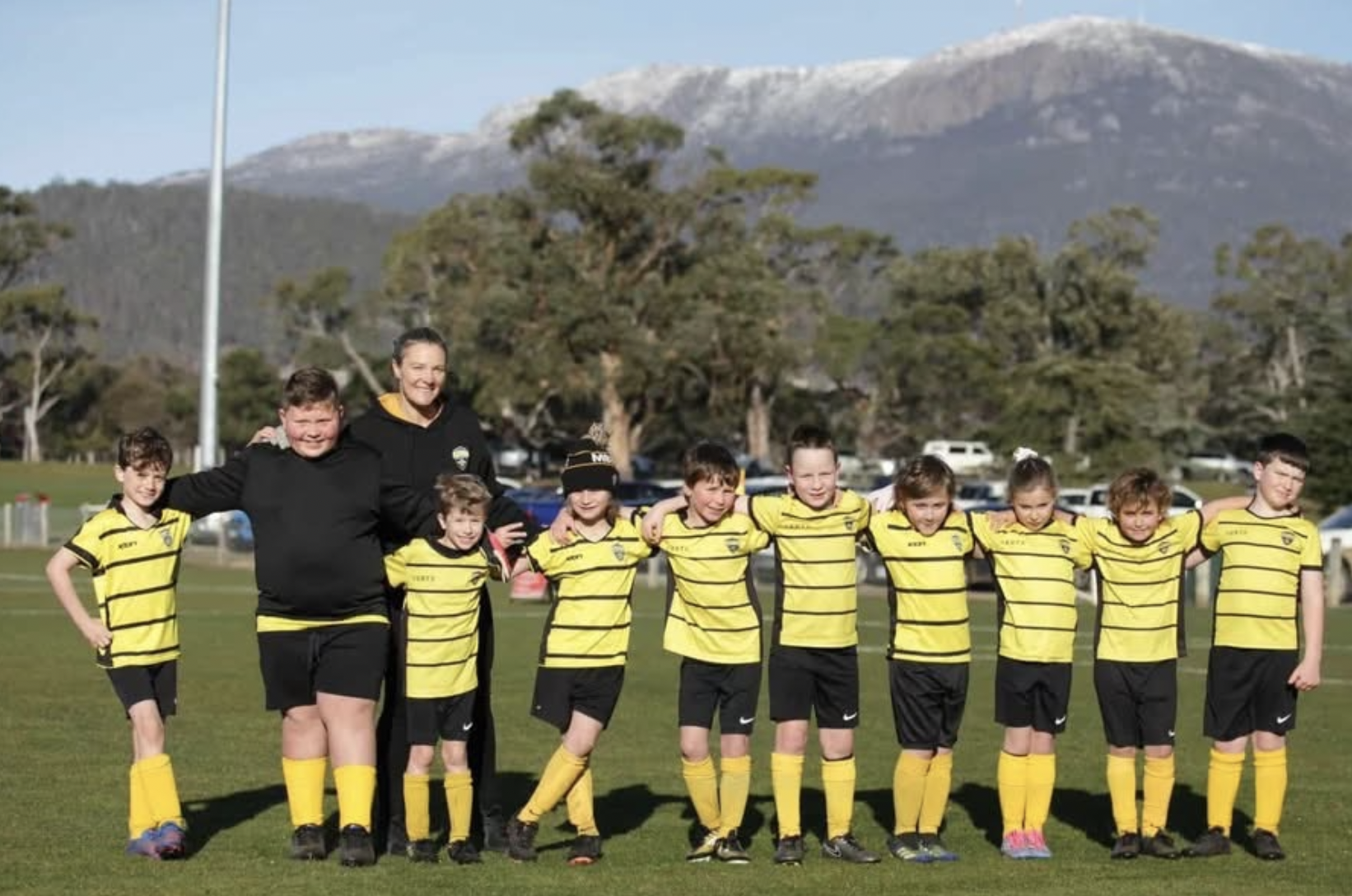
324 Teams. Hobart, Get Ready.

324 teams.
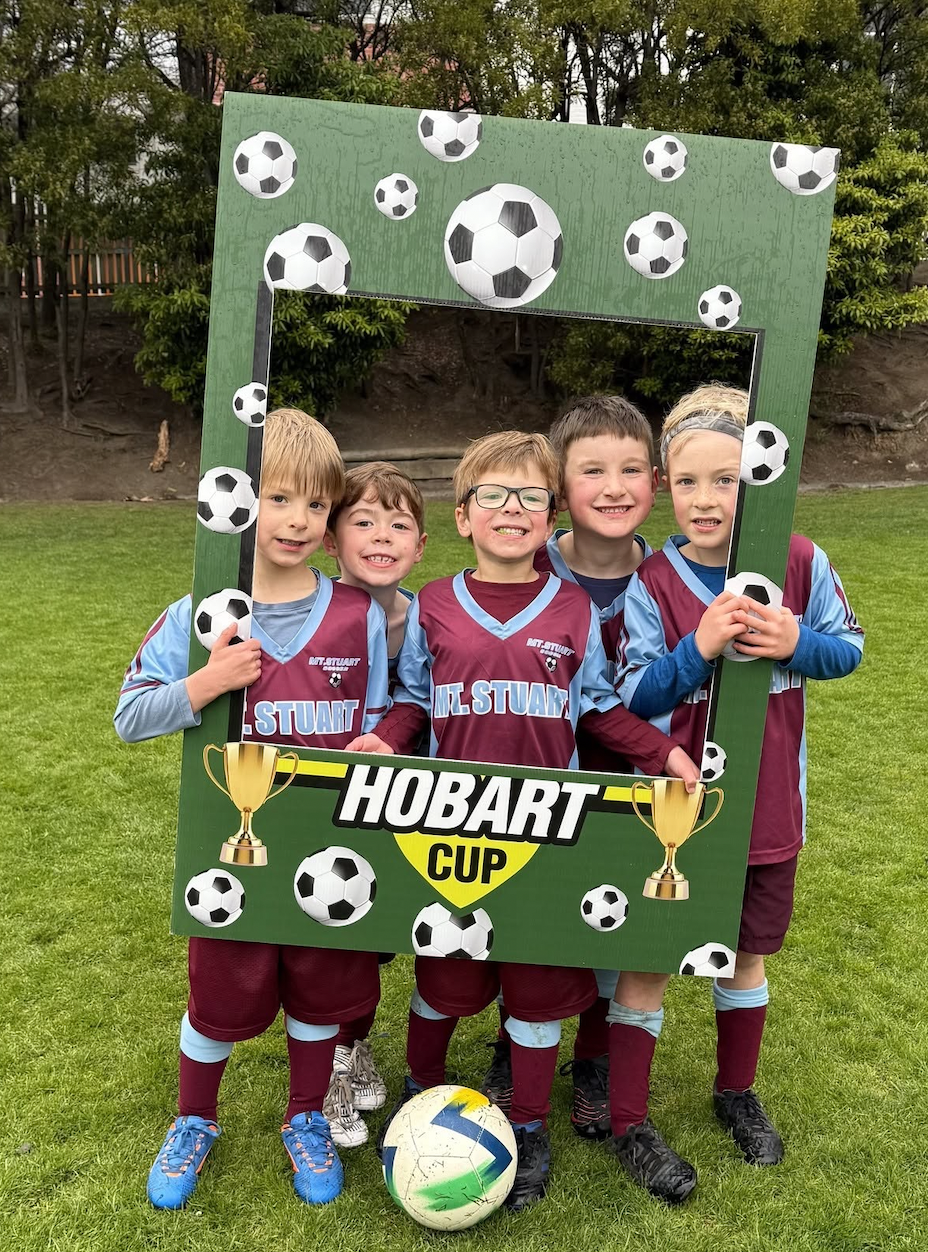
Around 4,000 players.
1,523 games.
Nearly 707 hours of football.
More than 40 grounds across greater Hobart.
All across one Hobart Cup weekend.
I have spent the past few months preparing for this tournament without really knowing what the response would be.
That is the strange thing about organising something like the Hobart Cup.
You have to start making decisions long before you know how many people actually want to come.
Will entries be strong?
Will everyone have had enough football after a long winter season?
Will families really want one more weekend?
Will clubs enter one team or six?
It is, to a large extent, a guessing game.
And then the entries arrived.
The answer was fairly emphatic.
No, apparently nobody has had enough football at all.
The appetite just keeps growing
The growth of the Hobart Cup itself is extraordinary.
In 2023 we had 180 teams.
In 2024, 261.
In 2025, 306.
And this year, 324.
In three years, the number of teams wanting to play in the Hobart Cup has increased by 80 per cent.
If you want evidence of the appetite for football in Tasmania, there it is.
This year those 324 teams will play 1,523 games.
When you add up all those matches, it comes to nearly 707 hours of football.
If you tried to play them one after another, you would be playing continuously for more than 29 days.
Instead, we are going to squeeze them into one weekend.
Kids want to play.
Coaches want to coach.
Families want to watch.
Clubs and schools want to enter teams.
People want to be involved.
Sometimes, amongst all the conversations we have about football structures, pathways, governance, competitions and facilities, I think we can lose sight of the most obvious thing sitting right in front of us.
People love this game.
Before you know if anyone is coming
Of course, organising the Hobart Cup does not begin when entries close.
By then you are already well into it.
Trophies and medals have to be ordered before you know exactly how many you are going to need.
This year, with global supply chains feeling more uncertain than usual, ordering early became even more essential. Thanks Donald.
When you are relying on goods coming from overseas, waiting until the final team numbers are known simply isn't an option.
So you take a punt.
You try to estimate.
And you hope you have got it somewhere near right.
There was footballs to buy for our littlest players.
Ground bookings to finalise.
St John Ambulance to book.
Extra bins and cleaning to arrange.
Equipment.
Signs.
Food.
Photographers.
Venue managers.
People to collect scores.
People to collate results.
There are hundreds of little decisions which, eventually, become one football tournament.
Then there is the weather
And hovering over everything is the one thing none of us can control.
The weather.
I confess I am already looking at the long-range forecast.
I know perfectly well that looking at a Hobart forecast weeks in advance is probably fairly pointless.
I still look.
Please, not another 2024.
That was the year extreme weather wiped out our Saturday.
You can organise almost everything.
You can book the grounds.
Order the trophies.
Buy the medals.
Find the volunteers.
Build the roster.
Book the ambulance.
Arrange the bins.
And then, eventually, you find yourself looking at the sky.
The City of Hobart is my friend
One of the reasons the Hobart Cup can exist at this scale is the support we receive from the City of Hobart.
Shannon, Nathan and their sportsground crews are very much my friends at this time of year.
There are grounds to prepare and all sorts of practical things to work through.
Extra cleaning.
Extra bins.
Early morning set-ups.
Late night pack-downs.
Thousands of players, parents and supporters do not simply arrive at sporting grounds for three days without a huge amount happening behind the scenes.
Most people will never notice much of it.
That is probably a sign that it has all worked.
The people who say yes
And then there are the people.
The Hobart Cup does not happen because some enormous event company swoops in and runs it.
It happens because people say yes.
Clubs say yes.
Schools say yes.
Volunteers say yes.
Coaches and managers say yes.
Venue managers agree to spend their weekend answering questions and running around collecting scores.
And I do mean running around.
Being reasonably fit is an advantage.
There are photographs to take. Thanks Nikki.
Food to organise.
Results to collect.
Questions to answer.
Problems to solve.
And somewhere, at almost every moment of the weekend, somebody will be asking:
"Where am I supposed to be?"
Let me tell you about Gemma
Then there are the people who seem to appear from nowhere.
Last year Gemma contacted me.
Essentially:
"Can I help?"
It turns out she could.
A lot.
Gemma is an accountant and a maths whizz.
When you are trying to produce rosters involving hundreds of teams and more than 1,500 games, checking for clashes becomes slightly mind-bending.
Gemma worked out an algorithm we could run our rosters through to identify problems.
Do not ask me to explain it.
I can't.
But I can tell you it works.
It has saved an enormous number of draft rosters from going out with problems buried somewhere inside them and has saved many, many hours of manual checking.
One random message.
"Can I help?"
Amazing.
Emma and Gemma now check and recheck the rosters.
Frances will be collating results and on standby across the weekend for whatever inevitably crops up.
Clare looks after the medals, trophies and merchandise, another one of those jobs which sounds relatively simple until you realise just how many medals, trophies, age groups and competitions are involved.
Everybody has their piece of the puzzle.
Meanwhile my family say oh God it's Hobart Cup time.
My least favourite time of the year.
The stress you see is palpable.
Football everywhere
For three days, Hobart becomes one enormous football venue.
We do not have one giant complex capable of holding this tournament.
So we spread out across more than 40 grounds throughout greater Hobart.
Council grounds.
Club grounds.
School grounds.
Football everywhere.
And 324 teams means around 4,000 young footballers.
They do not come alone.
They bring parents.
Grandparents.
Brothers and sisters.
Coaches.
Managers.
Supporters.
Some are local.
Others are travelling to Hobart for the weekend.
And all those people need somewhere to stay, somewhere to eat and somewhere to get that desperately required coffee between the 8.30am game and the 10.30am game.
They stop at cafes.
Bakeries.
Supermarkets.
Takeaway shops.
Petrol stations.
They move from one part of greater Hobart to another as they follow their teams.
They visit suburbs they might not otherwise visit.
They buy food.
They buy drinks.
They stay around for another game.
They support their kids and, along the way, they support local businesses.
So Hobart cafes, bakeries, supermarkets, takeaway shops and coffee vans, consider yourselves warned.
Stock up.
Here come the hungry hordes.
Bigger than the games themselves
That is something I think can easily be underestimated.
The Hobart Cup is obviously a football tournament.
But an event of this scale spreads far beyond the touchline.
There is the community contribution.
Clubs opening facilities.
Schools providing grounds.
Council crews preparing venues.
Volunteers giving up their weekends.
Coaches and managers organising teams.
People taking photographs, collecting scores, handing out medals and solving the hundred little problems that inevitably appear.
It takes an extraordinary number of people to create 707 hours of football.
What the numbers really tell us
So I keep coming back to where I started.
324 teams.
Around 4,000 players.
1,523 games.
Nearly 707 hours of football.
More than 40 grounds across greater Hobart.
And thousands more parents, grandparents, siblings, coaches, managers and supporters coming along for the ride.
Those numbers tell us much more than the size of a junior football tournament.
They tell us there is an extraordinary appetite to play football.
An appetite to watch it.
An appetite to coach it.
An appetite to volunteer.
An appetite simply to be part of it.
We spend a lot of time in football trying to work out how to grow the game.
Sometimes the game is already telling us exactly what it wants.
More opportunities.
More places to play.
More football.
Perhaps our job is simply to keep finding ways to say yes.
Hobart, get ready.
The hungry hordes are coming.