A Shrug And A Sigh. “Why bother?” — AGM Part 3
After looking at how the AGM works, who gets a vote, how proxies operate and how tightly structured the process is, I kept coming back to the same thought.
For many ordinary football people, governance feels very far away from the game itself.
Not necessarily because anybody is doing anything wrong.
But because the structure of governance and the lived experience of football are often very different things.
The formal world
Governance is formal by nature.
Constitutions.
Agendas.
Motions.
Proxies.
Deadlines.
The current Football Tasmania constitution dates back to 2009 and, like many sporting constitutions from that era, is heavily process-driven.
And to be fair, that process matters.
Sporting organisations need rules.
They need structure.
They need accountability.
None of that is unreasonable.
But football itself feels very different
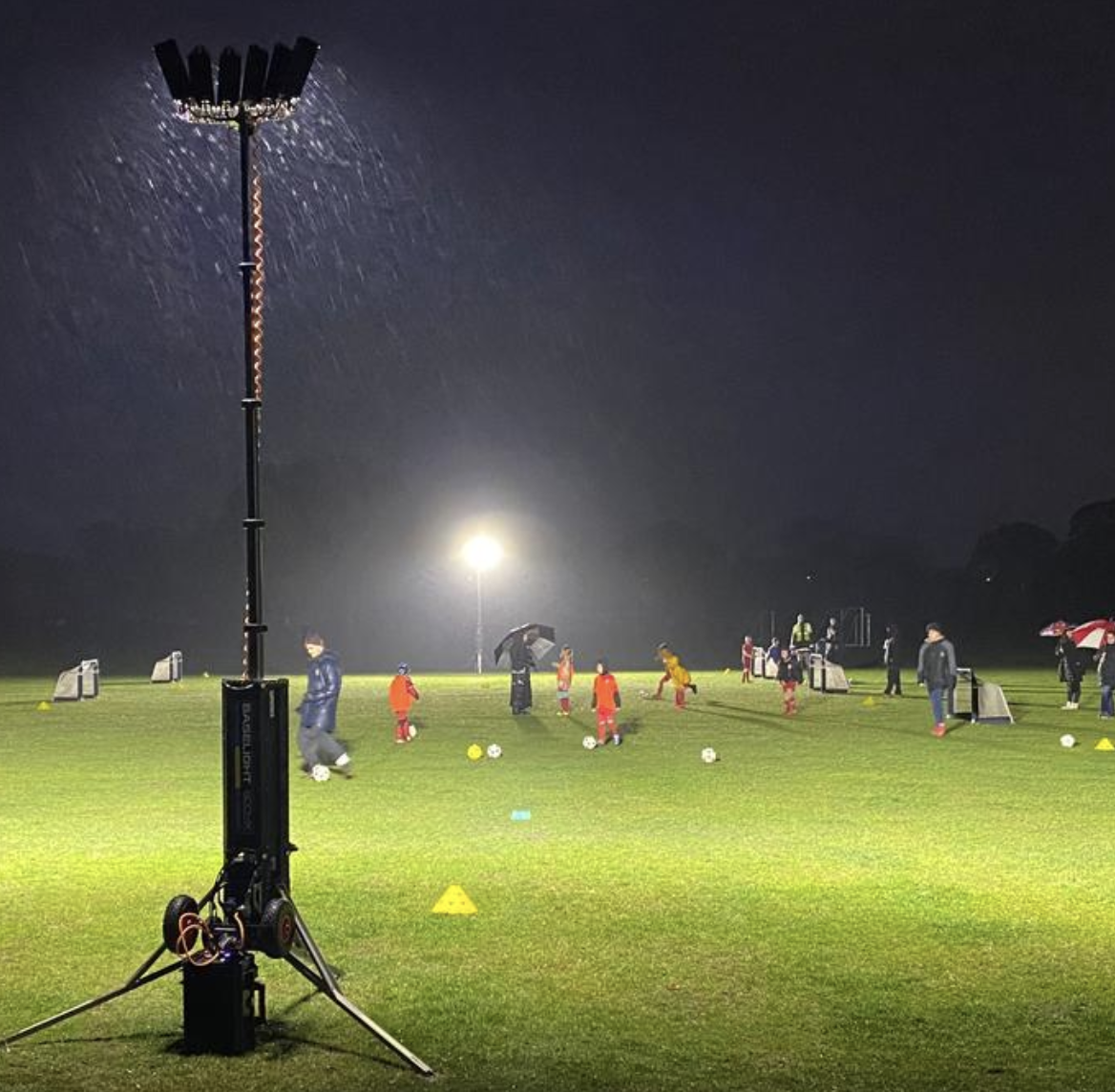
Football in Tasmania is lived at ground level.
It is:
someone marking fields before sunrise
parents circling overflowing gravel car parks at 5pm
teenage referees standing in sideways rain
someone washing muddy kits late at night because the weather turned halfway through the second half
That is how most people experience football.
Not through constitutions or AGM agendas.
The distance between those two worlds
The AGM process itself is tightly structured.
Nominations for President formally close 48 hours before the meeting.
Members are formally advised of candidates 24 hours before the AGM.
The agenda itself contains no item for general business.
Attendance is restricted to Members and authorised representatives.
Again, none of this is inherently wrong.
But when combined together, it can make governance feel distant from the broader football community.
The missing voices
One of the more interesting discoveries sitting underneath all of this is the role of standing committees.
The constitution appears to envisage multiple standing committees as part of the representative structure of the game.
Yet currently, only the Referee Standing Committee appears active within the AGM membership structure.
Which raises another interesting question.
If standing committees are intended to provide additional representative voices into governance, what happens when those structures are absent or inactive?
Because that potentially changes not just participation, but representation itself.
Representation versus connection
Across this series, I’ve deliberately avoided arguing that the structure itself is invalid.
It clearly exists for a reason.
But structure alone does not automatically create connection.
And perhaps that is part of the challenge.
Because sitting in last year’s AGM, I remember less about the formal motions and more about the feeling around it all.
It was a training night.
I had my laptop open in the clubhouse with earbuds in, trying to follow the meeting while parents came and went around me.
Multitasking.
Half in governance mode.
Half in football mode.
Which, in many ways, is football in Tasmania.
A handful of questions around the financials.
Some answers taken on notice.
Then it was over.
Ten minutes or so and people drifted away.
No real sense of debate.
No sense of momentum.
No feeling that anybody expected much to change.
More a quiet acceptance.
A shrug and a sigh.
People attending more out of obligation than belief.
That feeling interests me more than constitutions do.
Because if football people begin to feel disconnected from governance, eventually they stop engaging with it altogether.
And once that happens, decision-making naturally becomes concentrated into smaller and smaller circles.
“What’s the point?”
I talk to a lot of football people.
Club people.
Committee members.
Coaches standing in the cold on Tuesday nights.
And the phrase I hear most often is surprisingly simple.
“What’s the point?”
Not anger necessarily.
More resignation.
A feeling that even if people knew exactly who to talk to, or raised concerns directly, nothing much would change anyway.
So people grumble on sidelines, in clubrooms and Messenger chats instead.
And when consultation does happen, it can sometimes feel distant from the day-to-day reality of the game itself.
Because Tasmanian football is not abstract.
It is practical.
Local.
Personal.
And people want to feel heard within it.
And perhaps that is the challenge
Not whether governance exists.
Not whether constitutions matter.
But how the structures of governance remain connected to the actual culture and experience of the game they represent.
Over time, disengagement becomes normalised.
Over time, the same voices simply keep turning up.
Football matters because people matter
At its best, football governance should not just manage the game.
It should hear it.
Not just through formal meetings and constitutions.
But through the texture of football life itself.
Players waiting outside changerooms for another team to come out so they can get changed.
The exhausted parent driving home after double-header duty.
The coach trying to keep a youth team together through exams, work and winter.
That is football too.
And ultimately, that is who governance is meant to serve.