Marina Brkic, Glenorchy Knights FC: Mud, Bonfires and Making it Happen
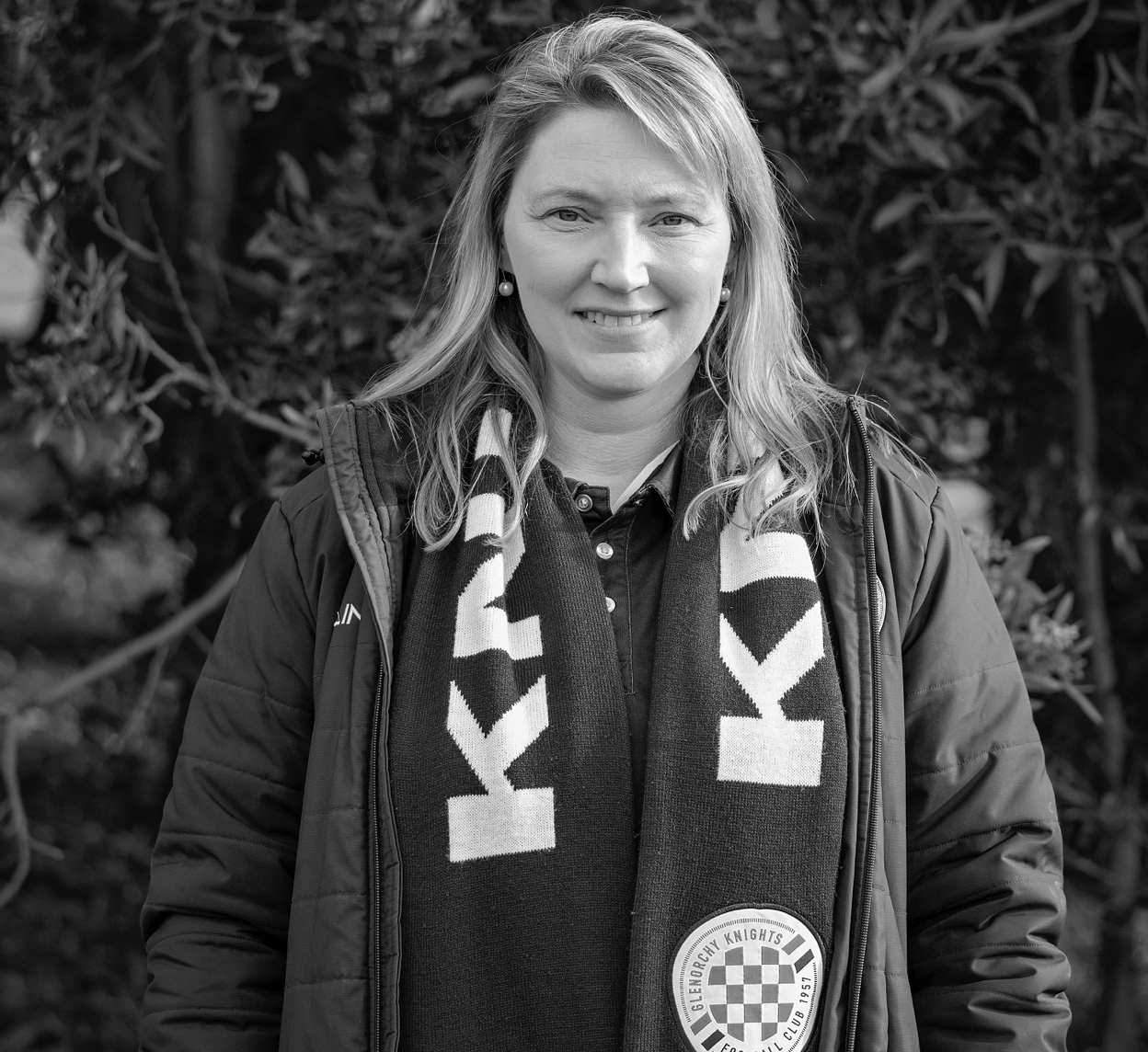
Photo credit: Lisa Creese
This Football Faces interview was originally done in 2022.
In football, two years can feel like ten. Coaches move on. Committees turn over. Programs change names. Roles evolve. People take a step back, or step up.
So yes, a few details in this interview may have shifted since it was first written. But the story underneath it hasn’t changed, a life spent in the game, a club carried by volunteers, and that familiar combination of mud, bonfires, chips, and doing whatever needs doing.
That’s why I’m republishing it now.
Marina Brkic, Glenorchy Knights FC: Mud, Bonfires, and Making It Happen
There are football people you notice because they are loud.
And there are football people you notice because they are everywhere, doing everything, holding everything together, usually without a fuss.
Marina Brkic is one of those people.
A Glenorchy Knights stalwart. A long-time player. A club official. A coach. A team manager. A social media machine. A youth team driver. A volunteer. A mother of three football boys.
Still playing herself, and loving it.
When I look back over the last couple of decades of Tasmanian football, faces like Marina’s are the ones that stand out. Not because they chase attention, but because they are always there, still doing the work.
This interview was done a couple of years ago, but it still rings true. It’s the kind of story that belongs on the record.
First football memories
Marina’s first football memories are not polished, glamorous, or Instagram-friendly.
They’re real Tasmanian football memories.
Doing the scoreboard at KGV with her sister, paid in the most authentic grassroots currency possible, a packet of chips and a drink.
Standing in the mud next to the bonfire while the games rolled on.
If you’ve been around long enough, you can smell that sentence.
That’s football.
Not elite. Not high performance. Not “pathways”.
Just people, cold hands, smoke in your hair and a community built around the game.
A life in football
Marina doesn’t just say she’s been around football forever.
She has.
Her dad took her to watch Croatia-Glenorchy from early on. The game was in her bones before she could properly name it.
She’s been involved for most of her life, playing for 30 years, starting with Raiders and DOSA, but with most of that time spent with Glenorchy Knights. That sort of loyalty is not as common as it once was and it matters.
Along the way she has also taken on the roles that clubs rely on:
Coach.
Team manager.
Committee member across various roles for 20+ years.
And now she’s club secretary, part of the executive, manages social media, manages a youth team, and “many other things” (which is volunteer code for too many things).
And as if that wasn’t enough, she has three boys who all play at the club, too.
This is what football looks like when you live it properly.
What Tasmania’s football used to feel like
One of the striking things Marina remembers is senior men’s football crowds.
Big crowds.
That atmosphere has faded in many places and I think most of us can admit it. We can debate why, we can blame a dozen things, but the shift is real.
Marina also points out something important about female football, girls her age simply were not encouraged to play. She was a late starter because of that cultural barrier.
And yet she’s spent years doing the opposite for the next generation.
She has pushed female football at her club and beyond it. She speaks with real pride about seeing lots of girls playing now in junior and youth teams and she notes that the quality and support for female football has improved.
That’s not an abstract achievement.
That’s a direct outcome of people like Marina doing hard work over a long time.
Heroes, anti-heroes, and what actually matters
Marina doesn’t go looking for celebrity football heroes.
She values something different, and it’s a quiet lesson in what club culture is built on.
Hard-working.
Reliable.
Club loyal.
Respectful.
She’s met plenty of those people along the way, and that’s what she appreciates.
No drama.
No ego.
No hype.
Just the people you can count on.
The ones who make football happen.
Football and family: the reality
People underestimate how much football takes from a family when someone becomes deeply involved in running a club.
Not playing.
Running it.
Marina is honest about that.
She talks about the impact on personal time. The work. The load. The constant demands. The unspoken expectation that you will simply keep doing it.
But she also says what makes it worth it.
Her whole family loves the game.
There are lows, but the highs are shared, and those shared highs are the reward that keeps you going.
I also loved her line about being supported to play herself. Especially when her children were young, it’s not easy. Someone has to hold the home, manage the logistics, make it possible.
Because women in football are often expected to sacrifice the playing part first.
Marina didn’t.
And that matters.
If she could change Tasmanian football
This answer should be printed and pinned to a wall in every governance meeting.
Marina’s view is shaped by time on the ground as a club official. She’s not theorising. She’s speaking from the trenches.
She says the demands on clubs have increased significantly and are about to increase further.
That’s the warning line.
And she makes it clear, any change that makes football easier for clubs, mostly run by volunteers with day jobs, would be welcomed.
Then she gets practical.
Not ideological. Not fluffy.
Rostering.
She points out that teams playing in different locations stretches club resources. It impacts the matchday experience. It chips away at club culture.
So she calls for something simple and sensible, consistent rostering of teams together.
It’s the kind of idea that doesn’t make for a glossy strategy document, but makes an immediate difference to actual volunteers.
That’s the kind of thinking Tasmanian football needs more of.
Her legacy
Marina doesn’t claim a grand legacy.
She says something much more accurate.
All clubs have committed and hard-working people that make it happen.
Her legacy is that she’s one of those people.
And then she finishes with humour, saying she would have liked to have scored more goals over the years, “no legacy there lol!”
That made me laugh because it’s exactly the kind of line football people write when they’ve been through enough seasons to know what really matters.
Legacy is not medals.
Legacy is being there, doing the work, shaping the culture, and helping the club survive and thrive across generations.
That is what Marina has done.
And she’s still doing it.