Five World Cup Stories Bigger Than The Scoreline

The football has been excellent.
Australia is unbeaten.
The favourites are being challenged.
The atmosphere has been everything a World Cup should be.
But as always, some of the most interesting stories are happening away from the scoreboard.
Here are five talking points from the opening week that have caught my attention.
1. The Mercury discovers football
For years, football supporters have argued that our game struggles for mainstream media attention.
Then the World Cup arrived.
Suddenly there were special editions.
Socceroos posters.
Front pages.
Pages and pages of football coverage.
To be clear, I think that's fantastic.
Football deserves it.
But the timing was interesting.
Australia had already beaten Turkey before the coverage really exploded.
Perhaps that was coincidence.
Or perhaps, like many Australians, people were waiting to see whether the Socceroos were actually going to become a story.
Football often seems to have to prove itself before it receives the attention other sports take for granted.
And before anyone reaches for the word "whinging", let me say that I think the coverage is terrific.
Football deserves it.
I just find it fascinating that after years of fighting for attention, football suddenly became impossible to ignore once the Socceroos started winning.
For a few weeks, the rest of the country gets a glimpse of what football people already know.
This game matters.
2. Japan's lesson in gratitude
My favourite moment of the tournament didn't involve a goal.
After Japan's draw with the Netherlands, coach Hajime Moriyasu sat down in front of the world's media and thanked the Dutch.
He spoke about the coaches and football people who helped shape Japanese football and acknowledged the role they played in his own development.
It was a remarkable moment.
No ego.
No self-promotion.
Just gratitude.
The Japanese have a concept known as On (恩), recognising the debt we owe to those who help us along the way.
We see that mentality in football too.
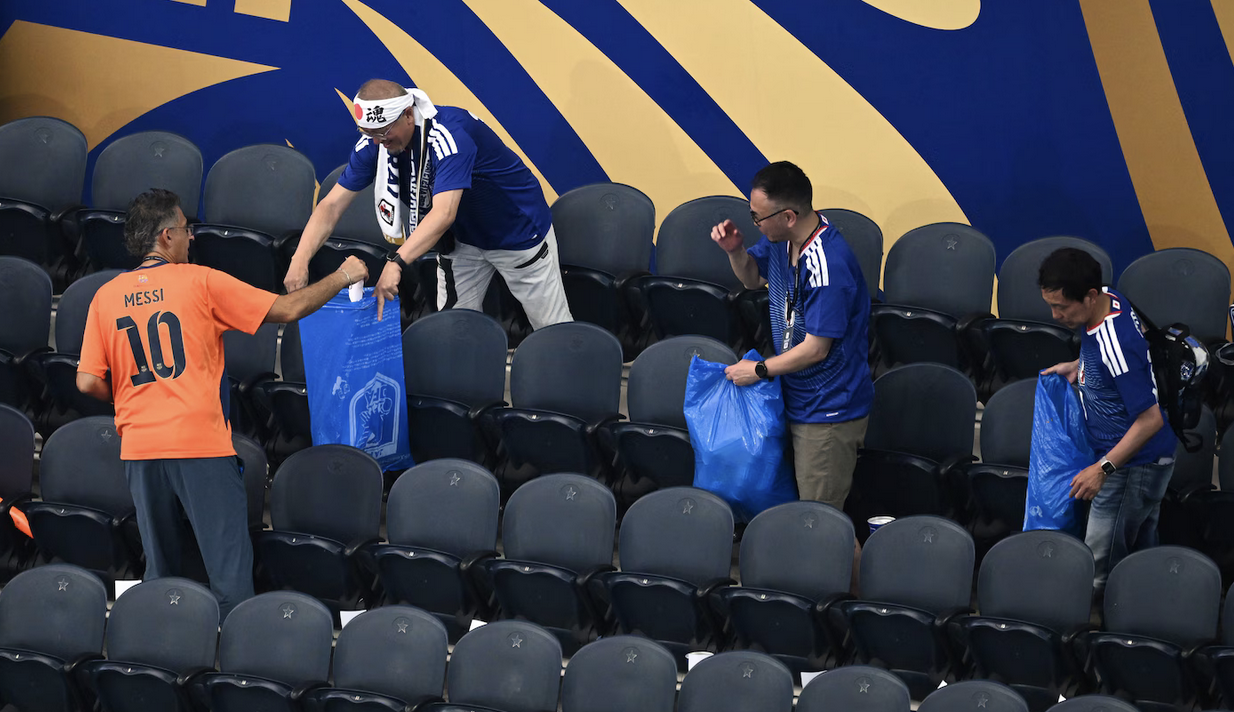
Every major tournament seems to produce stories of Japanese supporters staying behind to clean stadiums after matches.
Players leaving dressing rooms spotless.
Small gestures that have become almost expected because they happen so consistently.
Australians are familiar with it. We saw it during the Asian Cup and through countless interactions with Japanese teams and supporters over the years.
Yet Japan is more complicated than the stereotype.
Former international Keisuke Honda has built a reputation for saying the things many others won't. He is a commentator during the FIFA World Cup for Japan.
He questions standards.
He challenges assumptions.
He openly discusses the areas where Japan can improve.
At times his commentary can sound blunt, almost uncomfortable.
But perhaps that is precisely why it is valuable.
One side of Japanese football demonstrates gratitude and respect.
The other refuses to accept that good is good enough.
Most football cultures tend to favour one approach or the other.
Japan seems comfortable with both.
The humility to recognise those who came before you.
And the honesty to admit there is still work to do.
There is probably a lesson in that for the rest of us.
3. The referee who lost his World Cup
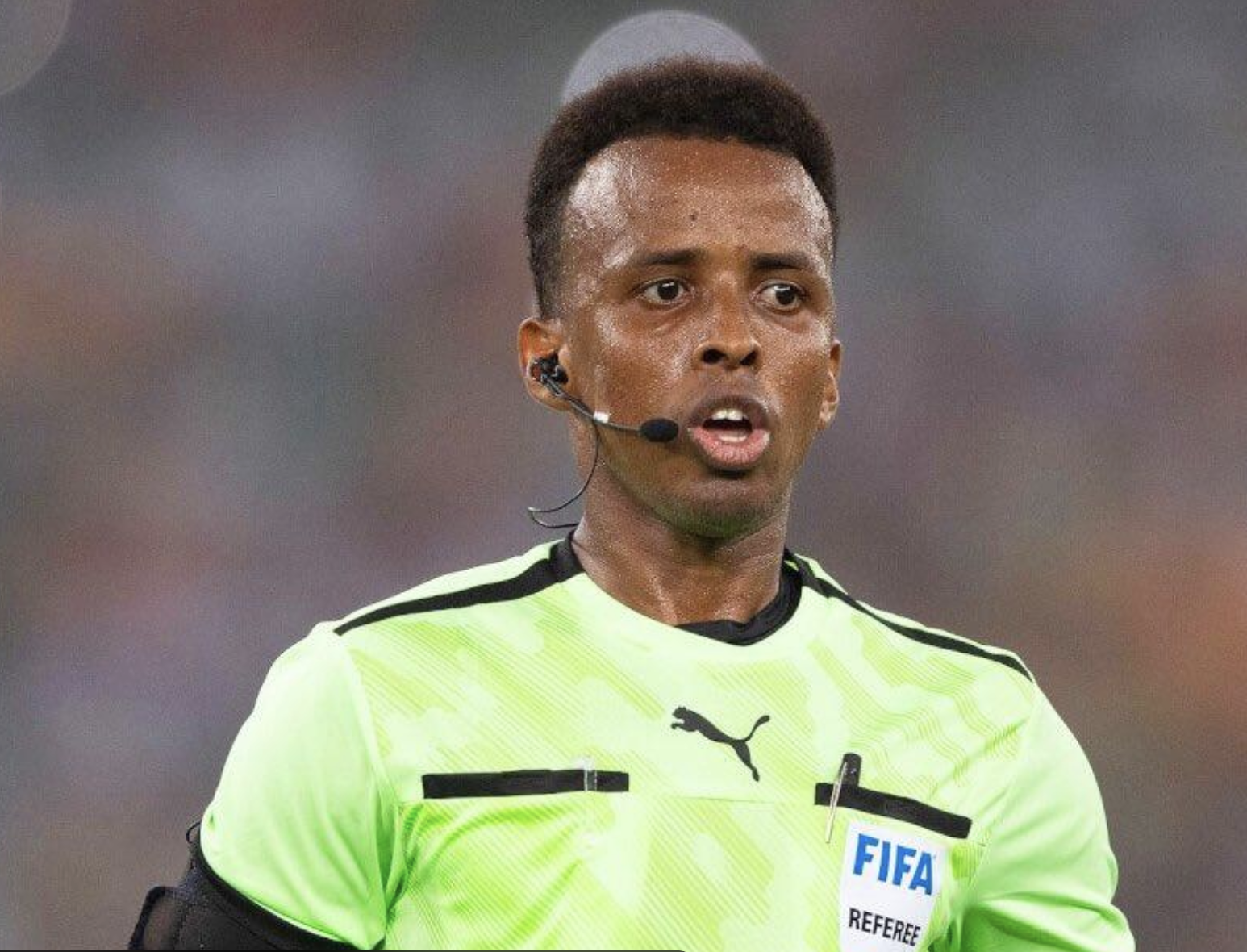
Most football supporters had never heard of Omar Artan before this week.
Now many will never forget him.
After years of work, Artan had earned selection for the World Cup and was set to become the first Somali referee to officiate at a men's World Cup.
Instead, he was denied entry to the United States and removed from the tournament.
The circumstances surrounding that decision remain unclear and have been widely debated.
What is not disputed is the outcome.
A referee who had reached the pinnacle of his profession was unable to take part in the tournament he had worked so hard to reach.
His response said everything.
"I don't want compensation. I wanted to referee at the World Cup."
Players understand that feeling.
Coaches understand it.
Football people understand it.
Some opportunities only come once.

4. What are football's leaders bringing home?
Every World Cup attracts football administrators from around the globe.
Australia is no different.
A number of federation executives and leaders are currently enjoying the biggest tournament on earth.
To be fair, perhaps they are undertaking vital research.
Perhaps somewhere between the corporate hospitality, premium seating and world-class stadiums they will discover the secret to fixing the drainage issues at local grounds.
Perhaps they will uncover the answer to volunteer shortages.
Perhaps they will return with revolutionary insights into canteen rostering and fundraising.
After all, what better place to learn about grassroots football than a FIFA World Cup?
The sarcasm writes itself.
I don't actually begrudge anyone attending.
If I was offered a trip to a World Cup, I'd probably be packing my suitcase too.
But football people are entitled to ask a reasonable question.
What exactly comes back?
What lessons from billion-dollar stadiums and FIFA hospitality suites are being translated into better facilities, better coaching, better referee development and better opportunities for community clubs?
Perhaps there are genuine benefits.
If so, tell us.
Show us.
Share the outcomes.
Because volunteers who spend their weekends in canteens, on mowers and behind barbecue plates have every right to know how these experiences ultimately benefit the game they are helping to sustain.
5. The hydration break rebellion
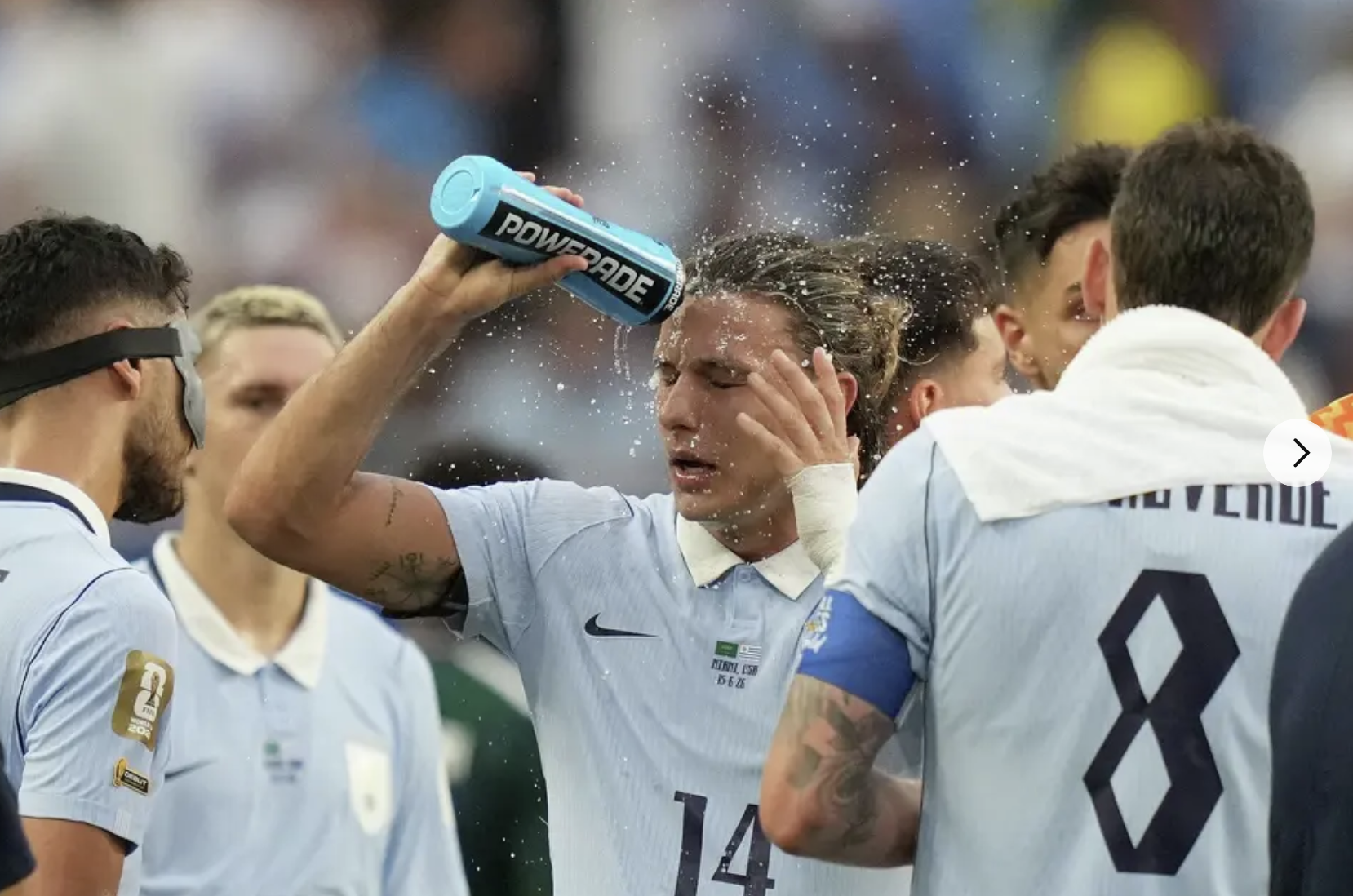
One of the more unexpected controversies of the tournament has been the hydration breaks.
The official explanation is player welfare.
And to be fair, player welfare matters.
No sensible person wants footballers collapsing in extreme heat.
But Australian football supporters are entitled to raise an eyebrow.
We have spent years watching and playing football in temperatures that would make a North American summer seem almost pleasant.
Thirty-five degrees.
Thirty-six degrees.
Thirty-eight degrees.
We have had hydration breaks when conditions genuinely demanded them.
Yet somehow football survived without mandatory interruptions becoming a central feature of the spectacle.
Which raises an obvious question.
Is this really about hydration?
Or is it also about creating another stoppage in the game?
Another opportunity for advertising.
Another television break.
Another chance to maximise commercial value.
Perhaps the answer is genuinely player welfare.
Perhaps it is both.
But football supporters are naturally suspicious when changes that interrupt the flow of the game also happen to create additional commercial opportunities.
Many dislike the interruptions.
But it isn't just the interruption itself.
Football has always been a game where coaches have relatively limited opportunities to influence players once the match begins.
Apart from half-time, decisions are made on the run.
Players solve problems.
Captains lead.
The game unfolds naturally.
Hydration breaks change that dynamic.
Suddenly coaches have another opportunity to gather players, deliver tactical instructions, reorganise shape and influence the contest.
Some people see that as sensible.
Others see it as another step away from what makes football unique.
Whether you support the breaks or not, they unquestionably create a coaching opportunity that traditionally has not existed in the game.
And when that extra coaching opportunity happens to coincide with another advertising break and another television timeout, football supporters are naturally entitled to ask questions.
Many simply don't like seeing football broken into additional tactical timeouts.
Football's greatest strength has always been its simplicity.
Two halves.
A running clock.
Very few interruptions.
Supporters have spent generations falling in love with that rhythm.
They are understandably protective of it.
Football is never just football
What strikes me most is that none of these stories are really about football.
One is about recognition.
One is about gratitude.
One is about a dream denied.
One is about accountability.
One is about commercialisation.
Together they tell us something about the game we love.
The goals will be replayed for years.
The results will fill the record books.
But long after this tournament is over, it may be these stories that people remember most.
Because football is never just football.
And the first week of this World Cup has reminded us exactly why.