The S Word: Stadium
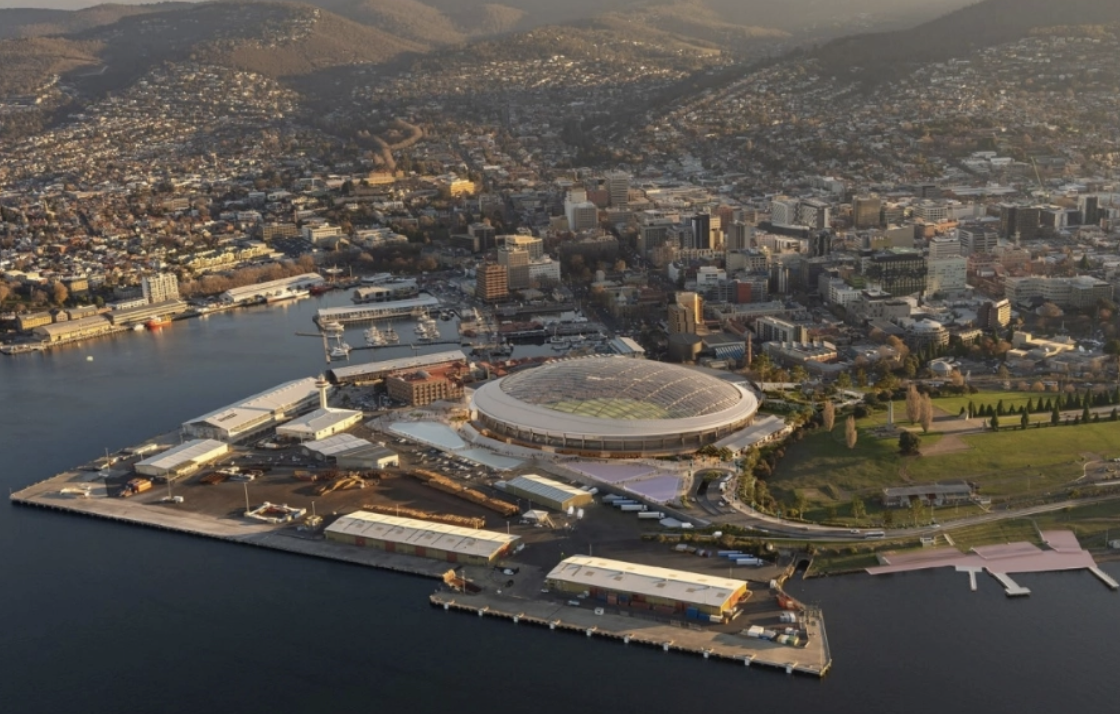
I want to be upfront.
I do not come to this debate as an AFL expert.
I was born in New Zealand. Rugby union was the sport of worship, almost a religion, and while I have not lived there for more than forty years, that lens has stayed with me. Football, soccer, is where my life has landed, not because it was glamorous or well-resourced, but because it was community-driven, volunteer-led and accessible.
Why This Debate Makes Me Uneasy
That is why the stadium debate makes me uneasy. Not because I am anti-team or unwilling to dream big. I hear the “yes team” argument. I hear “whatever it takes”. I understand the excitement. But I also worry, deeply, about what gets lost when one sport becomes the Government’s clear priority.
I have spent more than two decades working in football, not because it is easy or well-funded, but because I believe grassroots sport matters. Children deserve safe places to play. Volunteers deserve to feel valued. Governments should invest where participation and community impact are greatest, not where prestige, politics or broadcast deals are loudest.
What I Am Actually Concerned About
My concern is not about elite pathways or shiny “homes of football” floated by our own governing body. It is about the club grounds, council grounds and everyday facilities that grassroots football relies on, the places used daily by associations and schools across Tasmania.
These are not abstract concerns. Every weekend, junior football fields more than 450 teams across the Central Region alone, from Dover to Chigwell. Demand consistently outstrips supply. Tasmania has hundreds of AFL ovals and very few rectangular fields. This is the result of long-standing policy choices that have shaped who gets space, funding and priority.
The Reality on Winter Weekends
On winter weekends, I see it up close. Volunteers unlocking gates before sunrise. Parents holding umbrellas over children pulling on boots. Training sessions cancelled or shortened because there is nowhere safe or suitable to play. This is not elite sport. This is community sport, and it runs on goodwill.
Earlier this year, ABC announcer Leon Compton attended our match against Heidelberg United. The following morning on radio, he described the facilities as Dickensian. He sounded genuinely shocked. It haunts me.
For those of us in football, that reaction was confronting, not because it was unfair, but because it was familiar.
This is the reality for football clubs all over Tasmania.
Women Have Lived This Reality for Decades
Women have been playing soccer in Tasmania for more than fifty years in these conditions. We trained, played, coached and volunteered in facilities that would never meet today’s expectations, and we did so without headlines or outrage. When AFL introduced women’s competitions, the poor state of facilities suddenly became a surprise. For footballers, it never was.
Maybe we have just been more resilient. Or maybe we have simply been conditioned to accept less.
The Question No One Wants to Answer
I wrote to Members of the Legislative Council because I am genuinely fearful for grassroots sport. When hundreds of millions of dollars are committed to a single elite project, the question is not ideological, it is practical. Where does that money ultimately come from?
Every community sport in Tasmania competes for the same limited pool of grants. Clubs fill in applications year after year, justify need, and hope. Some succeed. Many do not. And the reality is that money is rarely new. It is usually reallocated.
Yes, my club has done well over my two decades, and I am grateful.
Thank you to Andrew Wilkie and the Federal Government.
Thank you to the State Government.
Thank you to the City of Hobart.
And thank you to the extraordinary club members and volunteers who have contributed time, money and energy over decades.
But my concern is not just about now. It is about five years’ time. Ten years’ time.
What happens if the stadium runs over budget?
What happens when operational costs escalate?
What happens when funding has to be redirected from somewhere else?
Do grant opportunities dry up because it all went to elite sport at the stadium?
Who Benefits, and Who Misses Out
Football is the most played team sport in Tasmania. Basketball participation continues to grow. Other sports are crying out for facilities. There is still no ice-skating rink. Yet one sport continues to be favoured above all others, without a transparent comparison of participation, community impact or long-term need.
Stadiums are visible legacies. Community facilities are lived ones. One photographs well. The other quietly shapes childhoods, weekends and lives.
This Is Not an Anti-AFL Argument
This is not about being anti-AFL. Many of us support a Tasmanian team. But support should not come at any cost, and certainly not at the cost of grassroots sport being quietly sidelined.
The suggestion that an A-League team could play at Macquarie Point does nothing for community football. Elite sport can be brought in. Community sport has to be built. Purchased content does not create a single new training field, safer changeroom or place for children to belong. The volunteers who hold community sport together will see no benefit from a stadium they will never use.
What This Decision Really Means
Grassroots sport is the lifeblood of Tasmanian communities. It keeps children active, builds friendships and creates connection in ways no broadcast product ever could. Yet too often, those who make sport possible, families, volunteers and local clubs, are invisible in these decisions.
This is not just a debate about a stadium.
It is a decision about what, and who, we choose to value.
I hope to be proven wrong. I hope this investment does not come at the expense of the sports and communities that quietly carry the greatest load.
Long after the ribbon cutting and headlines fade, Tasmanian children will still need places to play.