When Experience is Treated As Conflict
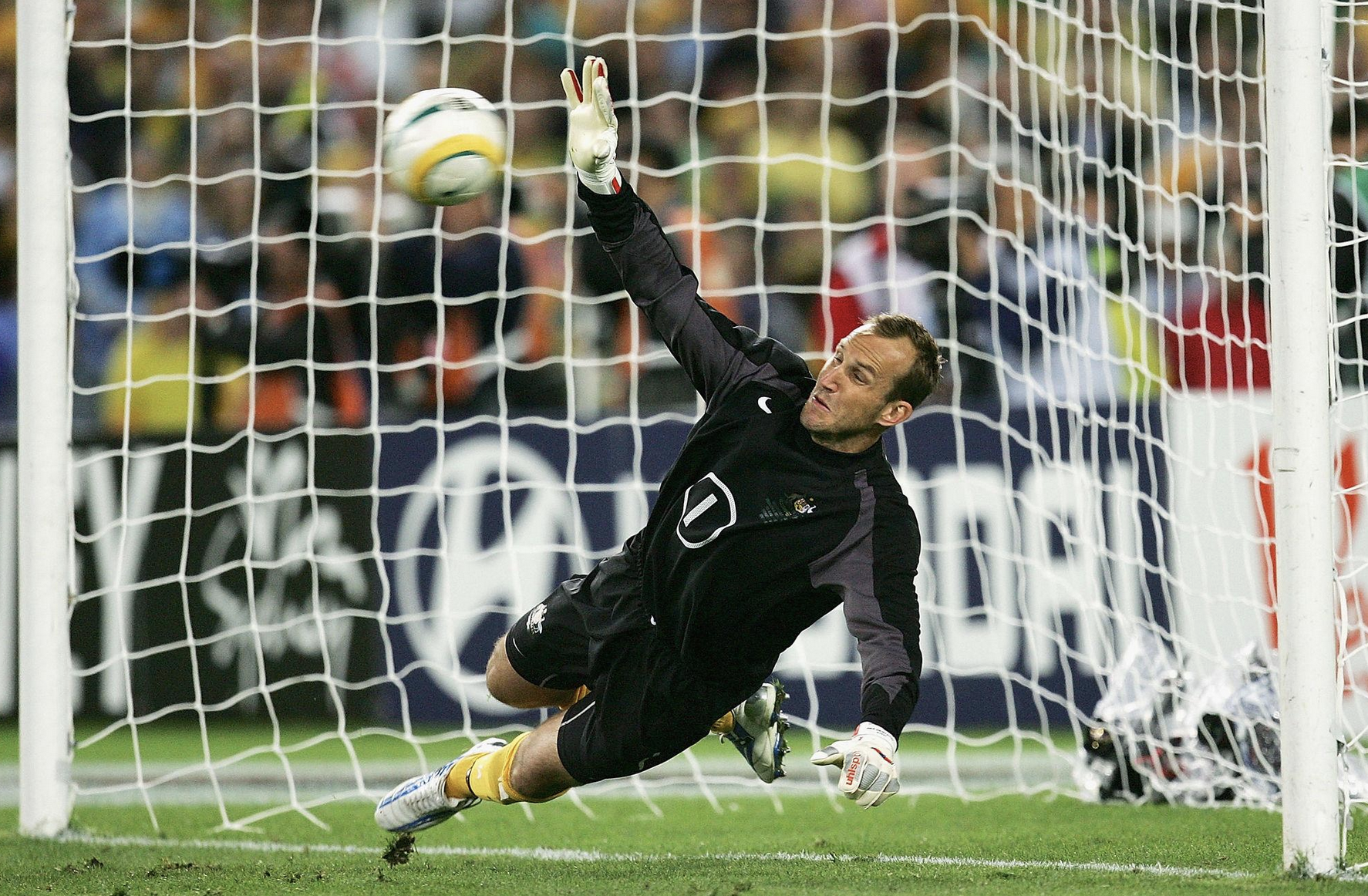
I saw an article about Mark Schwarzer angling for a place on the board of Football Australia and it got me thinking about who should sit on football boards.
Not just national boards.
All boards.
Who is considered qualified.
Who is considered independent.
And, just as importantly, who gets quietly ruled out.
Because one of the curiosities of football governance is this.
The people with the deepest lived experience of running the game are sometimes treated not as assets but as conflicts.
That deserves scrutiny.
Good governance does not eliminate conflicts. It declares them, manages them and gets on with the work.
What counts as expertise?
Boards rightly seek financial skills.
Legal skills.
Commercial understanding.
Risk oversight.
All sensible.
But where, in that familiar list, do we place lived football experience?
Club leadership.
Volunteer governance.
Running a ground.
Balancing books.
Managing growth.
Dealing with parents, referees, registrations, facilities, sponsors and the thousand small problems that keep football alive every weekend.
That is not anecdotal knowledge.
That is expertise.
Caring deeply about football is not, in itself, a conflict of interest. It may simply be evidence of commitment.
And yet football can sometimes treat that expertise as something to be managed around.
Or worse, excluded.
When involvement becomes “conflict”
Our current Football Tasmania Constitution places emphasis on directors being free of conflicts.
No reasonable person would disagree conflicts should be declared and managed.
That is basic governance.
But there is a larger question worth asking.
When did practical involvement in football begin to be viewed primarily through the lens of conflict?
A club president may be seen as conflicted.
A grassroots leader may be seen as conflicted.
Someone deeply involved in the everyday game may be seen as carrying interests.
Of course they carry interests.
They are in football.
The more interesting question is whether those interests are necessarily disqualifying.
Or whether they are the very source of valuable perspective.
There is a difference between managing conflicts…
and using the language of conflict to keep practitioners away from power.
That distinction matters.
Independence is not the same as distance
This is where governance can get slippery.
Sometimes distance from the game is mistaken for independence.
But they are not the same thing.
Distance can simply be distance.
Meanwhile those closest to the consequences of decisions often bring the sharpest understanding of them.
That should strengthen governance.
Not weaken it.
Imagine saying doctors should be kept away from hospital governance because they know too much about hospitals.
Or principals should be viewed cautiously on education boards because they understand schools too well.
It sounds absurd.
Yet football sometimes flirts with versions of that logic.
Experience is not the opposite of independence.
Where is the lived club voice?
This is where the Schwarzer story made me pause.
Not because former players should automatically be directors.
They should not.
But because it raised a broader question.
Why don’t our governance structures deliberately make room for lived football expertise?
Why is there not a clearer pathway for substantial club experience to be valued as a governance competency?
Football seems to have pathways for players, coaches and referees. Governance pathways are less obvious.
Should there be a designated pathway, perhaps even an expectation, for significant club experience on football boards?
In Tasmania, that question feels particularly relevant.
Volunteer clubs do not sit at the edge of the system.
They are the system.
They carry participation.
They absorb cost pressures.
They build facilities.
They develop players.
They hold communities together.
Why would the people doing that be viewed primarily through a conflict lens?
Why not also through an expertise lens?
Having spent years in club rooms, committee meetings and volunteer football, I struggle to see that experience as something governance should keep at arm’s length.
Perhaps the issue is not conflict, but discomfort
A harder thought.
Sometimes “conflict of interest” can become shorthand for something else.
Discomfort with people who may challenge assumptions.
Discomfort with voices shaped by practical experience.
Discomfort with perspectives not easily managed.
That is not always what is happening.
But it is a question worth asking.
Because governance is not just about who sits at the table.
It is also about who is considered legitimate to be there.
And those are not always the same thing.
Sometimes “conflict of interest” can be invoked very selectively. It is fair to ask whether grassroots experience is occasionally treated more cautiously than other institutional interests that pass without much comment.
Consultation is not representation
Football often speaks of consultation.
But consultation is not representation.
Being heard occasionally is not the same as having a structural voice.
That matters.
Especially in a sport that talks often about being member based.
It is fair to ask whether the pathways for grassroots knowledge into governance are as strong as they should be.
And if not, why not.
This matters even more when formal structures intended to channel football voices, such as standing committees, are weak, dormant or absent. If those pathways are thin, the question of voice at board level matters more, not less.
A fair question, not a radical one
This is not an argument that only football insiders should govern football.
Far from it.
Healthy boards need a mix.
Independent thinking.
Financial strength.
Legal capability.
Commercial insight.
And football knowledge.
Especially football knowledge.
That should not be the controversial one.
The question Schwarzer made me think about
The article about Mark Schwarzer did not make me wonder whether former players belong on boards.
It made me wonder why lived experience in football can so often be treated cautiously at all.
Why expertise born from participation can be framed as conflict.
Why practical knowledge can be seen as partial.
And why the people carrying so much of the game can sometimes appear furthest from its power.
Those feel like governance questions worth asking.
Because if those carrying much of the game are viewed mainly through a conflict lens, perhaps the question is not whether grassroots has too much influence.
Perhaps it is whether it has too little.