Where does Football Tasmania’s money actually come from?
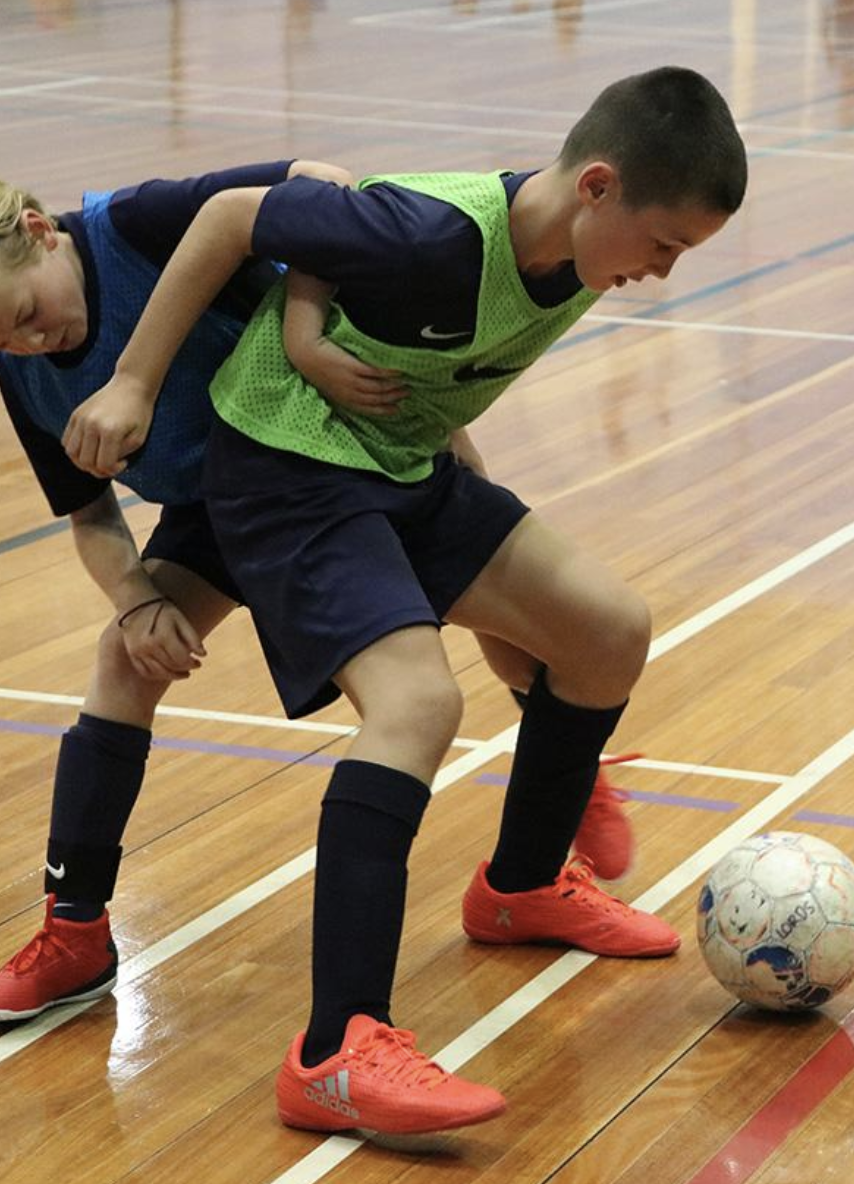
In 2025 Football Tasmania’s income from Futsal was $312,000.00
Income 101
First I looked at where the money actually comes from.
Then in Part Two I will look at where it is spent.
And finally, in Part Three, I want to explore the much bigger football questions sitting underneath all of it.
Most football people probably never read Football Tasmania financial statements.
Fair enough.
Most people are too busy coaching teams, washing strips, marking grounds, organising volunteers, paying registrations, running canteens and getting kids to games.
But the money matters.
Because this is not some abstract pot of money sitting in an office somewhere.
This is football money.
Some of it comes directly from registrations and clubs.
Some comes through programs, sponsors and government investment.
But in one way or another, it exists because football exists.
The newly released 2025 audited financial statements show just how large the operation has now become.
In 2025, Football Tasmania brought in just over $3.7 million in total income.
The organisation also recorded a surplus of $201,590 for the year, compared with $27,045 the year before.
In simple terms, the finances appear healthier than they were 12 months ago.
The accounts also show more than $1.15 million sitting in cash reserves and term deposits at the end of 2025.
That does not mean Football Tasmania is suddenly “rich”.
Every organisation needs reserves.
Cash reserves are basically financial safety nets. They help organisations manage unexpected costs, survive difficult periods and invest in future projects without immediately falling into financial trouble.
In simple terms, healthy reserves usually mean an organisation is more stable and less vulnerable.
Who actually hears this stuff?
Interestingly, while reading through the AGM papers, I noticed the actual President’s Report itself was not included in the documents sent to members, with members instead advised that the President would provide an overview verbally at the meeting.
That is probably fairly normal governance procedure.
But it also highlights something slightly strange about football governance generally.
Very few ordinary football people will ever actually hear that overview.
A handful of voting members.
Some proxies.
A few people online.
Meanwhile thousands of football people across Tasmania continue paying registrations, volunteering at clubs, attending development programs and helping fund the broader football system without ever really discussing how the overall financial picture works.
So where does the money actually come from?
The biggest income source
The biggest income source was listed as:
“Grants, sponsorships and commissions”
That brought in just over $1.3 million.
The accounts do not explain exactly how much of that came from government funding, sponsorship, Football Australia or other sources, but it is clearly the biggest piece of the pie.
The next biggest area was competition registration fees at almost $569,000.
This is the area most football families would recognise because it connects directly to players registering to play football.
Player development programs generated another $513,000.
In simple terms, these are the technical football programs run by Football Tasmania itself. Things like development squads, academy-style programs, clinics and advanced coaching programs.
Competition fees added another $441,000.
These are generally the fees clubs and teams pay to enter leagues and competitions.
Futsal generated more than $312,000.
For those outside football, futsal is the indoor version of football played on smaller courts with smaller teams. The accounts show it is actually a significant part of Football Tasmania’s overall operation.
Coach education also generated more than $41,000 in income during 2025, reflecting how football administration now stretches well beyond simply organising weekend competitions.
What does this actually tell us?
A few things.
First, Football Tasmania is no longer simply a small organisation collecting rego fees and organising fixtures.
The operation is much bigger than that.
The organisation itself describes its role as administering football through competitions and development programs across Tasmania.
Second, football itself has become a significant economic ecosystem in Tasmania.
Money is flowing through:
registrations
development programs
competitions
coaching courses
grants
sponsorships
futsal
And behind all of that are ordinary football people.
Parents.
Volunteers.
Players.
Coaches.
Clubs.
That is important to remember because football governance discussions can sometimes start feeling disconnected from the people actually funding and participating in the game.
When finances become real
And this is where finances become real for ordinary football people.
Most supporters are not sitting around analysing balance sheets or discussing retained earnings.
They are judging football through lived experience.
Can they watch the livestream?
Are the grounds improving?
Are referees supported?
Does communication feel professional?
Are clubs feeling connected to the wider game?
So when people see Football Tasmania now holding more than $1.15 million in reserves and cash investments, they naturally begin wondering what a financially stronger federation might be able to improve over time.
That is not criticism.
It is probably just the normal conversation that happens once an organisation appears more financially stable.
The biggest takeaway
For me, the biggest takeaway from the accounts was not outrage or scandal.
It was that Football Tasmania appears financially stronger than it did a year ago.
The directors themselves describe the organisation as focused on administering competitions, developing facilities and infrastructure and increasing participation through technical and development programs.
And once an organisation becomes financially stronger, the conversation naturally changes.
People begin asking different questions.
Not just:
“Can football survive?”
But:
“What should improve now?”
What should be invested in?
What should members expect?
What should the football experience across Tasmania actually look like?
That is probably the more interesting conversation moving forward.