Why is the A-League Still Trying to “connect to grassroots”?
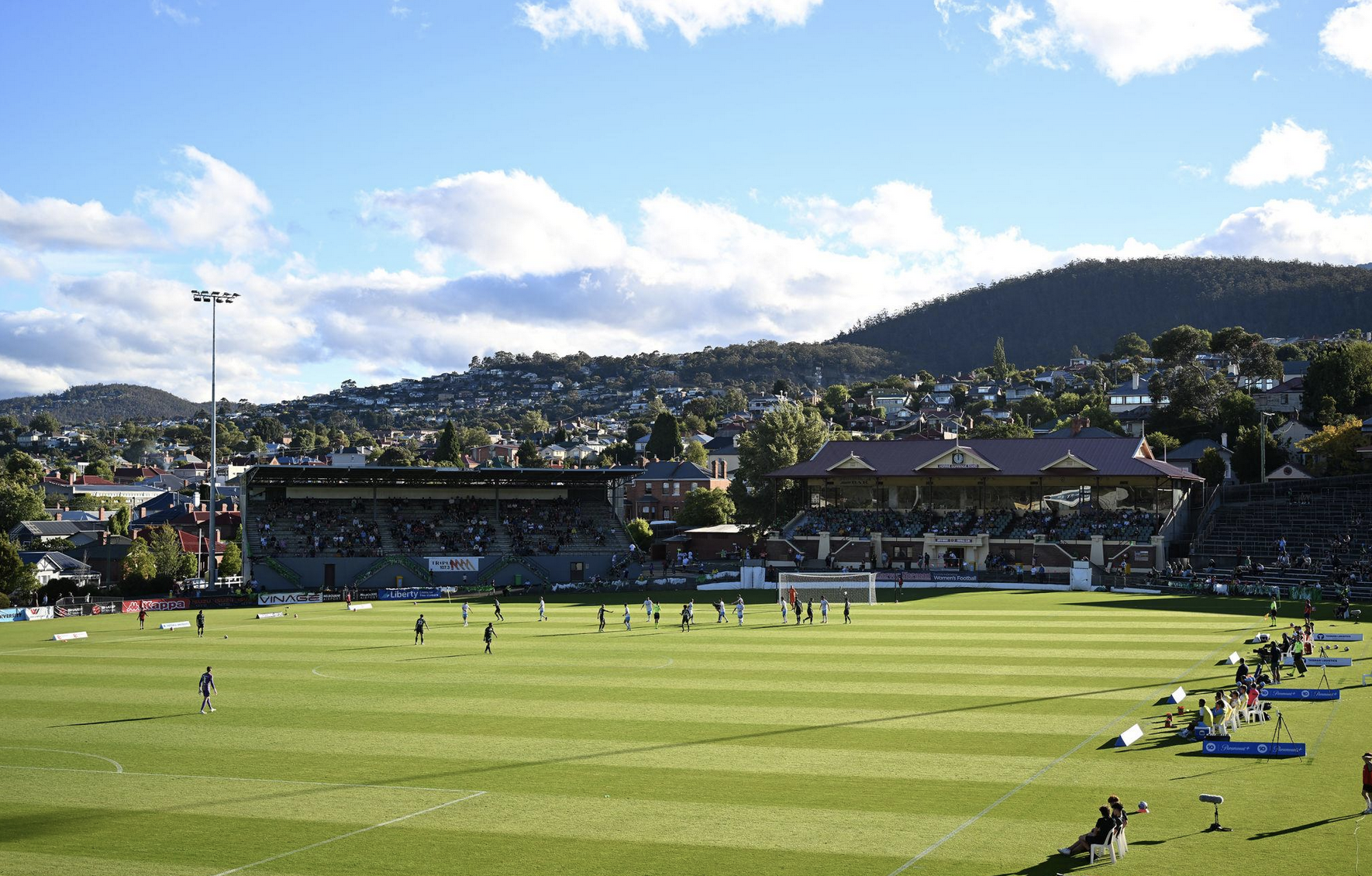
A-League Men Rd 15 - Western United v Sydney FC
I was reading a piece in The Guardian this week about the new A-Leagues boss, Steve Rosich.
His priority?
Arrest the decline in crowds. Rebuild interest. And importantly, reconnect the league with the broader football community.
Sound familiar.
Because if you’ve been around the game for any length of time, you’ve heard this before.
Many times.
New leader. Same message
Rosich steps into a role that has already seen a number of voices and resets in recent years, including Danny Townsend, Nick Garcia and Stephen Conroy.
Different people. Different structures.
Same conversation.
“We need to connect to grassroots.”
At some point, that stops sounding like a strategy and starts sounding like a pattern.
The phrase sounds right. That’s the problem
Of course it sounds right.
Football in Australia has always been built from the bottom up.
Kids on wet grounds. Volunteers marking lines. Parents packing oranges.
That is the game.
So when leaders talk about connecting to grassroots, it feels logical.
But it also quietly assumes something else.
That the connection isn’t already there.
If it’s not there, why not?
This is the part we don’t sit with for long enough.
Because grassroots football has never been disconnected from football.
It is football.
What has often been disconnected is the professional game from the lived experience underneath it.
And that’s a very different problem.
Participation is not connection
The numbers will always be rolled out.
Participation is strong.
But participation and emotional connection are not the same thing.
A child can play for ten years and never feel drawn to the A-League.
A parent can volunteer every weekend and still not feel like the professional game belongs to them.
That gap matters.
Because connection is not built on activity.
It is built on identification.
People follow what feels like theirs.
What grassroots actually feels like
And this is the part that is hardest to replicate.
Going to your local club is not just about the football.
It’s the greetings when you arrive.
The familiar faces.
The quick conversations on the sideline.
The smell of the canteen.
Standing close enough to hear the tackles, the calls, the referee, the frustration, the laughter.
You are not watching the game.
You are inside it.
It’s imperfect. Sometimes chaotic. Often cold and uncomfortable.
But it belongs to you.
And then there’s the other experience
We went once to AAMI Park for a Melbourne Heart game.
About 6,000 people there.
We took our seats. Settled in.
And some time later, we were asked to show our tickets again. Checking if we were in our correct seats.
A small moment.
But it told you everything.
Controlled. Checked. Managed.
You’re not part of it.
You’re being processed through it.
And then we tried to bring it here
There was another moment that has stayed with me.
The Tasmanian Government, at the request of Football Tasmania, supported bringing A-League content down.
We went along to North Hobart Oval to watch.
Again, an oval.
Again, a space not quite built for the game.
A small group of Western United FC supporters had made the trip.
They tried to get the local crowd going. Tried to start chants. Tried to lift the atmosphere.
And it just… didn’t land.
A few kids joined in.
Most people didn’t.
It wasn’t hostility. It wasn’t even disinterest, really.
It was something quieter than that.
A lack of connection.
It felt forced. Slightly awkward. A bit uncomfortable to watch.
Almost embarrassing.
Because you could see the effort.
And you could also see that it wasn’t being met.
That gap is the problem
This is the tension the A-League hasn’t solved.
It’s not just about getting grassroots people in front of the product.
It’s about whether it feels like theirs when they get there.
Because if it doesn’t, no amount of effort fixes that.
Connection isn’t created by proximity alone.
And it certainly isn’t created by asking people to perform it.
Would a Tasmanian A-League team fix it?
There’s an argument you hear often.
If Tasmania had its own A-League team, everything would be different.
The connection would be automatic.
Crowds would come.
People would care.
It’s an appealing idea.
And parts of it are probably true.
Proximity matters. Identity matters.
But it’s not a guarantee.
We already know what connection feels like
We see it every weekend.
Local clubs are full of it.
People who know each other.
Spaces that feel familiar.
Football that feels close, not distant.
That’s real connection.
And it already exists.
So the question isn’t “would people turn up?”
They probably would.
At least at the start.
The real question is what happens after that.
Does it feel like an extension of the football culture people already live?
Or does it feel like something separate?
Because if it’s the second, the novelty wears off.
And we’re back asking the same questions.
So let’s be honest
A Tasmanian A-League team might help.
It might create moments.
But it won’t automatically fix the gap between the professional game and grassroots football.
That gap isn’t geographic.
It’s cultural.
Maybe we’re asking the wrong question
We keep asking:
How do we connect the A-League to grassroots?
Maybe the better question is:
Why does the professional game still feel so different from the football most people actually live?
Because until that is answered honestly, we will keep hearing the same line.
New leader. Same promise.
And the gap remains.