A Chat With Luca, And Why New Football Laws Are Coming
Football 101
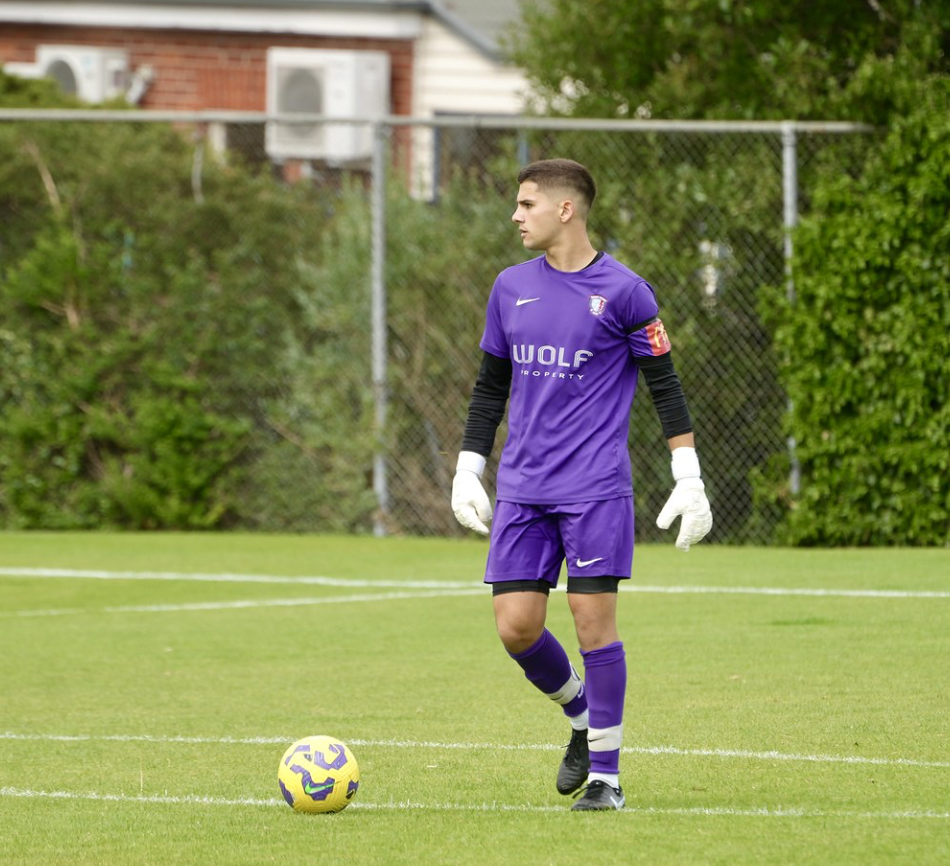
Funnily enough, I was talking to Luca, the NPL goalkeeper at South Hobart, last night at training. We were talking about goalkeepers being on the clock.
He laughed and said,
“Goalkeepers are already on the clock for goal kicks, but someone can wait for a towel, can dry the ball, walk to the line for a throw-in and it takes twice as long.”
He is right.
And that is exactly why new rules are coming.
When These Changes Will Happen
These changes were approved by The International Football Association Board (IFAB), the body that writes the Laws of the Game for world football.
They will appear in major competitions from 2026, including the World Cup.
They become part of the Laws of the Game from 1 July 2026.
Competitions that start before that date may adopt them earlier.
After that, national bodies like Football Australia and Football Tasmania decide when to adopt them locally.
So you may see them in Tasmania in 2026, or a season later.
But they are coming.
Why Football Wants These Changes
Football wants more playing time.
Less delay.
Less gamesmanship.
More football.
We all see it, even at junior games.
Players wandering to take throw-ins.
Goalkeepers holding the ball.
Slow substitutions late in matches.
So IFAB acted to protect effective playing time.
1. Throw-ins and Goal Kicks
A Five-Second Countdown
If a referee believes a restart is being deliberately delayed, they can start a visible five-second countdown.
If the ball is still not back in play after the countdown
the other team gets the throw.
If a goal kick is still delayed
the other team gets a corner.
The key point is referee judgement.
It is not an automatic stopwatch.
Ken pointed out that this works well when spare balls are nearby, but at many grounds a ball can be kicked over a clubhouse or onto another field and it takes time to retrieve it. In those situations referees will need to be sensible and flexible.
That is another reminder for clubs to keep spare balls ready wherever possible.
2. Substitutions Must Be Quick
Substituted players must leave the field within ten seconds of the referee’s signal, or the substitution board where one exists.
If they do not
the substitute cannot enter until the next stoppage after one minute of running clock from the restart.
No more slow walks across the pitch late in games.
3. Injured Players Must Stay Off Briefly
If play stops for treatment
the player must remain off for one minute once play restarts.
Running clock means real time.
Referees can still allow exceptions for serious injuries or other safety concerns.
IFAB is also studying tactical goalkeeper injury delays, which everyone in football recognises.
4. VAR Adjustments
VAR can now assist referees with:
• a clearly incorrect second yellow card leading to red
• mistaken identity
• the wrong team being penalised for an offence
• a clearly incorrect corner decision, if corrected instantly
This is about fixing obvious mistakes without long delays.
5. Other Law Updates From July 2026
Some smaller but useful changes:
• more substitutes allowed in friendly internationals
• non-dangerous equipment allowed if safely covered
• referee body cameras as a competition option
• clearer dropped ball rules
• clarification on accidental double touches in penalties
• if advantage is played after a denying-an-obvious-goal-scoring-opportunity offence and a goal is scored, the player is not cautioned
The equipment change mainly relates to medical or religious items. Jewellery rules have not changed, sorry folks, earrings are still not allowed, even if taped. Casts or braces may be allowed if properly padded and approved by the referee.
These changes tidy up grey areas in the Laws.
6. Behaviour Issues Under Review
Some issues are still under consultation.
IFAB will look further at situations where:
• players or officials leave the field in protest
• players cover their mouths while confronting opponents
The covered-mouth issue may sound small, but it connects to something deeper.
In recent years racist or abusive language has been hidden behind a hand.
I wrote earlier about this in a post called Different Doors, Same Room.
It is encouraging to see football recognising that small habits can hide big problems.
7. Other Areas Still Being Trialled
Offside trials will continue, along with semi-automated offside technology.
Football is still experimenting with ways to make decisions quicker and clearer.
The Arsene Wenger offside rule is coming. More about that another time though.
What This Means For Tasmania
These rules will filter down.
Maybe not straight away, but soon.
We can prepare now.
Players ready for restarts.
Coaches organise substitutions early.
Spare balls nearby.
Respect referees’ timing decisions.
More playing time helps development.
Especially for kids standing in the wind on a winter morning.
The Spirit Behind It
The Laws can help.
But culture matters more.
Respect the game.
Respect opponents.
Respect referees.
That is how football keeps flowing.
From World Cup finals to a muddy junior ground in Hobart.
Small Laws, Bigger Game
Football changes slowly.
Culture changes slower.
But small rule changes, applied well, protect the game we love.
More football.
Less waiting.
And that is good for everyone.
Source: IFAB 140th AGM summary.