A Coaching Licence Can't Teach This
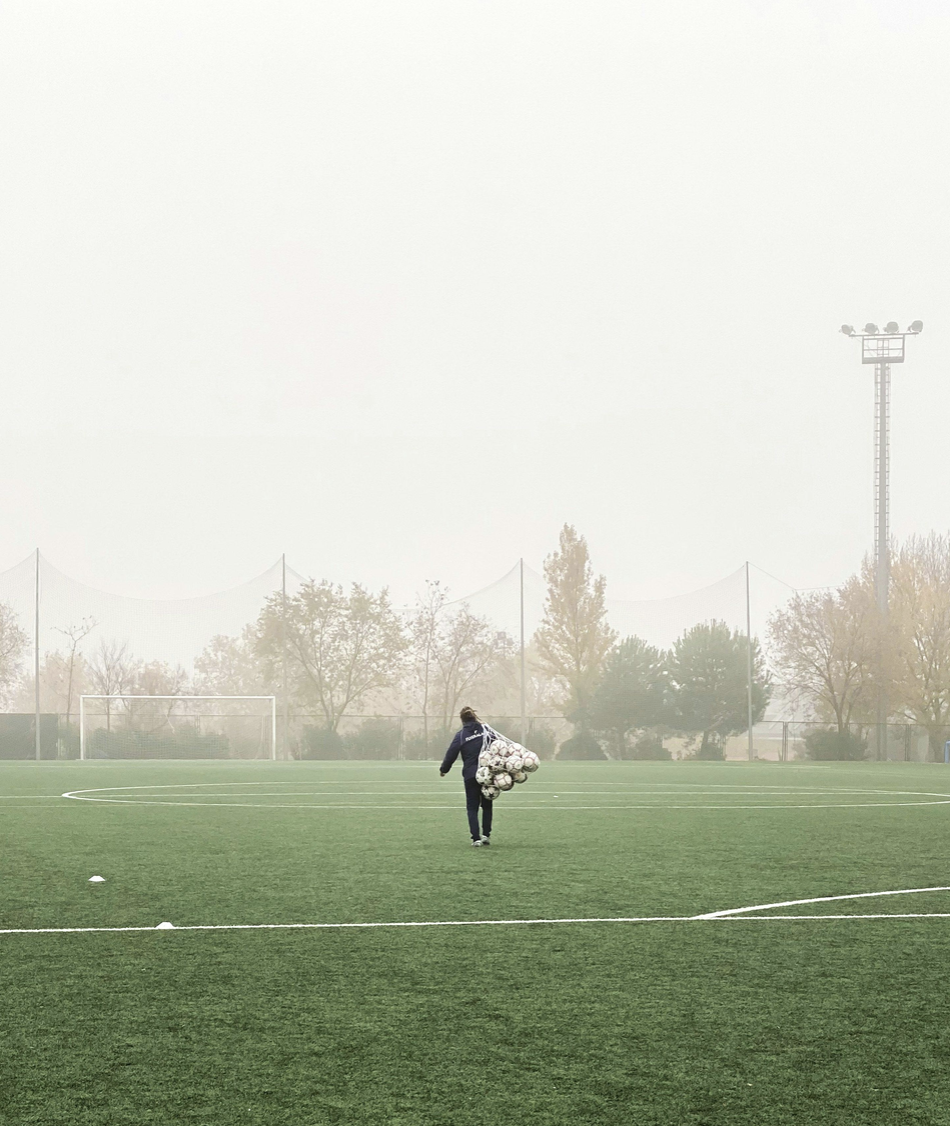
A week of reflection on coaching, leadership and the qualities that no certificate can ever fully measure.
Can a coaching licence teach someone to lead?
It's a question I found myself asking this week after reading a lively Facebook debate about coaching licences.
As always, opinions were divided.
Some argued coaching licences are essential if football is to improve.
Others insisted that some of the best coaches they had ever known didn't hold the highest qualifications.
As I scrolled through hundreds of comments, I realised they were all debating knowledge.
But I wasn't thinking about knowledge.
I was thinking about leadership.
Let Me Start Here
Before I go any further, let me make something absolutely clear.
I believe in coach education.
I believe in lifelong learning.
Why else would I spend eighteen months completing the AFC Certificate in Football Leadership and the AFC Diploma of Club Management?
I wasn't required to undertake those qualifications.
I chose to.
Because I wanted to become a better football administrator.
A better leader.
A better contributor to our game.
Education matters.
Learning matters.
Football is better when people continue to invest in themselves.
A Week That Made Me Think
This week three Tasmanian coaches made me stop and think.
Brian Murphy.
Tom Ballantyne.
James Sherman.
Different clubs.
Different personalities.
Different coaching journeys.
Yet each of them reminded me of something different about coaching.
I've only known Brian Murphy for a relatively short time.
I've interviewed him and met him a couple of times.
Like every coach, he won't get everything right all of the time.
What impressed me about his recent public reflections wasn't that he claimed to have all the answers.
Quite the opposite.
He questioned his own preparation, communication and leadership before looking anywhere else.
Whether people agreed or disagreed with every decision he has made as a coach, that willingness to reflect honestly on his own performance is something I admired.
Tom Ballantyne reflected on the emotional rollercoaster that coaching can be.
The joy.
The disappointment.
The people around him.
His players.
His staff.
The privilege of leading a football team.
Again, I was struck by how little he spoke about himself and how much he spoke about the people beside him.
Then came the announcement that Glenorchy Knights and James Sherman had parted company.
James leaves behind one of the strongest coaching résumés in Tasmanian football.
His departure was another reminder that coaching is one of the most rewarding, yet one of the most unforgiving, professions in our game.
Results are visible every weekend.
The thousands of hours of preparation rarely are.
As I reflected on all three, one thought kept returning to me.
Football often searches for quick fixes.
Change the coach.
Change the formation.
Change the players.
Yet the coaches I've admired most have always spoken about something different.
Learning.
Development.
Patience.
Process.
Building something that lasts.
Their reflections made me think about the coaches I've been fortunate enough to live alongside.
The View Most People Never See
Perhaps I have been a fortunate woman.
For many years I had a front-row seat to senior football that very few club presidents ever experience.
Not because I was President.
Because I lived with coaches.
I've spent a lifetime watching coaching from the inside.
Not from the grandstand.
Not from social media.
But from the kitchen table.
Our family has always believed in education.
Ken, Ned and Max all hold AFC A Licences.
Yet none of them would tell you they have finished learning.
Ken has continually developed himself throughout a lifetime in coaching and still analyses matches with the same enthusiasm he had decades ago.
Ned has invested in three university degrees, accumulated a considerable HECS debt, completed coaching qualifications and dedicated himself to coach education, technical development and academy leadership. His appetite for learning seems almost endless.
Max is no different. Alongside his teaching degree and senior coaching career, he is travelling to Wales later this year, at considerable personal expense, to complete his UEFA C Licence. Not because anyone expects him to, but because he wants to become a better coach.
Their qualifications aren't trophies.
They're milestones on a lifelong journey of learning.
Watching them taught me something.
The best coaches don't simply prepare their teams.
They prepare themselves.
I didn't just watch ninety minutes on a Saturday afternoon.
I watched everything that happened before those ninety minutes.
The preparation.
The tactical planning.
The video analysis.
The endless phone calls.
The difficult conversations.
The player management.
The notebooks full of ideas.
The games replayed over and over searching for one small improvement.
The sleepless nights after defeats.
The excitement before big matches.
The relentless pursuit of becoming better.
Football didn't stop when training finished.
It came home.
It sat around the dinner table.
It travelled in the car.
It filled weekends.
It occupied holidays.
To them, football wasn't simply a game.
It was a responsibility.
It was a profession.
It was a craft they were constantly trying to master.
To them...
It was life.
The Things You Can't Print on a Certificate
That experience has taught me something.
A coaching licence is important.
It demonstrates commitment.
It demonstrates education.
It demonstrates a willingness to learn.
But it cannot tell me everything.
It can't measure leadership.
It can't measure preparation.
It can't measure communication.
It can't measure character.
It can't measure humility.
It can't measure integrity.
It can't measure passion.
It can't measure curiosity.
It can't measure resilience.
It can't measure empathy.
It can't measure whether players trust you.
It can't measure whether they'll follow you when things become difficult.
It can't measure whether, after a disappointing result, your first instinct is to point the finger...
...or to look in the mirror.
Those qualities aren't awarded at the end of a course.
They're built over years.
Through mistakes.
Through reflection.
Through experience.
Through a willingness to keep learning.
Football's Greatest Strength... and One of Its Greatest Challenges
Football is a wonderful game because almost everyone has an opinion.
Many of us have played.
Millions watch it every week.
Parents coach junior teams.
Supporters analyse tactics every Monday morning.
Perhaps that's why football has always faced one unique challenge.
Almost everybody believes they can coach.
When Ken and I started Morton's Soccer School nearly twenty years ago, one of the biggest barriers wasn't finding children who wanted to improve.
It was convincing parents that coaching itself had value.
"Why would I pay someone to coach my child?"
"We've always done it ourselves."
Thankfully, attitudes have changed.
Coach education is now rightly valued.
That is good for football.
But perhaps we should be careful not to confuse qualifications with coaching itself.
Knowledge matters.
Experience matters.
Leadership matters.
Character matters.
The Best Coaches Never Stop Learning
Looking back over this week, I realised something.
I've never met a great coach who thought they were one.
The best coaches I've known have all had different personalities.
Different philosophies.
Different ways of communicating.
Different ways of leading.
Brian Murphy.
Tom Ballantyne.
James Sherman.
Ken Morton.
Ned Clarke.
Max Clarke.
Different journeys.
Different stories.
Yet every one of them shares something remarkably similar.
They are all still learning.
They are all still asking questions.
They are all still searching for ways to become better.
The more experienced they become...
...the more curious they seem to be.
Perhaps that's the one qualification every truly great coach possesses.
Not a licence.
Not a trophy.
Not a title.
But curiosity.
The humility to believe there is always something else to learn.
Final Whistle
The older I get, the less interested I become in what hangs on a person's wall and the more interested I become in what sits inside their heart.
Qualifications matter.
Education matters.
Experience matters.
But so do curiosity.
Humility.
Preparation.
Leadership.
Character.
Communication.
The willingness to ask yourself difficult questions.
They are qualities no certificate can ever fully measure.
Football should continue investing in coach education.
It should continue raising standards.
It should continue encouraging coaches to challenge themselves.
A coaching licence can teach tactics.
It can teach methodology.
It can teach session design.
It can teach the technical side of our game.
But the qualities I've admired most in coaches have never been framed on a wall.
They've been demonstrated every day through preparation, humility, curiosity and leadership.
Because coaching can be taught.
Leadership has to be lived.