104 Matches. 48 Nations. 211 Dreams.
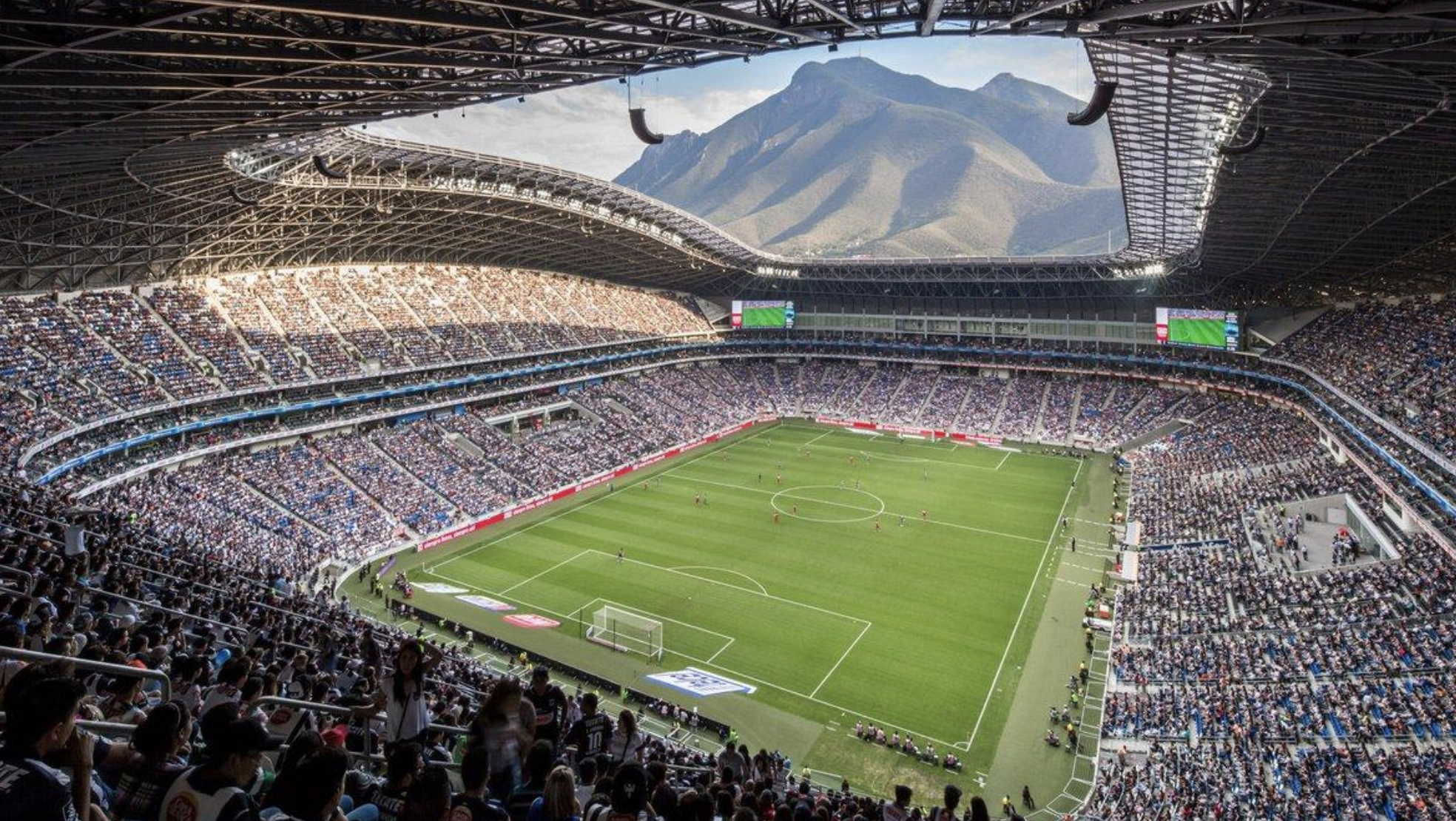
Estadio BBVA, the home of CF Monterrey. Monterrey is the third largest city in Mexico.
It has become famous during this World Cup because of the spectacular backdrop of Cerro de la Silla, the iconic mountain that rises behind the stadium. Many fans have said the photos look so perfect they appear AI-generated.
Just how big is the FIFA World Cup?
Most of us sit down and watch the FIFA World Cup without giving much thought to what it actually takes to stage it.
We see the football.
The goals.
The upsets.
The penalty shootouts.
But behind every match is one of the biggest sporting businesses on Earth.
As I started researching this article, I found myself saying, "I didn't know that."
Hopefully you will too.
It Starts With 211
FIFA has 211 member associations.
That means football is officially played in more countries than there are members of the United Nations.
From Australia to Argentina.
From Brazil to Bhutan.
From England to Eswatini.
I have to admit, I had to look up Eswatini. It used to be called Swaziland until 2018.
If I learned something while researching this article, perhaps you will too.
Every one of those 211 nations dreams of reaching the FIFA World Cup.
In 2026, 48 countries have achieved that dream.
For the first time in history, almost one quarter of FIFA's member associations are represented at the tournament.
Bigger Than Ever
Until now, the men's World Cup featured 32 teams and 64 matches.
This year there are:
48 nations
104 matches
39 days of football
Three host countries
16 host cities
That's an extra 40 World Cup matches compared with Qatar in 2022.
Why?
From a football perspective, more countries get the chance to experience the world's biggest tournament.
For nations that have spent decades falling just short, that's enormous.
But there is another consequence.
Forty extra matches also means more football for broadcasters, more sponsorship opportunities, more tickets, more hospitality and more fans watching around the world.
Football and business often grow together.
Just How Big Is It?
Here are a few numbers that surprised me.
211 FIFA member associations.
48 nations qualify.
104 matches.
39 days.
Around 1.4 billion people watched the 2022 World Cup Final.
Billions more will watch at least part of the 2026 tournament.
More than US$4 billion comes from television rights alone.
The tournament is expected to generate almost US$9 billion in total revenue.
It's almost impossible to comprehend.
For just over a month, football becomes the biggest entertainment event on the planet.
So How Much Money Are We Talking About?
The 2026 World Cup is expected to generate almost US$9 billion.
Spread across 104 matches, that's an average of around US$86 million per match.
That doesn't mean FIFA makes US$86 million every time the referee blows the whistle.
It isn't ticket sales.
It isn't profit.
It's simply the total money expected to come into the tournament divided by the number of matches.
Like any business, FIFA also has enormous costs.
It has to organise 104 matches across three countries, produce the global television broadcast, provide technology like VAR and goal-line technology, pay prize money, manage security, transport, staffing and logistics, and continue investing in football around the world.
Think about your local café.
It might take $10,000 in a week.
That doesn't mean the owner earns $10,000.
They still have wages, rent, electricity and suppliers to pay.
FIFA works exactly the same way.
The numbers are simply much bigger.
Television Is King
Most people would probably assume ticket sales are FIFA's biggest source of income.
They aren't.
Television is.
Broadcasters around the world are expected to pay more than US$4 billion simply for the right to show the matches.
Why?
Because live sport is one of the few things people still insist on watching live.
You might watch a movie next week.
You might binge a television series next month.
But when the World Cup Final kicks off, people want to watch it as it happens.
That makes live football incredibly valuable.
The rest of FIFA's income comes from sponsors, hospitality, ticket sales, licensing, merchandise and digital partnerships.
Why It Matters
One thing I hadn't fully appreciated is this.
The World Cup isn't simply FIFA's biggest event.
It's also FIFA's biggest fundraiser.
Unlike a football club, FIFA doesn't sell tickets every weekend.
It doesn't have a domestic league.
Instead, every four years it stages the biggest football tournament on the planet.
The money generated during those few weeks helps fund football over the next four years, including prize money, coaching education, development programmes and investment across FIFA's 211 member associations.
The Bigger Picture
You don't have to agree with every decision FIFA makes.
But it helps to understand the economics behind them.
Expanding the tournament gave more countries the opportunity to qualify.
It also created 40 additional World Cup matches.
Those matches create more football.
More excitement.
More opportunities.
And yes, more money.
The next time you sit down to watch a World Cup match, remember this.
You're not just watching 22 players chasing a ball.
You're watching an event that brings together 211 football nations, billions of viewers and one of the biggest sporting enterprises the world has ever seen.
And if you're like me, you'll probably never look at the World Cup in quite the same way again.