Dynamic Pricing and the Slow Drift Away from the Fan
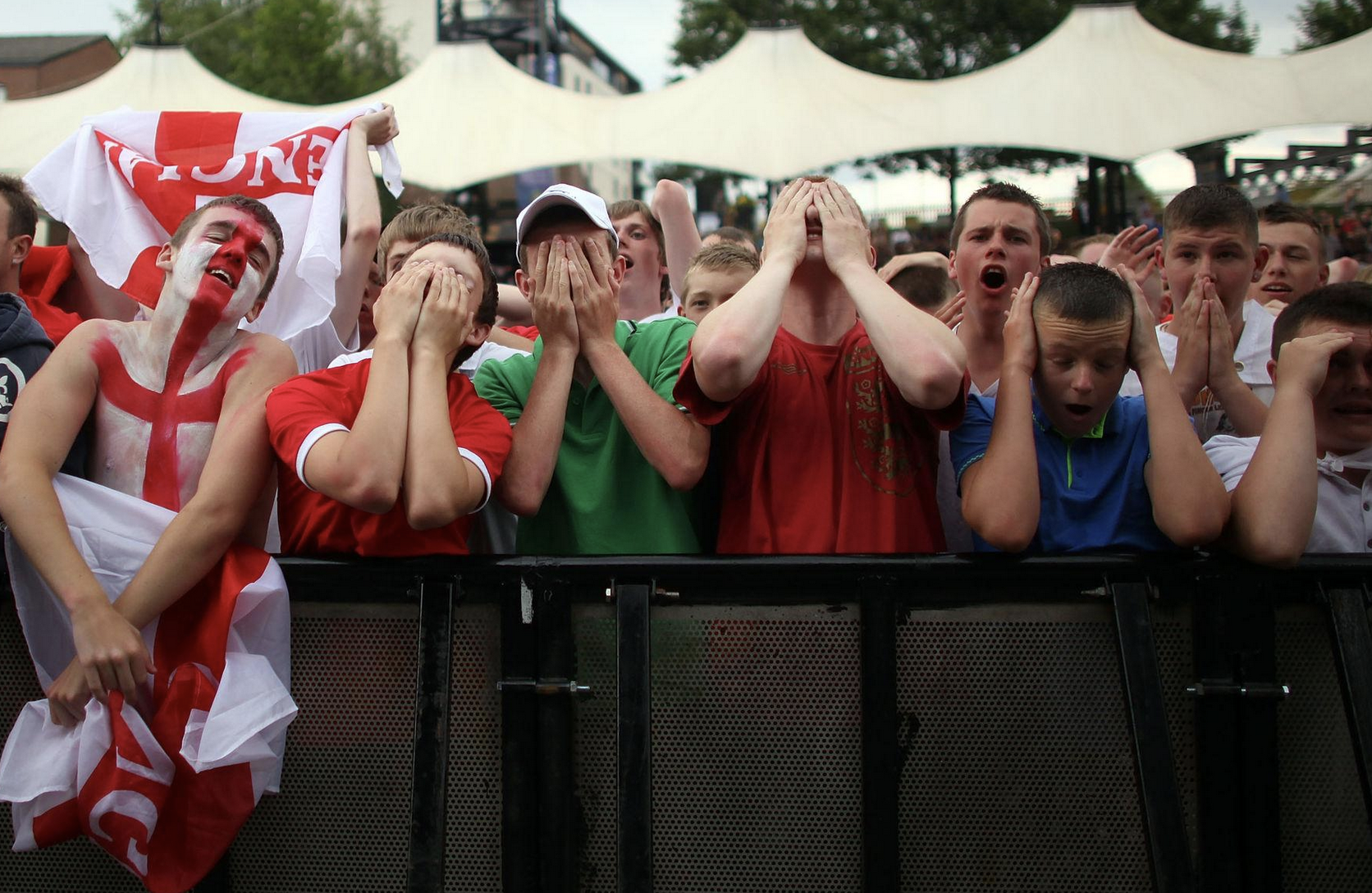
The anguish of the England fan
I keep hearing and reading the same story.
Fans who have saved for years.
Planned the trip.
Built it into something close to a life moment.
A World Cup that is bigger than ever before.
And yet, somehow, harder to access.
Because now there is something new waiting for them.
Dynamic pricing.
What is that?
It means the price moves.
Not just a little.
Constantly.
It is the same system used for major concerts and events in the United States.
The kind where tickets for artists like Taylor Swift surge within minutes, or where premium sporting events price themselves according to demand.
Now imagine trying to run a football tour around that.
Flights, hotels, schedules, everything locked in…
Except the one thing that matters most.
Getting in.
What is dynamic pricing?
Dynamic pricing is exactly what it sounds like.
The price is not fixed.
It shifts depending on demand, timing and behaviour.
The same seat, for the same match, can cost very different amounts depending on when you buy and how many others are trying to buy it.
It is already common in airlines, hotels and concerts.
Now it has arrived at the World Cup.
For 2026, FIFA will use it for ticket sales.
Which means there is no true face value.
Only a moving target.
What it actually costs
This is where it becomes real.
Tickets are advertised from around $60 USD for the lowest category seats.
But that is only part of the story.
Typical ranges look like this:
Group matches: roughly $100 to $575 USD
Opening match: up to around $2,700 USD
Round of 16: around $220 to $890 USD
Quarter-finals: up to around $1,600 USD
Semi-finals: up to around $2,700 USD
And the final?
Originally priced around $6,700 USD at the top end.
Now, with dynamic pricing, it has climbed to around $10,000 USD and beyond.
Hospitality packages sit in a completely different world again, stretching into tens of thousands.
So yes, there are cheaper tickets.
But they are limited.
And the real experience sits much higher.
Why it exists
The logic is simple.
Maximise revenue.
The 2026 World Cup is being played largely in the United States. A premium market with enormous demand and spending power.
If people are willing to pay more, the system allows FIFA to charge more.
FIFA would argue this reflects demand, not exclusion.
From a business perspective, it makes sense.
From a football perspective, it raises questions.
Where it becomes uncomfortable
Football has never behaved like a normal market.
It has always carried something more.
Access.
The World Cup was something you could plan for.
Save for.
Work toward.
Now, the price is unpredictable.
Supporters do not know what they will pay.
When they should buy.
Or whether they will be priced out entirely.
And that uncertainty changes everything.
Who this favours
Dynamic pricing does not treat all supporters equally.
It favours those with flexibility.
Those with higher disposable income.
Those buying an experience rather than living it.
And slowly, almost invisibly, it pushes others out.
The supporter who saves for years.
The families who plan together.
The next generation hoping to feel it for the first time.
Still there.
Just further away.
From Australia, you are already looking at thousands in flights alone. Add accommodation, time away from work, and suddenly a single match is not just a ticket.
It is a financial commitment.
The atmosphere question
This is the part that matters most.
Because pricing is not just about money.
It shapes who turns up.
I felt this sitting at Etihad Stadium.
The football was exceptional.
Technically brilliant.
But the crowd felt different.
Full of visitors. Experience seekers. People passing through.
Not worse.
Just less alive.
The football was still fabulous.
But the atmosphere had been curated, not created.
A preview of what is coming
That experience stays with me now.
Because it felt like a glimpse of where this is heading.
This is also the first World Cup with 48 teams. Bigger than ever before. More matches. More nations. More opportunity.
And yet, for many, less access.
The World Cup will not struggle to sell tickets.
The stadiums will be full.
But full of a different mix.
More corporate.
More curated.
Less organic.
And that changes the feeling of the game.
What we risk losing
The World Cup was never just about what happens on the pitch.
It was about colour.
Noise.
Identity.
Belonging.
It was about standing next to someone from the other side of the world and feeling part of the same thing.
That cannot be priced dynamically.
The bigger question
So the question is not whether dynamic pricing works.
It does.
The question is what it changes.
Because once you shift who the game is for,
you shift what the game becomes.
It’s not too late
There is still time to think carefully about this.
Not to reject modern systems.
But to protect what matters.
Because once the authentic fan is priced out,
they do not come back.
And when that happens, the World Cup does not disappear.
It just quietly stops belonging to everyone.