Football Faces Tasmania Peter Mies
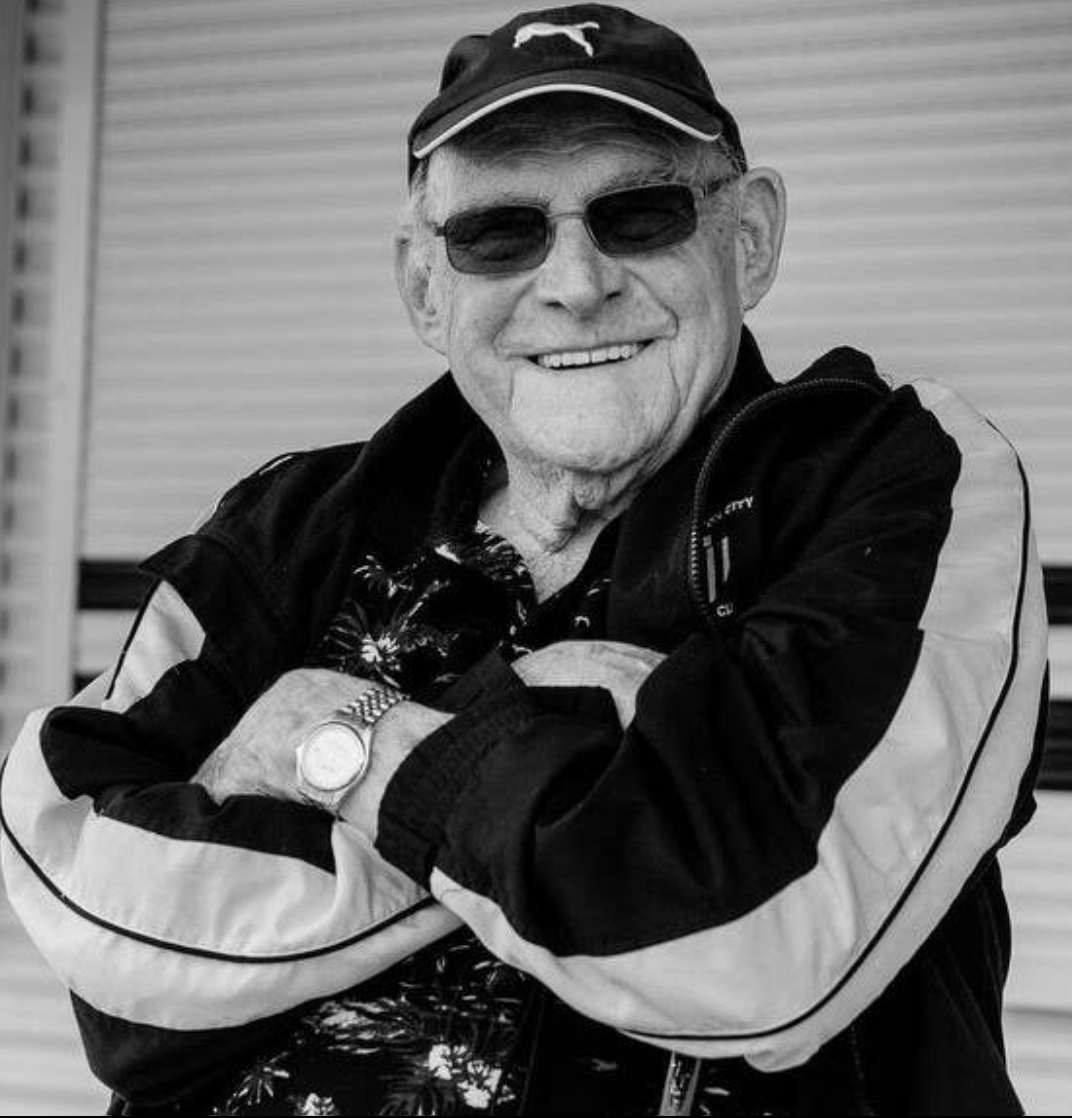
Peter Mies at Launceston Juventus.
Photo: The Examiner.
I interviewed Peter Mies some time ago, never imagining I would one day be sharing his words after his passing.
Peter’s life in football spanned decades, continents, clubs, and generations. He played, coached, captained, administered, volunteered and supported the game in Tasmania for over sixty years. More than that, football was how he found belonging as a migrant, how he built lifelong friendships and how his family remained connected across three generations.
This interview is shared largely in Peter’s own words. I have resisted the urge to polish or rewrite them. What follows is not a tribute written about him but a record of how he spoke about the game he loved, the people who mattered most to him and the life football gave him.
What are your first football memories and did any particular person instil a love of football into you?
On the push bike early Saturday mornings in Holland, aged seven. Playing football in the snow. It did not matter what the weather, I just loved to play.
How long have you been involved in football and what roles have you played?
I have been involved for seventy-five years. I have been coach, captain, Tasmanian representative, president, life member. I am still Club Patron of Launceston Juventus, LCFC.
You name it. I have done it.
Tell us what football was like in Tasmania when you first got involved. Was it better, worse, different? How has it changed?
Many players were migrants that came from Europe. The standard was generally better, some teams were better for sure. The players are generally fitter now though.
Did you have role models or football heroes, or anti-heroes for that matter?
Didi, Garrincha, Pelé, Cruyff, Maradona, Messi.
How has football affected you and your family?
When I arrived in Tasmania as a migrant, it was great to have football here so that I could continue playing and continue my love of the game. It was a great way to meet new people and make new friends that also loved the beautiful game.
I have continued this love of the game in Tasmania for over sixty years in all capacities. I have been fortunate to be involved as a player and coach and to win every major trophy on offer in Tasmania.
Football has been a massive part of my family, going across three generations, starting with me and still going strong. I have been fortunate that my son Roger had a great career and I followed him very closely. I also have five grandchildren that have all played football and I have followed them all through their childhood.
Roger’s children, Noah and Ryan Mies, in Launceston, and my daughter Olga’s children, Sam, Zac and Olivia Leon, in Hobart.
I always went with Roger everywhere, including interstate to watch him play as a junior, and then through his senior career. I never missed a game.
I also went interstate to watch my grandsons Noah and Ryan play. I would be watching Noah and Ryan play every weekend in Launceston, and if I was not watching them, I would be in Hobart watching Sam, Zac and Olivia.
Noah, Newcastle Olympic, and Olivia, Clarence Zebras, are still playing. I watch Noah every week on TV on YouTube. I am still very black and white when I watch Launceston City play every week.
Football has given a lot back to me.
Which Tasmanians have affected your involvement in football, both on and off the field, and why?
The biggest influence on my football career has been my beautiful late wife, Christina. She stood by me in everything in life and supported me in every role I had in football.
Christina also became a very well-deserved life member of Launceston Juventus, LCFC, for the many years she ran the club canteen. I lost count.
She always made the hamburgers fresh by hand the night before, as well as organising everything for game day. She helped with any club activities and loved watching me, her son, and her grandchildren play.
She was a great supporter of Launceston Juventus, LCFC, and football in general. A true lady.
If you could make any changes to Tasmanian football, what would you do?
Some aspects of the administration of the game. With all the computers and the like these days, something that should be relatively simple, such as rostering, seems to throw up outcomes that do not make much sense.
The rostering seemed more straightforward when it was run by volunteers with a pen and paper.
Looking back on your football life, what do you think your legacy to the game in Tasmania might be?
I began an amazing family dynasty, where myself, my son Roger, and my grandson Noah are the only family in Tasmanian football history to have three consecutive generations play for Tasmania.
I have overseen the rise of Launceston Juventus as a football powerhouse in Tasmania and have been involved in winning every major trophy available in the state. We are the only club in the north of the state that have played in every year of the State League or NPL since the 1960s.
I have always been an advocate for improving the standard of football in Tasmania and was instrumental in bringing key import players to Tasmania, for example Peter Savill, Peter Sawdon and the Guest brothers. These players helped raise the standard of the game through their own playing quality, but also gave back to Tasmanian football and worked with local players and juniors so they could improve for the betterment of the game.
I am very proud to be the Club Patron at LCFC.
I always played the beautiful game with total passion and commitment, hard but fair. I have kept that philosophy in the way that I have lived my life.