Football Is Memory: Where English Premier League Club Names Came From
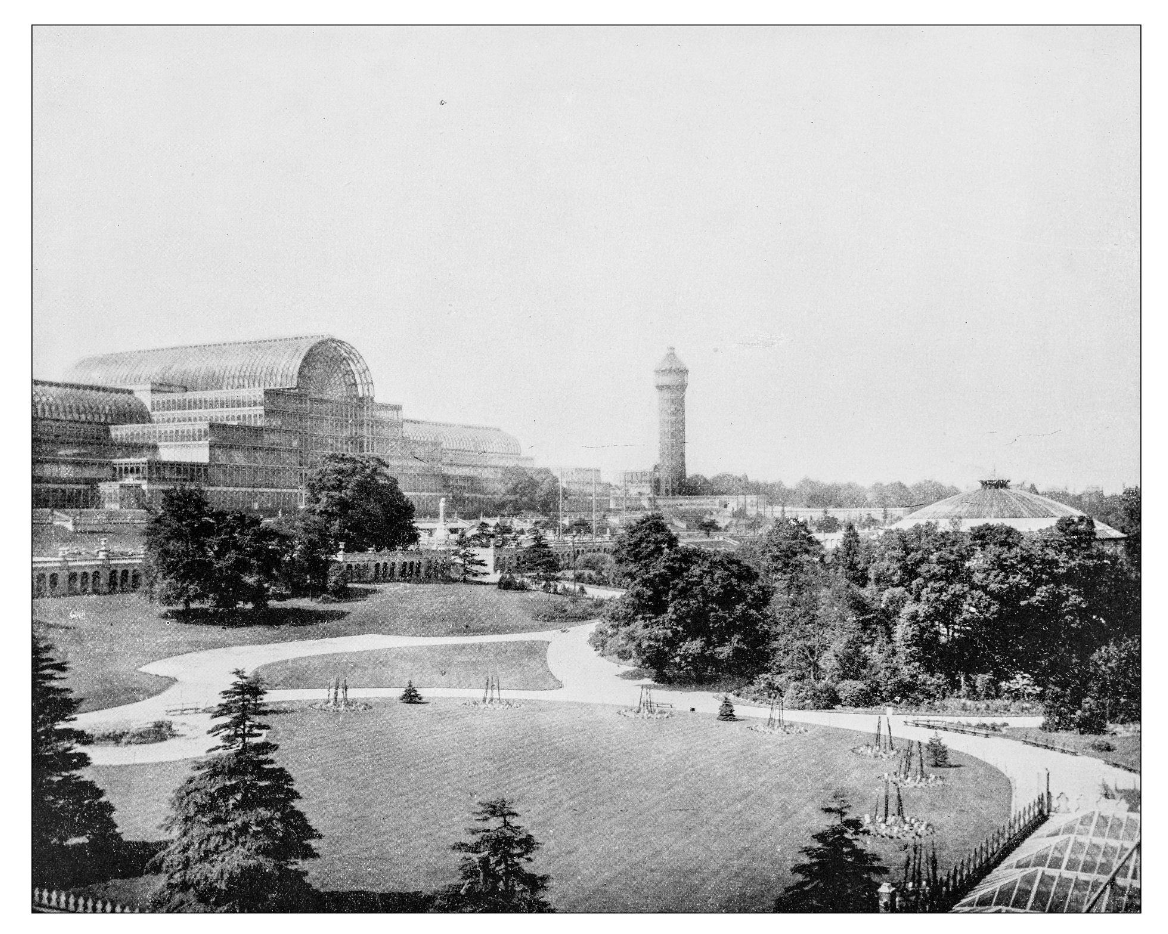
Antique photograph of the Crystal Palace at Sydenham(London,England)-19th century
Where Did Premier League Club Names Come From?
In Tasmania, you can walk into any café on a Monday morning and hear people arguing about Liverpool or Arsenal.
Children wear Manchester City shirts to school. Parents stay up at 3.45am to watch Tottenham away games. We follow these clubs like they live down the road.
But most of us have no idea where the names came from.
They sound permanent.
They sound inevitable.
They were chosen by teachers, shipbuilders, railway workers, church groups and factory staff who wanted a winter game.
That is the part of football we forget.
And if you scroll to the bottom, there is a simple Football 101 appendix with all 20 current Premier League clubs and where their names came from. Once you know the stories, you hear those names differently.
Football Started With Ordinary People
Most English clubs were not born glamorous.
They were born ordinary.
Workers at a munitions factory formed Arsenal.
Shipbuilders at Thames Ironworks formed West Ham.
Railway workers created Newton Heath, later Manchester United.
Teachers started Sunderland.
Church congregations started Everton and Fulham.
These were winter activities. Community exercise. Social glue.
Not brands. Not franchises. Not broadcast products.
Just people who wanted a game.
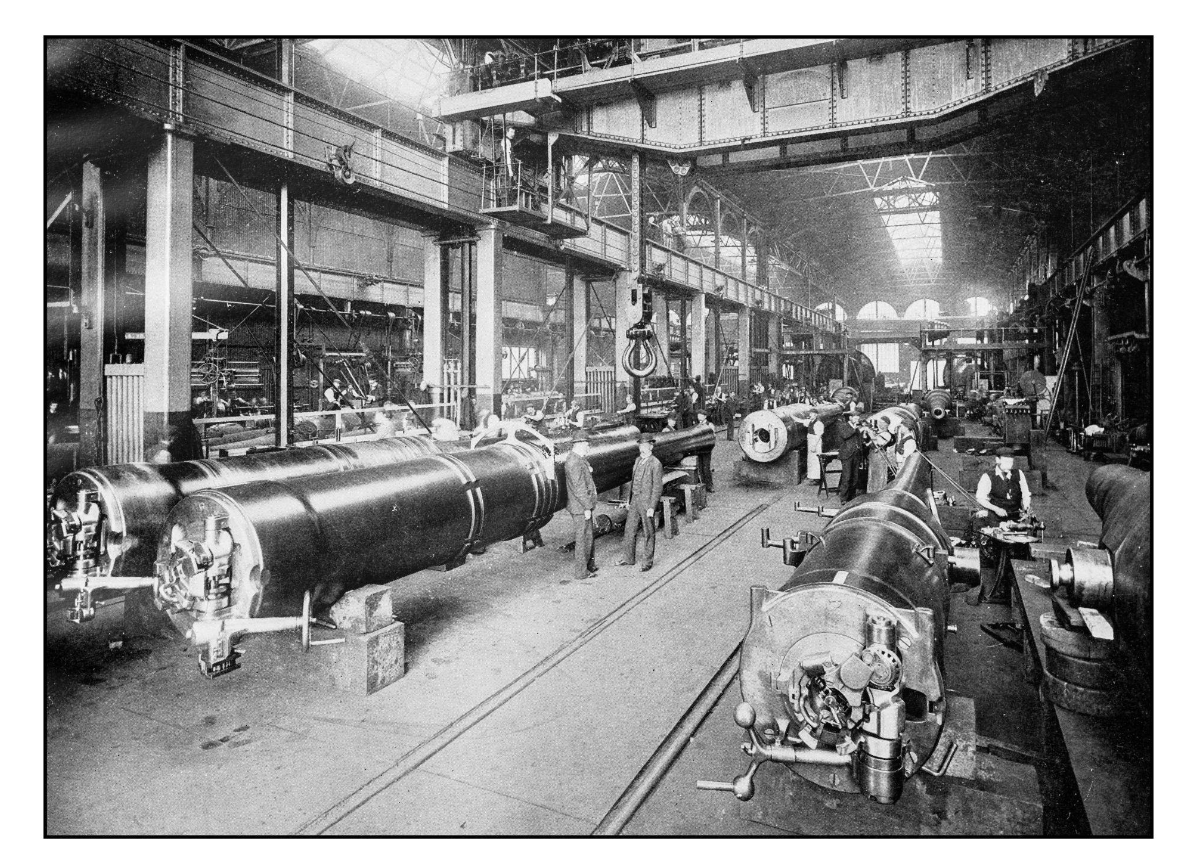
Antique London's photographs: Royal gun factory, Woolwich Arsenal
Towns That Wanted To Be Seen
Other clubs were simply about place.
Brighton & Hove Albion. Nottingham Forest. Newcastle United. Aston Villa.
Names that said, we are here.
Sometimes a merger created the name. Newcastle United, two rival sides becoming one.
Sometimes it marked geography. Aston Villa, named after a house near a chapel.
Sometimes it was civic pride.
We understand that in Tasmania. Clubs carry suburbs, migrant histories, schoolyards, and council grounds in their names. That is why people fight so hard when someone suggests changing one.
Because you are not changing a logo.
You are rewriting memory.
Accidents That Became Identity
Some names happened by mistake.
Brentford’s nickname came from students shouting “Buck up Bs” and a journalist mishearing it.
Chelsea was chosen because Fulham already existed nearby.
Tottenham Hotspur came from a medieval knight written about by Shakespeare.
Football history is full of tiny accidents that became permanent.
A strip colour that sticks for 100 years.
A ground you never quite leave.
A nickname shouted from the sideline that suddenly becomes the club.
What This Means For Us
This is why football arguments about names get heated.
It is not branding.
It is belonging.
In Australia we asked ethnic clubs to drop identity markers to join national competitions. We still pretend that did not matter.
But names are history.
And history does not disappear because a federation says so.
When clubs lose their names, or their grounds, or their stories, something else goes with it.
Continuity.
Memory.
Place.
That is why a tiny junior club badge matters as much as a Premier League crest.
They both hold a story.
Next Time You Say A Club Name
Pause for a moment.
Ask yourself
Who started this club
Why did they meet
What job did they do
What did they want for their town
Because football did not start in boardrooms.
It started in chapels, factories, classrooms, and muddy parks.
And every club name still carries that truth.
The 20 Premier League Clubs And Their Name Origins – Football 101
A quick guide to where the names really came from.
Arsenal
Founded in 1886 by workers at the Royal Arsenal munitions factory in Woolwich. They later moved across London but kept the name. Their nickname, the Gunners, still honours the factory.
Aston Villa
Named after Aston Villa House near Aston parish. Members of a Wesleyan chapel cricket club formed a winter football team, and the name stayed.
Brentford
Local rowing and cricket club members voted to start a football team. The Bees nickname came from a misheard chant of “Buck up Bs”.
Brighton & Hove Albion
Named after the two towns. Albion was added without a clear reason, possibly copying a successful club of the time.
Burnley
Started by Burnley Rovers rugby club members who switched to football. They later adopted claret and blue to honour Aston Villa.
Chelsea
Stamford Bridge owners wanted a club for their new stadium. Fulham refused to move there, so they created their own club and named it after the neighbouring borough.
Crystal Palace
Named after the huge glass exhibition building moved to south London after the Great Exhibition of 1851. Early teams played on land linked to the exhibition.
Everton
Started at St Domingo Methodist chapel to keep cricketers active in winter. Renamed Everton so non-church players could join.
Fulham
Formed by a schoolteacher and churchwarden at Fulham St Andrew’s Church. Later shortened to Fulham. Their nickname, the Cottagers, comes from Craven Cottage ground.
Leeds United
Created in 1919 after Leeds City were expelled for financial issues. The new club took Elland Road and continued football in the city.
Liverpool
Born when Everton left Anfield over a rent dispute. Stadium owner John Houlding formed a new club to use the ground.
Manchester City
Started as St Mark’s Church team in Gorton. Became Ardwick, then Manchester City after financial trouble.
Manchester United
Founded by railway workers at Newton Heath depot. Nearly called Manchester Celtic before settling on Manchester United in 1902.
Newcastle United
A merger of Newcastle East End and Newcastle West End clubs. The name United marked the joining of rivals.
Nottingham Forest
Named after playing on Forest Recreation Ground near Sherwood Forest.
Tottenham Hotspur
Named after Sir Henry Percy, nicknamed Harry Hotspur, a fiery medieval knight. Tottenham was added later to avoid confusion with another Hotspur club.
Sunderland
Started by schoolteachers wanting winter recreation. Opened to the public soon after.
West Ham United
Formed by workers at Thames Ironworks and Shipbuilding Company. The Irons nickname remembers that shipyard origin.
Wolverhampton Wanderers
From Blakenhall Wanderers cricket team who had no fixed ground and wandered between venues. When they merged with St Luke’s Church team, Wolverhampton Wanderers was born.