If I Were CEO
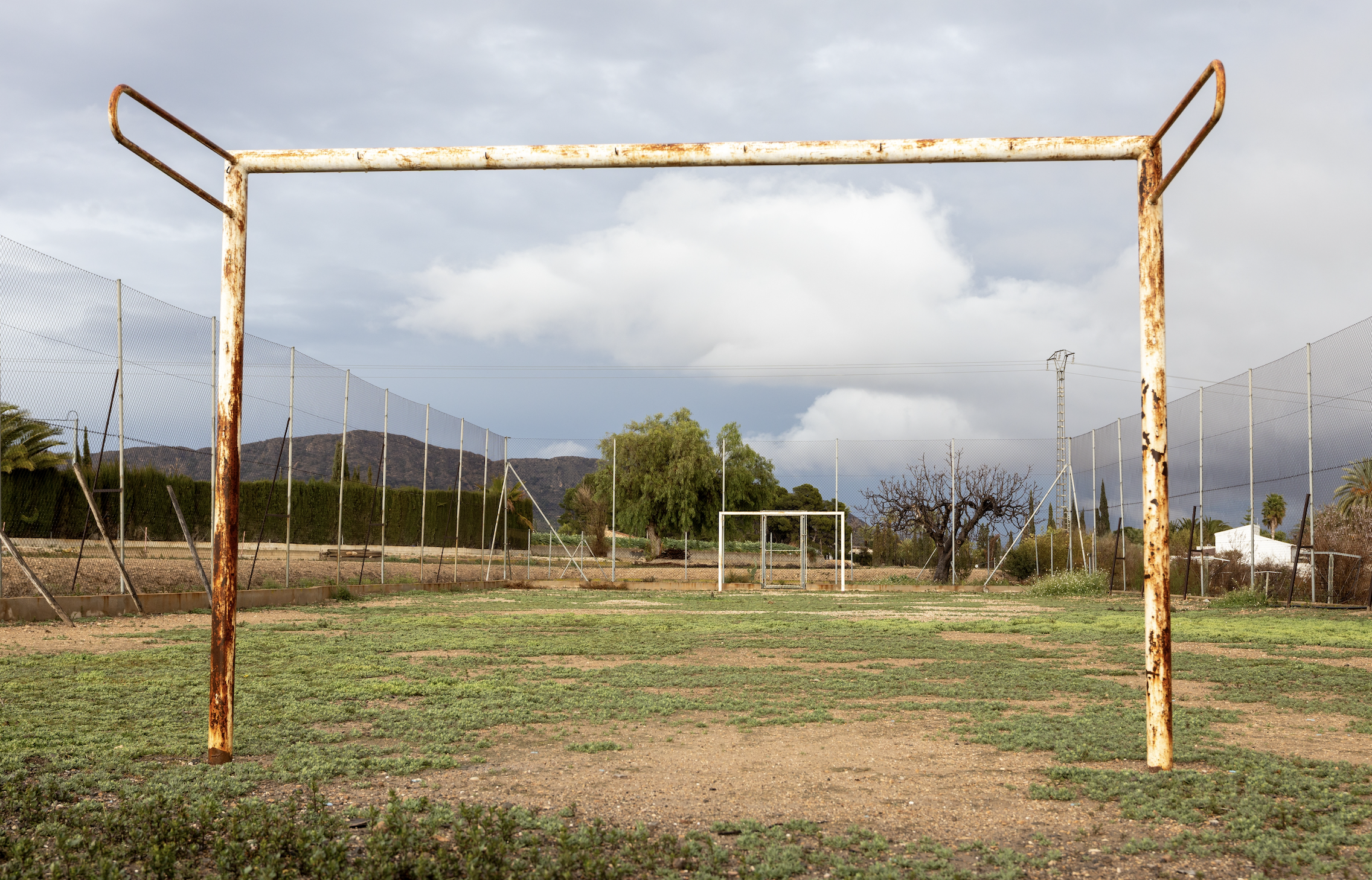
This is a daydream, not an application.
I am not settling scores.
I am simply imagining what football leadership could look like if it were grounded in lived experience and genuine care for the game.
I would be present
I would go to games.
Not just finals or showcase events, but ordinary weekends. Junior grounds. Women’s matches. Regional football.
I would show my face.
Stand on the fence. Talk to parents, volunteers, coaches.
You cannot understand football from reports alone.
You understand it by being there.
I would change the relationship
The relationship between a governing body and its clubs should not feel like master and servant.
I would work in partnership with clubs and associations.
Listen first. Collaborate. Support.
Football Tasmania exists because clubs and associations exist, not the other way around.
I would give clubs and associations certainty
Junior football is the breeding ground for all football.
It always has been.
I would give associations the care they deserve. Not try to take them over, but work alongside them. Ask what they need. Understand their pressures. Discuss how Football Tasmania can assist.
Strong associations create strong clubs.
Strong clubs create strong competitions.
I would be decisive, even when it is uncomfortable
I would make decisions that strengthen competitions. Some would be unpopular. That is part of leadership.
What we cannot keep doing is endlessly changing structures. Constant review creates instability. Clubs plan in good faith, then have the ground shift beneath them again.
Certainty matters.
Stability matters.
I would stop outsourcing football knowledge
I would not hire consultants.
Tasmania is full of people with deep football knowledge. People who have coached, administered, volunteered and led clubs for decades. People who understand the terrain, the constraints and the culture.
We already have the brains.
We simply need to trust them.
I would strengthen clubs, not compete with them
Clubs do the work cheaply, on a volunteer basis, week after week, year after year.
Development should be supported at club level, not outsourced to competing programs. The role of Football Tasmania should be to enable clubs, not undermine them.
Help with workload.
Help with facilities.
Help with coach development.
Do not compete with the very organisations holding the game together.
I would return Football Tasmania to basics
Competitions.
Coach education.
Promoting the game.
That includes recognising that junior and youth football exists. I would include it visibly in Football Tasmania’s communications and social media. It is not peripheral. It is the foundation.
I would focus on practical support
Football does not function without the basics.
Goals.
Nets.
Equipment.
Providing the tools of the game should never be an afterthought.
Child safeguarding would be non-negotiable
If football is not fun and children are not safe, what is the point of anything else?
Child safeguarding would be the number one priority. Not just as a policy document but as a lived commitment, properly resourced, supported and enforced.
I would be a strong government liaison
I would advocate for football properly.
With councils. With government. With funding bodies.
I would understand the football landscape well enough to speak for it honestly and forcefully and to translate that reality clearly to decision makers.
I would be a genuine conduit between members and the Board
In most cases, the only way clubs and associations can speak to the Board is through the CEO.
That makes the role critical.
I would see it as my responsibility to ensure members are genuinely heard, not filtered, softened, or reshaped for convenience. The Board deserves to understand what is actually happening on the ground, even when that feedback is uncomfortable.
Being a conduit is not about protecting the organisation from its members.
It is about ensuring the organisation remains accountable to them.
I would advocate strongly for clubs and associations in Board discussions and just as strongly communicate Board realities back to the football community, honestly and clearly.
Trust is built when people believe their concerns travel intact.
I would lift the bar on governance
Transparency matters.
Clarity matters.
Trust matters.
Good governance is not a burden. It is what allows people to stay involved without burning out or becoming cynical.
I would be honest about conflicts of interest
Tasmania is a small football community.
Conflicts of interest cannot be eliminated and pretending otherwise is unhelpful.
People wear multiple hats. They always have.
The answer is not denial.
The answer is transparency.
Interests should be declared clearly and without embarrassment. Where necessary, people should absent themselves from decisions. Then the work continues.
What damages trust is not the existence of conflicts but the failure to acknowledge them.
Good governance in a small state means being realistic, not performative.
I would communicate early, not perfectly
I would talk to clubs early, even when all the answers were not yet clear.
Football people understand uncertainty. What they struggle with is silence. Waiting for perfectly polished announcements often does more damage than sharing honest, incomplete information and bringing people along.
I would actively protect volunteers from burnout
Every new requirement, every late change, every additional report costs someone time. Usually on a Sunday night.
I would design systems with unpaid people in mind. Reduce duplication. Avoid mid-season changes. Treat volunteer time as the precious resource it is.
I would slow the cycle of constant reform
Football in Tasmania lurches from review to review, restructure to restructure.
Sometimes the strongest leadership decision is to stop changing things and let the game breathe. Stability allows clubs, associations and volunteers to plan, recover, and build properly.
I would understand the difference between equality and equity
Treating everyone the same is not the same as treating everyone fairly.
Junior football, regional football, women’s football and senior competitions all need different forms of support. One-size-fits-all policy might look neat on paper but it rarely works on the ground.
I would measure success differently
I would not measure success by how many programs Football Tasmania runs, how many reviews are commissioned or how much activity is visible at head office.
I would measure success by whether clubs feel supported, volunteers stay involved, competitions are stable and children keep playing the game.
I would mentor, not just manage
Leadership is not only about administration. It is about stewardship.
I would actively mentor emerging administrators, support people stepping into difficult volunteer roles and pass on knowledge deliberately, rather than letting experience disappear when people burn out or walk away.
And yes, I would care
I care about football.
I love the game.
Caring is not a weakness in leadership. It is the reason people stay when things are hard.
The bigger picture
What I am describing is not innovation.
It is not radical reform.
It is leadership shaped by time spent inside the system, by mistakes made, by responsibility carried and by a deep affection for the game.
It is what football leadership looks like when the goal is not control, but care.
About the author
I’m Victoria Morton. I’ve spent 20 years in Tasmanian football as a volunteer, club leader and advocate.
I’m writing a personal record of what I’ve seen, what I’ve learned and what Tasmania’s football community lives every week.
👉 Read more about me here: About Victoria