Should the CEO of Football Tasmania Live in Tasmania?Part Two: Why Presence Matters in Community Sport:
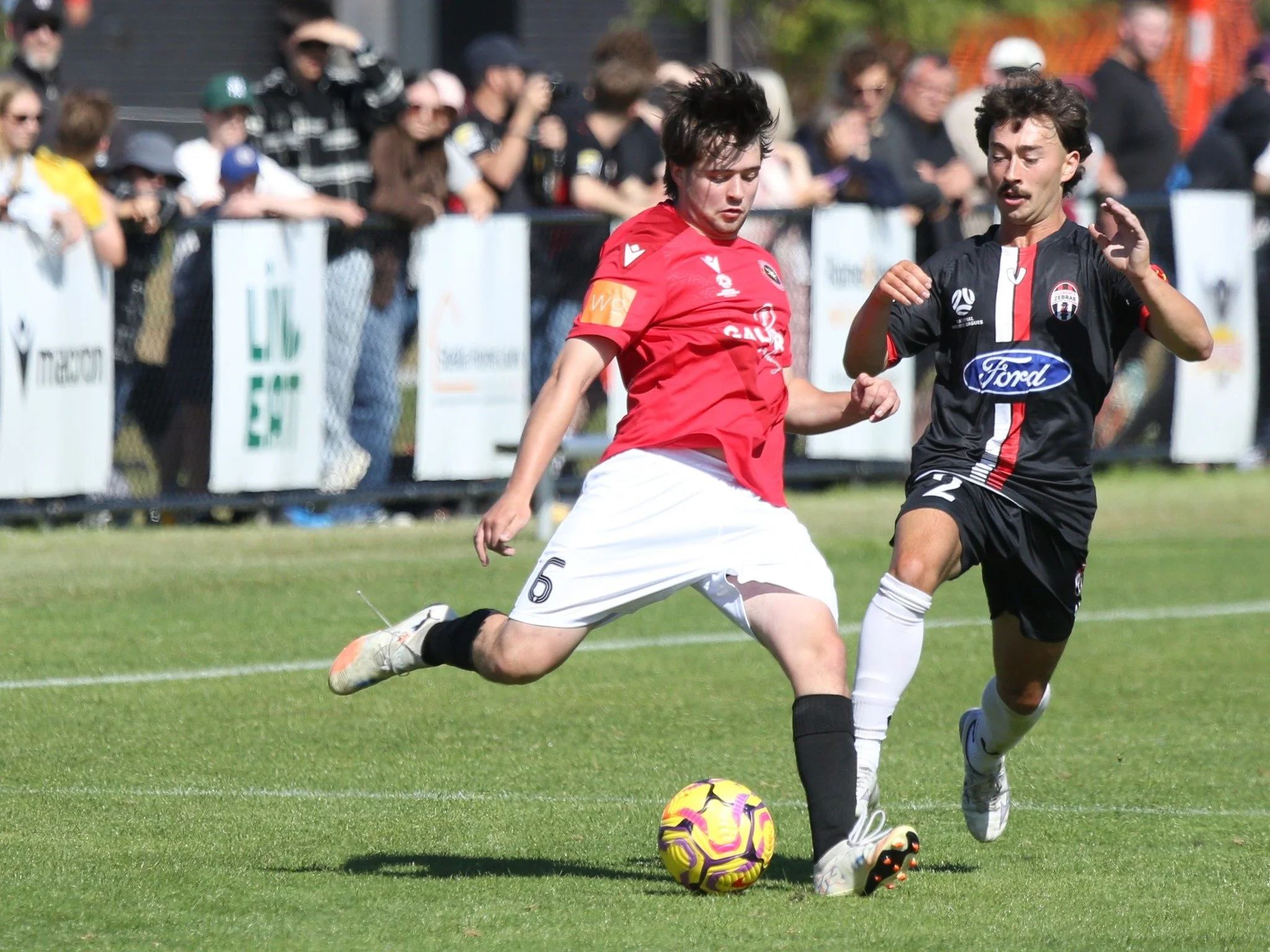
Photo courtesy of South East United Football Club - game day one NPL 8 March 2026
In my previous post I asked a simple question.
Should the CEO of Football Tasmania live in Tasmania?
That question prompted some thoughtful responses.
But the deeper issue is not really about an address on a driver’s licence.
It is about something more fundamental.
Presence.
That is why questions about where leadership is based are not trivial in community sport.
Community sport runs on relationships
Grassroots sport operates very differently from professional sport.
Professional sport runs on contracts, commercial deals and formal structures.
Community sport runs on relationships.
Volunteers know each other. Clubs talk regularly. Referees travel across regions. Parents step in to coach when teams need help. Committee members quietly solve problems behind the scenes.
These networks of relationships sustain the game.
Leadership that understands those networks is better equipped to support them.
Authority is earned in volunteer sport
One of the realities of volunteer sport is that authority does not automatically come with a job title.
Volunteers give their time freely. They are not employees.
Respect and credibility develop differently in this environment.
Authority in volunteer sport is rarely granted by title alone. It is earned through engagement.
Leaders who spend time within the competitions they oversee develop a deeper understanding of the environment they are responsible for.
That understanding builds trust.
What leaders learn from being present
Being present within the game reveals things that rarely appear in reports or strategy documents.
The pressures volunteers carry. The condition of facilities. The way safeguarding practices operate in practice. The barriers families navigate in order to keep their children involved in sport.
These realities shape the health of community sport, but they are often invisible in formal reporting.
Leaders who spend time within these environments see the sport as it is actually experienced by the people who sustain it.
That understanding leads to better decisions and stronger advocacy.
Listening before reacting
Presence is also about listening.
Good leaders spend time speaking with volunteers, referees, coaches and parents. They ask questions. They listen carefully before responding.
Those conversations often reveal insights that would otherwise remain hidden.
Over time this kind of engagement builds credibility.
In volunteer sport, where so much work is done quietly and without recognition, credibility matters.
Leadership requires emotional intelligence
Leadership in community sport is not only administrative.
It requires emotional intelligence.
Leaders must understand the people, places and relationships that sustain the game. They must recognise the pressures volunteers carry and the challenges clubs face.
That understanding rarely develops from distance.
It develops through engagement.
Authentic presence
The most effective leaders often do this quietly.
They attend competitions, visit clubs and speak with volunteers not because they need to be seen, but because they genuinely want to understand the sport they lead.
Presence in community sport is not about appearances.
It is about connection.
Leadership signals
Leadership behaviour sends signals.
When leaders spend time within the environments they govern it communicates something important.
It shows that those environments matter.
Volunteers notice these things.
In community sport, small signals of respect and engagement can make a significant difference.
Leadership embedded in place
Researchers who study regional governance often talk about something called place-based leadership.
The idea is simple.
Leaders are most effective when they are embedded within the communities they serve.
Community sport is a clear example of this.
Clubs, volunteers, referees, parents and players form a social ecosystem that sustains participation.
Understanding that ecosystem requires more than occasional visits or formal engagements.
It requires leaders to spend time within it.
Looking ahead
These reflections are not about individuals.
They are about how leadership works in community sport.
In the next article in this series I will explore another part of this question.
If authority in volunteer sport is earned rather than granted, how do leaders build that credibility?
It turns out the answer is surprisingly simple.
They show up, consistently, and over time.