Should the CEO of Football Tasmania Live in Tasmania?Part Three: The Board’s Responsibility
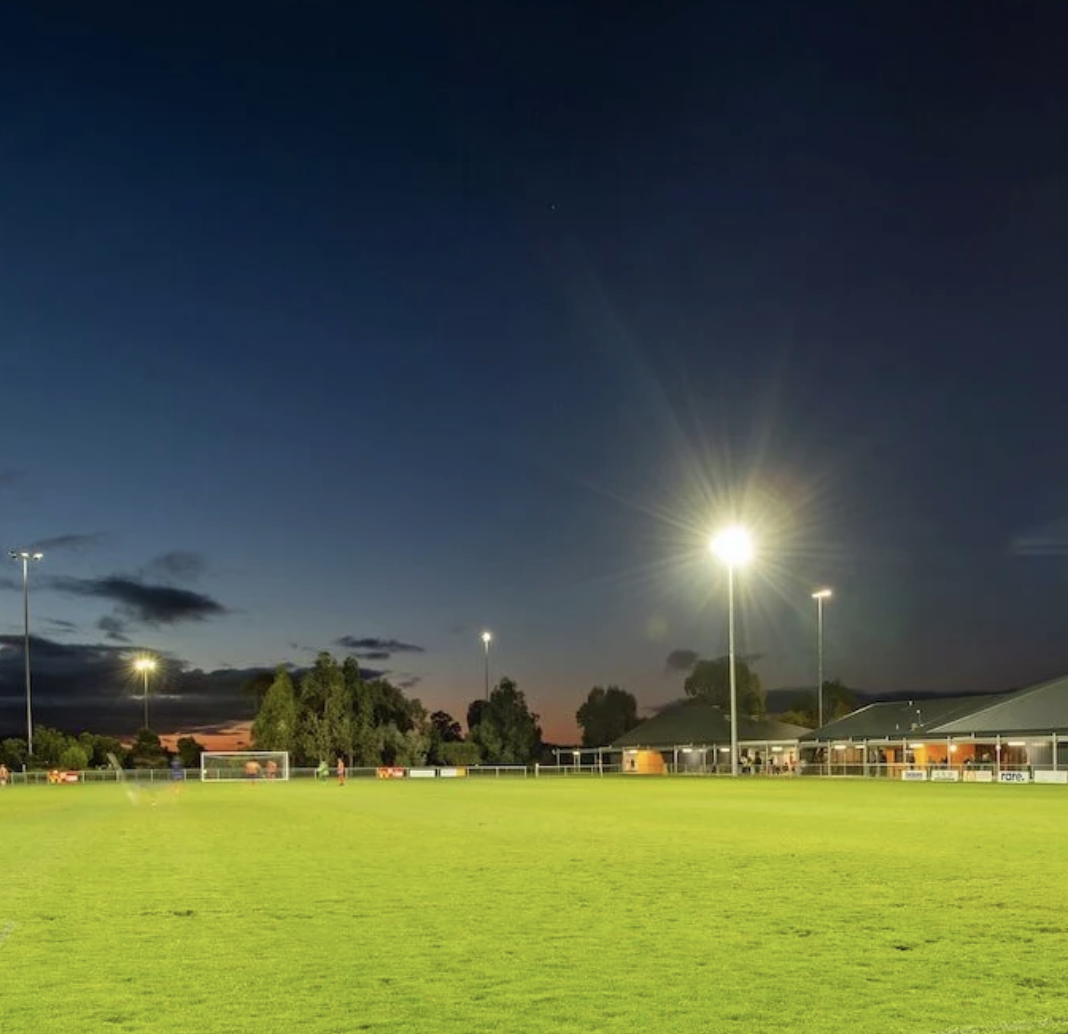
Riverside Olympic Ground - Launceston
In the first article in this series I asked a simple question.
Should the CEO of Football Tasmania live in Tasmania?
The second article explored why presence matters in community sport.
This final reflection looks at something closely connected to both ideas.
How governing bodies structure leadership so they remain connected to the communities they represent.
Because connection does not happen by accident. It is shaped by governance.
Volunteer sport works differently
Community sport does not operate like a corporate organisation.
Most of the people who sustain football in Tasmania are volunteers. Coaches, referees, committee members and parents give their time each week because they care about the game.
That means leadership operates in a different environment.
Authority cannot simply be exercised through hierarchy. Credibility has to be earned.
Clubs and volunteers quickly recognise whether leaders understand the realities of grassroots sport or whether their understanding comes second-hand.
Governance shapes leadership culture
Boards play a central role in shaping how sporting organisations operate.
They appoint senior leaders. They define expectations. They set the culture of the organisation.
If leadership becomes disconnected from the communities the sport serves, that is ultimately a governance decision.
If connection to the football community matters, it is the board’s responsibility to ensure leadership structures support that connection.
This is not a question of personalities. It is a question of governance.
Credibility comes from engagement
In volunteer sport credibility grows through engagement.
Leaders who spend time within the competitions they govern develop a deeper understanding of the ecosystem that sustains the game.
They see the pressures volunteers face. They hear directly from clubs. They understand how decisions affect communities on the ground.
Over time this builds trust.
When trust exists, even difficult decisions are easier for communities to accept.
Leadership behaviour sends signals
Leadership behaviour also sends signals about what matters.
When leaders regularly engage with the football community it demonstrates that grassroots football sits at the centre of the organisation’s priorities.
Volunteers notice these signals.
In community sport, where much of the work happens quietly and without recognition, visible engagement can mean a great deal.
Structuring leadership for connection
So how should governing bodies structure leadership in community sport?
There are no simple formulas, but a few principles are worth considering.
Leadership should remain embedded in the environment it serves.
Senior leaders should spend time within competitions and communities across the state.
Governance structures should encourage listening, engagement and visibility within the game.
These are not symbolic gestures. They are practical ways of ensuring leadership remains grounded in the realities of the sport.
A moment for reflection
Board elections are one of the moments when these questions matter most.
They are an opportunity for members to reflect on what kind of leadership culture they want for the game.
Members have an opportunity to consider what kind of leadership they want for the game.
Not just in terms of strategy and administration, but in terms of connection to the communities that sustain football across the state.
Returning to the original question
This brings the discussion back to the question that started this series.
Should the CEO of Football Tasmania live in Tasmania?
Reasonable people may hold different views on that specific point.
But the broader principle is harder to dispute.
Leadership in community sport works best when it remains closely connected to the community that sustains the game.
Presence builds understanding.
Engagement builds credibility.
Credibility builds trust.
And trust is one of the most valuable forms of leadership authority in volunteer sport.
The strength of Tasmanian football
Across Tasmania thousands of people contribute to football every week.
Players, coaches, referees, volunteers, parents and administrators all play a role in keeping the game alive in towns and suburbs across the island.
Their commitment is the foundation of Tasmanian football.
Governance that stays connected to that community strengthens the sport.
Governance that drifts away from it risks losing sight of the environment it exists to serve.
Ultimately, the question for any board is simple: does the leadership structure of the organisation reflect the community it exists to serve?
Like most people involved in Tasmanian football, I have volunteered and carried a load over many years.
That experience shapes how I see the game and sometimes brings a degree of frustration when the gap between governance and the grassroots feels too wide.
But it also brings a deep respect for the football community that exists across this state.
These reflections are offered in that spirit.
They are my own personal views and are not written on behalf of any football organisation I am involved with.