No Ref, No Game
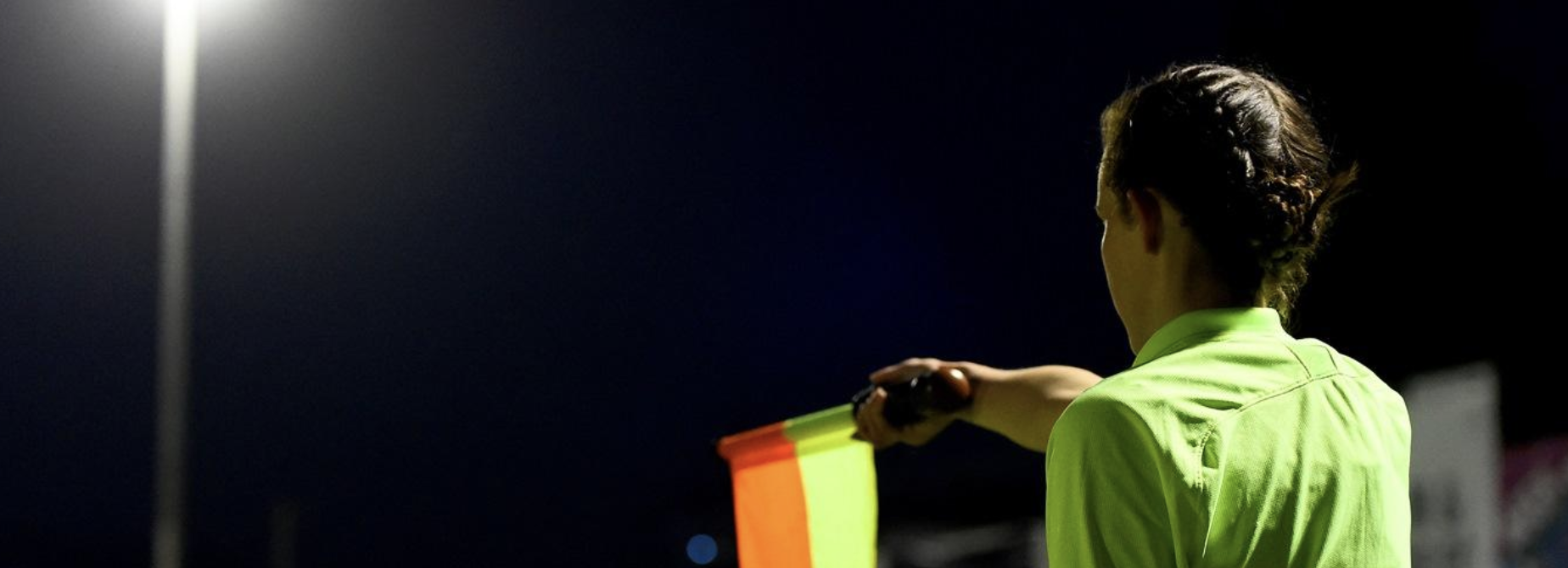
Well didn’t this hit a nerve?
Since publishing my piece on referee abuse yesterday, my inbox has quietly filled with messages.
Not from loud people.
Not from attention seekers.
From referees.
Parents.
Former referees.
Mentors.
Football people.
Many asking not to be named.
That alone tells a story.
People are not just commenting publicly. They are privately confiding. Sharing stories they have clearly carried for years. Asking me not to identify them because they fear backlash, judgement or consequences.
And honestly, that saddens me.
Because community football should not require anonymous whispers for people to feel safe telling the truth about their experiences.
“He fronted up the next day”
One message from a mother has stayed with me.
Her son was a talented young referee who loved football and had been identified as having real potential.
Then came the abuse.
At one junior match, a club official directed abusive language at him from the sideline. The young referee still had the courage to issue a red card while the abuse continued in front of players, spectators and his mother.
At another match, tensions escalated badly after a decision during the game.
The abuse continued afterwards.
People stayed with him because emotions remained heated and he was deeply upset by the experience.
And then came the line that really hit me.
“He fronted up the next day and didn’t feel he could share the experience.”
That is not resilience.
That is culture.
That is a young person learning to absorb abuse quietly because somewhere along the line football taught referees that this is simply part of the role.
The mother later wrote something else that stopped me:
“He needed the money but not the abuse.”
Eventually she could not make him go back.
And football lost another young referee.
“My main job is to keep them safe”
Another message came from a referee mentor.
“When I was a referee, it felt hugely rewarding to give something back to football,” they wrote.
“But now as a referee mentor, although it feels great to encourage young referees and guide their development, it’s a shame that I feel that my main job is just to keep them safe.”
Safe.
Not improve their positioning.
Not help with foul recognition.
Not confidence building.
Safe.
Think about what that says about where we are.
The normalisation of abuse
One of the strongest themes running through all these messages is how normalised referee abuse has become.
People know it is happening.
Clubs know it is happening.
Referees know which teams, grounds and fixtures they are likely to cop it at.
Parents know which games their children will dread officiating.
One parent wrote that when appointments came out, there were games their child was excited to referee and others they immediately dreaded.
That is heartbreaking.
Another former referee spoke about being repeatedly called a cheat by a club official during a senior match.
After the game the same people came over to shake hands.
The referee refused.
“If you can't be a civil human being during the game, don't pretend to be after it.”
And perhaps that is the uncomfortable truth sitting underneath all this.
Most people actually know the behaviour is wrong.
Otherwise they would not apologise afterwards.
Otherwise they would not privately message their support while publicly staying silent.
And I should say this too.
I am by no means perfect here.
Over the years I have probably bought into some of the language and rhetoric myself.
“Oh no, we’ve got him today.”
“He doesn’t do us any favours.”
That sort of thing.
Not screaming abuse from sidelines. But still contributing to a culture where referees become caricatures rather than people.
Maybe age changes you a little too.
Because as I have grown older, I find myself thinking more often about the fact that every referee is somebody’s son or daughter.
Somebody’s kid.
And would I want my own child treated the way some referees are treated in football?
No bloody way.
“No ref, no game”
Another parent wrote to me saying they suggested a campaign similar to those used interstate.
“No ref, no game.”
Simple.
True.
Because eventually people stop putting their hand up.
And the stories keep coming.
A referee room allegedly entered and communications equipment damaged.
Women leaving games in tears.
Young referees second guessing themselves after constant criticism.
Parents staying at grounds simply to emotionally support their refereeing child.
Former referees saying the support systems, communication and visibility around officiating have deteriorated badly.
Mentors trying to hold things together.
And threaded through all of it is the same quiet exhaustion.
Not outrage anymore.
Resignation.
“We know who the problem clubs are”
One line particularly struck me.
A parent recalled raising concerns about abuse and being told:
“We know who the problem clubs are.”
If that is true, then football does not have an awareness problem.
It has a courage problem.
And before everybody becomes defensive, this is not about pretending referees are perfect.
They are not.
Referees make mistakes.
Players make mistakes.
Coaches make mistakes.
Administrators make mistakes.
Football is emotional and imperfect.
But abuse should never become the accepted consequence of imperfection.
What are we teaching our children?
Several people contacted me about junior football specifically.
Parents abusing teenage referees.
Coaches modelling loss of emotional control.
Children hearing adults scream over throw-ins and free kicks.
And this matters because kids learn behaviour from us.
They absorb what football rewards.
If adults publicly humiliate referees every weekend, children begin seeing that behaviour as normal football culture.
And once behaviour becomes culture, it spreads.
One referee used the word “infects”.
That feels accurate.
More than just referees
What I am finding most interesting is that many people contacting me are not asking for sympathy.
They are asking to be heard.
There is a difference.
Again and again the messages carry the same emotional thread:
nobody listens
nothing changes
people quietly leave
everyone knows
few speak publicly
That should concern all of us.
Because football communities should have healthier ways to talk about difficult issues than anonymous blogs and private inboxes.
Yet right now many people clearly feel safer whispering these stories than openly attaching their names to them.
That tells its own story.
The saddest part
The saddest part in all of this is that most of the people writing to me still love football.
They are not enemies of the game.
They are football people.
People who gave years to refereeing, mentoring, coaching, supporting and volunteering.
People who wanted to contribute.
People who still care deeply.
And perhaps that is why these messages feel so heavy.
Because underneath the frustration is grief.
Grief for what the culture has become.
And somewhere in Tasmania tonight, another referee is looking at this weekend’s appointments wondering whether it is worth turning up again.