The Football That Waited 31 Years To Reach Space
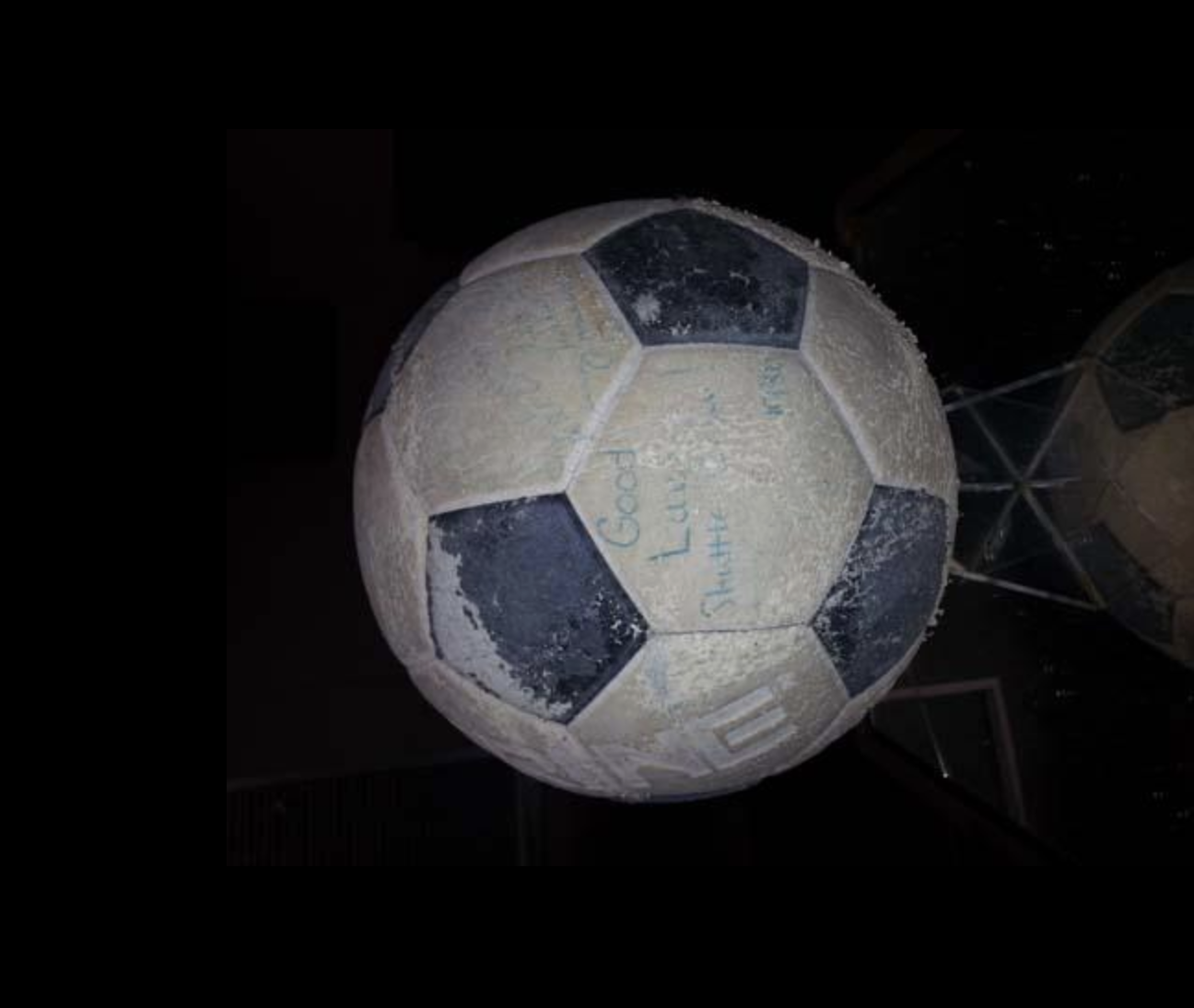
The Challenger Football with signatures still visible
In 1986, a soccer ball signed by a group of school students boarded the Space Shuttle Challenger.
It wasn't a special football.
It wasn't worth millions of dollars.
It wasn't used in a World Cup final.
It was simply a football signed by students at Clear Lake High School in Texas.
Among those signatures was that of Janelle Onizuka, daughter of astronaut Ellison Onizuka.
Onizuka carried the ball aboard Challenger as a way of taking a small piece of his community with him into space.
Nobody imagined the Challenger football would become part of one of the most emotional stories in the history of the game.
Seventy-Three Seconds
On 28 January 1986, Challenger launched from Florida.
Seventy-three seconds later it broke apart.
The disaster was broadcast live around the world.
All seven astronauts on board lost their lives.
Among them was Ellison Onizuka.
In the weeks and months that followed, recovery teams searched the Atlantic Ocean for debris and personal items.
Against all odds, the football was found.
Eventually it was returned to the school.
The football came home.
Ellison Onizuka did not.
For his daughter, it became one of the last physical connections to the father she had lost.
Every time she looked at it, she was looking at something that had made the journey with him.
Sometimes grief arrives in unexpected forms.
Sometimes it arrives in the shape of a football.
The Display Case
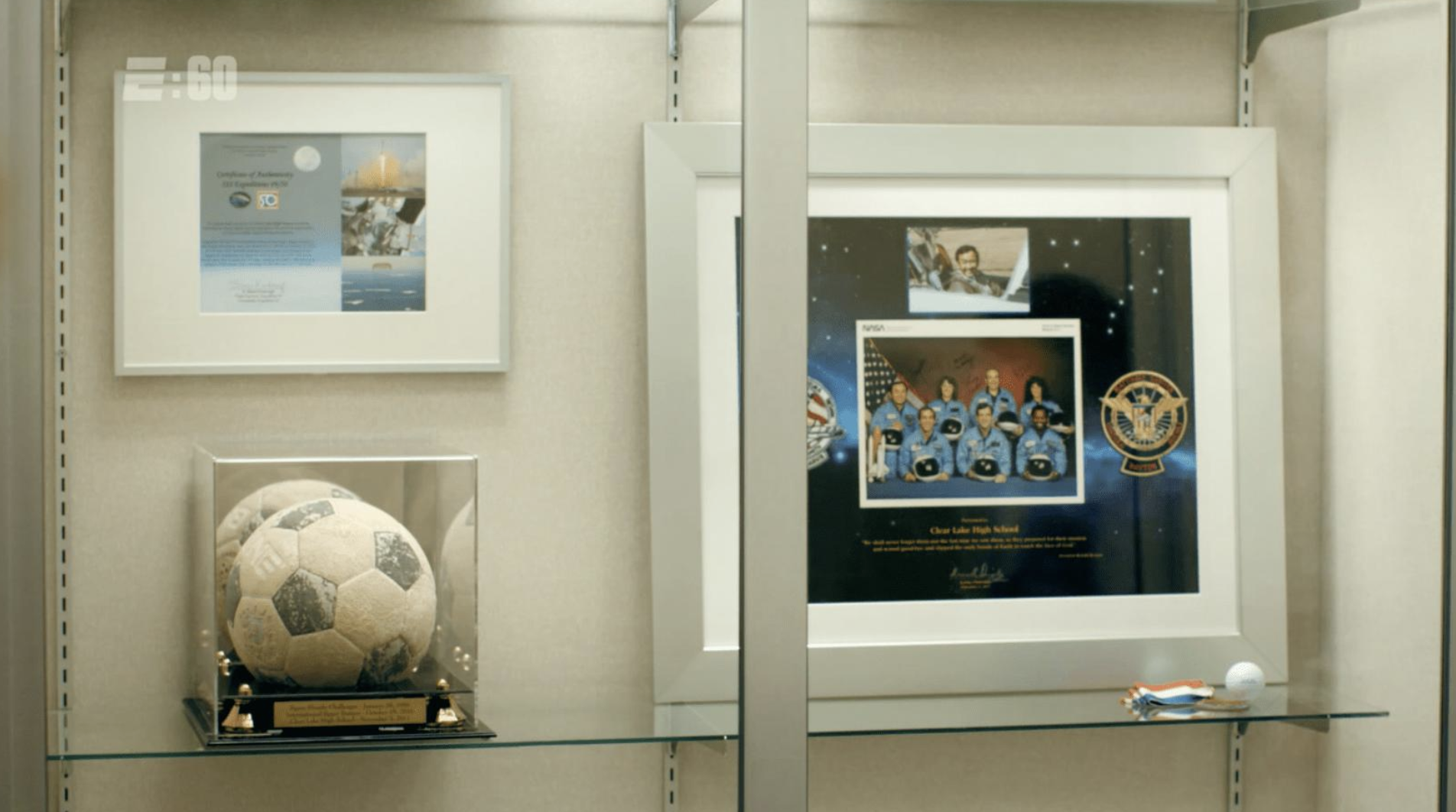
The Challenger football was placed in a display case at the school.
And there it stayed.
Year after year.
Students graduated.
New students arrived.
The signatures slowly faded.
Trophies came and went.
School teams changed.
The football became part of the scenery.
Many students walked past it without knowing its story.
Yet somehow it survived.
Waiting quietly for somebody to remember.
Thirty-One Years Later
Then something remarkable happened.
In 2017, NASA astronaut Shane Kimbrough learned about the football.
His son attended the same school.
He heard the story of the football that had travelled aboard Challenger but never completed its journey.
He decided perhaps the story deserved another chapter.
NASA arranged for the Challenger football to travel aboard a mission to the International Space Station.
Thirty-one years after its first attempt.
Thirty-one years after Challenger.
Thirty-one years after a daughter lost her father.
The football finally reached space.
The journey was completed.
Not by the people who started it.
By the people who remembered it.
Football Understands Waiting
Perhaps that is why this story resonates so strongly during a World Cup.
Football understands waiting.
Sometimes for years.
Sometimes for decades.
Sometimes for a moment you begin to wonder will ever arrive.
I was in Sydney in November 2005 with my boys when John Aloisi stepped forward and struck that penalty.
Thirty-two years after Australia's last World Cup appearance.
We had waited.
Australian football had waited.
Generations of players, coaches, volunteers and supporters had waited.
Then the ball hit the back of the net.
The noise that followed is something those of us who were there will never forget.
Football people understand unfinished journeys.
We understand setbacks.
We understand hope.
And we understand what it feels like when a dream survives long enough to finally arrive at its destination.
Why This Story Matters
The older I get, the more I realise that football clubs are full of stories like this.
Old photographs.
Honour boards.
Trophies.
Faded team sheets.
Objects that seem ordinary until somebody tells you the story behind them.
Every football club has people who started journeys they never got to finish.
Volunteers who built things for future generations.
Coaches who developed players they would never see reach their full potential.
Parents who spent years driving children to training without knowing where football might eventually take them.
Perhaps that is the real lesson of the Challenger football.
The football reached space.
But the people who began the journey never saw it happen.
Their contribution came first.
The reward came later.
Sometimes much later.
A daughter remembered her father.
A school remembered one of its own.
A generation carried forward a story it did not begin.
And a football finally completed a journey that had waited thirty-one years for its ending.
Sometimes that is enough.