When Football Meets Politics: The Unexpected Stories of the Women’s Asian Cup
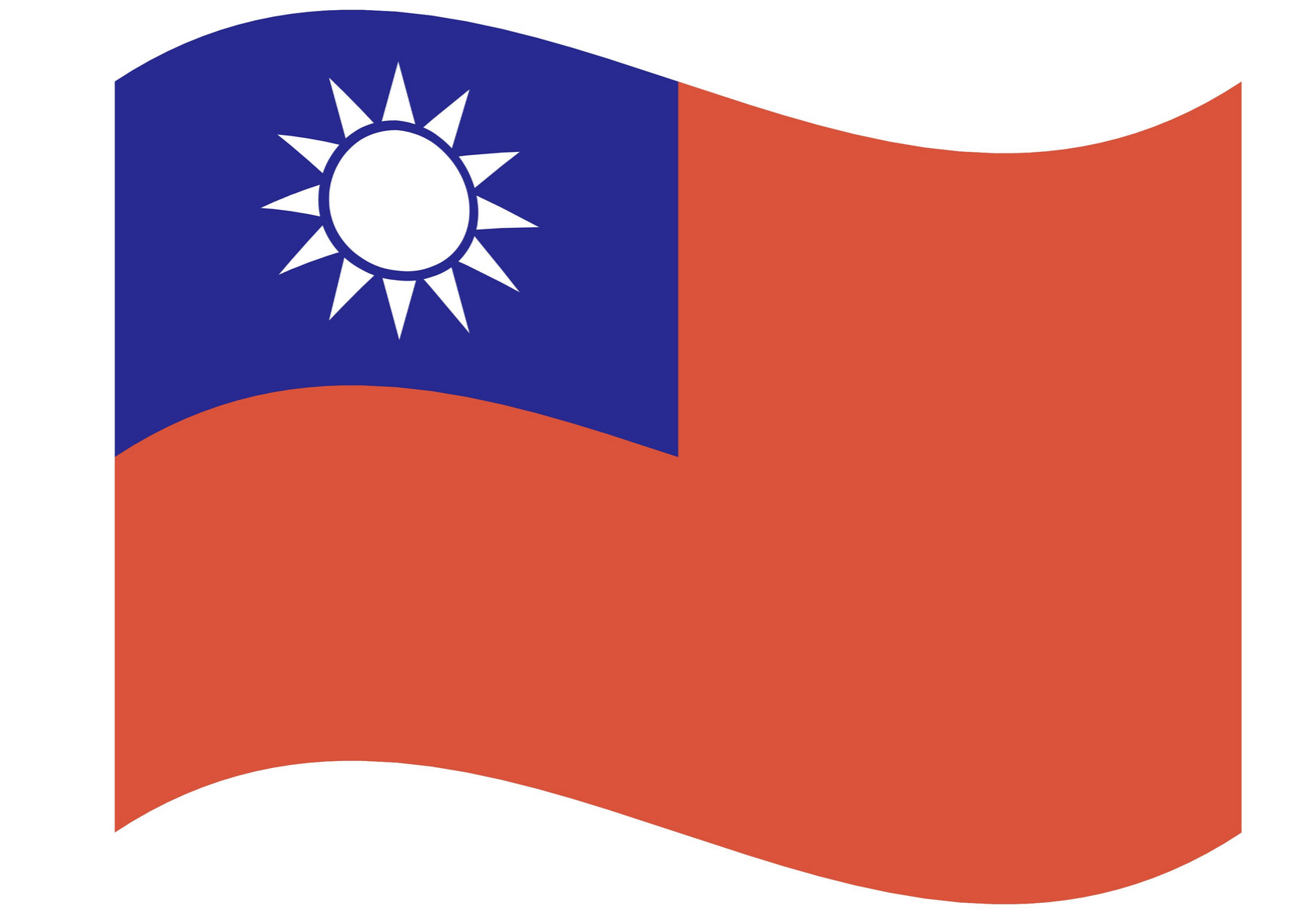
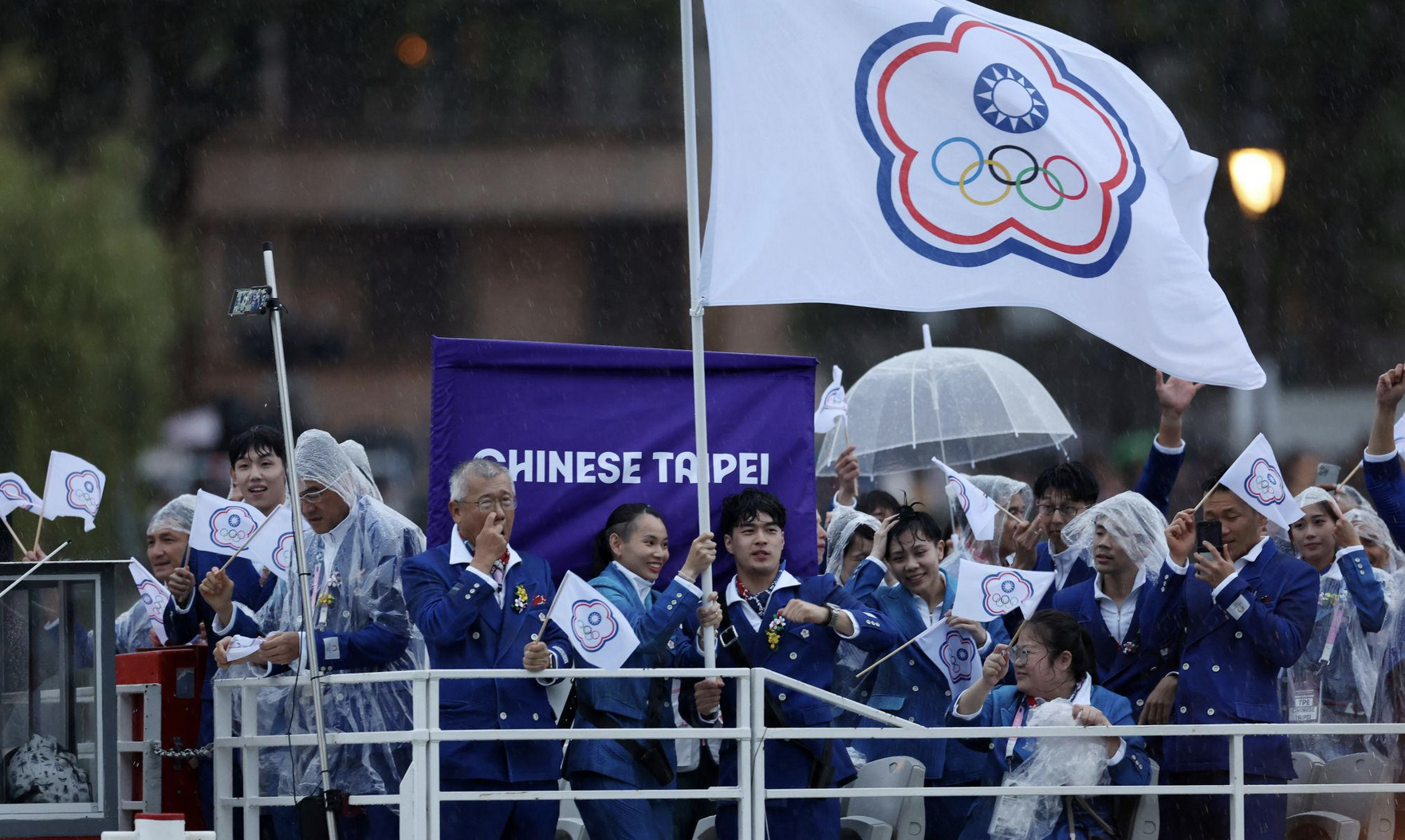
Two flags, one identity. Taiwan’s national flag (top) and the Chinese Taipei flag used in international sport (bottom). The difference reflects the political compromise that allows Taiwanese athletes to compete internationally.
International football tournaments are meant to be celebrations.
Flags.
Anthems.
Crowds cheering for their teams.
On the morning after the Australia women's national soccer team defeated the North Korea women's national football team in their quarter-final at the AFC Women’s Asian Cup in Perth, I was doing what many football people do.
Scanning the football headlines with a morning coffee.
Goals from Alanna Kennedy and Sam Kerr had secured the result and the Matildas were moving on to the semi-finals.
But it wasn’t the match report that caught my eye.
It was a very different headline about a former Taiwan national team coach being removed from a stadium for leading a chant.
And suddenly a football tournament became something much bigger than football.
Who would have thought that a women’s tournament could produce so many political twists and turns?
A chant about Taiwan.
Players refusing to sing their national anthem.
Reports of athletes fearing what might happen when they return home.
And in the most serious cases, players seeking and being granted asylum.
Several moments during the tournament have quietly revealed the tensions that sit just beneath the surface of international sport.
Not because the players wanted politics to dominate the competition.
But because for many athletes, politics is already part of their lives.
Taiwan and the chant that became political
One of the most widely discussed moments occurred when a former coach associated with the Chinese Taipei women's national football team was removed from a stadium after leading fans in a chant.
The chant was simple.
“Go Taiwan.”
In most sporting contexts that would be completely normal.
But in international sport Taiwan does not compete as Taiwan. It competes under the name Chinese Taipei, a compromise that dates back to the late 1970s when sporting bodies tried to avoid diplomatic conflict with the People's Republic of China.
The arrangement reflects the long-standing dispute between China and Taiwan over sovereignty, which has shaped how Taiwan participates in many international organisations.
Because of that agreement, the chant was considered political.
Stadium officials intervened and the coach was escorted from the venue.
For Taiwanese supporters the incident highlighted the strange reality their athletes live with. They represent a place that the world of sport does not allow them to call by its name.
Iranian players refusing the national anthem
Another moment came when members of the Iran women's national football team declined to sing their national anthem before matches.
In international football the anthem is usually a powerful and emotional ritual. Players stand shoulder to shoulder representing their country.
When athletes choose not to sing, it sends a message.
The action was widely interpreted as a quiet protest linked to the political situation and human rights concerns inside Iran.
It was a small moment in a football match, but one that carried significant meaning.
Fears about what happens when players return home
The situation became more serious when criticism of the Iranian players began to appear in media aligned with the Iranian government.
Reports suggested the players could face consequences once they returned home.
That prompted concerns from player unions and human-rights organisations about their safety.
For most teams a tournament ends with players returning to their clubs and families.
For some athletes in international football, it is not always that simple.
Asylum and the realities facing some players
By the end of the tournament, this story had moved beyond speculation.
Several members of the Iranian squad sought asylum while in Australia, and a number were granted temporary humanitarian visas allowing them to remain.
That turns this from a football story into something far more serious.
For some athletes, travelling to an international tournament is not simply about representing their country. It can become a moment of decision about personal safety, freedom and whether going home is even possible.
Football, in those circumstances, becomes something much bigger than a game.
The myth of apolitical sport
Taken together, these moments raise a bigger question about international sport.
Sporting organisations often repeat the same idea.
Sport should remain separate from politics.
In theory that sounds sensible.
But international sport is built on national identity. Flags are raised. Anthems are played. Teams represent countries and cultures.
Politics is already present in that structure.
Most of the time we simply do not notice it.
But when issues of identity, sovereignty or human rights enter the picture, the idea of completely neutral sport becomes very difficult to sustain.
Why these moments matter
None of these incidents were created by football.
They are reflections of the world beyond the pitch.
A chant about Taiwan.
Players standing silently during an anthem.
Athletes uncertain about what awaits them at home.
These moments remind us that football is played by real people living in real societies.
The game may offer joy, escape and connection.
But it does not exist in isolation.
Sometimes a football tournament simply crowns a champion.
And sometimes it quietly reveals the political realities that athletes carry with them onto the pitch.