Who Has Heard of Michele Kang?
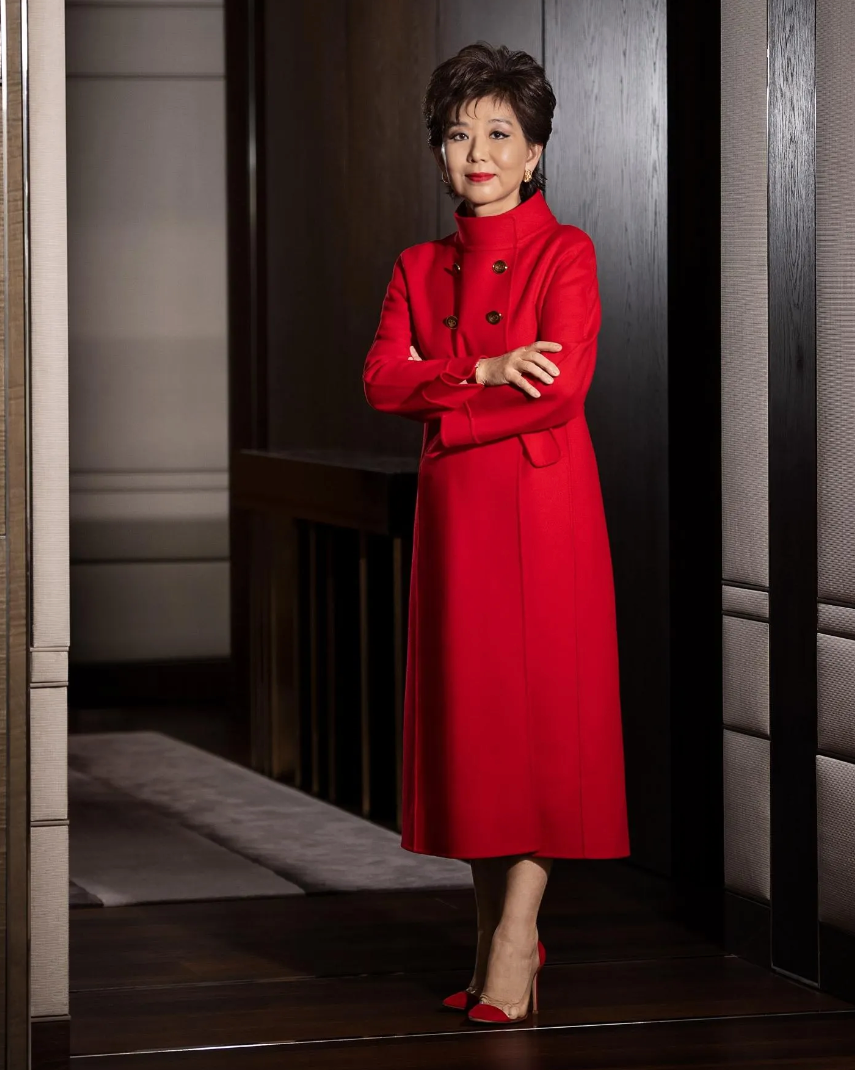
Michele Kang
London City Lionesses and the experiment in independent women’s football
Who has heard of Michele Kang?
Not many people in Tasmanian football have.
We know referees.
We know club volunteers.
We know the parent who runs the canteen every Saturday.
But Michele Kang is quietly becoming one of the most powerful people in women’s world football.
And we should understand why.
What Michele Kang has actually done
Michele Kang is an American businesswoman who made her fortune in health technology.
Then she started buying women’s football clubs.
She now controls three major teams.
Washington Spirit in the United States.
OL Lyonnes in France.
London City Lionesses in England.
She has created a multi-club organisation linking them together, sharing sports science, scouting and commercial systems.
She has invested millions into women’s football research, facilities, and development.
She is not sponsoring.
She is building.
Why that matters
Women’s football has never had enough investment.
Across Tasmania we still see girls teams sharing changerooms, training late because lights are scarce, and volunteers fundraising for basics.
So when someone puts serious money into women’s football, it matters.
Because the gap is real.
And it is global.
Kang is trying to prove that women’s football can stand as a professional sport in its own right.
Not as an afterthought to men’s football.
The unusual thing about London City Lionesses
London City Lionesses are not like most teams in the English Women’s Super League.
They are not connected to a men’s Premier League club.
They are not Arsenal Women backed by Arsenal men.
Not Chelsea Women backed by Chelsea men.
Not Manchester City Women backed by Manchester City’s global machine.
They are a fully independent club.
Owned by Michele Kang.
Built from scratch.
That is rare at the top level of women’s football.
Where they sit in the Women’s Super League
The Lionesses were promoted into the Women’s Super League and in their first season they have been sitting around mid-table.
Respectable results.
Good players.
Serious investment.
But attendances are still small compared with Arsenal or Chelsea, whose women’s teams can draw tens of thousands when they play at big stadiums.
London City average only a few thousand.
Which is not failure.
It is reality.
Because most women’s clubs grow their fan base from their men’s club supporters.
Arsenal fans become Arsenal Women fans.
Chelsea fans become Chelsea Women fans.
London City have to build theirs from zero.
Why most women’s teams are tied to men’s clubs
It comes down to economics.
Men’s clubs provide stadiums, training grounds, marketing staff, sponsors and existing supporters.
That support helped women’s football grow quickly in England.
Without it, many teams could not survive.
So most WSL clubs sit inside big men’s clubs.
It is practical.
But it also creates dependency.
If the men’s club loses interest, funding disappears.
We have seen that happen before.
Kang’s different idea
Michele Kang believes women’s football should stand on its own.
London City Lionesses are her experiment.
An independent club.
Independent identity.
Independent commercial strategy.
Part of a global women’s football network, not attached to a men’s brand.
It is a bold idea.
Because it asks a hard question.
Can a women’s club succeed without leaning on a men’s club?
No one really knows yet.
The courage in what she is doing
Investing in women’s football right now is risky.
Media money is uncertain.
Attendances are still growing.
Commercial returns are not guaranteed.
Kang is funding facilities that girls have never had.
That matters to players in Kent.
In Lyon.
In Washington.
And eventually to girls in Hobart, Devonport, Launceston, Ulverstone and everywhere football is played in Tasmania.
Because standards spread.
When the top rises, expectations rise.
The risk we should still talk about
Football history teaches us something.
Single-owner clubs are fragile.
If the owner leaves, what happens.
If the strategy changes, what protects the club.
This is not criticism of Michele Kang.
It is simply reality.
We have seen it in men’s football around the world.
And we should ask the question in women’s football too.
Because sustainability matters.
The Australian lesson
Football clubs in Australia were not built by billionaires.
They were built by families.
By migrants.
By teachers.
By volunteers.
By councils giving a patch of grass.
Clubs grew because children grew.
Because parents stayed.
Because stories accumulated.
You cannot buy that kind of belonging in five years.
But investment can still help.
Better facilities.
Better coaching.
Better pathways.
Maybe people like Kang raise the floor so community clubs can build higher.
The next conversation
Michele Kang is trying to build clubs from the top down.
In Australia, we tried something similar with A-League franchises.
New clubs.
No history.
No fan base.
What did we learn from that?
That will be the next post.
Because building a club without roots is one of the hardest things in football.
And we are still living with that lesson today.