When I Wanted the Livestream
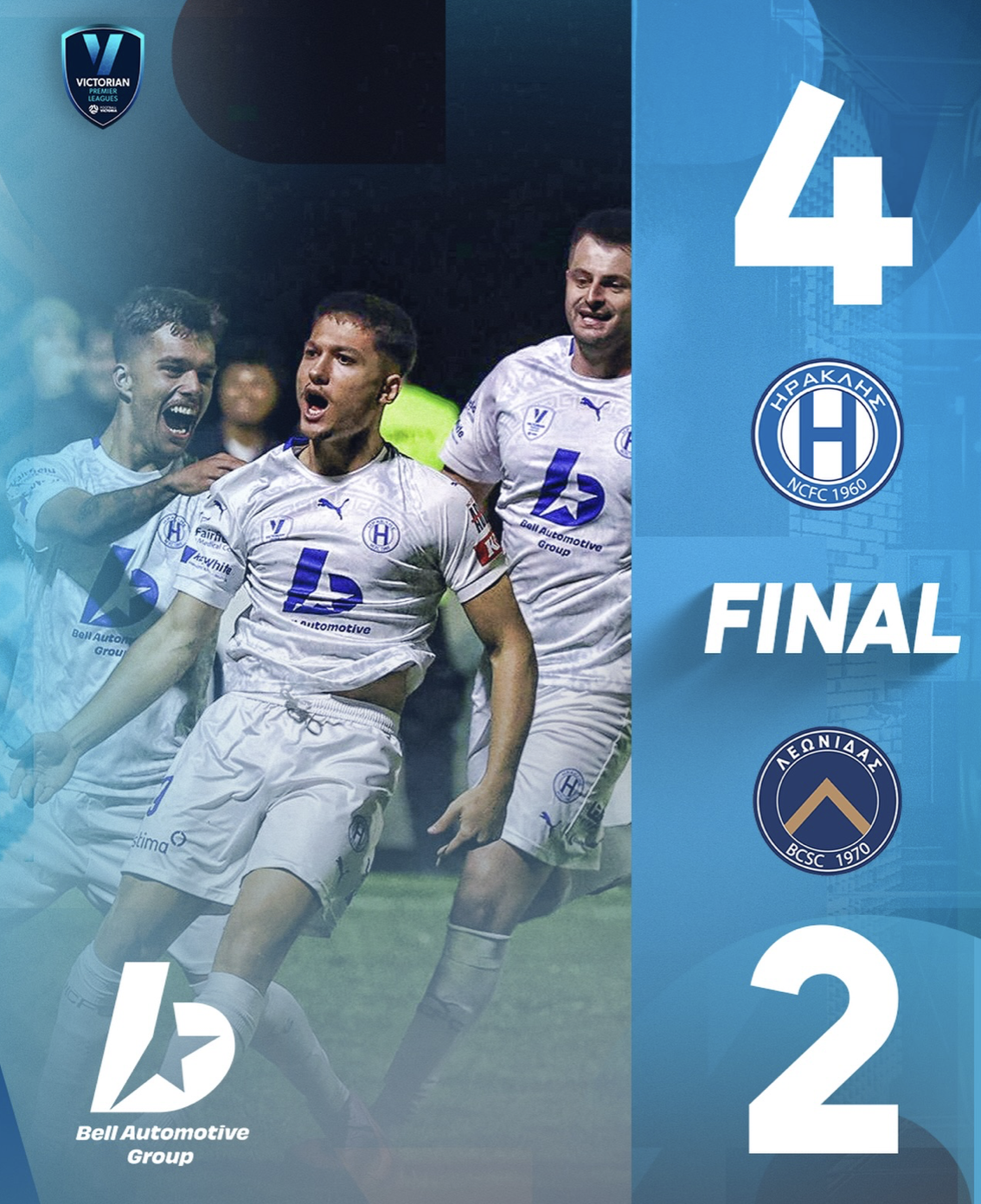
Last night my son Max was coaching interstate at Northcote FC in Victoria. Round One.
8pm kick-off.
We go to bed early.
I lay awake anyway.
I got up at 3.45am and checked socials. Down 0-1 first post I saw. Dread.
Later, a 2-4 away win. I saw the overhead goal on my phone from a long throw.
I would have given anything for a livestream.
Which is awkward, because in December I wrote a post called Live Streaming, Empty Stands and the Cost of Convenience, about how streaming can quietly change behaviour and weaken club culture.
So which is it.
Have I changed my mind?
Not really. But I understand the problem better now.
The Two Truths
Streaming is wonderful when it is your own child.
When it is your team.
Your friend.
Your club playing interstate.
Your daughter away at university.
Streaming lets families stay connected. It lets grandparents watch. It lets injured players still feel part of something.
For football people, it is a gift.
But streaming also changes behaviour across a whole community.
People who might have come to a night game stay home.
People who might have bought a pie do not.
Kids who might have run around behind the goal are not there.
Both things can be true at the same time.
That is the uncomfortable part.
The Football Mother and the Club Administrator
Last night I was not thinking about gate takings at South Hobart FC.
I was not thinking about canteen revenue, or volunteer rosters, or club budgets.
I was a football mother who wanted to see her son.
And most of us, in that moment, would choose the same.
Which tells us something important.
This is not about selfish supporters.
It is about human nature.
If comfort is available, many people take it.
Technology does not change who we are.
It amplifies it.
The Quiet Economics
Community clubs survive on habits.
People turning up.
Buying food.
Standing together.
Talking after the game.
Those habits are fragile.
Streaming chips away at them slowly, not dramatically. One missed game here. One cold night there. One “I’ll watch from home” decision.
No one notices at first.
Then the canteen feels quieter.
Then volunteer numbers fall.
Then sponsorship conversations get harder.
No one decision caused it.
But the culture shifted.
At South Hobart we have around 750 players in the City of Hobart municipality. We know exactly how tight club finances can be, even when participation is strong. Attendance still matters. Canteens still matter. Habit still matters.
We rarely talk about what keeps the lights on week to week.
Progress With Consequences
Streaming is not the enemy.
It helps families.
It helps analysis.
It helps sponsors.
It helps visibility for players.
It helped me last night, even without the actual feed, because it reminded me how much I would value it.
But progress without reflection creates blind spots.
When streaming is centrally delivered, centrally branded, centrally controlled, the financial effects still land locally.
Some clubs lose more than others.
Some communities change faster than others.
No one is really measuring it.
That is the gap.
The Question Is Not Yes or No
The question is not whether we should stream football.
The question is how we support clubs as behaviour changes.
Do federations share digital revenue with clubs.
Do councils understand the loss of match-day culture when they plan facilities.
Do we track attendance patterns.
Do we talk about this openly before habits disappear.
These are not arguments against technology. They are arguments for honesty.
Nothing Beats Being There
Even last night, wanting that livestream, I knew something else.
Football is still better in person.
The noise.
The smell of chips.
The arguments on the sideline.
The moment when a whole ground gasps together.
Streaming can show a game.
It cannot replace belonging.
That is what we must protect.
A Small Personal Truth
Max won 2-4.
I saw the overhead goal later on my phone. Grainy, sideways video. Perfect.
I still wished I had seen it live.
But next home game at Darcy Street, I will rug up and go to the ground.
Because both things matter.
And if we forget that, we will wake up one day with perfect streams, empty stands, and clubs wondering what changed.