Why James Johnson Changed Jobs - Canada Soccer - Part Two
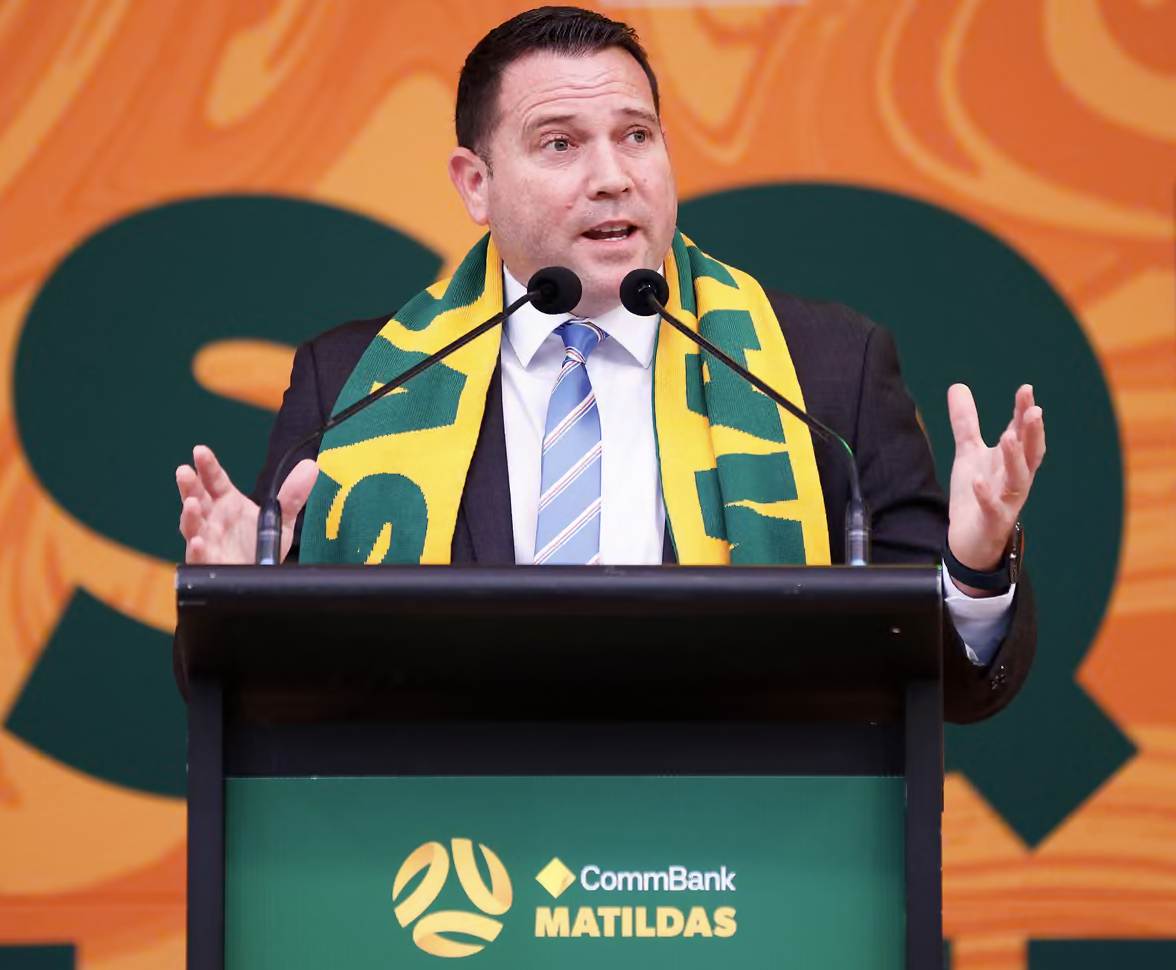
Photo credit - Getty Images
From Federation CEO to Commercial Architect
Why that job change matters.
In the last post I explained Canada’s football structure.
This second piece is about something that caught my eye.
The head of Canada’s commercial football company used to run Football Australia.
Why would someone move from a federation job into a commercial role?
It sounds like an inside-football story that only governance nerds would care about.
But it tells us something about how football is changing.
Who is James Johnson?
James Johnson is an Australian football administrator whose career has mostly been on the governance and commercial side of the game.
Before moving to Canada he was chief executive of Football Australia, the national federation responsible for the Socceroos, Matildas and the national competitions framework.
Earlier in his career he worked with FIFA and with the Asian Football Confederation on development and governance programs. He also held roles connected to club football networks such as City Football Group.
So his background sits across international football bodies, federation leadership and commercial football structures.
His career has been in administration.
That mix makes his move easier to understand.
Two very different jobs
Running a National federation means managing the game.
Running a commercial platform means growing its value.
Federations oversee national teams, rules, licensing and relationships across the sport. It is essential work, but it moves slowly and is shaped by history and competing interests.
Commercial platforms deal in media rights, sponsorships, streaming audiences and investors. They can move quickly if audiences grow.
Right now, football’s biggest financial growth is coming from media rights and digital distribution.
So when an executive moves from a federation to a commercial company, it usually reflects where they believe the future leverage of football sits.
Not better. Not worse.
Just where the momentum is.
Why Canada is attractive
Canada is hosting World Cup matches in 2026.
Its domestic league is young.
Participation is growing.
Its commercial company is bundling rights, building a streaming audience and looking for investors.
For an executive who wants to build something new, that is an opportunity.
At a federation you inherit history.
At a commercial platform you can design the future.
That helps explain the move.
Why this matters beyond Canada
Most Tasmanian football people are not thinking about media rights deals in North America.
We are thinking about referees on Sunday mornings and wet grounds in winter.
But big structural decisions still reach us.
When football money is bundled into commercial platforms, federations change how they operate.
Leagues change how they are funded.
Communication becomes more important, not less.
And when communication is poor, trust disappears quickly.
Not because people are bad.
Because systems become complicated and no one explains them clearly.
Why governance still matters
Commercial growth is not a bad thing.
Football needs sponsors, broadcasters and investment.
But whenever money is centralised, simple questions must be answered.
Who owns the deals?
How is revenue shared?
What does the wider game receive?
When answers are clear, people support the system.
When they are not, rumours fill the gap.
And small football communities feel ignored.
Why even nerdy stories matter
Most readers will not follow Canadian media rights negotiations.
That is fine.
But understanding how football structures work helps us ask better questions here.
It helps us see patterns instead of personalities.
And it reminds us that even small football communities live inside a global system.
The game is local.
But its structure is global.
What comes next
In the next post I will look at sponsorship transparency and why clear communication matters when leagues bring in corporate partners.
Because gratitude and clarity should always go together.
Continue Reading
If this piece resonated, you might also like these reflections on football governance and community life.
• When Running a Club Becomes a Second Job
Thank you for reading and for caring about football in Tasmania.