A Gleam in the Dark: What Bodø/Glimt Teaches Small Football Places
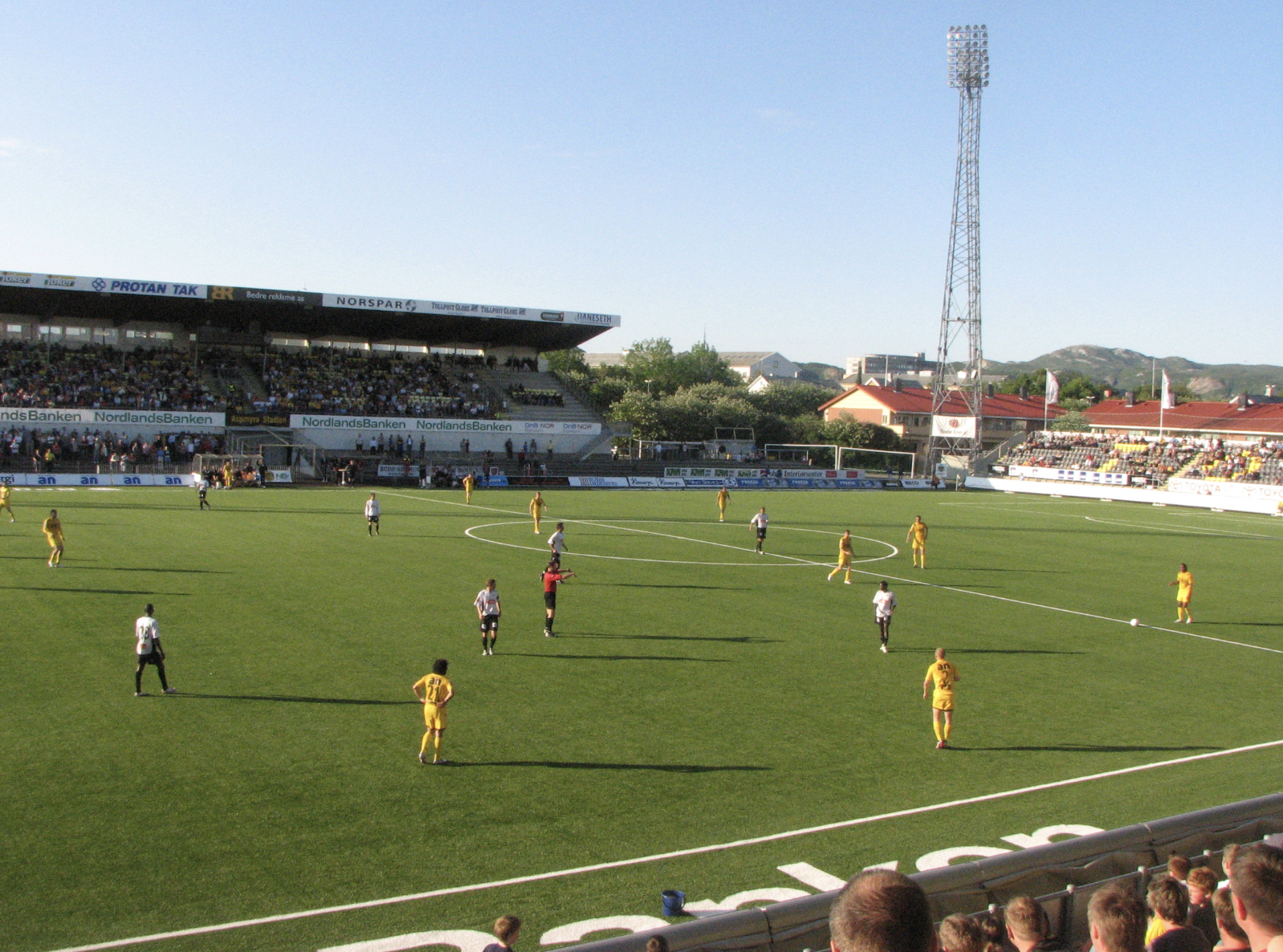
Aspmyra Stadium - Bodo
The Miracle of Bodø/Glimt
Who else has been marvelling at the minnow in the Champions League?
A tiny club from the Arctic Circle.
An 8,000-seat ground.
A town smaller than many Tasmanian suburbs.
And yet there they were, lining up against Europe’s giants.
People called it a miracle.
It wasn’t.
It was a plan.
The name tells the story
The club’s name is simple.
Bodø is the town. A fishing and air-force town north of the Arctic Circle. Wind off the sea. Dark winters. Midnight sun in summer.
Glimt means a gleam, a flash of light.
A small spark in a dark northern sky.
That is the poetry of the club before a ball is kicked.
A community team from a remote place that believed it could shine.
Identity matters in football.
Names remind clubs who they serve.
The basics
Founded in 1916.
First top-division title in 2020, after 104 years.
Titles again in 2021, 2023, 2024.
European football almost every season since.
Champions League group stage in 2025–26.
Town population about 43,000.
Stadium capacity about 8,270.
Turnover around €30 million.
Wage bill around €20 million.
Small by European standards.
Huge by small-town standards.
And still they beat clubs with ten times their money, clubs like Roma, Celtic, Olympiacos, Lazio, and strong runs against teams like Tottenham, proving this was not a lucky draw or one good night.
Ownership and governance
Bodø/Glimt is not owned by a billionaire.
It is a member-owned club, like most Norwegian clubs.
Community roots.
Elected board.
Professional staff.
In Norway, as in Germany, there is a strong tradition that members keep majority control of clubs. Often described as a “50+1” or 51% principle, it means outside investors can help, but they cannot take over the club’s identity or direction.
So clubs must grow sustainably.
No reckless spending.
No fantasy budgets.
They professionalised without losing their soul.
Clear roles.
Clear strategy.
Patience.
That balance, community control with professional standards, is one of the real secrets of their rise.
The turning point
They were relegated in 2016.
Most clubs panic.
They rebuilt.
New executive structure.
Clear football philosophy.
Long-term plan.
They asked a better question.
Not how do we survive this season.
What kind of club do we want to be in ten years.
That question changed everything.
The coach and the idea
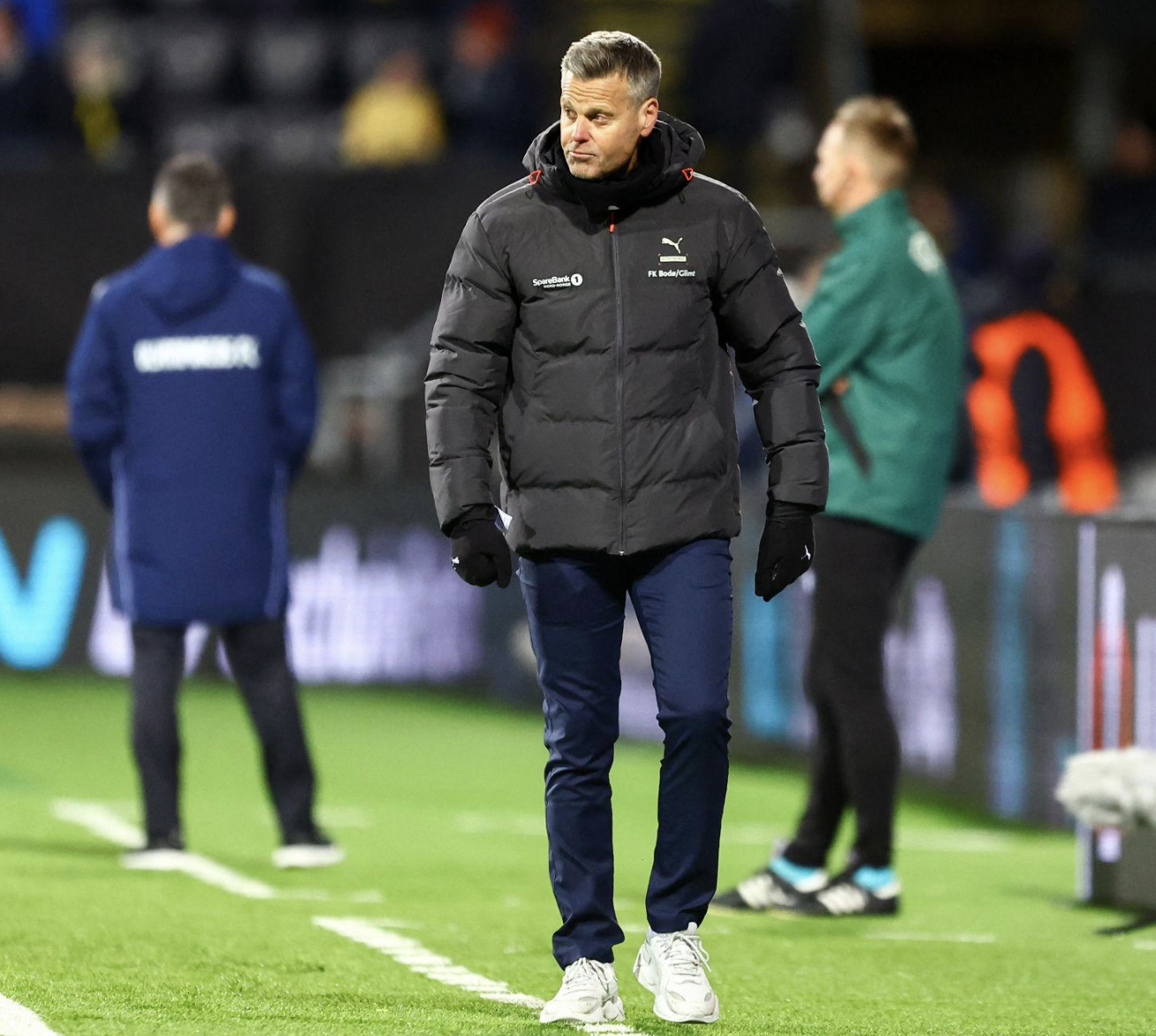
Manager - Kjetil Knutsen
In 2018, Kjetil Knutsen became manager.
Not famous.
Not expensive.
But perfectly aligned with the club’s philosophy.
High pressing.
Fast transitions.
Fitness and courage.
Collective movement.
Every age group learned the same ideas.
Consistency beats cleverness.
Mental strength
They hired a former fighter pilot as a mental coach.
Resilience.
Calm under pressure.
Belief.
Small clubs often lose before kickoff.
Bodø didn’t.
They expected to win.
Smart player trading
They did not buy stars.
They developed players.
Sold at the right time.
Reinvested carefully.
No boom and bust.
Just steady growth.
That is how a €30 million club competes with €300 million clubs.
Using geography
Aspmyra Stadion has artificial turf and undersoil heating.
Cold. Windy. Remote.
Travelling there is hard.
They leaned into their location instead of apologising for it.
Identity became advantage.
Real European results
This was not a fairy tale.
They beat serious clubs.
Roma 6–1.
Beat Celtic over two legs.
Beat Olympiacos.
Beat Lazio.
Europa League semi-final.
Champions League group stage.
Consistency, not luck.
What Tasmania can learn
Tasmania is not Bodø. But the comparison is useful.
A small island state of about 570,000 people, spread across towns and regions, playing football in cold winters and wet grounds, with long travel and limited money. Like northern Norway, football here is community-run, volunteer-heavy, and deeply local. We have clubs older than a century, strong junior numbers, passionate families, and grounds that carry generations of memory.
And to be clear, the Bodø lesson is not about inventing a new sterile franchise. Bodø/Glimt was a 100-year-old community club before it won anything. It grew from its own members, its own juniors, its own town. No relocation. No branding exercise. No imported identity. Just an existing club that aligned its governance, coaching, and long-term planning.
Tasmania already has clubs like that. Clubs with history, members, volunteers, and community trust. The lesson from Bodø is that one of those real clubs, rooted in its place, can grow patiently into something bigger without losing its soul.
Small places do not need new logos.
They need alignment.
The real lesson
Bodø/Glimt is not magic.
It is what happens when a community club becomes professional without losing its identity.
Stable leadership.
Clear philosophy.
Financial discipline.
Patient pathways.
Belief.
Small places can shine.
A gleam in the dark.
Continue Reading
→ Stop Telling Football to Be Grateful