When Sporting Choice Comes With a Penalty
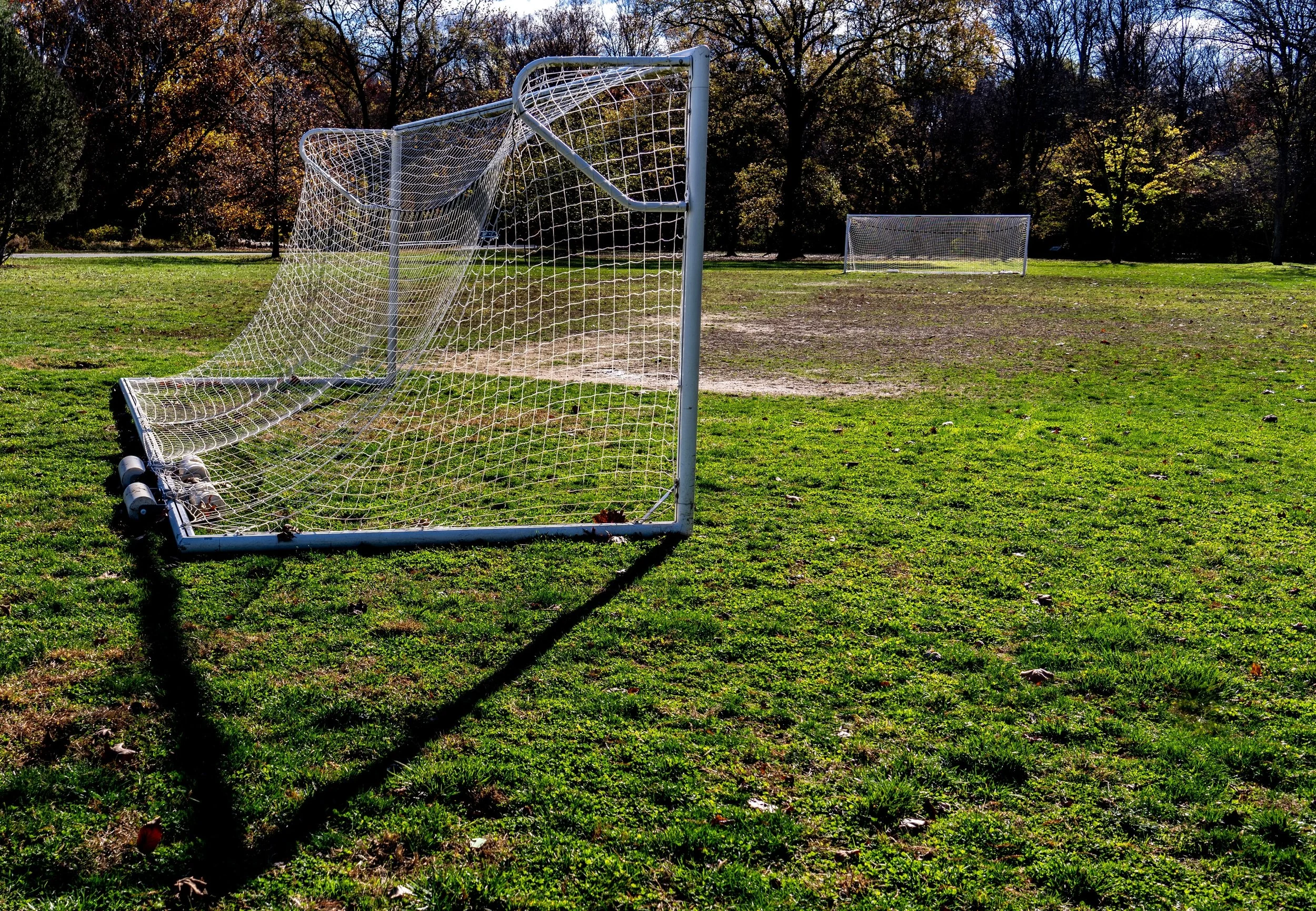
This is a story about children, sport, and the quiet choices we make about what and who we build for.
Ella is nine.
She pulls on her boots by the front door, shin pads already crooked, hair tied back badly because she did it herself. She runs out to the car with a ball tucked under her arm and asks the same question she always asks.
“Are we early?”
Ella plays football.
Not because of pathways or policy or funding models.
Because she loves it.
She loves the space, the noise, the feeling that the field belongs to her for an hour on a Saturday morning. She loves her teammates, the rituals, the way the game makes sense to her body.
She doesn’t know that football is the most participated team sport in the country.
She doesn’t know about reports, strategies or participation data.
She just knows this is her sport.
Sunday morning across town, her cousin Jack is getting ready.
Jack is nine too.
He’s pulling on a guernsey, tugging at socks that never quite sit right. He’s excited. His parents are too. Jack plays Aussie Rules. He loves it for many of the same reasons Ella loves football.
Their lives are not in competition.
Their sports should not be either.
But the systems around them already are.
The choice no one explains
At nine, sport feels equal.
The fields look similar.
The teams line up.
Parents clap.
Volunteers run around with clipboards and oranges.
Ella and Jack feel the same sense of belonging.
But equality at nine is an illusion.
Because behind the scenes, decisions are being made that will shape their experiences long after the novelty wears off.
Which sports get priority access to facilities.
Which sports get purpose-built infrastructure.
Which sports are planned for and which are expected to adapt.
No one explains this to Ella.
No one says, this choice may shape how easy or hard your sporting life becomes.
The question she asks
One weekend, Ella goes to watch her cousin Jack play.
The ground is bigger.
The rooms are newer.
The fence is solid.
There are signs, flags, a sense that this place was built to last.
On the way home, she asks her parents a question they weren’t expecting.
“Why does Jack’s sport get all that?”
They try to explain.
They talk about history.
About tradition.
About how things have always been done.
About how money works.
About how decisions are made somewhere else.
Ella listens for a bit, then frowns.
“But more kids play my sport,” she says.
“So why don’t they build for us too?”
There is no good answer to that question.
Not one that makes sense to a nine-year-old.
And not one that holds up much better for adults.
By fifteen, the difference shows
By the time Ella is fifteen, she is still playing football.
She still loves it.
But now her team trains later.
Matches are squeezed into tight windows.
Fields are tired.
Facilities are stretched.
None of this is because football failed.
It is because football grew and the system did not keep up.
Participation increased.
Investment did not follow.
Jack’s experience looks different.
His sport is visible.
Planned for.
Built around.
Not because Jack deserves more than Ella.
But because his sport has long been treated as structurally important.
That difference is not about effort or commitment or community value.
It is about policy.
When inequity becomes normal
Over time, this difference becomes normalised.
Football families learn to plan around scarcity.
Volunteers learn to absorb shortfalls.
Girls learn to be flexible.
None of this is written down as policy.
But it is how policy is experienced.
What looks like resilience from the outside is often quiet accommodation on the inside.
And accommodation has a cost.
This isn’t about preference
Ella did not choose the “wrong” sport.
She chose the most popular one.
She chose the sport that carries children, women, migrants, volunteers and families at scale.
She chose the sport governments celebrate when participation numbers are released.
But celebration without alignment is hollow.
Because when funding, facilities and planning do not follow participation, they create a two-tier future.
Some children grow up in systems designed for them.
Others learn to accept less.
Ella’s future is not limited by her sport.
It is limited by the decisions made about it.
Inequity doesn’t announce itself
It doesn’t look dramatic.
It looks like late training slots.
Worn-out pitches.
Shared change rooms.
Volunteers doing more with less.
It looks like being told, quietly, to be grateful.
Grateful for access.
Grateful for permission.
Grateful for whatever is available.
Gratitude becomes the substitute for policy.
The question we should be asking
This is not a complaint.
It is a question.
If Ella chooses football at nine, why does she face a poorer sporting future at fifteen?
Why does the sport with the highest participation still struggle for proportional support?
Why do we say participation matters, but fail to invest where it actually occurs?
These are not accidents.
They are choices.
And those choices shape Ella’s future, whether she ever knows it or not.
Ella shouldn’t have to choose again
She should not reach fifteen and wonder why her sport feels harder.
She should not have to switch codes to access better facilities.
She should not have to accept less because her sport grew faster than policy.
Choosing football at nine should not mean settling for less at fifteen.
That is not fairness.
That is inequity.
This future is not inevitable.
It is chosen.
And it can be chosen differently.