Women Will Control 75% of Household Spending. Now Look at Football
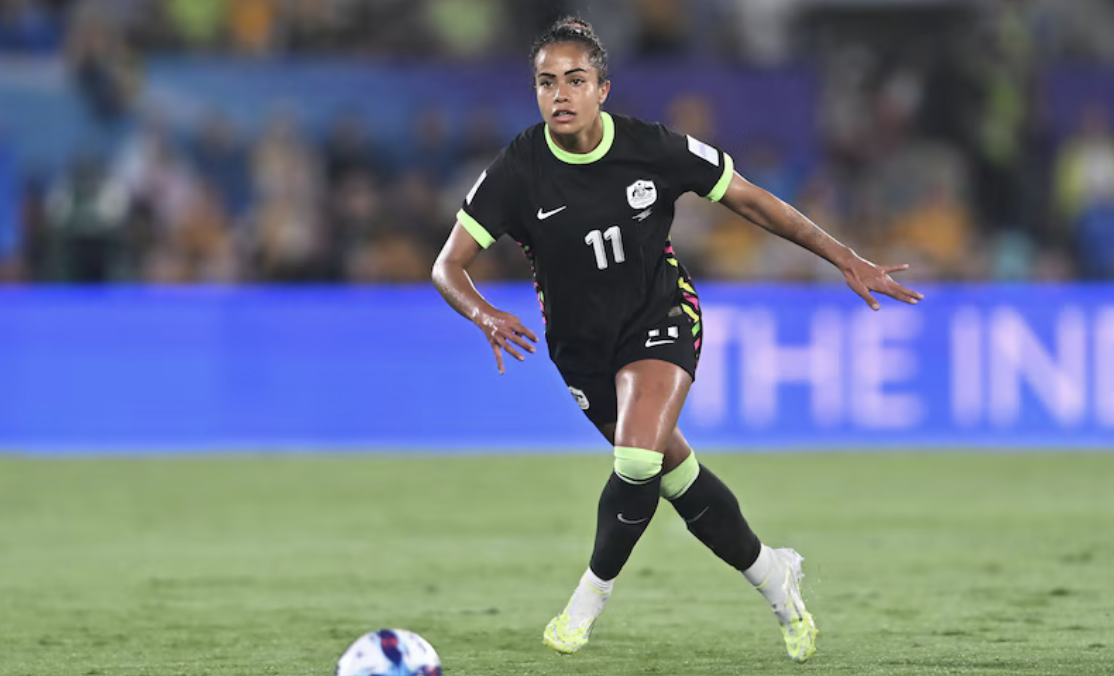
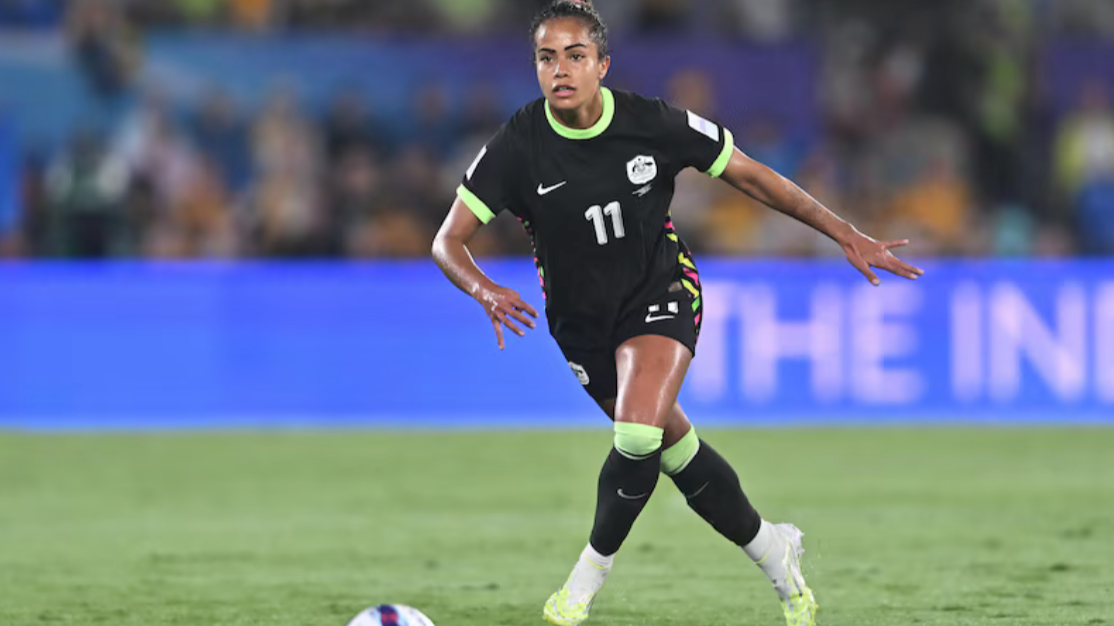
3.2 million national tv reach for the Asian Cup Final
Women are expected to control 75% of household spending by 2028.
That is not a football statistic.
But it explains a lot about what is happening in the game right now.
Who controls the spending in your household?
Who makes the decisions about what families do on the weekend?
Who decides what sport children play?
In my experience, the answer is clear.
In football, I am contacted around 90% of the time by women.
They are the ones making it happen.
Mothers organising teams. Mothers asking questions. Mothers making decisions.
That is not a Tasmanian anomaly.
The commercial signals are already here
It is exactly what this report is pointing to, just on a global scale.
A new global report predicts women’s football will reach 800 million fans by 2030, up from around 500 million today.
That is a significant jump.
And the commercial indicators are already following.
In Europe, women’s-only sponsorship deals have increased by 53% since the 2022/23 season, reaching 181 deals.
In England, the Women’s Super League is projected to generate $23.53 million in sponsorship revenue for the 2025/26 season, up from $14.72 million.
That is a 60% increase in a very short window.
The 2023 FIFA Women’s World Cup delivered a reported 2 billion global engagement audience.
These are not participation numbers.
They are market signals.
This is not just about football
The most important part of the report is not the total number of fans.
It is who those fans are.
By 2030:
60% of the audience is expected to be female
47% are among the highest income earners globally
50% sit in the 25–44 age bracket
And then the line that changes everything.
Women are projected to control 75% of household spending by 2028.
That is not a football statistic.
That is an economic one.
Who is watching. Who is spending
Women’s football is not just growing because more people are playing.
It is growing because of who is watching.
Because this audience:
makes purchasing decisions
influences family spending
drives brand behaviour
This is not a niche.
This is the market.
So when sponsorship rises
when brands arrive
when reports talk about opportunity
they are not talking about development
They are talking about access
Access to spending power
The shift
For a long time, women’s football was framed as something that needed support.
Participation. Inclusion. Growth.
That language is changing.
Now it is:
audience
revenue
sponsorship
return
The game is no longer being positioned as something to invest in for good reasons
It is being positioned as something to invest in because it makes sense
That is a different conversation
The gap
At the top end, everything is moving.
audiences are expanding
sponsorship is increasing
commercial value is rising
At the base, the game still looks familiar.
clubs run on volunteers
facilities are stretched
infrastructure struggles to keep pace
Both of those things can exist at the same time
And right now, they do
What happens next
When a sport becomes commercially valuable, things accelerate.
Money arrives
Attention follows
Decisions get made
But it does not automatically flow evenly.
It rarely does.
The risk is not that women’s football fails to grow
It will grow
The risk is that the growth is captured at the top
while the base continues to carry the game
The real question
Eight hundred million fans is a big number.
But it is not the most important one.
Seventy five percent of household spending is.
Because once you understand who is watching
you understand why this shift is happening
And why it is happening now
The question is whether the game is ready for it
Not in terms of audience
But in terms of structure
Because growth is one thing
Control is another
If the Pathway Worked, FIFA Wouldn’t Need to Intervene
Mandated Change: When Football Stops Waiting
There was a moment today that didn’t come with a goal, a crowd, or a trophy.
But it might matter more than all three.
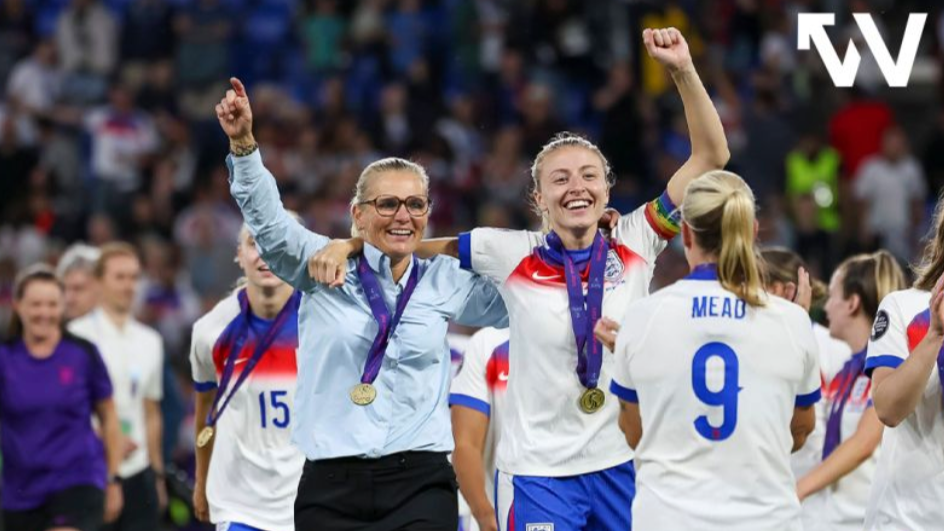
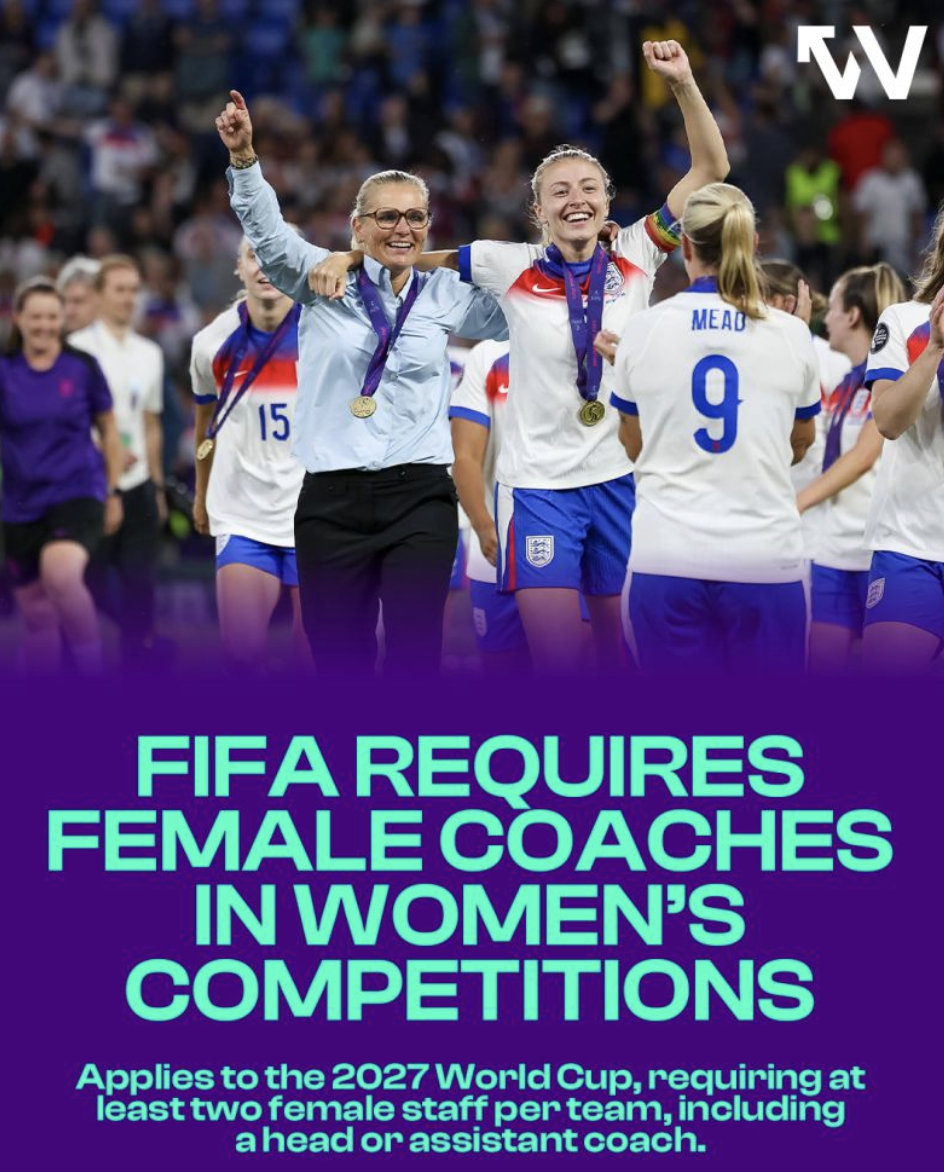
FIFA has ruled that every team in its women’s competitions must now have:
at least one female head coach or assistant coach
at least two female staff members on the bench
and at least one female member of medical staff
Not encouraged.
Not recommended.
Required.
And that one word tells you everything.
What FIFA Has Actually Done
This is not a soft policy.
It is structural.
It applies across all FIFA women’s competitions, youth and senior, national teams and clubs.
It begins immediately with youth tournaments and rolls into the 2027 Women’s World Cup.
This is not a campaign.
It is not a development program.
It is a rule.
FIFA has effectively said the system is not moving fast enough, so we are going to move it.
The Quiet Admission Behind It
The headline will say progress.
But underneath, this is something else.
It is an admission.
At the 2023 Women’s World Cup, only 12 of 32 head coaches were women.
Globally, only around five percent of coaches are women.
In a sport that belongs to women.
That is not just a pipeline issue.
That is a system issue.
If the Pathway Worked, This Wouldn’t Exist
Football has spent years talking about pathways.
Development.
Opportunities.
Visibility.
And yet here we are.
At the point where the global governing body has stepped in and said we will legislate the outcome.
Because the system hasn’t delivered it.
Coaching pathways do not fail by accident.
They reflect who holds power, who makes decisions, and who is seen as ready.
Who Coaches the Women’s Game
This is the uncomfortable part.
Women’s football has grown rapidly.
But the coaching hasn’t kept pace.
The game expanded, and men stepped into the space faster than women were supported to.
That is not a criticism of individuals.
It is how systems behave when they are not deliberately designed otherwise.
Acknowledging What Has Been Built
It is also important to say this clearly.
Men have played a significant role in building women’s football.
As coaches, volunteers, and leaders, they have helped grow the game, often at times when there were few pathways or structures in place.
That contribution matters.
But contribution and control are not the same thing.
The question now is not how the game was built.
It is who it is being built for next.
The Gap Nobody Talks About
You can mandate positions overnight.
You cannot create experienced coaches overnight.
That gap did not appear suddenly.
It has been building for years.
Mandating roles creates demand overnight.
The supply of experienced coaches takes years to build.
From Encouraged to Enforced
This is the real shift.
For years, diversity in coaching was encouraged.
Programs were introduced.
Pathways were discussed.
Progress was measured slowly.
Now it is being enforced.
That is not evolution.
That is intervention.
This is not just about coaching.
It is about who is visible, and who has authority, in the technical area of the game.
The Risk Football Will Try to Ignore
This is where it gets uncomfortable.
Football is very good at creating roles to meet requirements.
It is less good at shifting who holds authority within them.
The risk is not that this rule fails.
The risk is that it is complied with.
Assistant roles filled.
Boxes ticked.
Structures unchanged.
The real test will not be how many women are on the team sheet, but where they sit within it.
And This Is Not Just a FIFA Story
This will not stay at the top of the game.
It will ripple.
Into national federations.
Into licensing systems.
Into club expectations.
Into community football.
Because once something is mandated globally, it becomes the reference point everywhere.
The question is not whether this applies to us.
It is how far away we are from needing the same intervention.
What We See at Ground Level
At community level, we see it every week.
Women organising teams.
Running programs.
Holding clubs together.
But far fewer progressing into formal coaching roles.
That is not a reflection of capability.
It is a reflection of structure.
Football did not run out of women capable of coaching.
It ran out of ways to ignore them.
The Governance Layer Nobody Talks About
This is also a governing body responding to pressure.
Women’s football is growing.
Commercial interest is increasing.
Scrutiny around equity is rising.
This is not just reform.
It is response.
The detail that will matter most is not the rule itself, but how it is enforced.
Because in football, rules without enforcement quickly become recommendations.
The Question Football Now Has to Answer
FIFA has forced the door open.
But what happens next is the real test.
Do we build real pathways?
Do we invest in coaching development?
Do we create environments where women are not just present, but leading?
Or do we fill roles, meet requirements, and call it progress?
Because This Is the Truth
When a governing body mandates representation, it is not a sign that things are working.
It is a sign they are not.
Because if the system worked, FIFA would not need to intervene.
And if we do not change it, they will not be the last to.

Imagine Football Led Through the Eyes of the 51%

An International Women’s Day reflection on leadership in football
Today is International Women’s Day.
A day to celebrate the achievements of women, but also a moment to reflect honestly on the systems we operate within.
Football offers an interesting lens for that reflection.
Spend any time around grassroots football and you will notice something very quickly.
Women are everywhere.
The grassroots reality
They organise teams.
They manage age groups.
They coordinate competitions.
They volunteer week after week so that children can play.
Across Australia, grassroots football relies on thousands of volunteers. Many of them are women.
Without that contribution, the weekly rhythm of the game would look very different.
Yet when you look at leadership across the sport, the picture often changes.
Then the ladder changes
Move up the football structure and the number of women becomes smaller.
Club boards.
Federation leadership.
Executive roles.
The higher the ladder goes, the more male the leadership tends to become.
This is not unique to football. It happens across many sports.
But football is particularly interesting because women and girls are now one of the fastest growing parts of the game.
Participation is accelerating.
Leadership is changing much more slowly.
Imagine something different
So today, on International Women’s Day, it is interesting to imagine something different.
Imagine if Tasmania decided to lead the way.
Imagine a woman elected President of Football Tasmania for the first time.
Imagine a woman appointed as Chief Executive Officer for the first time.
Leadership looking through the eyes of 51 percent of the population.
Leadership setting the tone from the very top.
Leadership leading by example.
What might that look like?
Would the football world end?
Would players suddenly forget how to pass a ball?
Would competitions collapse overnight?
Of course not.
Football would still be football.
Clubs would still run.
Kids would still play.
Matches would still take place every weekend.
The difference would simply be that leadership might begin to reflect the people who already sustain the game.
A personal reflection
After more than twenty years around football administration, I sometimes find myself reflecting on how much has changed.
And how much has not.
Participation has grown enormously.
Women’s football has gained visibility and respect.
But when it comes to leadership, progress has felt slower.
In those twenty years I have not seen as many younger women stepping forward into leadership roles as I might have hoped.
That saddens me a little.
Not because women are not capable of leadership. Far from it.
But because football would benefit from more voices, more perspectives and more people willing to step forward and help shape the future of the game.
Recognition tells a story too.
Last year saw the introduction of the Tasmanian Football Hall of Fame.
It was an important moment, recognising people who have made lasting contributions to the sport in this state.
But looking through the inaugural list of inductees, one thing stood out.
There were no women among those honoured.
I understand that at least one woman may have been nominated but declined the honour.
Even so, it raises an interesting question.
After more than a century of football in Tasmania, are there really no women whose contributions deserve to be recognised at that level?
Or does it simply reflect the same leadership gap that still exists across the game?
A quiet hope for the future
Leadership shapes culture.
It signals what is possible.
And sometimes that matters more than we realise.
Imagine a young girl walking into a football club in Tasmania.
She sees women coaching.
Women governing the game.
Women chairing boards.
Women running the game.
Not as something unusual.
Just as football.
Sometimes change begins with something as simple as seeing what is possible.
After all, 51 percent of the population sees the game through a slightly different lens.
Why the Matildas Feel Safe - And Men’s Football Still Doesn’t
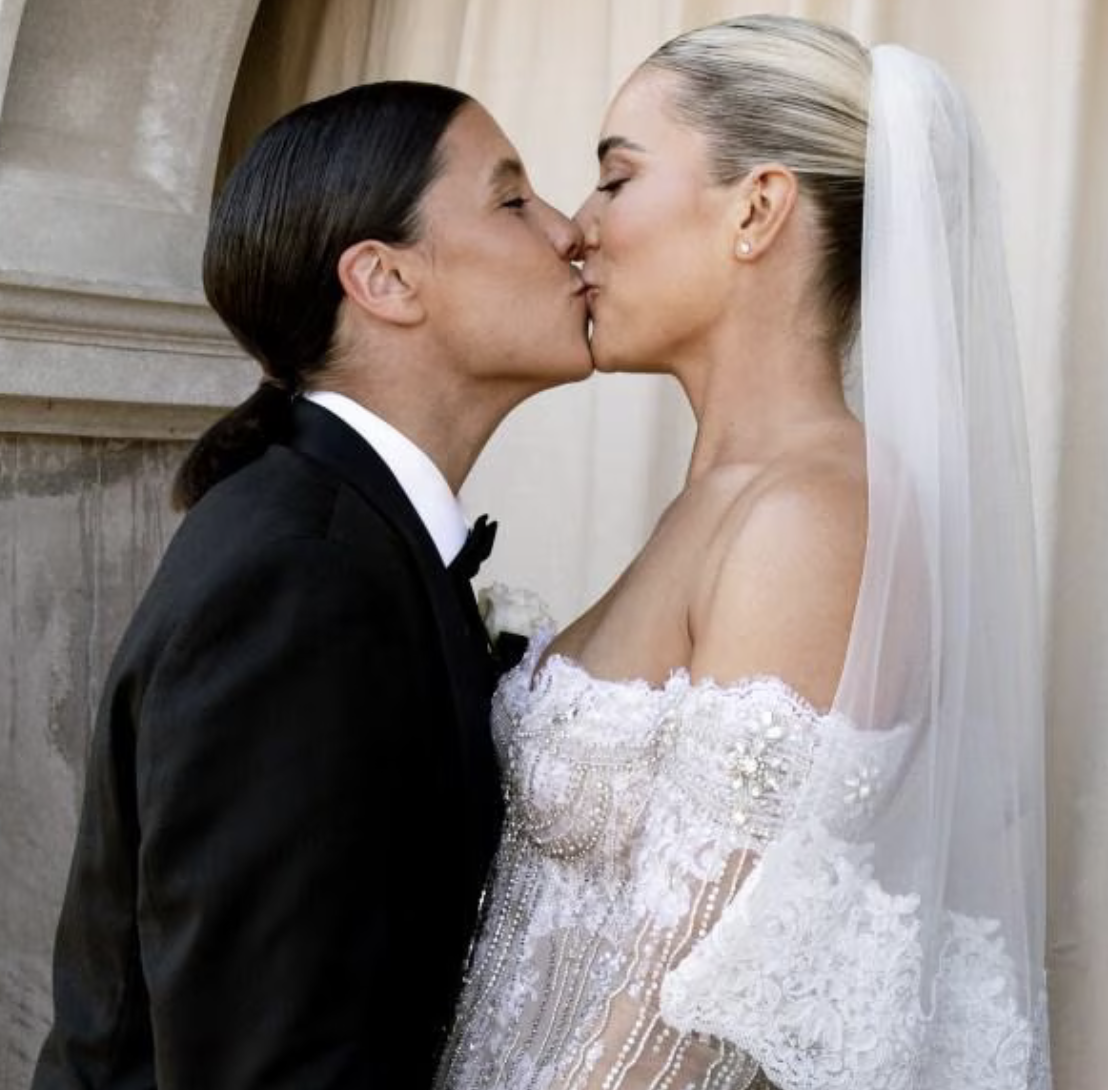
Photo Vogue Australia
Why Sam Kerr Is Celebrated and a Socceroo Would Still Be a Shock
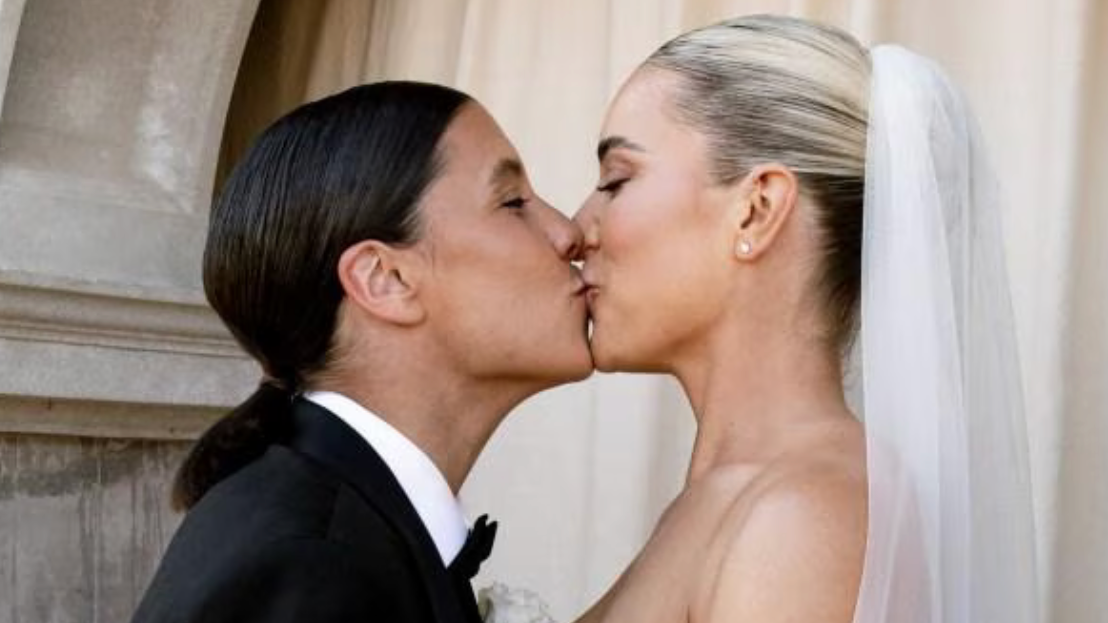
We all saw the joy around Sam Kerr’s wedding.
Celebration. Pride. Love. Visibility.
She is openly gay. It was not framed as bravery. It was simply life.
Sam Kerr’s wedding showed what acceptance can look like in football. It also quietly showed us where the men’s game has not yet arrived.
Now ask yourself this.
If a current Socceroo, in his prime, came out tomorrow, would the reaction feel the same?
We know the answer.
That difference is not really about sexuality.
It is about gender, power, masculinity, and the culture men’s football still carries.
The history men’s football still carries
Ken often talks about earlier decades in football. The 60s and 70s. He says there were players “everyone knew” about. Nothing was said openly. Just whispers, sniggering, coded comments behind hands.
That silence was not acceptance. It was containment.
Then in 1990, Justin Fashanu came out in England. The first male professional footballer to do so publicly. The reaction was brutal. Media frenzy. Isolation. Stigma. His story ended in tragedy.
That moment mattered.
Men’s football absorbed a lesson, not about inclusion, but about risk. The message that travelled through the game was simple, this is dangerous.
Women’s players have faced their own battles for respect, funding and legitimacy. But the cultural fight around sexuality unfolded differently in their game. Women’s football did not carry that same public trauma point. That difference still echoes.
Cultures remember, even when they don’t speak about it.
Where I sit in this story
Andy Brennan has been part of our football life since he was four years old. My son’s best mate. In and out of our home. One of “our boys”.
He is also a very good footballer. He came through South Hobart, earned a move to South Melbourne and later played in the A-League with Newcastle Jets. He has lived inside elite men’s football environments.
When he told me he was gay and that he was going to come out publicly, my first instinct was not judgement. It was fear.
Fear of crowds. Fear of headlines. Fear of what football environments can be like and what they would do to him.
That protective, mother reaction says as much about men’s football culture as any analysis does.
Andy went on to be more resilient than I imagined. Happier. More confident. More himself. But my first response was shaped by the history this game carries.
Women’s football grew differently
Women playing football were already stepping outside traditional gender expectations. The sport developed fighting for recognition, not protecting a long-established identity.
LGBTQ+ visibility became part of the culture early. Not as a campaign, but because players existed and did not hide.
So now:
Matildas share partners on social media
Sponsorship campaigns include same-sex relationships
Fans celebrate it as normal
The Matildas have been allowed to be whole people in public. Male players are still expected to be only footballers.
That visibility does not destabilise the identity of women’s football. It fits the story the game tells about itself.
The commercial contradiction
Women’s football is marketed around authenticity, diversity, community and relatability.
Men’s football has long been marketed around power, toughness, tradition and the “alpha” image.
LGBTQ+ visibility sits comfortably in the brand story of the Matildas.
It disrupts the traditional brand story of men’s football as it has been packaged for decades.
So you see visibility in the women’s game.
And near invisibility in the men’s.
Not because gay male players do not exist. But because openness is still treated as commercial and cultural risk.
Why men’s football reacts differently
Homophobia in men’s football is rarely just about sexuality. It is about policing masculinity.
Being gay has wrongly been treated as being “less of a man.” That idea lingers in dressing rooms, terraces and commentary culture.
A gay female player does not threaten a straight man’s identity.
A gay male player challenges the narrow definition of masculinity that sport has carried.
That discomfort sits underneath a lot of reactions, even when no one says it aloud.
The role model burden in men’s football
In the men’s game, coming out rarely stays a private act.
A player does not just remain a winger, a defender, a teammate.
He becomes “the gay footballer,” a spokesperson, a symbol, a headline.
His identity becomes part of his public job, whether he wants it to or not.
That is exhausting.
Women’s football has reached a point where sexuality is increasingly just part of who someone is, not the defining narrative. In men’s football, the story still attaches itself to the person.
That added pressure, media attention and expectation to represent a whole community is another reason some players stay silent.
Silence in men’s football has often been less about shame and more about survival.
Crowd culture matters but not in the way people think
Go to a Matildas game and you will see just as many men as women. Dads. Brothers. Young boys. Older men. Hardcore football fans.
Men who support the Matildas. Men who take their daughters. Men who cheer openly for gay players without hesitation.
So the issue is not that men cannot accept gay athletes.
It is that men’s professional football has historically built a performance culture in its terraces where aggression, banter and intimidation are part of the ritual. That culture developed over decades in men’s leagues.
Women’s football crowds grew in a different way. Not softer, but less tied to proving masculinity through confrontation. That difference shapes what behaviour feels normal in the stands.
It is culture of environment, not gender of spectators.
Progress, but slow
Things are changing. Younger players grew up in a different world. Many dressing rooms today are more open than they were even ten years ago.
Clubs talk more about inclusion. Teammates often privately support each other more than people realise.
But football is tradition-heavy. Culture change often arrives with a generation, not a policy.
So progress exists. But for the individual player considering coming out, “things are better now” still does not feel like certainty. It still feels like stepping into the unknown.
That gap between progress on paper and safety in practice is where hesitation lives.
Why this matters
Somewhere there is a young girl watching the Matildas and seeing herself reflected.
Somewhere there is a young boy in football who still feels he must hide.
The difference is not talent.
It is culture.
And culture can change.
Before we hear personal stories, we need to understand the environment those stories sit inside.

It All Started at Meercroft Park

Danelle Last. It all started at Meercroft Park.
Danelle Last: Devonport Junior Soccer Association
I have known Danelle Last for many years, and I have lost count of the times I have called her for advice.
Usually it has been around the messy, high-pressure stuff, administering big junior events like the Hobart Cup, sorting systems, schedules and solving problems before anyone else even realises they exist.
Danelle is one of those people who makes junior football work.
Not with noise.
With competence.
With care.
And with a steady hand.
Football Faces Tasmania interview -
I love stories like Danelle Last’s because they are so recognisable.
Not the “born with a football at your feet” stories.
The real ones.
The ones where football comes barging into a family’s life, almost by accident, and then never really leaves.
Danelle didn’t grow up in football.
She grew up in an oval shaped football family, which is Tasmania in a nutshell.
But once her boys stepped onto the grass at Meercroft Park, it was over.
Saturday mornings became the rhythm of their family.
And eventually, so did committee meetings, team management, state team travel and all the invisible work that holds junior football together.
Since this interview was first done, Danelle has stepped away from her formal role at Devonport Junior Soccer Association, but in the way that so many good volunteers do, she hasn’t stepped away from the people.
She continues to mentor those who have taken on the roles behind her and she is still right there in the background, supporting her family as they chase their own sporting journeys.
That says as much about her as anything in this interview.
First football memories
My first football memories came from my boys.
Growing up we were an oval shaped football family. I knew absolutely nothing about the round football.
When our children got to an age where they could participate in a team sport, our first chose football.
In 2007 our Saturday mornings at Meercroft Park started with one playing and the other three following in the years to come.
My husband was always involved with coaching one of their teams.
Who instilled my love of football?
Most definitely watching my four boys play.
How long have you been involved and what roles have you played?
My personal involvement started in 2013.
It was the first year of the new Port Sorell Primary School and I was asked to coordinate the school teams. A joint role at the time with Ian Davies.
In 2014 I was asked to attend a Devonport Junior Soccer Committee meeting.
In 2017 I stepped into the role of Secretary, knowing I had big shoes to fill with the amazing job my predecessors, Marlene Crabtree and Bonnie Phillips, had done.
As my boys reached high school, I also filled roles as team manager for Youth Strikers teams.
What was football like in Tasmania when you started, and how has it changed?
I knew nothing about football when our boys started to play.
But in the time I have been involved, I have seen lots of good progressions and a few regressions.
The development and priority of women and girls has been encouraging.
There is now, for most people, a bigger emphasis on development.
How has football affected you and your family?
When football came along and became such a big part of my life it was quite a surprise.
The people who are now lifelong friends.
The DJSA committee (former and current) that are, in my biased opinion, the best committee in the state.
Friendships made at the Strikers, other associations, the boys state teams and through Football Tasmania.
Regardless that two of our boys have eventually chosen different sports, football has been a big part of all their lives.
Playing, reffing, coaching, state teams, the year of travelling to Hobart two to three times a week.
The friendships, the mentors, the coaches, the managers.
The people that have supported, encouraged, celebrated, and commiserated.
Which Tasmanians have affected your involvement in football, on and off the field?
When I saw this question, my thoughts went to the people that have made me want more for the game, more for Devonport, and made me want to be a part of the progression.
They have become my close friends, the people that have shared so much of this football journey with me.
Richard and Jayne Bidwell.
The other person is someone who has always been there for Justin and myself as a go-to person for advice, but more importantly as a mentor and role model for my boys.
Chris McKenna.
If you could change anything in Tasmanian football, what would you do?
Playing, training, coaching, refereeing would be accessible and welcoming to everyone.
Looking back, what do you think your legacy might be?
I hope it is a while before I leave a legacy as such!
I have been fortunate that football has enriched my life personally and as a Mum.
So many highlights, proud moments, and experiences.
Those first under six games to NPL and everything in between.
Standouts being, a manager for a team DJSA took to the Kanga Cup in Canberra, watching my eldest son coach my youngest and a special recent NPL game.
But it all started for us at Meercroft Park.
I would hope that I have helped make a difference in ensuring that each and every player, coach and referee attend on a Saturday morning and at the Devonport Cup, feeling safe, supported, included, and looking forward to the fun they will have.
I cannot take credit for the success of Devonport Junior Soccer Association, but I can be proud to be part of such a great team.

Women’s Football: “But No One Comes to Watch”

This week Professional Footballers Australia (PFA) released a 39-page document titled Ready for Takeoff.
It’s a long document.
But the message is simple.
Australian women’s football is at a Rubicon moment again and the A-League Women needs to relaunch as a fully professional competition, using the upcoming Women’s Asian Cup as the springboard.
Not someday.
Not slowly.
Now.
The paper makes one key argument that applies far beyond the A-League.
Progress is itself the product.
Women’s football will not grow through slogans or marketing.
It will grow when the sport embodies the advancement of women athletes.
That means standards.
And if that feels relevant nationally, it should feel even more relevant here in Tasmania.
Because in local football, standards aren’t theoretical.
They show up in the smallest details.
And they shape the whole experience.
Progress is not a vibe
There is a habit in sport of treating women’s football as something that can be marketed into importance.
A new logo.
A new campaign.
A few nice words.
But women’s football audiences can smell tokenism immediately.
Progress is not a vibe.
Progress is practical.
Progress looks like:
the same training opportunities
the same access to facilities
the same seriousness in matchday presentation
coaching standards that are not negotiable
a league structure that matches the words “elite competition”
You cannot market your way out of low standards.
“But no one comes to watch”
I remember being in a Presidents meeting years ago discussing the idea of charging a gate for women’s football.
Someone said it casually, as if it was a final truth.
As if crowd numbers were the test women’s football had to pass before it deserved standards.
I didn’t see that as the point then.
I don’t see it as the point now.
Because in women’s football, crowds are not the starting point.
Standards are.
Crowds don’t come first
If you want people to treat something like a serious product, you have to treat it like a serious product first.
Women’s football doesn’t grow because someone waited patiently for the crowd numbers to justify investment.
It grows because leadership decided the product was worth backing.
This is the loop women’s football keeps getting trapped in.
Women’s football won’t draw crowds until it looks serious.
But it won’t be treated as serious until it draws crowds.
Standards are the circuit breaker.
The gate is not just money
At South Hobart, we charge a gate for women’s games.
Some people argue they shouldn’t have to pay.
They say they’ve never had to pay before.
But what that really reveals is this.
Women’s football has never been valued properly before.
A gate is not just a fundraiser.
It is a signal of value.
A gate says:
This match matters.
This competition matters.
This is elite sport in this state.
Set the standard.
Raise the bar.
Celebrate the product.
The quiet hypocrisy
There are people who sneak in before we are even set up, just so they don’t have to pay.
They will talk about supporting the women’s game.
Then they won’t hand over $12 at the gate.
To me, that is totally pathetic.
Not because the club needs their $12.
But because it exposes what they really believe women’s football is worth.
If you can’t pay $12 to watch women athletes competing at the top level of the state game, then your support is performance, not principle.
Classification drives standards
This conversation connects directly to one of the most important issues in Tasmanian women’s football.
Women have not always been classified and treated the same as men.
Here is the truth.
If the women are not classified as NPL, they are not treated as NPL.
Classification is not symbolic.
It is a lever.
It creates:
minimum standards
compliance expectations
resourcing decisions
matchday requirements
seriousness in delivery
When standards are optional, women’s football becomes optional.
And optional always means last.
Women’s football cannot grow on leftovers
In community football, inequality rarely arrives as policy.
It arrives as default.
It shows up in hundreds of small decisions.
Later training times.
Smaller spaces.
No full-sized goals.
Facilities that are “good enough”.
Then months later, someone asks why more people aren’t watching.
That isn’t analysis.
That is sabotage.
Local football is nuanced
Sometimes inequity is not malicious.
Sometimes it is simply invisible.
I remember complaints coming to me as President that could have been fixed instantly if someone had spoken earlier.
No full-sized goals.
No access to a full field.
Sorted.
Often with one conversation.
But sometimes those concerns arrive months later.
And by then, you’re not fixing a problem.
You’re repairing trust.
Silence becomes a survival strategy for many women.
But silence is expensive.
Why FT hesitates to call it NPL
Calling the women’s competition NPL is not just a label change.
It changes everything.
NPL triggers standards.
Standards trigger consequences.
Once you attach the NPL badge, you are promising minimum expectations around facilities, training access, coaching quality, and matchday professionalism.
That means compliance.
And compliance means enforcement.
Enforcement means saying no.
Some clubs would not meet the standards.
So the governing body has to choose.
Lift standards and enforce them.
Or keep standards negotiable.
Negotiable standards allow everyone to say they support women’s football without ever having to prove it.
That is the blunt truth.
A fair note on volunteers
Volunteer clubs are stretched.
People are tired.
Raising standards does increase workload.
That is real.
But this is exactly why the governing body has to return to basics.
Not by charging clubs more each year.
But by actually helping them lift standards.
Practical support.
Clear templates.
Shared services.
A governing body that serves, not just administers and invoices.
“The way it has always been” is not an argument
This is the most common defence in football.
Someone challenges the standard.
The reply is tradition.
But tradition is not a reason.
It is a habit.
And women’s football has spent decades on the wrong end of convenience.
If Tasmanian football wants women’s football to grow, it must be built through standards.
Not excuses.
Progress is the product
The PFA paper is national.
But its logic applies everywhere.
Progress does not happen because we post the right graphic.
Progress happens when we act like women’s football matters.
On the field.
Off the field.
In facilities.
In standards.
In classification.
Women’s football is already good enough.
What’s missing is the will.
Women in Football Leadership: Progress, Reality, and What Comes Next
Photo credit Patrick Gee
When Equality Isn’t a Theme Week
If there is one thing football has taught me, it’s that progress rarely happens by accident. It happens because people are prepared to say the uncomfortable thing out loud.
In 2019, I did exactly that when I stood in a room of football people and politicians and delivered a speech at a breakfast for Female Football Week organised by Football Tasmania. It raised eyebrows and, I suspect, made a few people shift in their chairs.
It wasn’t meant to shock anyone. It was simply the truth as I saw it then, and still see it now.
Here is an excerpt from that speech:
“Thank you for considering me for this award.
I am a woman and I don’t just wash the shirts.I want to preface the comments I am about to make. I love this game. I have a great working relationship with my male colleagues, and I respect the administrators of our game at Football Tasmania. I am sorry if the following might appear inappropriate while we are celebrating the wonderful women in the room. Oh, and I might add, I like men very much.
Unfortunately, I don’t feel particularly special, because in reality how many female football administrators are there in Tasmania? Three? Five? Ten?
This is my ninth year as President of South Hobart Football Club and my sixteenth year at the club. My club is 108 years old and I am only its second ever female President. In that time there has been no female CEO of Football Tasmania, no female technical director, no female NPL coaches, and only a handful of women on the Football Tasmania Board. We cannot accept this as normal.
Why do we need Female Football Week? Who created this week? When is Male Football Week? Who decided that women needed to be celebrated separately?
I don’t want to be a quota or a percentage. I don’t want to be celebrated because I am female. I want to be recognised because I am a club President, not a female club President, just a club President.
Women make up 51% of the population and we want 51% of the jobs in football. Not because we are women, but because we do a good job.
So to the young women in the room, I hope you are not the best female anything. I hope you are the best referee, the best player, and I hope one day I am just the best administrator.”
At the time, those comments surprised some people. They still do.
The truth is, Female Football Week has always felt tokenistic to me. Well-intentioned, perhaps, but ultimately superficial. A way to say “we’ve acknowledged women” without changing the structures that keep them out of leadership the rest of the year.
Celebrating women for seven days does not fix the reality that we are under-represented in leadership 365 days a year.
I don’t want a themed week. I want equality embedded into the culture of the game.
What Has Improved Since 2019
There has been progress, and it deserves to be recognised.
Football Australia now has its first female Interim CEO. Several state federations have appointed women as Presidents or Chairs. More women are appearing on boards and governance committees. Pathways for referees, coaches and administrators are slowly opening, and young women can now see female leaders where once they saw none.
I’ve also witnessed moments of genuine progress: young female referees taking control of senior matches with confidence, women joining committees as contributors rather than tokens, and coaches stepping into leadership roles that simply did not exist when I started.
These aren’t symbolic wins. They are signs of a sport beginning, slowly, to grow up.
But We Are Still a Long Way from Equality
The uncomfortable truth is that women remain largely absent from the rooms where decisions are made.
Most state federations still have male CEOs. Technical and football leadership roles remain overwhelmingly male. Club presidencies and high-performance coaching roles are still dominated by men. Female leaders are often praised symbolically, but rarely supported structurally.
Women are not missing from leadership because they lack ability. They are missing because the path remains steeper and narrower than it should be.
Until we say that plainly, nothing changes.
What Leadership Has Taught Me
Leadership has shaped me in ways I didn’t expect. It has made me sharper, more resilient, more strategic, more patient, and occasionally more tired than I’d like to admit.
It has also made me very clear about the game we could have if we stopped accepting the bare minimum as progress.
Football doesn’t need women to be grateful.
It needs women to be visible, respected, and supported.
Acknowledging the Men Who Support Equality
I have worked with many male colleagues who have been supportive, respectful and collaborative. Men who understand that equality is not a threat, but an asset. They have never treated my leadership as a novelty or an inconvenience.
Their presence proves that cultural change is possible.
I have also encountered attitudes and behaviours that made leadership harder than it needed to be. Both realities can exist at the same time, and acknowledging one does not cancel out the other.
As I Step Down, What I Hope Comes Next
Stepping down from my role at South Hobart has given me space to reflect.
I never wanted to be “the female President” or “the only woman in the room.” I wanted to lead because I cared, because I worked hard, and because I was capable.
What I want now is simple: more women in positions of influence.
Women setting direction.
Women shaping competitions.
Women running clubs.
Women leading football departments.
Not as exceptions. Not as gestures. As a normal, expected part of the game.
Football doesn’t need more symbolism.
It needs women in roles that actually matter.
Where My Voice Goes From Here
I will continue to speak openly about these issues, because football in Tasmania will never reach its potential while half its participants remain under-represented in leadership.
If you are a club administrator, parent, coach or player, ask yourself:
Does leadership at your club reflect the people you represent?
If the answer is no, then ask the next question.
What are you prepared to do about it?
Football will be better, stronger and fairer when leadership reflects the people who love the game.
When women stop being the exception and finally become the expectation, then we will know the sport has grown up.
Until then, I will continue to love this game fiercely.
Fiercely enough to demand better from it.