
Football 101: If You Want Our Vote, Talk to Us About Football

Local council elections are coming in Tasmania this October.
In the coming months, candidates will begin to put their hands up. They will talk about community, lifestyle, infrastructure, and liveability.
But there is a question football should be asking.
Where do we fit in that conversation?
Because football is not a niche activity. It is not a small interest group.
It is, by participation, Tasmania’s most played team sport.
And yet, after more than two decades working across clubs, associations, and councils, I cannot point to a clear, unified approach from football when it comes to local government elections.
I have worked with multiple councils through my roles with Central Region Junior Football Association, South Hobart Football Club, Morton’s Soccer School and the Hobart Cup.
Good people. Genuine intent.
But no consistent framework from our game about what we are asking for.
No shared language.
No clear set of expectations we put to candidates.
That feels like a gap.
What councils actually control
Councils don’t run football.
But they shape almost everything around it.
They are responsible for:
the grounds we play on
access to those spaces
pitch quality and maintenance
lighting
changerooms and amenities
how spaces are shared
what gets funded, and what doesn’t
They decide whether football is accommodated, tolerated, or properly planned for.
That distinction matters.
A moment worth using
This election cycle gives us something we don’t often use well.
Access.
Candidates are listening.
They are open.
They are looking to understand community priorities.
So the question becomes not just what they will say to us.
But what we are prepared to ask of them.
Participation and investment
Across Tasmania, significant investment has gone into sporting infrastructure over time.
Much of it deserved and well used.
But football continues to grow at participation level, particularly in junior football and in the women’s and girls’ game.
And that growth brings pressure.
On space.
On facilities.
On planning.
This is not about competing with other sports.
It is about ensuring that investment reflects participation, and that planning reflects where the game is heading, not just where it has been.
Girls and women
This is the question that cannot be avoided.
Participation in the women’s and girls’ game continues to grow.
Facilities have not always kept pace.
If we are serious about that growth, then councils need to be part of the solution.
Not reactively.
But through planning.
Through design.
Through recognising that access is not just about having a field, but having a space that feels like it belongs to you.
The six questions
Over the coming months, I will be asking local council candidates across Tasmania the same six questions.
Short. Direct. Answerable.
But not easy to avoid.
How do you see football fitting into your vision for community sport in your council area?
What would you prioritise to improve football facilities locally, including pitches, lighting, and changerooms?
How will you ensure girls and women in football have access to appropriate and equitable facilities?
How should councils balance competing uses of shared spaces, including informal recreation and organised sport?
How will you engage with local football clubs and volunteers when making decisions that affect them?
What does long-term planning for football look like in your area, beyond the next election cycle?
Candidates will be given the opportunity to respond.
If a response is received, it will be published in full.
If no response is received, that will also be noted.
Why we haven’t done this before
Football in Tasmania has become very good at getting on with it.
We organise.
We adapt.
We make things work.
Often without asking for much.
But that comes at a cost.
We act in isolation.
We solve problems locally.
And we rarely present a united, visible position when decisions are being made.
That is not a criticism.
It is a pattern.
And it is one we have an opportunity to shift.
This is where it becomes collective
This cannot just be one voice.
I will be speaking to candidates.
I will be sharing their responses.
Working with Matthew and his platform, Tassie Football Central, we will use that reach to explore how we grow the game and bring these conversations into the open.
But if this is going to mean something, it needs to come from across the state.
From clubs.
From parents.
From volunteers.
From associations.
If you are involved in football anywhere in Tasmania:
Ask the questions.
Send them to your local candidates.
Share the responses. Send them to me. Please let’s work together.
Make football visible in a conversation where it is too often missing.
Why this matters
For a long time, football in Tasmania has been resilient.
Self-sufficient.
Used to working around constraints rather than shaping them.
But participation gives us something we don’t always use.
A voice.
Not loud.
Not aggressive.
But consistent.
And visible.
A small step
This is not about endorsements.
It is not about politics.
It is about making sure that when decisions are made about community spaces, football is deliberately included in that conversation.
Not after.
Not on the margins.
But in the room.
Closing
We have the numbers.
Over the next six months, we’ll find out who is prepared to listen.
And what they are prepared to do.

700,000 View Later

The quiet rise of Tassie Football Central, and what it says about football in this state
I have been thinking a lot about Tassie Football Central this week.
Not critically. Not defensively.
Just… properly.
Because sometimes in football we are very quick to point out what is missing.
And much slower to recognise what is actually working.
Matthew sent me these screenshots this week. They are worth a closer look.
What Do These Numbers Actually Mean? (A Simple 101)
Because “700,000 views” sounds big.
But what does it actually mean?
Views are not people
A “view” is not the same as a person.
It can be:
someone stopping to read
someone scrolling past
or someone seeing the same post more than once
So no, this is not 700,000 individuals.
But it is something just as important.
It is football in Tasmania being seen, over and over again, at scale.
This is not one post going viral

Look at the graph.
This is not a spike.
It is:
10,000 to 40,000 views
almost every day
across a full month
That tells us this is not luck.
It is consistent attention.
People are coming back.
Engagement tells the real story
Alongside the views is another number.
Around 67,000 to 68,000 engagements.
That is:
comments
reactions
shares
This is the important part.
People are not just seeing football.
They are responding to it.
And it is growing
Views up around 30 to 35 percent
Engagement up around 70 percent
Engagement growing faster than reach usually means one thing.
The conversation is getting stronger.
This is all organic
There is no monetisation here.
No paid promotion.
No commercial push.
Just people:
posting
reading
reacting
That matters.
So what does it tell us?
It tells us something simple.
Football in Tasmania is not being ignored.
It is being watched:
tens of thousands of times a day
hundreds of thousands of times a month
And it is being talked about.
What sits behind it
These numbers do not just happen.
Matthew has built something that people clearly use.
Every day.
He has also been open about how hard that can be at times.
And yet he keeps showing up.
Because what started as a simple idea has grown into something the game now relies on, whether we say it out loud or not.
The other side of it
And it is probably worth saying this as well.
Platforms like this exist because, in many ways, football in Tasmania does not have a strong, consistent external voice.
So something fills that space.
Not perfectly.
Not always cleanly.
But necessarily.
Because people want somewhere to:
follow the game
talk about it
react to it
And right now, this is where much of that happens.
Where I sit in it
Matthew was kind enough to thank me for helping drive views.
But the truth is, it works both ways.
Posting on his platform has given my writing somewhere to be seen. And for a new blog, that is gold.
From relatively small beginnings, I now regularly have more than 1,000 of you reading my work each day.
That does not happen without somewhere for it to be seen.
And it comes with responsibility.
Where I think I fit
If Tassie Football Central is where football is talked about, then my role is different.
To:
step back
look at patterns
and try to make sense of what we are actually seeing
Not to compete with it.
But to sit alongside it.
It is not perfect, and that is fine
Tassie Football Central is not perfect.
It can be reactive. Emotional. Messy at times.
But it is also:
immediate
accessible
widely used
and followed
And in a state where football does not have:
consistent media coverage
a strong external voice
or a coordinated storytelling platform
that matters more than we probably admit.
The takeaway
I often say football in this state needs a voice.
But these numbers suggest something slightly different.
The voice is already there.
The real challenge is what we do with it.
And maybe that is the next step.
Not building something new.
But learning how to use what we already have.
No One Puts Baby In A Corner

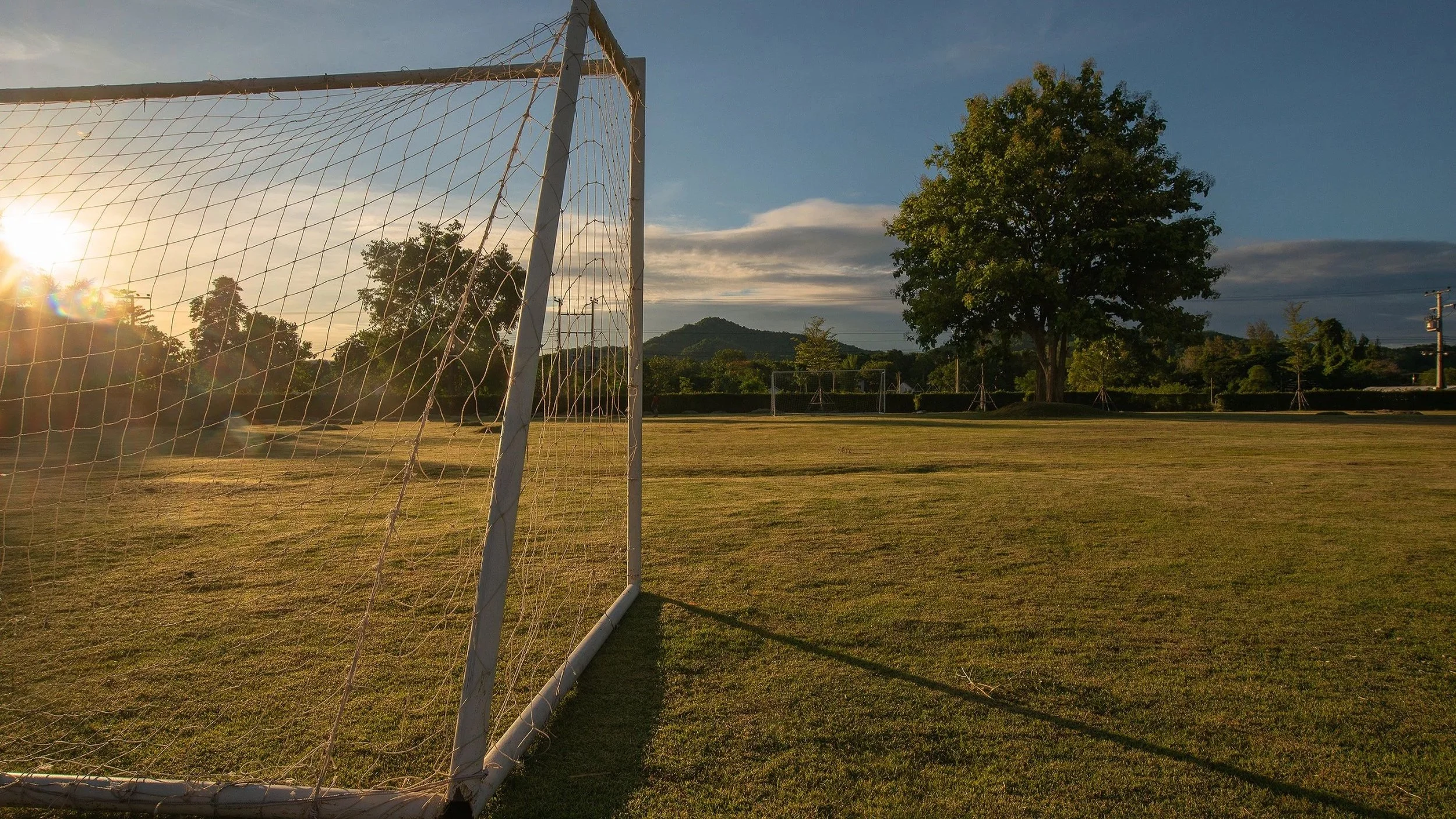
This is a more realistic image of the facilities of football in Tasmania
Thanks to those who took the time to read my early morning writing yesterday.
The April Fools piece clearly struck a chord.
Why That Piece Landed
I didn’t expect it to land the way it did.
But it has.
By some margin, it’s the most read thing I’ve written.
Which makes me stop for a moment and ask why.
It wasn’t the writing
It wasn’t particularly clever.
It wasn’t breaking news.
It wasn’t even true.
And yet, people read it.
Shared it.
Talked about it.
Some believed it.
Some wanted to believe it.
That probably tells you everything.
Did it reach anyone who matters?
I’ve been asked that a few times.
Did any politicians read it?
I know a couple of former politicians did.
But what about the ones making decisions now?
Did it make you stop and think?
Not about the article.
About what it would mean to so many Tasmanians connected to this game to feel invisible.
Because that’s what this is
Everyone wants to be represented.
Everyone wants to feel like they matter.
To feel like someone is paying attention.
To feel like someone cares.
And I’ve asked this before, and I’ll ask it again.
Who will be our champion?
What gets noticed
Football in Tasmania rarely makes the front page.
And when it does, it’s not for the right reasons.
A punch.
Inappropriate behaviour.
Dog poo on a ground.
That’s when we’re visible.
Not for participation.
Not for community.
Not for the thousands of people involved every weekend.
What gets ignored
The rest of the time, the game just gets on with it.
Quietly.
Volunteers.
Parents.
Kids.
Clubs.
Week after week.
And somehow, despite being the most played team sport in the state, it still feels like it sits outside the conversation.
Insignificant.
Not worth the time.
It felt possible
That’s the part I keep coming back to.
The piece wasn’t outrageous.
It wasn’t unrealistic.
It didn’t ask for everything.
It asked for something that felt… reasonable.
A fairer share.
A shift in thinking.
A recognition of what already exists.
And that’s what people connected with.
Not the joke.
The possibility.
A habit of being ignored
We’ve become used to being ignored.
So used to it that it’s become a habit.
We’ve adapted.
We’re resilient.
We’re self-sufficient.
We operate in isolation.
We make our own news.
We build our own connections.
We make sure our voice is heard, internally.
But not externally.
And that’s the difference.
Thousands of children playing every weekend.
Across grounds all over the state.
And still, somehow, outside the conversation.
While the biggest decisions about sport in this state are made loudly and publicly,
the biggest participation sport continues quietly on the margins.
At some point, you want someone to step in.
To say, in the immortal words of Patrick Swayze, “no one puts baby in a corner”.
Because right now, that’s exactly where we are being kept.
Not by accident.
By design.
Or by neglect.
Because without one, nothing changes.
And again, I’ll ask it.
Who will be our champion?
Because this is not complicated
We’re not asking to be the biggest.
We already are.
We’re asking to be seen.
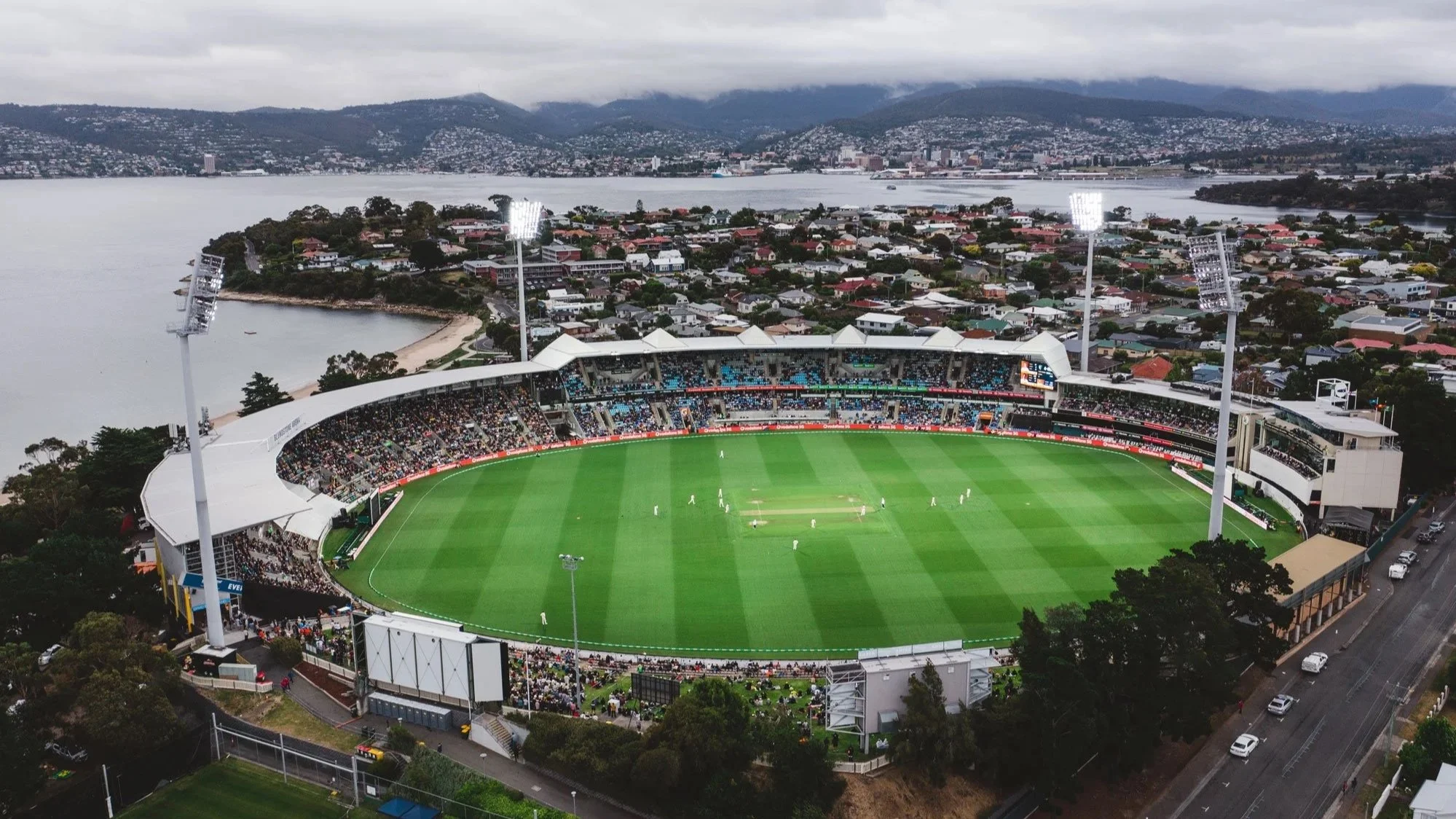
Government Commits $100 Million to Community Football, With Bellerive Oval to be Repurposed
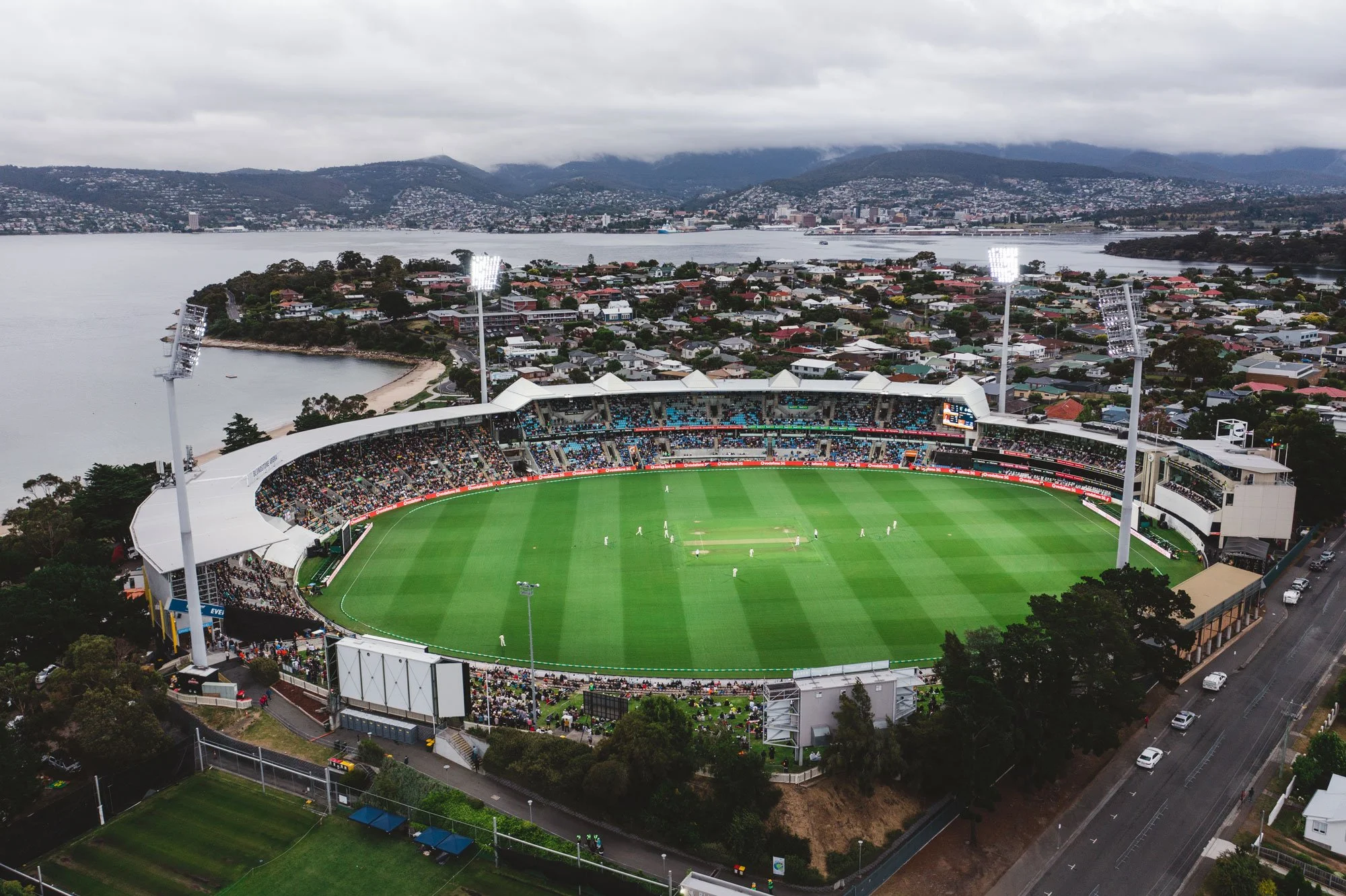
Bellerive Oval
In a landmark announcement, the Tasmanian Government has committed more than $100 million to community football across the state, alongside a decision to repurpose existing infrastructure for the game.
The funding, to be rolled out over four years, will prioritise high-use community grounds and reflects what the Government has described as a long overdue alignment with participation data.
As part of the decision, Bellerive Oval will be repurposed as the home of football, with cricket relocating to its new home at Macquarie Point.
For the first time, investment in Tasmania’s most played team sport reflects its place in the community.
A broader shift in thinking
Jeremy Rockliff said the decision recognised the scale and importance of football across Tasmania.
“We’ve listened to the community and to the data. Football is the most played team sport in our state, and this investment ensures that participation is properly supported at every level of the game.”
He said the reallocation formed part of a broader approach to infrastructure.
“This is about balance. Major projects are important, but so too is ensuring that the sports played by the most Tasmanians have the facilities they need to grow and thrive.”
What that will mean
The Macquarie Point stadium is now projected to cost north of $1 billion.
Ten percent is more than $100 million.
The impact of that level of investment is difficult to overstate.
With 10% now forming part of the allocation, the $375 million “not a red cent more” position has, on this occasion, shifted.
Which, in turn, allows for a broader distribution of investment across sport.
What $100 million will look like
In practical terms, this will include:
Lighting that actually works
Changerooms that reflect who plays the game now
Surfaces that last more than a season
Support for the competitions that carry thousands of players every weekend
Investment in coaching, not just compliance
It won’t solve everything.
But it will change the starting point.
A home for the game
With AFL moving to Macquarie Point, Bellerive Oval will no longer be required in its current form.
Instead, it will be reimagined.
Stands brought in.
A reconfigured rectangular playing surface.
A true football stadium.
Delivered in partnership with the football community.
Not borrowed.
Not shared.
Not compromised.
A dedicated venue for the sport.
Because this is the biggest game in the state
Football is not asking to be the biggest.
It already is.
The most played team sport in Tasmania.
Every weekend, across grounds all over the state, the numbers are there.
What isn’t, is the investment.
The gap
The approach reflects a shift towards participation-led investment across sport.
For years, the conversation has been about what can’t be done.
This reframes it.
Because when a project moves from “not a red cent more” to well beyond that, the question isn’t whether money exists.
It’s where it is chosen to go.
The reality
There is no $100 million for community football.
There is no 10% allocation.
Bellerive Oval is not being handed to football.
Nothing has been repurposed.
Nothing has been rebalanced.
The most played team sport in Tasmania will continue to do what it has always done.
Make do.
Patch up.
Rely on people.
It all sounds obvious when you say it out loud.
April Fools.
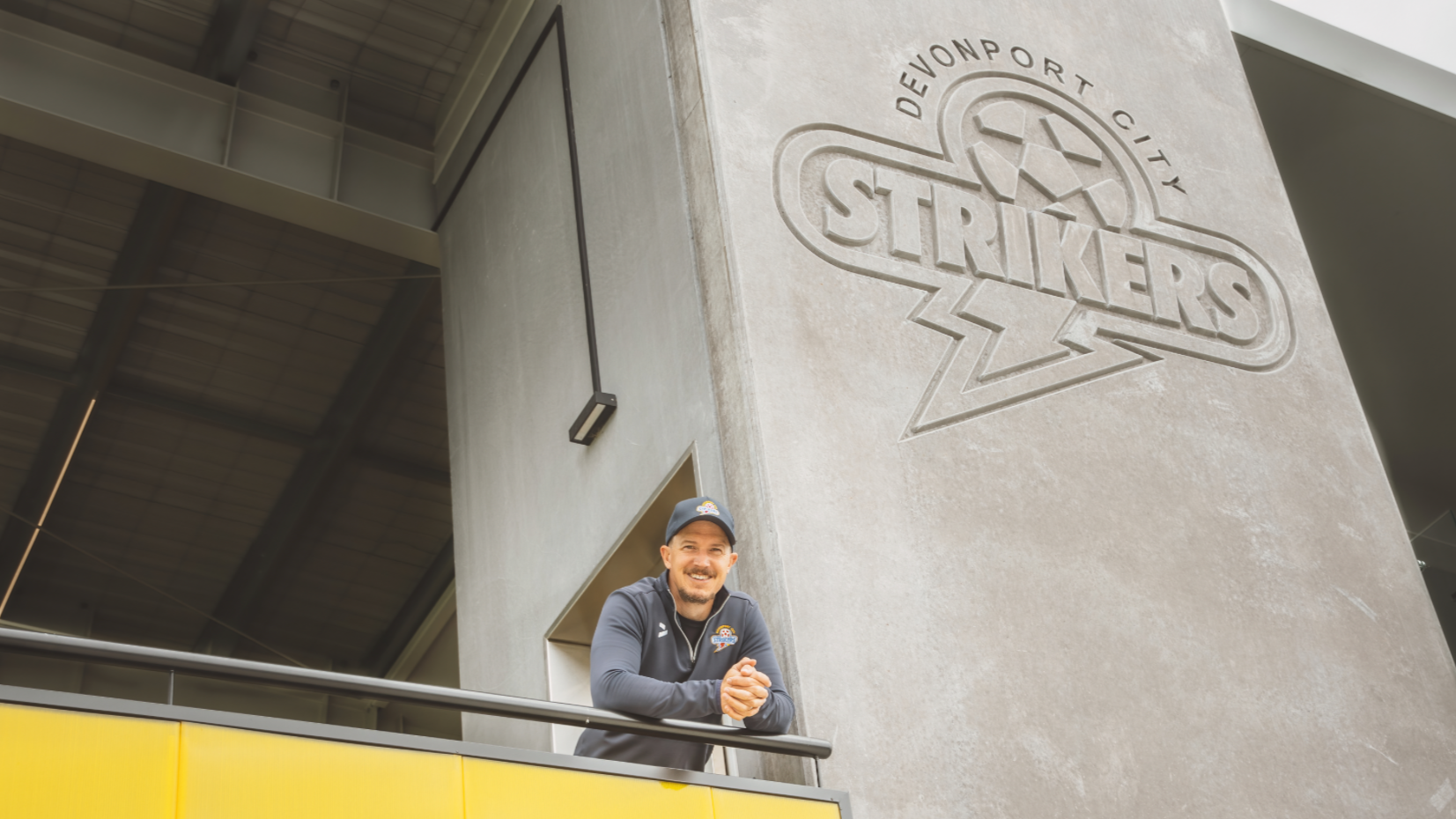
Tom Ballantyne, The Work Behind the Sideline
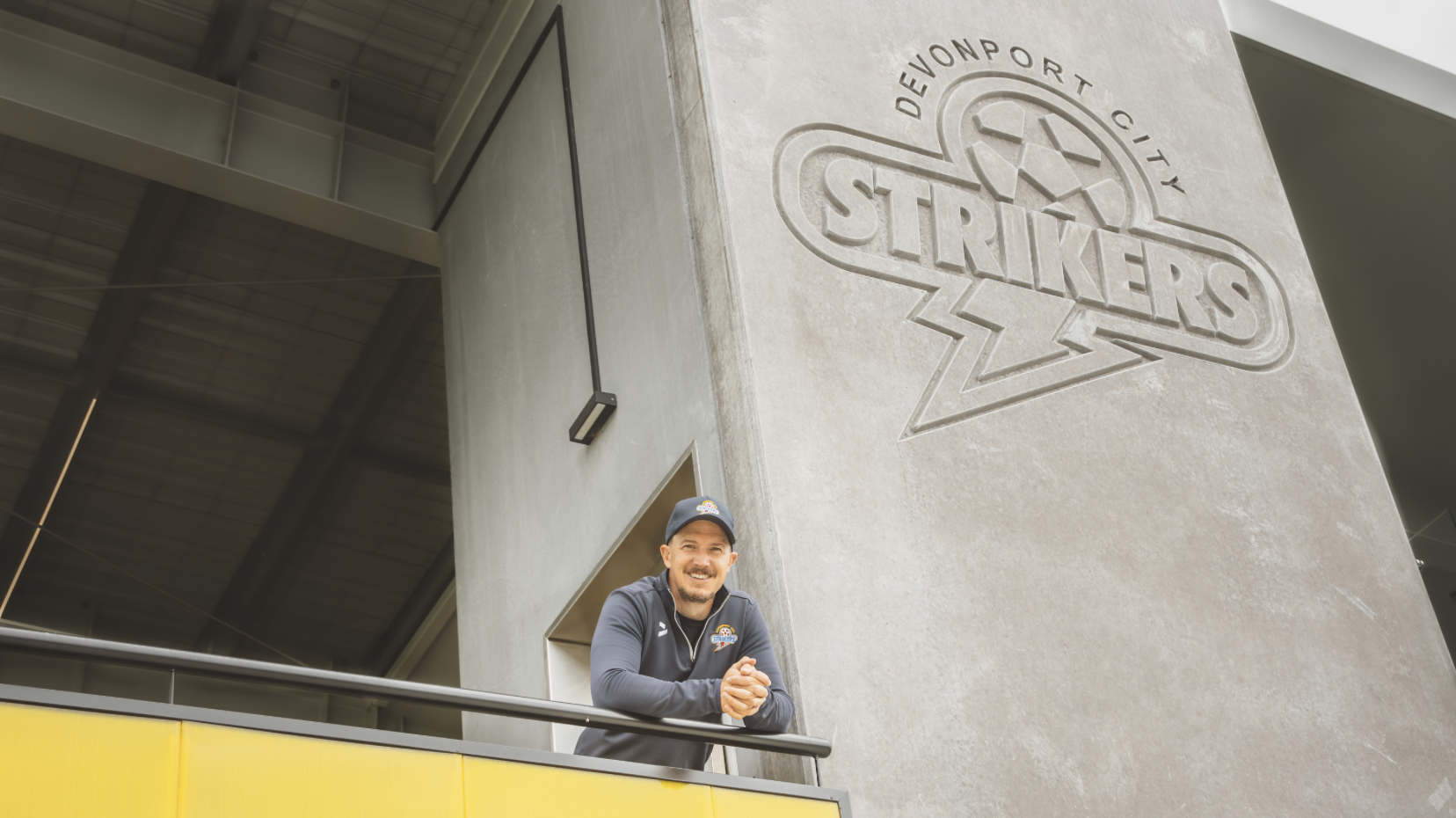
Tom Ballantyne photographed by Nikki Long
Tom Ballantyne is not a coach who spends much time explaining himself.
He is intense on the sideline. He is direct. He is, by his own admission, deeply private. And in a football community that often forms quick opinions, he is a figure who can divide them.
From the sideline, he has always seemed tough, driven, something of an enigma.
Results at Devonport under Ballantyne have been consistently strong, including a dominant title-winning first season and sustained success across both the men’s and women’s programs.
But beyond the touchline, and beyond the noise, there is a different picture. One shaped by family, by an almost complete immersion in the game, and by a simple, uncompromising view of the job.
Winning matters. Standards matter. And what happens inside the group matters far more than what is said outside it.
In his own words, this is how he sees it.
Who is Tom Ballantyne away from football?
In the very short time that I am away from football, I try and spend all of it with my family.
I am a deeply private person, which is why my answers will most likely be short and concise.
Family, pressure and perspective
Yes, I am a husband and dad, but football is football and family is family.
Any head coach will tell you that it is a seven-day-a-week role, with coaching, relationships, conversations, reviewing games, planning, and everything in between. Double that with NPL and WSL, plus my role with Melbourne Victory, and it gets hectic.
Family life can help with the pressures of everything. I come home to two young children, one of which has zero care about whether the teams have won or lost that day, just that dad’s home.
Switching off
Short answer, no.
It’s laughable, but watching other football.
Early influences
My parents and family. They both worked very hard.
I was fortunate to travel and have some incredible experiences when I was young.
Why coaching
I’ve been obsessed with football for as long as I can remember. My mother has always told me that as soon as I could walk, I was kicking a football.
When I played growing up, I was always interested in the ‘why’ with regards to sessions and tactics and was always questioning my coaches from an early age.
I spent time as a volunteer coaching and through that met some amazing people who kept challenging me to do more and encouraging me to take any opportunities that came my way.
There was a period of around four years in the UK where I said yes to every opportunity. By the end of that period, I was pretty much full-time. I guess that’s when it hit that I could do something I genuinely love as a job.
Coaching philosophy
My job is to win games. Let’s face it, if I stopped winning games altogether, I wouldn’t have a job.
But beyond winning, it’s about trying to help players become the best they can be, as well as develop and grow as people.
Through the game, I’ve not deliberately set out to make friends, but I’ve ended up with a trail of people at previous clubs that I remain in contact with. They reach out to me for advice 14 years on, and at least five of my previous players are now coaching themselves.
Sideline intensity
Winning the game is going through my head. I’m not really thinking about what other people are thinking of me.
All coaches are intense in their own ways and all trying to battle and help their team in the moment. We are all trying to get a result, protect our players and manage the situation. Our intensity just comes across in different ways.
How players see him
I didn’t know how to answer this question, so I reached out to a former player who is now coaching himself.
“Away from match day emotion, I think the boys would describe him as professional, organised and extremely knowledgeable about the game.
He’s technically very strong and his preparation is always spot on. Every session had purpose, every game plan was clear, and he communicates it in a way that makes sense, so as players you always feel like you’re going into games prepared.
What I respected most was the balance struck. We worked closely together and had a strong relationship, but there was always a clear boundary between friendship and professionalism. When it came to football, standards were standards. He demanded a lot, but he was fair and consistent, and you always knew where you stood.
I think the group would say he backs his players, empowers his leaders, and creates an environment built on accountability and respect. He cares about winning, but he also cares about developing players and building a strong culture.”
To be honest, this wasn’t the response I was expecting from this individual, as we had numerous quite heated discussions over the years.
Standards and growth
As a coach, I have a few non-negotiables. They are respect, hard work and attitude.
If anything, over the years my belief in those has only become stronger. The teams that have been successful have all had those traits.
Intensity and pressure
It comes from my desire to win, plain and simple.
Coaching men and women
I don’t think many people realise, but I’ve coached women’s football on and off since 2009, more often than not in conjunction with a men’s team.
There’s a quote I saw many years ago by Mia Hamm, that women athletes should be coached like men but treated like women. This is how I’ve worked with the teams ever since.
Just like the men, the women are there to play football and to win. The coaching of the football is the same across both leagues. The difference is in the communication and language used.
Difficult conversations
No, my approach hasn’t really changed.
I remember when I first coached a senior team and had to drop a player that was older than me. It was a hard conversation, but they need to be had.
Some would say ‘tough love’, but wherever possible I’ve always tried to provide honest feedback, even if it’s not received well at the time.
The environment he describes is one built on standards and consistency. At Devonport, that has translated into sustained success.
Devonport Strikers
Relentless drive to improve on and off the field.
Advice to young coaches
Coaching courses don’t teach you about the sacrifices, loneliness and pressure that you have to face. They don’t teach you about people management.
Being a head coach is 80% HR and 20% X’s and O’s.
I would encourage young coaches to watch as many sessions as they can, listen to how coaches coach, read and listen to podcasts from people in different fields that might have crossover.
I have just finished a book by Brené Brown and have now started one by Will Storr on The Science of Storytelling.
Steal ideas, make them your own, and be brave enough to experiment.
What people might not see
To be honest, I’m not worried about what other teams and opposition players think.
Inside the walls of the “Portress”, the players know the real me.
Closing
His answers do not try to soften that picture.
They are short. Direct. At times, deliberately guarded. But they are also consistent.
A coach driven by winning. Grounded, in his own way, by family. And largely uninterested in how he is perceived beyond the players and staff he works with every day.
Perhaps that is why he can seem difficult to read from the outside.
Or perhaps the answers say exactly what they need to.
Licensed, Then Left Alone

Coach Education in Tasmania: The Gap No One Talks About
Coaching is not a side issue
Coaching sits at the centre of football.
It sets standards.
It shapes players.
It defines environments.
Football Australia is clear on this. Coaches are central to player development and the overall quality of the game.
If that is true, then coach development should sit at the centre of the system as well.
The system, in simple terms
Coach education in Australia is structured.
Football Australia sets the pathway, licences and requirements
Football Tasmania delivers it locally
The pathway is formal:
Foundation
C Licence
B Licence
A Licence
It is sequential.
It is assessed.
It is not optional.
Licensing is not a suggestion
This matters.
Coaching qualifications are not just encouraged. They are required.
Under national club licensing:
senior coaches must hold, or be working toward, a B Licence
assistants must hold, or be working toward, a C Licence
Football is not asking for better coaches.
It is mandating them.
Licences do not last forever
Once you get your licence, you don’t keep it.
To remain accredited, coaches must complete - Continuing Professional Development (CPD).
Ongoing development is not optional.
It is part of maintaining your licence.
What it costs
This part matters.
Because coaches are not just giving time.
They are investing their own money.
Courses themselves:
C Licence ~ $1,000
B Licence ~ $2,000+
A Licence ~ $5,000+
Then add time and travel.
When my sons Ned Clarke and Max Clarke completed their licences, they were not offered in Tasmania.
They had to go interstate.
Fly.
Stay.
Commit weeks.
As a family, we estimated the cost across C, B and A at around $40,000 per son once everything was factored in.
The cost has come down since.
But the investment remains significant.
What we expect from these coaches
We expect them to:
plan and deliver sessions
develop players
understand tactics
manage behaviour
adapt in real time
meet licensing standards
We expect them to improve every year.
We mandate qualified coaches.
We require them to maintain their licences.
We assess clubs against coaching standards.
But we do not consistently provide the system that supports coaches to meet those expectations in Tasmania.
What CPD is supposed to be
Ongoing development.
practical learning
discussion
mentoring
observation
A system that keeps coaches growing.
What CPD actually is
In Tasmania, it is difficult to identify a consistent structure.
some online modules
occasional webinars
no regular in-person program
no visible mentoring system
no clear annual calendar
That is the reality most coaches experience.
CPD is not optional.
But access to meaningful, practical CPD locally is inconsistent.
What coaches are telling us
Across the interviews I have done with coaches so far, the message is the same.
lack of ongoing coach education
lack of support
feeling left on their own
This is not one voice.
It is a pattern.
Coaches want to learn.
They are already investing in themselves.
The demand is not the problem.
The reality of CPD
Many coaches don’t build CPD into their year.
They chase it.
Late.
logging in
completing modules
collecting points
Not because they don’t care.
Because there is no consistent system to engage with.
The conference problem
Coaching conferences exist.
But they often miss.
long days
similar content
passive delivery
The day stretches.
Because it has to feel like value.
So it becomes longer.
Not better.
You sit.
You listen.
You take notes.
And then you go back to training and ask:
What do I actually use from that?
Too often, very little.
After the licence
This is the part that sits quietly in the background.
You invest the money.
You complete the course.
And then…
Nothing.
No follow-up.
No system.
No ongoing engagement.
You are back on the ground.
Working it out yourself.
And what happens next
Coaches don’t stop wanting to learn.
They just look elsewhere.
They connect with:
interstate coaches
overseas contacts
private networks
They share ideas.
They solve problems.
They build their own development.
Tasmanian coaches are developing themselves outside the Tasmanian system.
When coaches have to leave the system to develop,
the system is no longer leading their development.
Who should be delivering this?
At a state level, this should sit clearly within Football Tasmania.
the Technical Director owns coach development
coach education staff deliver courses and support
the federation provides a consistent CPD program
Not just licences.
A system.
Right now, the structure is thin.
A Technical Director.
Course delivery when scheduled.
No clearly visible, ongoing system that supports coaches once they are qualified.
This is not about individuals.
It is about structure.
Where responsibility sits
Football Australia sets the framework.
Football Tasmania delivers it locally.
The expectations are clear.
The delivery, at scale, is not.
Why this matters
One coach works with:
15–20 players
across multiple teams
over multiple years
That becomes hundreds of players.
Sometimes thousands.
One coach will influence more players in a year
than most programs will in a lifetime.
If you want to impact players at scale,
you invest in coaches.
The question
If coach development is central to the game,
where is the system that supports it, week to week, in Tasmania?
The uncomfortable truth
We have built a system that:
requires coach development
mandates CPD
enforces standards
But not one that consistently delivers it.
Final line
We ask coaches to invest thousands of dollars.
We require them to maintain their licences.
We expect them to improve players every year.
And then we leave them to do it alone.
Not because they have to.
Because that is how the system currently leaves them.

The Weight of an Hour and Fifteen
Grassroots football runs on volunteers.
That’s the truth of it.
Without them, there is no training, no teams, no competition.
No game.
And yet, from the sidelines, there is always noise.
Opinions.
Instructions.
Corrections.
Plenty to say.
Very few willing to do.
Alex is still in traffic at 5:20.
It’s not a short trip.
It’s not a clear run.
He’s coming straight from work, negotiating the usual mess just to get there on time.
Training starts at 6.
He arrives at 5:45.
That’s early enough.
5:45pm
He’s out of the car quickly.
Boot open.
Cones out.
Balls out.
Goals moved.
The pitch isn’t empty.
Kids are already there.
Because for some families, drop-off time is flexible. Start time isn’t.
Some kicking a ball.
Some wandering.
Some waiting.
Training hasn’t started.
But in their minds, it has.
6:00pm to 7:15pm
This is U13s.
They train twice a week.
An hour and fifteen each time.
Not everyone comes both nights.
So every session is different.
Different numbers.
Different mix.
Different feel.
And that hour and fifteen has to do everything.
• Get them moving
• Teach something
• Keep them engaged
• Manage behaviour
• Prepare them for the weekend
All at once.
What It Actually Looks Like
One player won’t stop talking.
Another doesn’t want to join in.
One is desperate to impress.
One is barely present.
Two are late.
One needs constant encouragement.
Another pushes the boundaries.
Attention comes and goes.
Energy lifts, then drops.
There is no clean rhythm.
7:15pm
Training finishes.
On time.
It has to.
Because the next group is coming.
There’s a small window.
Enough time to collect balls.
Stack cones.
Clear the space.
Older players are arriving.
Bigger bodies.
Higher intensity.
The ground is shared.
The lights aren’t great.
There’s no luxury of staying out longer.
No chance to reset.
Just move off, and make way.
And then he does it again.
Two nights a week.
What People Assume
From the outside, it looks simple.
Parents have paid registration.
So they expect something that looks like professionalism.
Structure.
Control.
Consistency.
What they don’t see is this.
Alex isn’t paid.
He gets a tracksuit.
A bag of balls.
Some markers.
And the responsibility.
We expect professional outcomes from volunteer input.
Match Day
By the weekend, it shifts again.
He has to pick a team.
Work out minutes.
Manage substitutions.
Keep everyone involved.
Messages. Availability. Chasing responses.
Try to make sense of the Dribl app.
Then explain decisions.
Or defend them.
Team selection is questioned.
Tactics are questioned.
Sometimes quietly.
Sometimes not.
When they lose, it sits with him.
Longer than it should.
Then the week resets.
And it starts again.
The Voices
There’s always a few.
The ones who “played”.
The ones who know exactly what should have happened.
Quick to point out what’s wrong.
Rarely there when it goes right.
They speak in “I” and “me”.
“I would have…”
“I don’t know why you didn’t…”
“I used to…”
They offer plenty.
Except themselves.
Hands stay down when volunteers are needed.
But opinions stay high.
You see them on the sideline.
Sometimes you hear them.
Sometimes you feel them.
Yesterday was one of those days.
The look.
The tone.
That quiet frustration that sits just under the surface.
It doesn’t help.
It never has.
The Balance
Inside all of this, he is still trying to do the job properly.
Apply standards.
Teach the game.
Create a good environment.
But there is always a trade-off.
Correct everything, and you lose them.
Let too much go, and it drifts.
So he manages the space in between.
That’s the job.
What Success Actually Is
At this level, success isn’t a perfect session.
It’s not control.
It’s not silence.
It’s not neat lines and cones.
It’s this:
Do they come back next week?
Do they stay in the game?
Perspective
Some clubs are fortunate.
They have paid coaching support.
More structure.
More consistency.
Most don’t.
Most rely on people like Alex.
And expect the same outcomes.
The Truth
Alex isn’t the problem.
He’s holding the whole thing together.
Without him, there is no training.
No teams.
No competition.
No game.
Why He Does It
People might say he must love football.
Or love working with kids.
Maybe.
But it’s more than that.
He knows that hour and fifteen matters.
Even when it’s messy.
Even when it’s hard.
Even when it’s not appreciated.
And without someone giving it, it stops.
Streaming the game, but losing the story
Update – 30 March 2026
Since publishing this, I’ve had a number of messages and have seen similar examples from around the country.
This isn’t isolated.
Australian football journalist Joey Lynch summed it up bluntly, describing the rollout of AI camera systems as a cost-cutting measure that “isn’t meeting the standards and shouldn’t be rolled out further.”
That matters, because this isn’t just a Tasmanian issue.
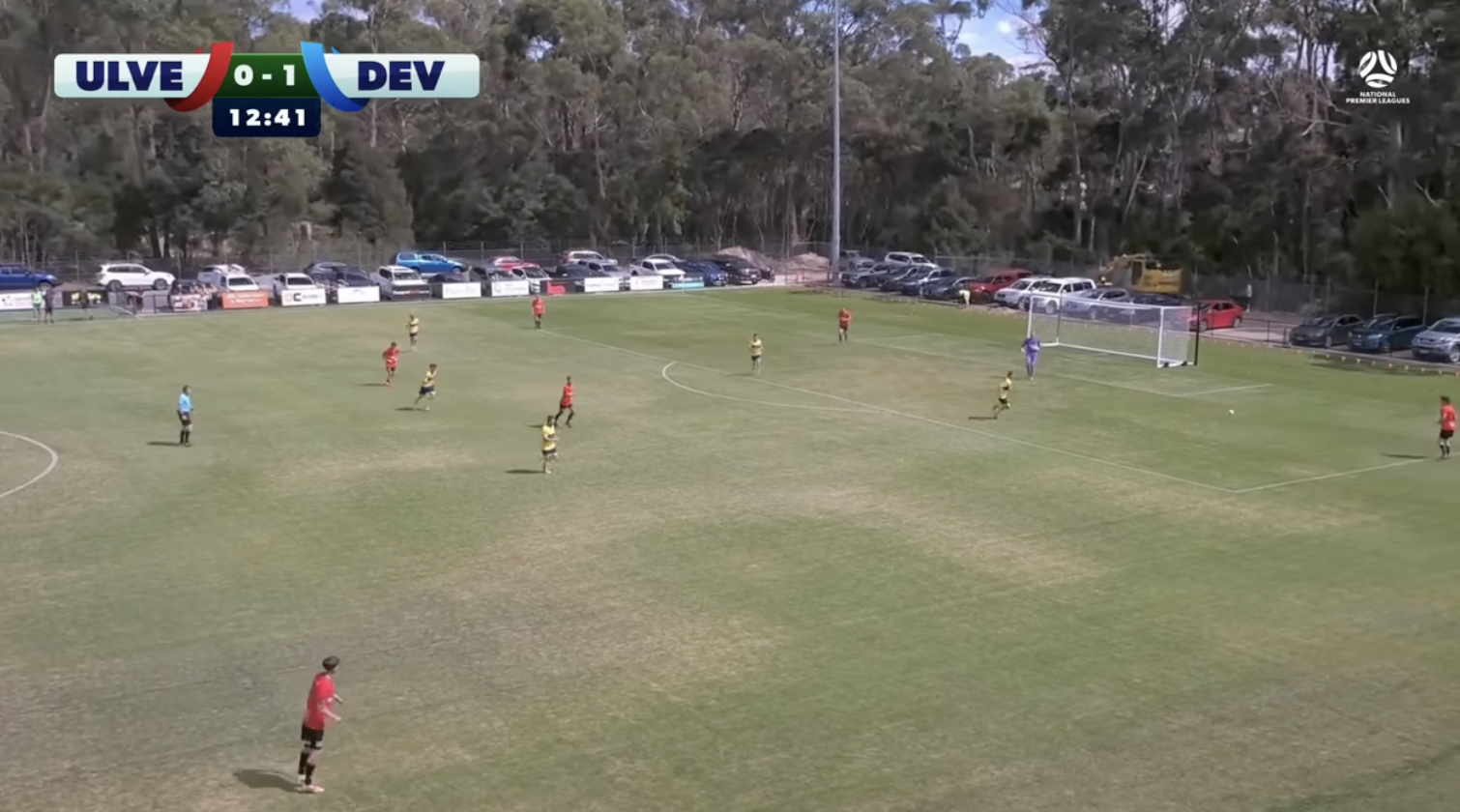
Across multiple examples, the same issues keep appearing. Key moments missed. Goals not captured properly. Substitutions missed. Even incorrect scorelines being recorded.
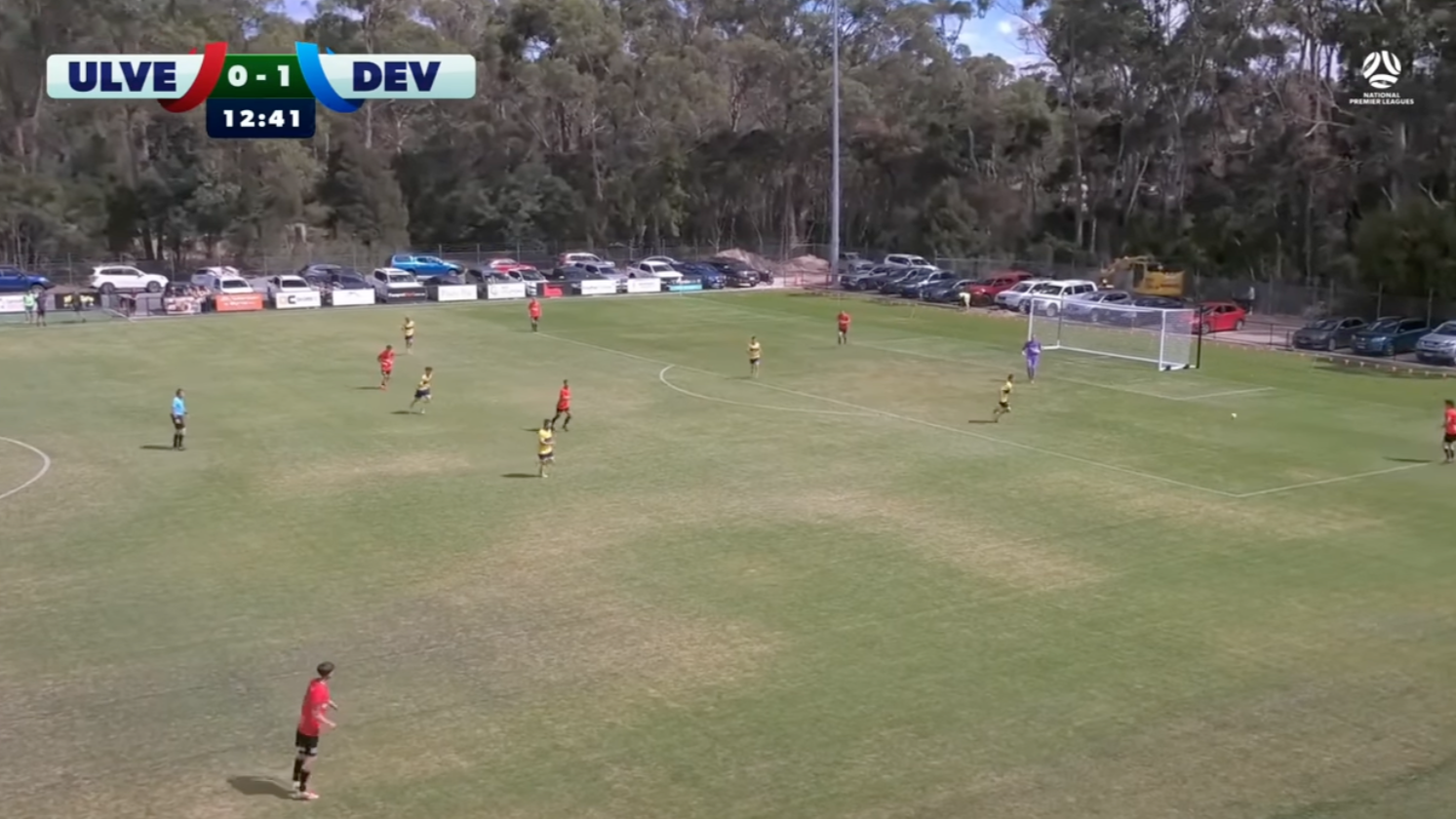
One example doing the rounds shows a goal in an NPL match where the camera simply doesn’t follow the play. You’re left trying to piece it together.
Feedback from the Northern Territory describes the same problems over the past two years, missed goals, missed substitutions, and even incorrect scorelines.
And more broadly, the reaction from people watching these games is consistent. The experience is being described as unwatchable, frustrating, and in some cases, taking away from what should be moments worth sharing.
That’s the story. And it’s the point.
This isn’t about resisting technology. It’s about whether the current version is good enough for the game we’re trying to present.
I’ve left the original piece below unchanged.
The state of livestreaming in Tasmanian football
I tuned into a Devonport home game recently.
And within minutes, I turned it off.
Not because of the football. Because I couldn’t see it properly. I couldn’t tell who anyone was. The lighting made it harder. The angle, high on the new grandstand, felt distant and detached.
Maybe that is on me as well.
I am getting older. My eyesight is not what it once was.
But I suspect I am not alone.
I can’t quite believe I am about to say this, but I will.
The old setup at Clarence, with a camera mounted on the back of a ute, was easier to watch.
That is not something I ever thought I would say.
If people are turning streams off within minutes, then the coverage is not doing its job.
And it says more about where we are right now than any technical explanation ever could.
What is actually happening
Across Tasmania, and increasingly across Australia, football has moved to AI-based camera systems, most commonly through companies like Veo.
These cameras:
sit in a fixed position
use software to track the ball
automatically follow play
produce a livestream without a human operator
There is no camera person.
There is no director.
There is often no commentary.
What you are watching is a machine doing its best to interpret a football match.
Why it is being rolled out
It is easy to criticise this shift. Harder, but more useful, to understand it.
There are three main reasons this model is being adopted.
Cost
Traditional broadcasting is expensive.
Even a basic setup requires:
a camera operator
a commentator
someone managing the stream
equipment and setup time
For a full season of statewide football, those costs add up quickly.
AI cameras remove almost all of that.
One installation. Minimal ongoing cost.
From an administrative point of view, it is an obvious decision.
Coverage
The second reason is scale.
Without automation, many games would not be streamed at all.
With AI:
every game can be covered
every club has access to footage
families, players and supporters can watch remotely
That matters in a state like Tasmania, where travel is part of the game and not everyone can be everywhere every weekend.
More access is a genuine positive.
Convenience and development
There is also a football reason.
Clubs and coaches now have:
full match recordings
clips for analysis
tools for player development
That is valuable.
The same system that produces a public stream also feeds the coaching and analysis side of the game.
Where it starts to fall down
Understanding the reasons does not mean ignoring the outcome.
Because what we are seeing now is not just different.
It is, in many ways, worse.
The camera cannot read the game
Football is not just movement. It is anticipation.
A human camera operator:
sees the switch before it happens
anticipates the run
holds the shot in a crowded box
An AI camera reacts.
Often a fraction too late.
The result is what many of us have already experienced this season. Moments missed. Play developing off screen. The feeling that you are always slightly behind the game.
The angle creates distance
Most of these cameras are positioned high and central.
That gives coverage.
But it removes connection.
You are far from the action. You lose detail. You lose the physicality of the game. You lose the sense of occasion.
It becomes harder to feel the match.
You also lose something else.
The crowd.
Because the camera is positioned above and often behind where spectators gather, you rarely see them.
You do not see the numbers. You do not feel the presence.
And that matters.
Because part of football is not just the game.
It is the people watching it.
There is no voice
This is the biggest gap.
There is little to no commentary.
No one explaining what is happening.
No one building the moment.
No one telling you who these players are or why the game matters.
Without commentary, a football match becomes quiet. Flat. Detached.
It is watched, not experienced.
It is not a broadcast
This is the key point.
What we have now is not a broadcast product.
It is a recording.
No commentary. No replay. No narrative. No production layer.
The game exists on screen, but it is not being presented.
Even the basics are inconsistent.
In one recent match, goals were reflected on the scoreboard well after they were scored.
Not seconds. Long enough to notice.
Long enough to disconnect what you are watching from what the screen is telling you.
That is not a criticism of the person updating it.
It simply highlights the reality.
This is not a live, integrated system.
It is a camera, with elements added around it, when someone is available to do so.
And when even the score cannot keep up with the game, it becomes very hard to take the rest of the coverage seriously.
The moments we are missing
There is another problem with these streams.
And it is not technical.
It is emotional.
When a goal is scored, the camera follows the ball.
But the ball is no longer the story.
The player is.
The celebration. The reaction. The connection with teammates, with supporters. That is the moment.
That is the reward.
And too often, it is missed completely.
Because the camera is still trying to find the ball.
Football is not a high-scoring game.
Goals matter.
They are rare. They are earned. They are felt.
And the celebration is part of that.
It is the release. The joy. Sometimes the relief.
It is one of the purest parts of the game.
And right now, we are not seeing it.
If you miss the celebration, you miss the moment.
And in football, the moments are everything.
Why this matters more than it seems
It is easy to dismiss this as a technical issue.
It is not.
It is about perception.
The way a competition is presented shapes how it is valued.
By players.
By sponsors.
By supporters.
By the wider football community.
And this is not accidental.
It is a choice about how the game is presented.
When the top competitions in the state are shown with:
a single wide camera
no commentary
inconsistent graphics
no production
then the message, whether intended or not, is clear.
This is not being treated as a priority product.
Falling behind
This becomes even clearer when you look outside football.
Other sports understand that presentation matters.
Even at comparable or lower levels, you will see:
commentary, even if volunteer
basic graphics and overlays
a focus on telling the story of the game
Because they understand something fundamental.
The game is not just played.
It is presented.
Right now, football is falling behind.
The tension
Football Tasmania would argue, reasonably, that:
more games are available than ever before
access has improved
costs are being managed responsibly
All of that is true.
But there is another truth sitting alongside it.
More games online means very little if people are not watching them.
Coverage without quality is not progress.
This is our shopfront
You could argue this matters even more for football in Tasmania.
Because we receive little, if any, mainstream media coverage.
There are no regular TV broadcasts. Limited print coverage. Very little consistent visibility outside our own channels.
Which means this is it.
This is how the game is seen.
For many, this will be their first impression of the competition.
For others, their only connection to it.
That makes these streams more than just a convenience.
They are the shopfront.
And if the shopfront is difficult to watch, hard to follow, and missing the moments that matter, then it does not just affect the viewing experience.
It affects how the game is perceived.
If this is how we are presenting our game, then this is how our game will be judged.The bigger question
Streaming is here.
It is not going away.
But it raises a question that football needs to confront.
If people are watching at home instead of attending games, particularly on cold winter days and nights, how does that benefit clubs?
Clubs rely on:
gate takings
canteen sales
local engagement
If streaming replaces attendance, rather than supporting it, then there is a real risk.
A quieter ground.
Less revenue.
Less connection.
It is not just about how the game looks on screen.
It is about what happens off it.
Where to from here
Many clubs in Victoria, including Northcote City FC where my son Max coaches, are using their own Veo cameras to livestream games.
It is still AI.
But the difference is in the setup.
The camera is closer to the pitch. The angle is more natural. You can actually tell who the players are. You feel closer to the game.
And yes, you can hear the bench. The voices. The language at times.
But that is football.
It is raw. It is real. It is part of the experience.
It connects you to the game in a way a silent, distant camera never will.
It is a small shift, but it changes everything.
Maybe that is part of the answer.
Not abandoning the technology, but using it better.
At minimum, a top-tier competition should expect:
a watchable camera angle
a consistent and accurate scoreboard
basic commentary
coverage that captures the key moments of the game
That is not excessive.
That is the standard.
The simple truth
And don’t get me wrong.
I value technology. I use AI tools myself. They are powerful and they are here to stay.
Streaming is no different.
But it has to serve the game.
Right now, we have chosen access over experience.
And in doing so, we have lost something important.
If the experience of watching our top competition is something people switch off within minutes, then something is not working.
If we want people to watch, to care, to connect with the game, then we need to show it properly.
Not just stream it.

Where God’s Tears Landed - A conversation with Helder Manuel Dos Santos Silva
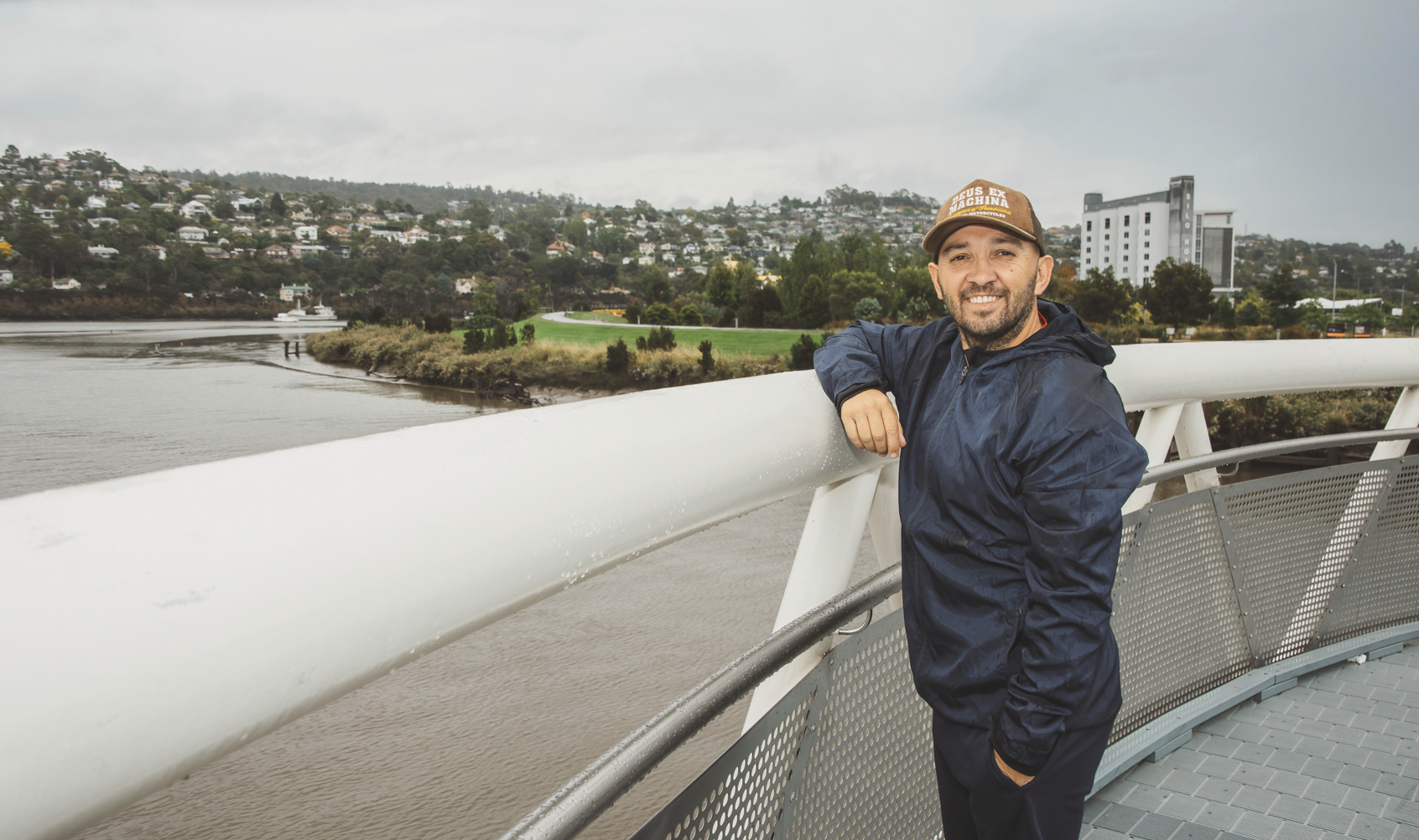
Helder over the Tamar photographed by Nikki Long
There are interviews that feel like short exchanges.
And then there are interviews that arrive as something much larger.
When Helder sent his responses, they did not read like brief answers. They read like chapters.
From a tiny Portuguese village shaped by Moorish history and coal mines, to professional football, to what he calls “wasted potential”, to rebuilding his life through healthcare and microbiology, to championships in China where five million people is considered a small town, and now to Tasmania.
He did not give quick replies.
He gave a life.
When someone takes that kind of time, the least you can do is carry it properly.
This is Helder, in his own words.
Mourama
I grew up in a tiny village called Mourama - a very specific name that comes from the Moorish conquest that once populated the region.
It is a place rich in history, surrounded by coal mines and plenty of gold. I never saw any.
There was nothing glamorous about it.
If I didn’t catch the only bus we had, I would have to walk ten kilometres just to get to school. I would get lost on the way because all my mates were playing football.
I played football since before I can remember — on goat roads, with whatever ball we could find, against whoever was around.
That’s where it started.
Not on a proper pitch. Not in an academy. On dirt tracks in the middle of Portugal.
In Portugal, you breathe football. You eat it. You fight over it. It’s in your blood.
I can’t really describe it, and I wouldn’t compare it to any other country. Every nation has its own cultural relationship with the game.
Football isn’t something you choose. It chooses you.
Professional football and hard lessons
I was a professional footballer, but I made bad decisions along the way - the kind you don’t fully understand until it’s too late.
Those choices took me from the professional game down to semi-professional and even amateur level.
I had to rebuild, combining football with a career in healthcare and microbiology.
That period taught me humility, discipline, and what it truly means to waste potential.
I finished playing at twenty-eight due to health issues, and I just couldn’t walk away from the game.
Football was all I knew. All I loved.
So I threw myself into studying — coaching badges, tactical analysis, anything I could get my hands on.
I started networking, knocking on doors. Many of them shut. I built relationships with people in the game and learned from anyone willing to share their knowledge.
One thing led to another, and coaching became not just a second career but my true calling.
From Western Europe to Eastern Europe, then across to East Asia, and now here in Oceania.
Every step reinforced my belief that football is an educational tool, and that developing the person always comes before developing the player.
China and scale
One of the most memorable moments of my career was winning a championship in China that hadn’t been won in sixteen years.
On the return to the city, there was a parade waiting for us.
I had never seen so many people gathered in one place in my life.
When I say many, five million people in China is considered a small town, so I leave you to your imagination.
People came to greet us with tears in their eyes, saying thank you.
I had never experienced anything like that before, and I never will forget it.
But I’ve had painful experiences too. Experiences I wouldn’t wish on anyone.
That’s the reality of this game.
You take the beautiful and the brutal together.
Family
Every move I’ve made has been made together.
Portugal. England. Eastern Europe. China. Australia.
We sit down, we talk, we weigh it up honestly.
It’s never just me saying yes. It has to be all of us saying yes.
That’s non-negotiable.
Because if your family isn’t right, you’re not right.
The hardest part is always being far from home.
Our journey here didn’t start well — and I’m not talking about football.
Off the pitch, those early days were genuinely hard to digest.
But we looked at ourselves. We acknowledged it. We took responsibility. And we moved forward.
That’s what families do.
Tasmania
Growing up in Portugal, Tasmania only existed in geography books.
That was it.
But when we arrived, we couldn’t believe how beautiful it is.
The natural habitat. The wildlife. The landscapes.
It’s unreal.
We have a saying in Portugal for places like this.
“When God cried, His tears landed in the right spots.”
That’s Tasmania.
We’ve made close friends here. People we can call family.
When you’re far away from your own, that means everything.
My father
Before coaching courses, before championships, there were hills.
My father coached me when I was young.
We would run together up those hills, pushing through the burn and the breathlessness.
At the top, we would scream at the top of our lungs.
“I’m a champion.”
Like madmen.
My favourite film was Rocky. Still is.
Those runs shaped me more than any coaching course ever could.
They made me resilient.
You don’t find out who you are on easy days. You find out on the climb.
My father is my hero.
Everything I am, everything I stand for, he taught me.
Listening
Some of the greatest lessons I’ve had in football weren’t on the pitch.
They were in conversations.
Meeting coaches and individuals who had won World Cups and lifted Champions League trophies.
Sitting with them. Listening.
When I arrived here and Ken Morton — a Busby Babe, one of the true legends of the game — sat down and talked with me, I was like a kid in a candy shop.
You just listen.
The same goes for Peter Sawdon and Lynden Prince.
These are people with so much to teach, so much history in their hands.
That education is priceless.
Football philosophy
I believe in football that is brave.
Structured, but with freedom inside that structure.
Every pass should have intention. Every movement should create something.
But values come first.
People first. Players second.
I don’t care how talented you are if you’re not a good person.
Work ethic. Respect. Humility. Willingness to learn.
I can coach technique.
I can coach tactics.
I can’t coach character.
Football is an educational tool.
My job is to develop better people first, and better footballers second.
Development and winning
At a club like Riverside Olympic, development must be the priority.
We can’t buy squads full of ready-made players every season.
Our strength is our pathway.
But development does not mean accepting losing.
You develop players by putting them under real pressure.
I won’t sacrifice a young player’s long-term growth for a short-term result.
If you develop players properly, the winning takes care of itself.
League structure
Eight teams was a good starting point.
Ten is a step forward.
It should be twelve.
More opponents. More variety. More games.
Tasmania should send two teams to the FA Cup representing the state.
Yes, financially it’s a stretch.
But money can bring titles for one or two seasons.
After that, what?
Where are the young players?
Sustainable success comes from what you build underneath.
Coaching education
If I could change one thing tomorrow, it would be mentoring.
Not another online module.
Real mentoring.
Football is not a book.
You can’t be a kitchen chef, go to bed, wake up and decide you’re a football coach.
It doesn’t work like that.
Badges are important.
But a licence doesn’t prepare you for dressing rooms, egos, parents, politics.
Federations sometimes give badges because they need coaches.
Some pseudo coaches don’t want to listen to older coaches.
They think they know everything.
Experience matters.
Humility matters.
Passion
I am passionate.
I won’t apologise for that.
In three years here, I’ve had four yellow cards.
In Portugal and England, visible emotion is normal for a coach.
Here it can be misread.
My passion isn’t a personality flaw. It’s where I come from.
But I respect referees.
We are in positions of responsibility.
I want players to solve problems themselves.
Passion is not chaos.
It’s commitment.
Loneliness
Football is a lonely place.
It’s hardship. Sacrifice. Long stretches where the only peace is on the grass with the players.
I’m far from home.
The touchline is sometimes the one place everything makes sense.
I don’t switch off.
That’s not a burden.
That’s the calling.
The quiet thank you
Through everything — goat roads in Mourama, professional mistakes, healthcare shifts, championships in China, early struggles in Tasmania, new beginnings at Riverside — the lesson is simple.
It’s not trophies.
It’s a quiet thank you at the end of a session.
That’s what endures.
Wrap
What stays with me is not just the parade in China.
It is not even the image of five million people being considered a small town.
It is the hills.
A father and a son running through scrub, shouting “I’m a champion” into the wind.
It is the honesty of “waste potential.”
It is the refusal to apologise for passion.
It is the quiet admission that football can be lonely and still be a calling.
From Mourama’s goat roads to a place where, as he says, God’s tears landed in the right spots, the game remains the same.
Climb the hill.
Do the work.
Listen.
And keep going.
This is not an AFL problem
The warning we are choosing not to hear
I was interested to read about the latest concussion case involving Australian Football League (AFL) players.
Another wave of former players. Another group of clubs. The same underlying claim, that the game knew more than it let on.
This time, the case has widened.
Former players are now taking action not just against the AFL, but against multiple clubs including Collingwood, Carlton, Essendon, Richmond, Melbourne, North Melbourne, St Kilda, the Western Bulldogs, Port Adelaide and Fremantle.
For many people reading this, those are not abstract names.
They are the clubs they follow.
The claim is simple, and serious.
That players have suffered long-term, life-altering brain injuries as a result of concussions, and that the game did not do enough to protect them.
And the more I read, the less it felt like an AFL story.
It felt like a warning.
This has happened before
AFL is not breaking new ground here.
It is following a path already walked by other sports.
The NFL in the United States.
Rugby union in the UK.
Ice hockey in North America.
The pattern is consistent.
First comes the research.
Then the stories.
Then the lawsuits.
Then the question that sits underneath all of it.
What did the game know, and what did it do about it?
Football is not separate from this
There is a quiet assumption in football that this is something that happens somewhere else.
AFL. Rugby. Big collisions. Different game.
But that comfort is starting to slip.
Research in the UK has already shown that former footballers face a significantly higher risk of neurodegenerative disease. Defenders, those who head the ball more often, are at even greater risk.
That is not theoretical.
That is the moment risk becomes responsibility.
And once responsibility is established, everything changes.
The game knows
You can see it in the way FIFA and national federations are responding.
Heading is being limited in youth football.
Concussion protocols are tightening.
Players are being removed from the field more quickly.
Return-to-play rules are becoming stricter.
These are not small adjustments.
They are signals.
The game understands the direction this is heading.
The difference is timing
Football is not behind because it is safer.
It is behind because it has not yet been tested in the same way.
A successful legal case in football is not a matter of if.
It is a matter of when.
And when it happens, it will not stay contained to the professional game.
Where this lands next
This is the part that should give us pause.
Because once the legal and medical arguments are established, they do not stop at the top of the pyramid.
They move down.
To leagues.
To clubs.
To competitions.
To the environments where most of the game actually lives.
And the question becomes very simple.
What systems were in place to protect players?
And more importantly, who is responsible when those systems fail?
The gap no one is talking about
At the elite level, the answer is increasingly clear.
Doctors.
Protocols.
Education.
Resources.
At community level, it is not.
Volunteers running teams.
Coaches doing their best with limited support.
Players wanting to stay on the field.
Games needing to keep moving.
And then there is culture.
You have all seen it.
We need you out there.
There’s only ten minutes to go.
Can you get through it?
Off you go.
It is never written down.
But it shapes more decisions than any protocol.
This is not an AFL problem
It is easy to watch what is happening in AFL and see it as their issue to deal with.
Their history. Their players. Their responsibility.
But that misses the point.
What is unfolding is not about one sport.
It is about how sport responds when the long-term consequences of the game become impossible to ignore.
The warning
We are watching the AFL deal with this like it belongs to them.
It doesn’t.
Football is simply earlier in the cycle.
The research is there.
The rule changes have started.
The questions are forming.
Protocols are already in place.
The question is whether they are enough.
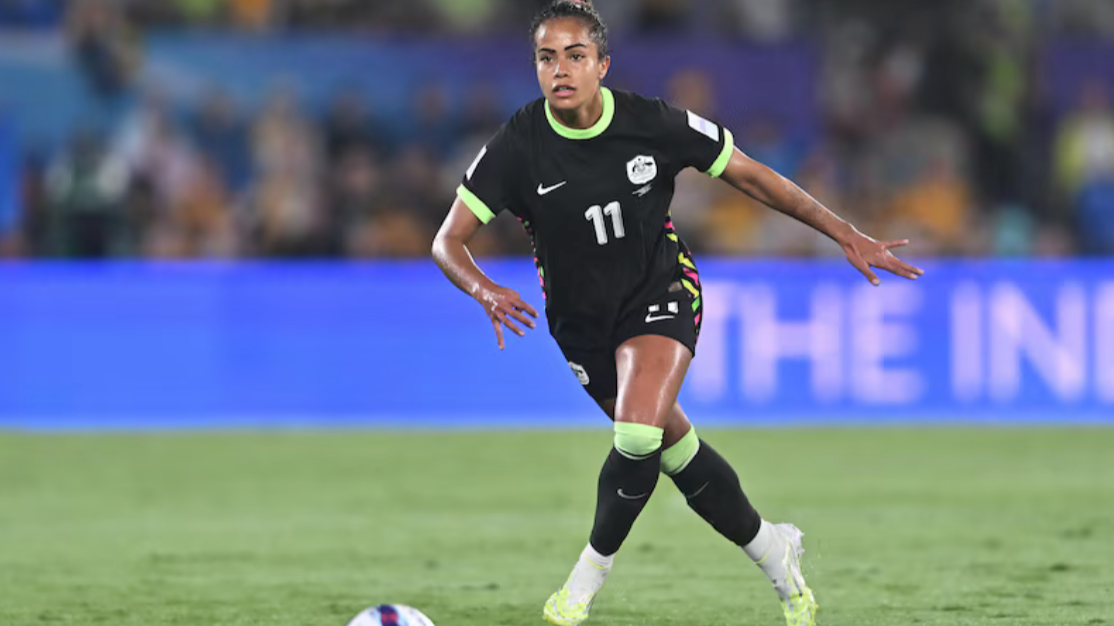
Women Will Control 75% of Household Spending. Now Look at Football
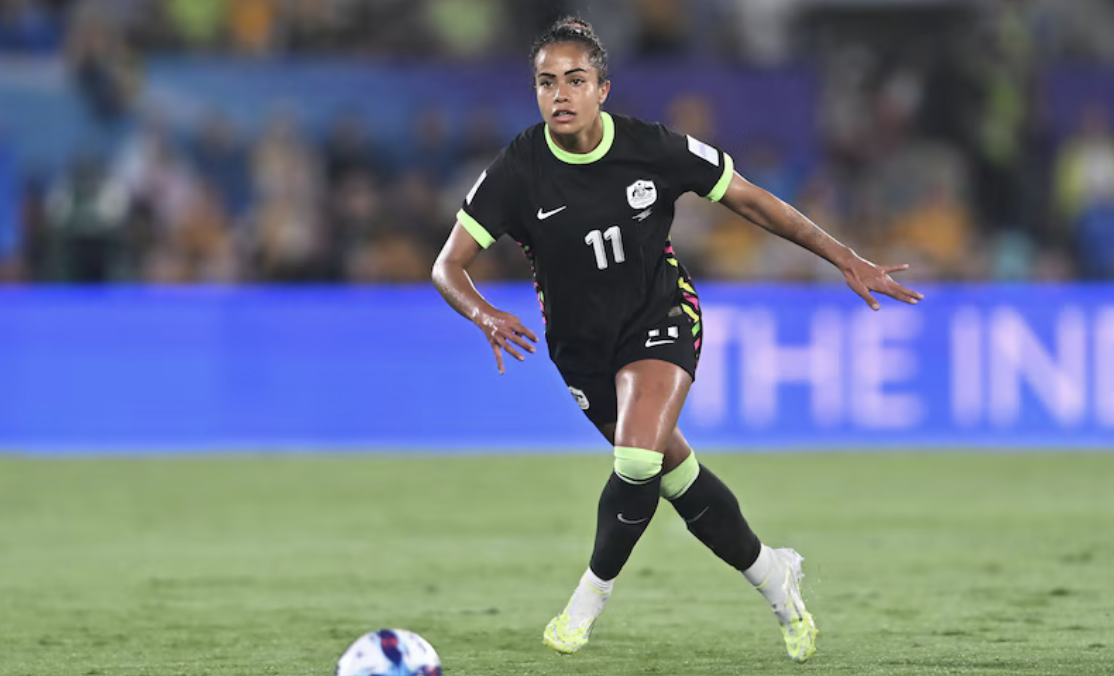
3.2 million national tv reach for the Asian Cup Final
Women are expected to control 75% of household spending by 2028.
That is not a football statistic.
But it explains a lot about what is happening in the game right now.
Who controls the spending in your household?
Who makes the decisions about what families do on the weekend?
Who decides what sport children play?
In my experience, the answer is clear.
In football, I am contacted around 90% of the time by women.
They are the ones making it happen.
Mothers organising teams. Mothers asking questions. Mothers making decisions.
That is not a Tasmanian anomaly.
The commercial signals are already here
It is exactly what this report is pointing to, just on a global scale.
A new global report predicts women’s football will reach 800 million fans by 2030, up from around 500 million today.
That is a significant jump.
And the commercial indicators are already following.
In Europe, women’s-only sponsorship deals have increased by 53% since the 2022/23 season, reaching 181 deals.
In England, the Women’s Super League is projected to generate $23.53 million in sponsorship revenue for the 2025/26 season, up from $14.72 million.
That is a 60% increase in a very short window.
The 2023 FIFA Women’s World Cup delivered a reported 2 billion global engagement audience.
These are not participation numbers.
They are market signals.
This is not just about football
The most important part of the report is not the total number of fans.
It is who those fans are.
By 2030:
60% of the audience is expected to be female
47% are among the highest income earners globally
50% sit in the 25–44 age bracket
And then the line that changes everything.
Women are projected to control 75% of household spending by 2028.
That is not a football statistic.
That is an economic one.
Who is watching. Who is spending
Women’s football is not just growing because more people are playing.
It is growing because of who is watching.
Because this audience:
makes purchasing decisions
influences family spending
drives brand behaviour
This is not a niche.
This is the market.
So when sponsorship rises
when brands arrive
when reports talk about opportunity
they are not talking about development
They are talking about access
Access to spending power
The shift
For a long time, women’s football was framed as something that needed support.
Participation. Inclusion. Growth.
That language is changing.
Now it is:
audience
revenue
sponsorship
return
The game is no longer being positioned as something to invest in for good reasons
It is being positioned as something to invest in because it makes sense
That is a different conversation
The gap
At the top end, everything is moving.
audiences are expanding
sponsorship is increasing
commercial value is rising
At the base, the game still looks familiar.
clubs run on volunteers
facilities are stretched
infrastructure struggles to keep pace
Both of those things can exist at the same time
And right now, they do
What happens next
When a sport becomes commercially valuable, things accelerate.
Money arrives
Attention follows
Decisions get made
But it does not automatically flow evenly.
It rarely does.
The risk is not that women’s football fails to grow
It will grow
The risk is that the growth is captured at the top
while the base continues to carry the game
The real question
Eight hundred million fans is a big number.
But it is not the most important one.
Seventy five percent of household spending is.
Because once you understand who is watching
you understand why this shift is happening
And why it is happening now
The question is whether the game is ready for it
Not in terms of audience
But in terms of structure
Because growth is one thing
Control is another

A Strategy That Builds the Game… And the Opportunity to Show It

Starting again
I went back and read the Football Tasmania Strategic Plan.
Before getting into it, I should say this.
I don’t have all the answers.
And I’m conscious that it can sometimes come across like I’m just criticising Football Tasmania.
That’s not the intention.
It’s a tough job. Keeping everyone in the game happy is not easy.
But football is my life.
And like a lot of people, I care deeply about where it goes next.
So instead of just pointing at problems, I thought it was worth trying to put something forward.
Something practical.
Something that might actually help.
I also spent some time looking at what works elsewhere.
The most effective grassroots and sports strategies around the world don’t just build the game.
They show it.
They connect it.
They repeat it.
They tend to have a few things in common:
they make the game visible
they tell real community stories
they use participation as influence
they are consistent, not occasional
they bring people into the game
and they don’t wait to be noticed, they make themselves impossible to ignore
Which led me to a simple thought.
Football in Tasmania doesn’t just need a strategy.
It needs a statewide grassroots campaign.
So here are some ideas.
A way we might work together to grow the game, and show it properly.
I’d genuinely be interested in what others think we could do.
The plan
The Football Tasmania plan is what you would expect from a governing body.
Participation.
Pathways.
Facilities.
Unity.
All there.
All sensible.
All necessary.
And to be fair, there is nothing fundamentally wrong with it.
In many ways, it’s solid.
It focuses on:
growing the game
strengthening competitions
improving facilities
bringing football together
That is exactly what a governing body should be doing.
The opportunity sitting in front of us
The plan focuses on building the game.
And that matters.
But there is an opportunity to take the next step.
To make the game visible.
To connect what is already happening across Tasmania.
To turn participation into presence.
Because right now, football is everywhere.
Every week:
school grounds are full
clubs are running games all day
volunteers are everywhere
families are on the sidelines
But it doesn’t always feel like one connected, visible game.
That’s not a failure.
It’s an opportunity.
What that next step could look like
Not a new plan.
Not a restructure.
An addition.
Pillar 5: Visibility, Advocacy and Storytelling
Because football doesn’t just need to grow.
It needs to be seen.
Show the game
If we are serious about visibility, we have to show the full game.
Not just parts of it.
Football in Tasmania is not one competition.
It is:
junior football
youth football
social football
men’s and women’s football
multicultural clubs and communities
schools full of activity every week
volunteers, families, and local communities
It is every kind of player.
Every kind of participant.
From five-year-olds putting on their boots for the first time…
To senior players still turning up each week.
From community BBQs…
To multicultural events and clubs that bring people together.
That is what makes football visible everywhere.
And that is what needs to be shown.
Because while NPL and WSL are important, and play their role, they are only part of the picture.
They don’t tell the full story of the game.
The full story is broader.
More diverse.
More embedded in community.
And that’s where football is at its strongest.
Tell the real stories
We don’t need to invent anything.
We just need to ask and share.
Ask girls why they play
Ask women what the game means to them
Ask kids what they love
Ask communities what football represents
Those stories already exist.
They just need to be told.
Use the numbers
We are the biggest participation sport in Tasmania.
That’s a strong position.
It should be visible.
Repeated.
Understood.
Because participation is not just a statistic.
It is influence.
Make football visible, everywhere
Clubs are already telling their stories.
But mostly in isolation.
The opportunity is to connect that.
A shared identity.
A shared message.
A sense that this is one game, across the state.
Be present, not occasional
Not just announcements.
Not just reports.
Presence.
Weekly.
Consistent.
Human.
Bring people into the game
Not through statements.
Through invitation.
“Welcome to our club.
This weekend:
16 games
300 players
school grounds in use
families on the sidelines
volunteers running the day
You’re welcome to come and see it.”
A simple advocacy strategy
If we want football to be heard, we need to show up.
Not occasionally.
Consistently.
One way to do that is very simple.
And costs nothing.
Every week. One message. From the game.
Each week, a club or association shares a snapshot of football in their community.
Sent to:
councils
politicians
community leaders
media
Subject: This is football in Tasmania — this weekend
“Welcome from [Club Name].
This weekend:
16 games
300 players
school grounds in use
families on the sidelines
volunteers running the day
This is our club.
This is our community.
You’re welcome to come and see it.”
Not a submission. Not a report.
A presence.
Because one message is easy to miss.
But when it comes from:
different clubs
different regions
every week
It becomes a constant reminder.
This is advocacy
Not through documents.
Through visibility.
This only works if we move together
None of this works in isolation.
Not one club.
Not one association.
Not one voice.
It has to be coordinated.
It has to feel like a movement.
Clubs and associations.
Together.
Not isolated.
Not introverted.
A constant reminder
Every week.
Across the state.
Here we are.
This is football.
This is our community.
Because when that message is repeated, again and again:
the scale becomes obvious
the pressure becomes real
the value becomes undeniable
This is how a voice is built
Not once.
Not occasionally.
Relentlessly.
Final line
We have the numbers.
We are bursting at the seams.
Now it’s time to make sure we are seen.
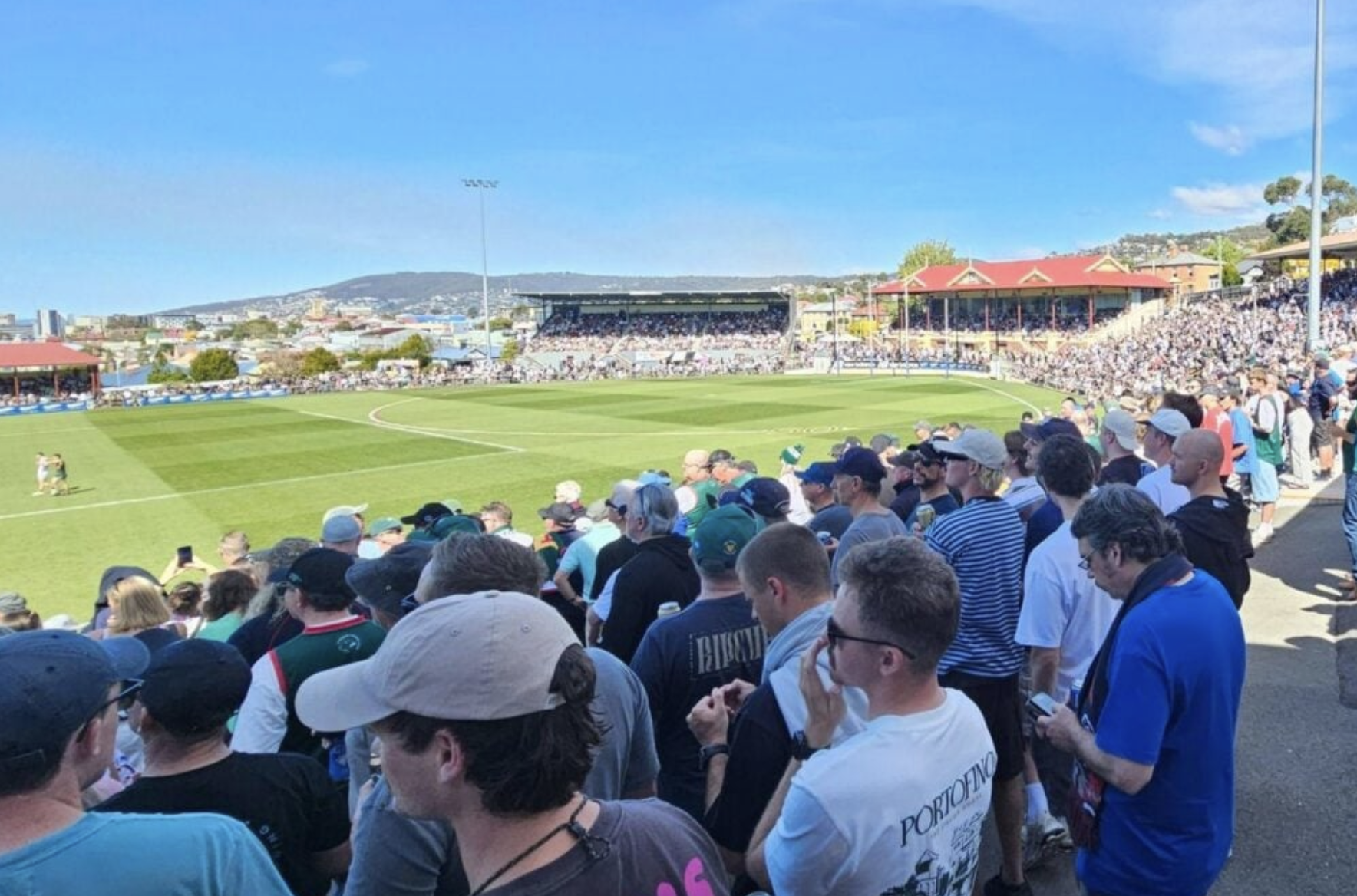
Football Has the Numbers. Where Is the Voice?
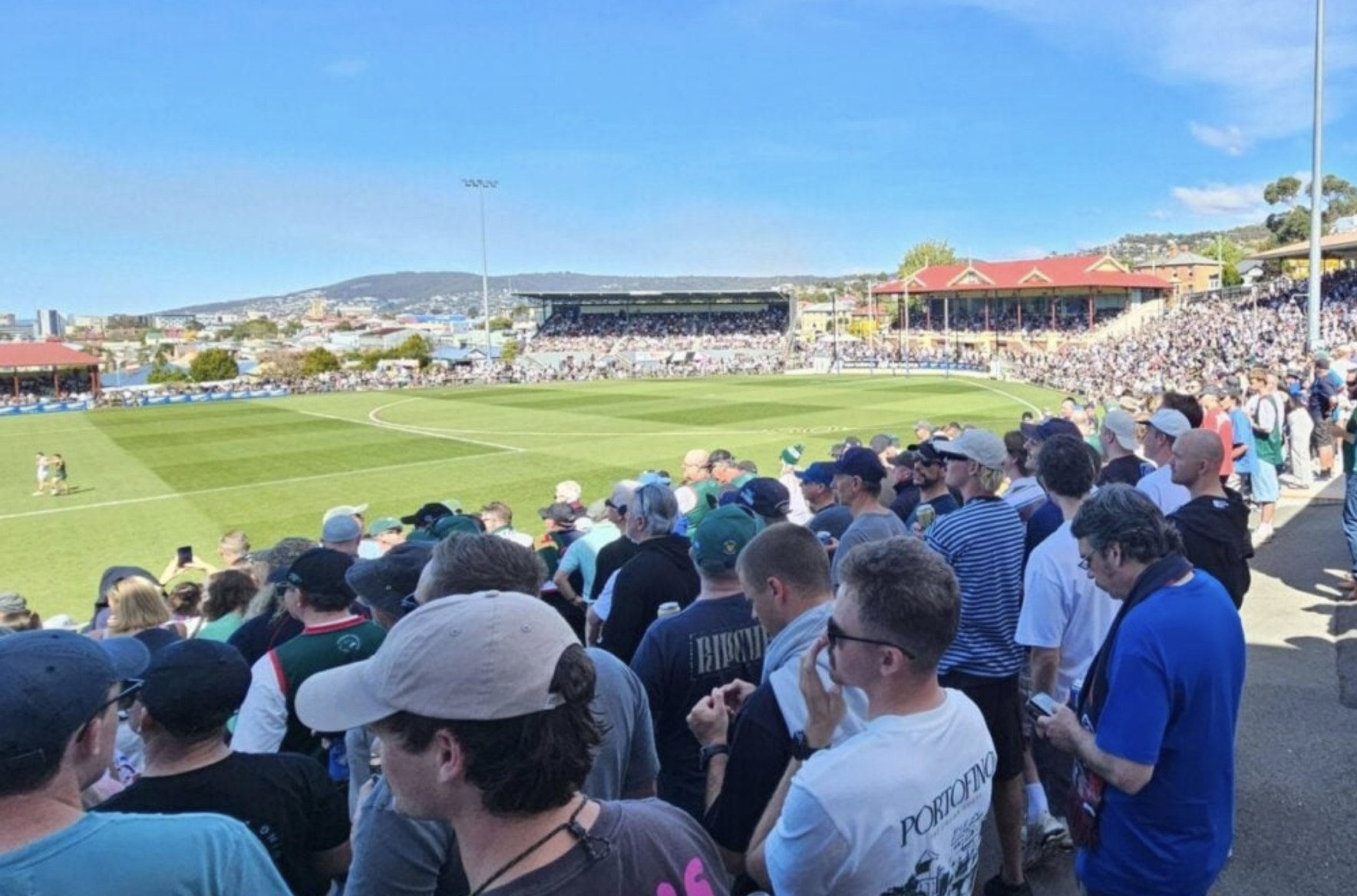
North Hobart Oval Saturday
Growth Is Not a Strategy
After a big weekend of football, games everywhere Saturday and Sunday, I did what I always do on a Monday morning.
Up early. Cup of tea.
Check the scores.
Spurs beaten again.
City about to lift the Carabao Cup unless Arsenal can pull a couple of goals back before I publish this.
Then the local picture.
The Mercury. Socials.
A snapshot of sport across the state.
A politician calling out facilities at North Hobart Oval.
A lot of AFL.
A nod to the Matildas.
Rob Shaw covering the NPL and WSL.
All fair. All expected.
But it also told a story.
The story being told
Because this isn’t just about results.
It’s about who is driving the conversation.
The AFL is everywhere.
It is visible.
It is vocal.
It is pushing its case, over and over again.
Facilities. Investment. Identity.
Relentless.
It feels organised.
It feels deliberate.
It feels like a machine.
And then there’s us
Because football is everywhere too.
Games across the weekend.
Clubs full.
Players turning up in numbers.
We are bigger.
We are growing.
And yet, we are not shaping the conversation.
Not quiet. Absent.
Let’s be honest about it.
The AFL machine is rolling.
Talking itself up, loudly and effectively.
Football?
Not quiet.
Absent.
Growth is not a strategy
We keep repeating the same line.
Football is growing.
And it is.
But growth on its own does nothing.
It doesn’t secure funding.
It doesn’t deliver facilities.
It doesn’t influence decisions.
It just creates pressure.
And that pressure is landing on clubs.
And facilities are not a building
This is where the conversation becomes dangerously narrow.
Facilities have become shorthand for one idea.
A “Home of Football”.
But football doesn’t have one home.
It has hundreds.
Facilities mean:
somewhere to train on a Tuesday night
somewhere to play on a Saturday
lights that actually work
grounds that survive winter
changerooms that reflect the size of the game
One site does not solve that.
Not even close.
Where the system is actually breaking
The pressure isn’t at the top.
It’s the base.
Clubs are:
doubling up teams
squeezing sessions into impossible spaces
managing growth with no additional support
quietly turning players away
That’s the reality.
And it’s happening now.
So where is the strategy?
Not a document.
Not a concept.
A visible, owned strategy.
Because right now, it’s hard to argue one exists in any meaningful public way.
And who is our champion?
The AFL has a voice.
People who show up.
Who speak.
Who push.
Repeatedly.
Football has the numbers.
We are the biggest participation sport in the state.
And yet, we are not the loudest.
Not the most visible.
Not the most influential.
Numbers don’t advocate.
People do.
So who is doing that for football in Tasmania?
Because right now, no one is cutting through
This isn’t about blame.
It’s about reality.
If Football Tasmania is leading this, it isn’t visible.
It isn’t shaping the public conversation.
And that matters.
Because at some point, this becomes a choice
Football is not small.
It is not struggling for participation.
It is not lacking relevance.
So if we are not visible,
if we are not advocating,
if we are not shaping the conversation,
that is no longer circumstance.
That is a choice.
Because silence is still a position
Maybe not an intentional one.
But it is still a position.
Because if you are not shaping the conversation,
you are leaving it to others.
And others are not waiting.
This is the risk
AFL continues to build its case.
To secure its position.
To shape the future.
Football continues to grow.
But without influence.
Without coordination.
Without a clear, public voice.
That’s not sustainable
Growth without strategy becomes strain.
Growth without advocacy becomes missed opportunity.
And growth without leadership becomes drift.
This is the moment
Football has the numbers.
It has the reach.
It has the community.
What it does not currently have is a visible, coordinated, confident voice.
So here it is, plainly
Start the process.
Consult properly.
Set the priorities.
And say it, publicly.
Because this is bigger than a building
Football does not just need a “Home”.
It needs space.
Across the state.
And leadership that understands the difference.
And finally
If we already have a strategy,
show it.
If we already have a champion,
we should be able to hear them.
Because right now, we can’t.
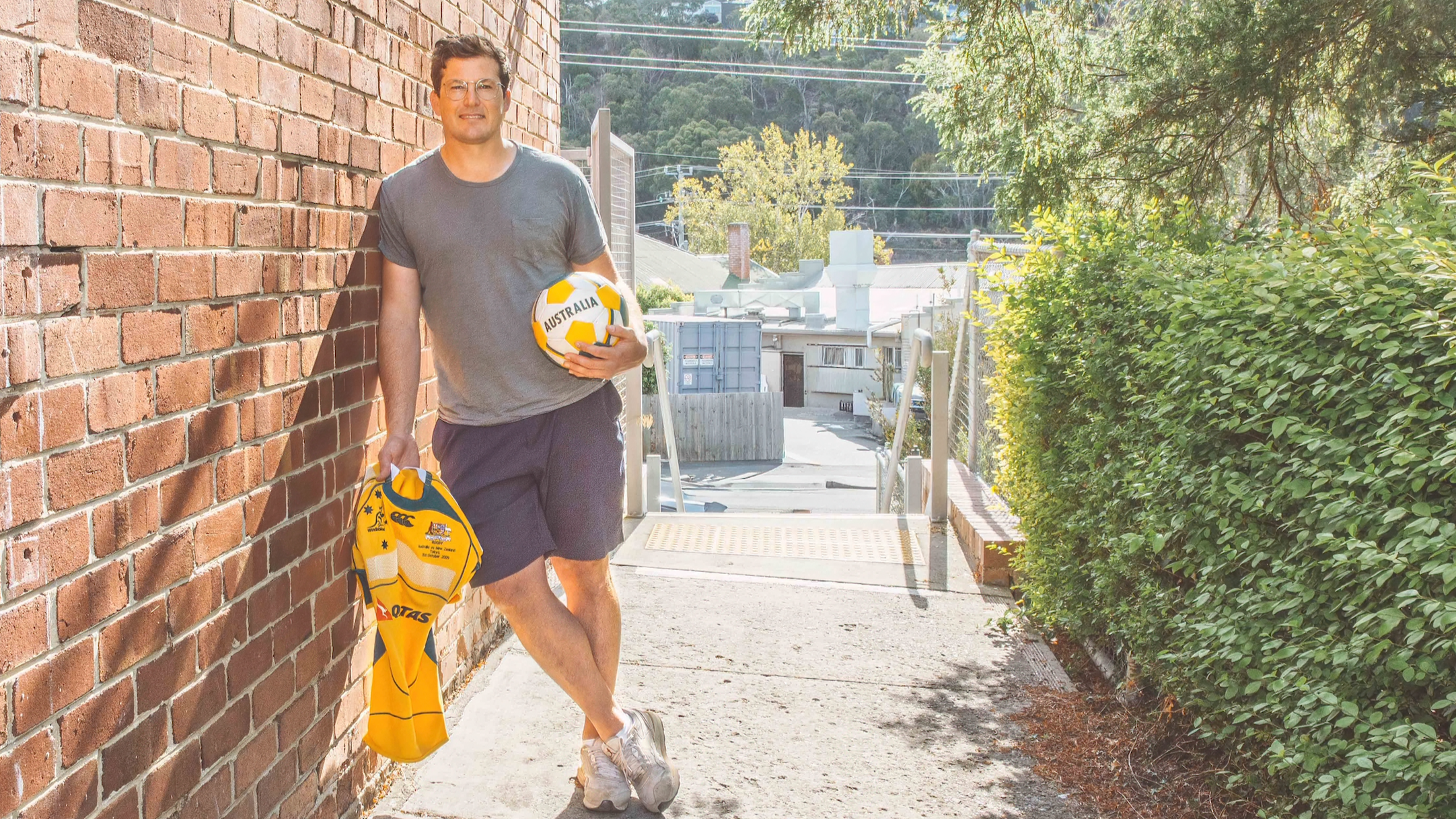
From Wallaby Gold to Hobart Grass
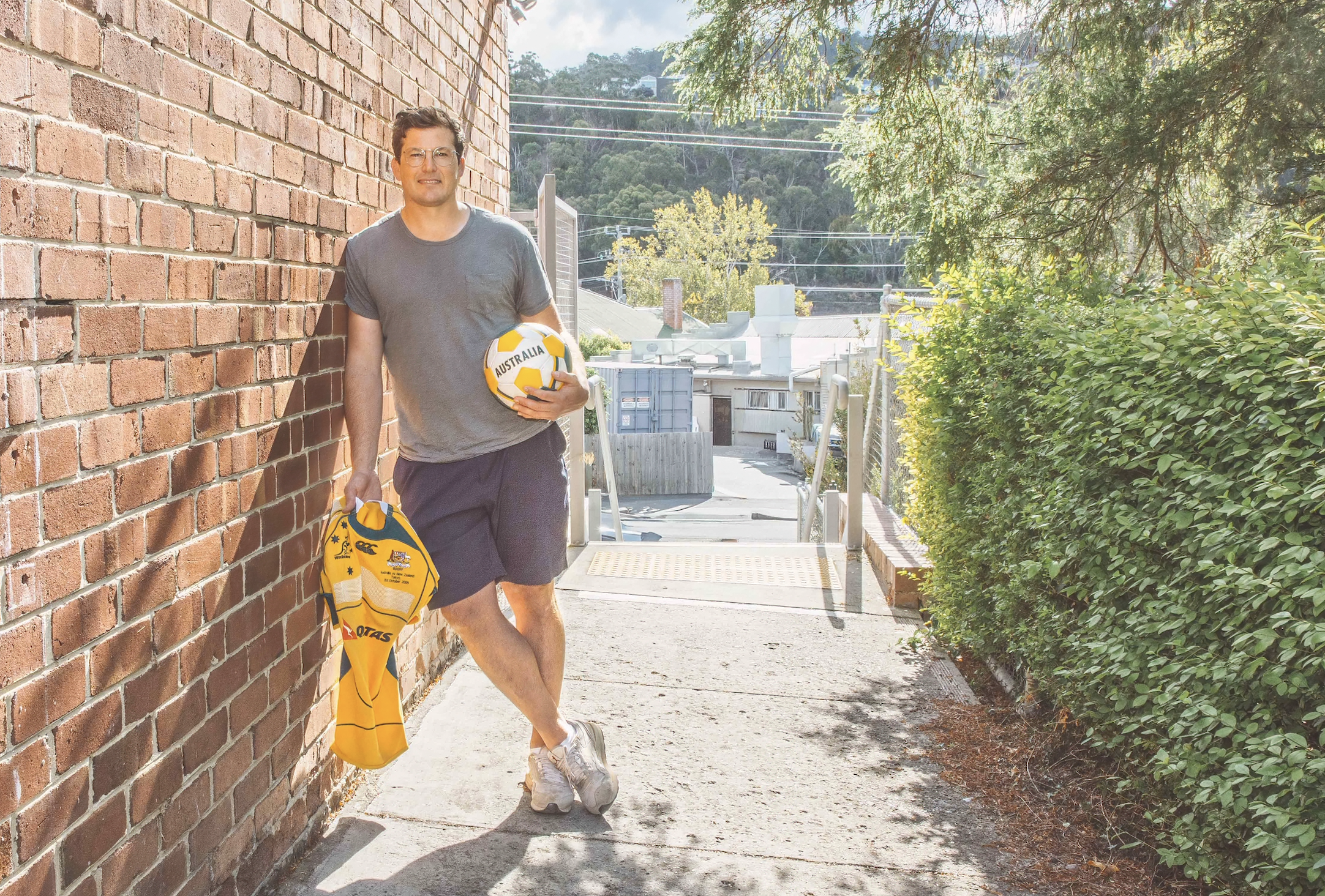
Luke Burgess photographed by Nikki Long
A personal note
When I was growing up, rugby union was my church.
I supported the All Blacks and had a big crush on Andy Irvine, the Scotland fullback. I even wrote to him once when Scotland were touring New Zealand and asked if he would come over for a lamb roast dinner. Unsurprisingly, he never replied.
I looked him up on Wikipedia recently and he’s 74 now. That made me pause for a moment. When did that happen?
Rugby was such a big part of my childhood. So when I heard we had a former Wallaby running around in the Over-35s team at South Hobart, I have to admit a bit of mist came over my eyes.
Sending Luke the interview questions was a joy, and reading his answers even more so.
I’ll be back on the sideline soon enough, camera in hand, waiting to see if he tries another overhead kick.
Luke Burgess – From Wallaby Gold to Hobart Grass
Every football club has a quiet story walking around inside it.
Sometimes it is a volunteer who has been there for thirty years.
Sometimes it is a kid who will go further than anyone expects.
And sometimes it is a former Wallaby scrum-half, Golden Boot in the Over-35s, still chasing a ball because football was his first love.
Luke Burgess wore the Wallaby jersey 37 times.
But his first memory is Cook Hill Square Park in East Maitland, a smiling coach called Mr Crawford, and lollies after the game.
He thought football must be heaven.
Cook Hill Square Park
“My earliest memories of football are of attending training at Cook Hill Square Park in East Maitland for the mighty U6 Maitland Magpies.
I remember running around and having a ball with Mr Crawford our coach. He always had a smile on his face and was the most lovely first coach you could have.
I vividly remember being hit flush in the face with a ball on a cold morning and I thought my world was caving in. The shock was seismic.
We played Gala days all over Newcastle and the Hunter Valley and I loved every second of it. Dad would always buy me lollies after games and I thought playing football must be heaven.
My nickname was ‘Killer’. I’d sulk for days if we lost or I didn’t score.”
Football was his first love.
It still is.
How rugby arrived
“Absolutely my first love was and is football. Football will always have my heart.
Rugby entered my world when my brother went to boarding school and came home with videos of rugby. We went to St Joseph’s College Hunters Hill which was a strong rugby school. Dad had gone there too.
I was probably a little worried I would be left out so I started playing rugby when I was 10.”
He never expected what came next.
“I was always in the B teams. I never thought I’d play professional rugby union. I was too small. It was a pipe dream.”
From the B teams to the Wallabies.
Football stayed with him.
“My daughters and I are mad Arsenal fans. When I was playing for the Wallabies I was sponsored by Nike UK and my liaison gave me an Arsenal jersey with my name on it. I can’t really wear it around because people will think I’m a Wally with my own name on an Arsenal jersey, but it’s a treasured piece of nostalgia.
When I was playing rugby in France at Toulouse we would warm up with a bit of football. I loved those kick-abouts.”
If he had played football?
“I’d be hiding in midfield, constantly out of position and turning the ball over with touch like a trampoline.”
The travelling circus
Luke talks less about crowds and more about people.
“Day to day with the Wallabies is like being part of a travelling circus. Fly Sunday, camp and meetings, train Monday, gym Tuesday, lighter Wednesday, train Thursday, captain’s run Friday, test match Sunday.
You make great friendships. It’s tough to see guys get injured or dropped. We saw teammates go through divorce and personal challenges. There were countless moments of guys looking after each other.
Singing the national anthem arm in arm with teammates stirred something special.”
He remembers mentors.
“Todd Louden took me from a skinny third-grade Colts player to a professional in 18 months.
Phil Waugh demanded the best but cared about everyone.
Tom Carter and Berrick Barnes were just mates. Still are.”
Pressure, failure, and perspective
“A coach once said there’s no such thing as pressure. He was partly right.
Some guys were buying houses for their parents. Some were providing for whole villages. Nick Cummins was paying for expensive drugs his siblings needed to live. Pressure is personal.
For me it was noise in my head about what other people thought. I learnt to meditate, sometimes three hours a day, and when I got that right I played well.
Failure doesn’t exist. If you’re doing your best there are only learning experiences.”
Elite sport also takes things.
“I missed weddings, 21sts, funerals. I regret those.”
And sometimes it gives a second chance.
“In 2007 I was told my contract at the Brumbies wasn’t renewed. I’d basically failed. I moved to Sydney, played club rugby, signed elsewhere, and nine months later pulled on a Wallabies jersey.
That shaped me. I didn’t care about being dropped anymore. I just ran my own race.”
Back to football
Luke always wanted to play football again.
“I always said to Emilie, my wife, that I’d love to play soccer after rugby.
We lived in West Hobart and a Dad at our kids’ school, Mohammed Khan, told me about South Hobart Football Club. I jumped at the chance.
I played in a higher grade and was out of my depth. When Benji Josefiak started an Over-35s team I signed up straight away.
I didn’t come close to scoring in the higher grade but got a few in the Over-35s, so I’m grateful Benji set up a whole comp just so I could have the satisfaction of scoring a goal.”
He laughs about winning Golden Boot.
“Now I don’t train, have three kids and am overweight and feel like I’m going to do a hammy getting out of bed, so to win a prize now is amazing.”
The overhead kick
After one Over-35s match I photographed, one of Luke’s daughters came over at training.
She whispered, half laughing, half horrified.
“Dad tried an overhead kick and missed it.”
We both laughed. I told her I was impressed he even tried it.
I had taken a blurry photo. Boots in the air, ball somewhere else, dignity negotiable.
He scored other goals that day. No shame from me.
Because that is football.
Because that is being a Dad in community sport.
Because the child sees the miss before the medals.
Volunteers and muddy grounds
Luke noticed something I nearly left out.
“You’ve impressed me Vicki. Your commitment is second to none. The fact that you would come out to Chigwell on a cold August evening to take photos of an Over-35s football match is mind blowing.”
I laughed when he said it.
Because every club has people like that.
Parents lining fields.
Coaches packing cones.
Someone bringing oranges.
Someone taking photos so kids have a memory later.
“Volunteers will never receive the recognition they deserve. They help out because the greater good is a sum of its parts.
Even in professional rugby there were guys volunteering their time.
Everywhere is muddy in a Hobart winter. That’s just life.”
Passionate people make both worlds go around.
Grounds of memory
Luke has played everywhere.
New Zealand grounds in beautiful locations.
Altitude and hostile crowds in South Africa.
Twickenham, the home of rugby.
Hong Kong Stadium against the All Blacks.
Sydney Olympic Park, which he still thinks of as home.
But what stays with him is history.
“I love the soul of Twickenham. The ethos and values live there.”
Watching daughters play
“I love every moment of watching my daughters play football. We chat about the game together and go to watch matches just because we love it.
I was lucky to spend time in elite environments and I can share some of what it takes with them.”
What does he want sport to give them?
“Trying and failing. Getting up again. Teamwork. Listening. Never thinking you’re a finished piece of art.”
He prefers the sideline.
“Time is precious. I don’t want to miss a moment of them growing up.”
Choosing a sport
“I feel like sport chooses you. There was a time I’d rather play rugby than eat.
If you love something, do it. If you love two things, do both.
There are opportunities beyond being the best player. Coaching, physio, data, marketing. There’s something for everyone.”
Football and rugby
“Football teaches kids to pass and look up. Opportunities are 360 degrees. You can be patient, manipulate space, be creative.
Rugby is linear. Football is beautiful and rugby is brutal.
Rugby teaches respect and discipline. Respect opponents, yourself, referees.”
What success means now
“Success now centres on my three daughters and my wife’s happiness.
Seeing them grow into thoughtful, kind, strong young women is success.”
And when he plays social football today?
“Apart from fear of tearing my hamstrings I feel the exhilaration of living in the moment.
Probably gratitude is my overwhelming sensation. One day I won’t be able to run around. Until then I don’t want to let it go.”
The quiet story
Elite sport looks glamorous on television.
But the real story of sport lives in small parks, muddy grounds, volunteers packing up goals, parents on the sideline, and former internationals chasing a ball because they loved it as children.
Luke Burgess has stood in packed stadiums around the world.
He has also stood on a Hobart pitch with friends, laughing about hamstrings, grateful to still be playing.
Not for caps.
Not for contracts.
Not for headlines.
Just for joy.
And in the end, that might be the purest form of sport there is.
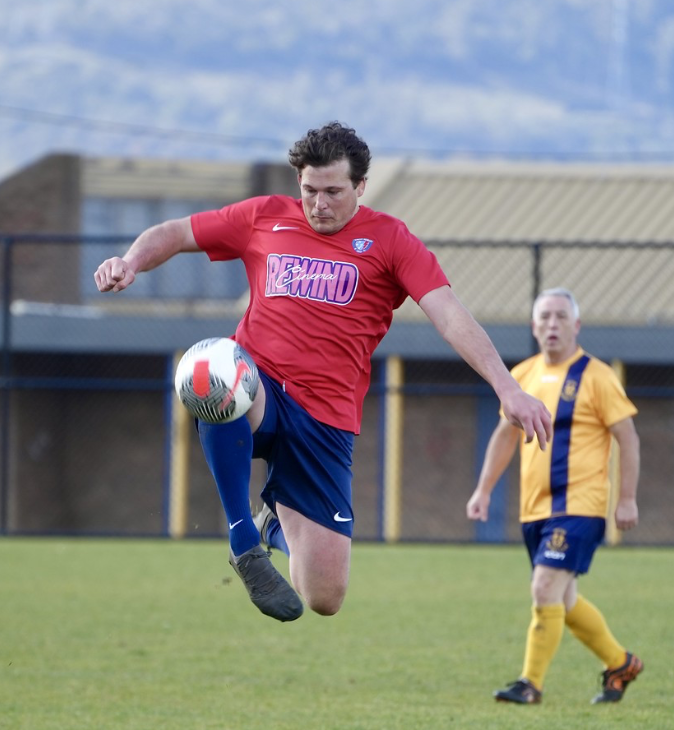
One of my photos of Luke in action

What a Football Life
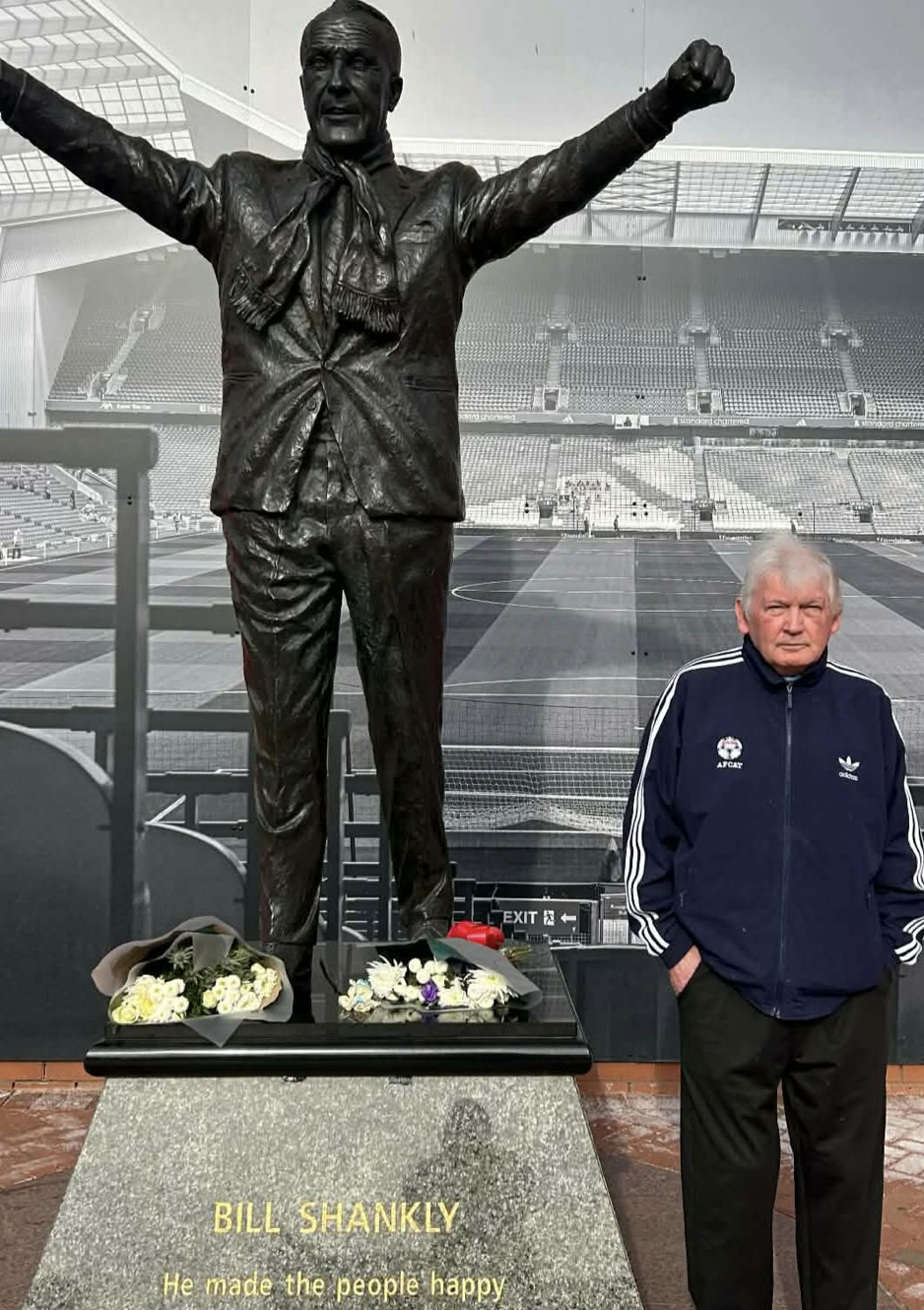
Photo courtesy of Steve and his daughter
The remarkable football journey of Steve Darby
I first met Steve Darby in Sydney at one of the Football Writers Festivals initiated by Bonita Mersiades.
Steve was a guest speaker, talking about his book The Itinerant Coach: The Footballing Life and Times of Steve Darby. It was one of those sessions where you realise very quickly you are listening to someone who has lived a football life most of us only ever read about.
Countries, cultures, chaos, success, setbacks. All of it.
Normally, Nikki would take the photos for my blog posts. Asking her to pop over to Liverpool for this one felt a bit much. Instead, Steve wandered down the road to Anfield and got his daughter to take a few photos for me.
Much appreciated.
It was four degrees.
I remember sitting there that day in Sydney thinking how extraordinary his journey had been. It also made me reflect, personally, on the travelling life of coaching. Hearing Steve speak made me wish I had met Ken decades earlier and been part of more of those experiences, the Maldives, Malaysia, Vietnam, Ethiopia, places where football becomes something more than just a game.
Steve’s story begins in Anfield.
And, like all good football stories, it starts close to home.
Growing up in Anfield
Darby was born in Anfield in Liverpool, just a short walk from the ground.
“I was lucky enough to be born in Anfield about 100 metres from the ground and went to Anfield Road School. That meant I walked past and touched the stadium every day.”
Football shaped everything.
“In reality school was football and after school was football in the streets. As much as I love cricket, cobbles are not the best for the game.”
There was never really a choice.
“It wasn’t like there was a choice to choose football. All your family were either a Red or a Blue and every lad played football.”
Choosing Liverpool
His father gave him a season of both sides of the city.
“My Dad took me to watch Everton one week and Liverpool the next for a season, then let me choose.”
At the time Everton were in Division One and Liverpool in Division Two.
Darby chose Liverpool anyway.
“Bill Shankly.”
“He was just an incredible man who I was lucky enough to sit down and listen to for about an hour. I only wish there were camera phones then.”
His playing hero was Gordon Banks.
“I had gone to Hillsborough to watch Liverpool v Leicester in the FA Cup semi-final in 1963 and Banks won the game.”
A goalkeeper who turned to coaching
“The quality of my goalkeeping led me to coaching!”
At Tranmere Rovers, a coach told him directly he would not make it.
“He told me straight I was not going to make it, which he was right about.”
Instead, he was encouraged toward education.
Darby attended Liverpool Collegiate Grammar School before training as a PE teacher at Leeds Carnegie, while completing a degree in Education Psychology at Leeds University.
At Carnegie, lecturer Merv Beck changed everything.
“He encouraged me to do my FA coaching badges.”
“Coaching opened my eyes to the game. I realised I had never been coached at any level up to then. It was just play football and running at training sessions.”
At just 23, Darby achieved the FA Full Badge, at the time the third youngest to do so.
A phone call to Bahrain
After university, Darby was teaching when the opportunity came.
“Merv Beck called me and asked if I wanted to go to Bahrain as a full-time coach.”
“I just said yes. I never even asked what the salary was.”
It turned out to be about six times his teaching wage.
At East Riffa he coached on sand pitches and later joined national team camps under Jack Mansell.
He also made a key decision that would shape his coaching career.
“I made the decision to learn Arabic, though I am illiterate as the writing beat me, but learning a language was an important step.”
It was the beginning of a pattern that would define his coaching life.
A revolution leads to Tasmania
Darby’s move to Tasmania came via global politics.
Following the Iranian Revolution under Ayatollah Khomeini in 1979, expats were told to leave Bahrain amid fears Iran might invade.
Back in England, Darby received two telegrams.
One from New Zealand.
One from Devonport.
“I luckily chose Tasmania.”
First impressions
He was met in Sydney by Eric Worthington, Australia’s National Director of Coaching.
“A wonderful man, way ahead of his time and the programs he set up are now bearing fruit with Aussie coaches working abroad. A concept which was laughed at in 1980.”
At Launceston Airport, a journalist asked him to walk down the steps juggling a ball while carrying his bag.
“I said if I could do that it would be Madrid Airport not Launceston.”
Then came the newspaper moment.
“I saw Cooee 95 beat Penguin 76 in the football scores. I thought I’ll be a great Keeper here!”
He had never heard of Australian Rules.
“When I first saw it I was both amazed and shocked. No red cards and the tightest shorts possible!”
Over time, he came to appreciate the game and its coaching.
The golden era
Darby arrived during what many consider the golden age of Tasmanian football, a period where the quality on the pitch, both imported and local, was arguably higher than what we see today.
He references players such as Brine, Young, Morton, Ward, Burton, Parker, Sawdon and “the Gazza of Tasmania” Nick Cook.
These imports were combined with strong local players such as the Kannegiessers, Nunn, Peters and Georgetown players like O’Sullivan and Hughes.
Darby himself played for Devonport, South Hobart, University, Croatia and White Eagles.
At White Eagles he met Eva Plechta.
“She was top class and supported me to the hilt and we won the League in 1986.”
As Director of Coaching, he also introduced a State of Origin concept to support local players.
Football and pigeons
“There were some great games in that era especially at Darcy Street and Devonport with full stadiums.”
But it was also about the people.
“There was a fantastic atmosphere amongst the players who often mixed together after games. Ending up in the Casino.”
And then there were moments that only football can produce.
“My first away game with Devonport was a culture shock as we stopped at Campbelltown and my sweeper Alex McDonald went to the back of the bus and let his pigeons out!”
Six weeks that became three years
Darby’s move into Asian football came almost by accident.
“I had just been sacked by Sydney Olympic when Ron Smith from the AIS asked if I fancied six weeks in Johor, Malaysia.”
He stayed three years.
He was brought in to save a team from relegation.
“They had forgotten they were still in the FA Cup as they thought they had no chance.”
They went on to win it.
“The first and only team from the second division to win the FA Cup.”
There was luck involved.
“In the first game the opposition hit the post, we broke away and won 1–0 and the confidence of the players grew.”
He also had quality.
“I had two top class Aussie imports Darren Stewart and Milan Blagojevic.”
Lessons from Asia
Darby coached across Bahrain, Australia, Fiji, Malaysia, Vietnam, Singapore, China, Thailand, India and Laos, as well as youth coaching with Sheffield Wednesday.
The lessons were clear.
“Win games or you are out.”
“The most important thing is not to be colonial.”
“Bend like bamboo. Learn which battles to fight.”
“Adapt to the culture of the country and, wherever possible, learn the language.”
In Malaysia, an administrator named Marzita helped him understand Islamic culture.
In Thailand, he learnt about “losing face”.
“You never criticise a Thai player in front of his teammates as he will lose face. Privately is fine as Thai players are excellent professionals.”
He also learnt how quickly things can turn.
“I once made a senior journalist lose face. He spent a year trying to get me sacked.”
In Vietnam, the lesson was even clearer.
“In 2001 nobody in the team or staff spoke English. You are only as good as your translator.”
With the right support, his team went on to win Vietnam’s first ever Southeast Asian Games gold medal.
The darker side
“Match fixing is the biggest cancer in the game.”
Darby says it is rarely simple.
“It is not a black and white issue as I thought once, but many shades of grey.”
“What do you do if your family is threatened? Your wages are three months behind? Your children need operations?”
He is clear on one point.
“I never was involved in a fix, but I know in hindsight I have been involved in games that we won and were fixed or spot fixed.”
And one of his most striking observations:
“It is quite possible to be involved in fixing and still win the game.”
Again, the philosophy returns.
“That’s where you bend like bamboo.”
The Matildas and change
Darby coached the Matildas in the late 1980s.
The game was very different.
“My Matildas paid to play.”
Selection processes were inconsistent.
“There had been kitchen table administration and selection was often state based depending on who was on the committee.”
He insisted on independence.
“I only took the job as I was guaranteed sole selection.”
He selected players on merit.
“I chose players irrespective of race or sexuality.”
He recalls being asked by a senior administrator why he didn’t select “proper” girls.
“I said we are not playing futsal!”
He also notes there was both misogyny and misandry in that era.
Despite that, players such as Gegenhuber, Forman and Iannotta went on to earn over 50 caps.
Big stadiums and bigger moments
Darby coached in front of 90,000 at Bukit Jalil and 80,000 at Tehran’s Azadi Stadium.
“With guards carrying machine guns around the pitch. I was glad we lost 0–1.”
His favourite stadium was Shah Alam.
But one moment stood above all.
“When Thailand played Liverpool, it was a dream come true.”
He never played for Liverpool.
But he coached against them.
“And we drew 1–1.”
Coaching and the modern game
The game has changed, but the fundamentals, Darby believes, have not.
In some areas, football has improved.
“In terms of physical preparation such as diet and recovery it has made a positive difference.”
In others, he is less convinced.
“I’m still trying to find out where the half space is so I can put my Xg in it!”
His advice remains grounded.
“Learn to manage upwards. Someone is always paying your wages.”
“Learn how to handle the media. They can make you or destroy you.”
And in the modern game:
“I was sacked on Facebook from one job.”
Tasmania’s reality
Darby sees both strengths and challenges.
“The advantages are the wonderful core of volunteers who keep the game going.”
“The disadvantages are the political power of Aussie Rules and the geography of the state.”
He suggests practical improvements.
“In a dream world build a better road between the North and North West and the South so a statewide league is easier.”
“Play games at night under lights and increase media coverage as that will increase sponsorship.”
He also points to a long-standing issue.
“The AIS was the only way in my days and I have no doubt that many Tassie lads could have played in the old NSL such as the Leszcinsky brothers.”
It is a familiar theme in Tasmanian football. Not a lack of talent, but a lack of pathways.
The best XI
Darby’s best team in a 3-5-2:
Hamood Sultan (Bahrain)
Subraman, Aide Iskander (Home United Singapore)
Friedriche (Mumbai, ex Dortmund)
Spider Leszcinsky (White Eagles)
Shawky (Kelantan and Egypt)
Tony Zelic (Socceroos)
Sharul (Perak Malaysia)
Sutee Suksomkit (Thailand)
Anelka (France, Mumbai)
Teerasil (Thailand)
Subs included Peres (Brazil), Darren Stewart, Milan Blagojevic and Berros (Chile).
A final lesson
In India, Darby coached Nicolas Anelka, a player with a difficult reputation in the British media.
The reality was very different.
“You could not have had a better professional and nicer bloke.”
It is a reminder that football, like people, is often very different up close than it appears from a distance.
What a football life
Reading his answers now, alongside photos from a career that has taken him from sand pitches in Bahrain to stadiums holding 90,000 people, it is hard not to reflect on the scale of it.
A boy growing up 100 metres from Anfield.
Walking past the ground every day.
Touching the walls.
Listening to Bill Shankly for an hour.
And then, decades later, coaching against Liverpool.
In between, Tasmania.
Devonport. Darcy Street. White Eagles. Bus trips with pigeons.
From Anfield to Bahrain, to Devonport, to Kuala Lumpur, Tehran and beyond.
And a football life that has stretched across continents, cultures and generations.
It is easy in Australian football to think our stories are small.
They are not.
Sometimes they just travel further than we realise.
What a football life.
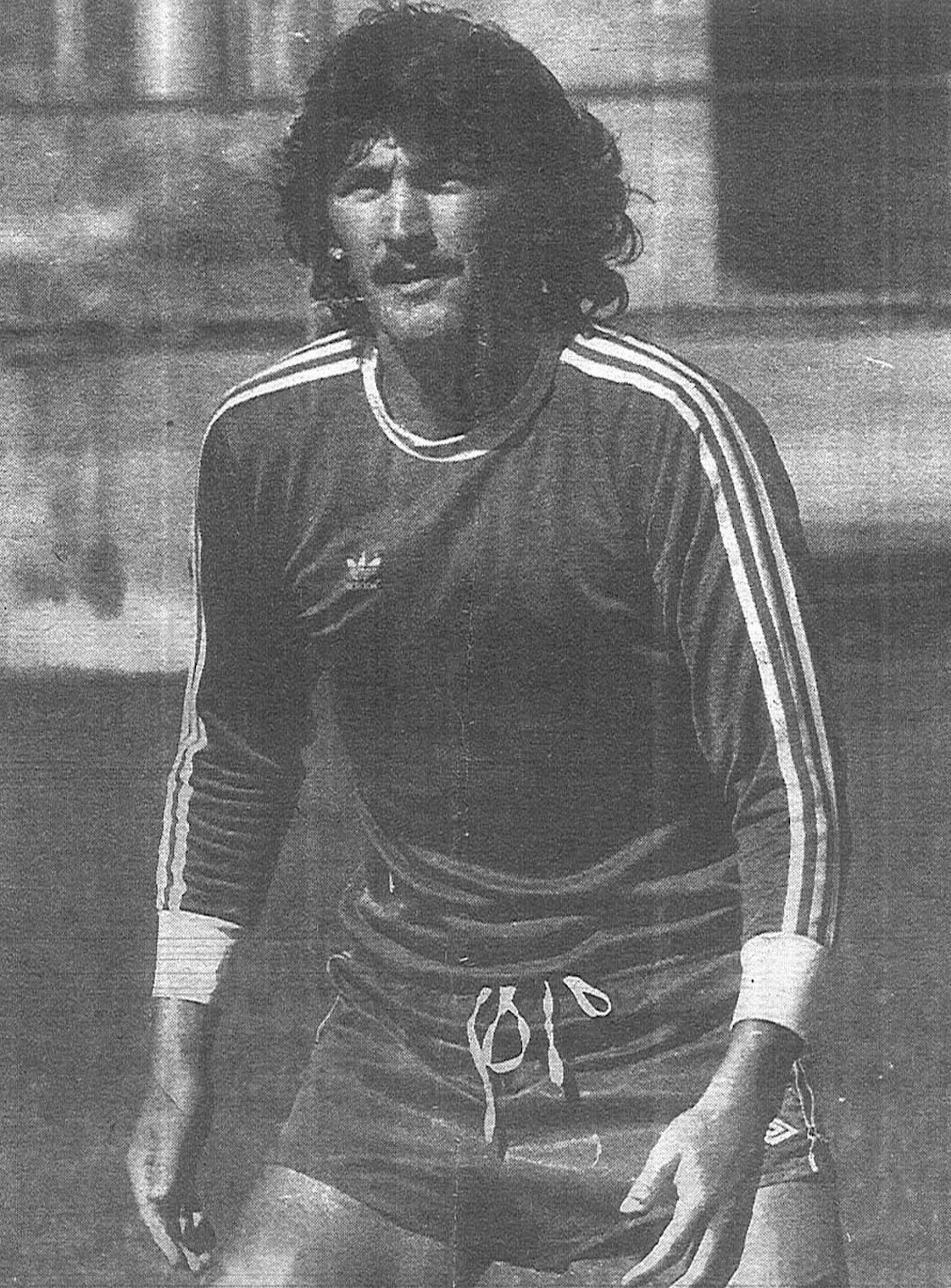
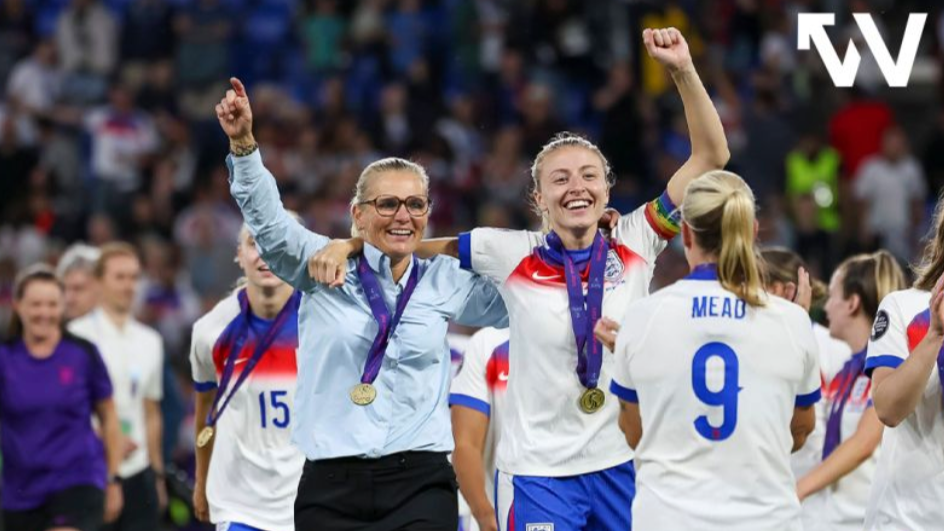
If the Pathway Worked, FIFA Wouldn’t Need to Intervene

Mandated Change: When Football Stops Waiting
There was a moment today that didn’t come with a goal, a crowd, or a trophy.
But it might matter more than all three.
FIFA has ruled that every team in its women’s competitions must now have:
at least one female head coach or assistant coach
at least two female staff members on the bench
and at least one female member of medical staff
Not encouraged.
Not recommended.
Required.
And that one word tells you everything.
What FIFA Has Actually Done
This is not a soft policy.
It is structural.
It applies across all FIFA women’s competitions, youth and senior, national teams and clubs.
It begins immediately with youth tournaments and rolls into the 2027 Women’s World Cup.
This is not a campaign.
It is not a development program.
It is a rule.
FIFA has effectively said the system is not moving fast enough, so we are going to move it.
The Quiet Admission Behind It
The headline will say progress.
But underneath, this is something else.
It is an admission.
At the 2023 Women’s World Cup, only 12 of 32 head coaches were women.
Globally, only around five percent of coaches are women.
In a sport that belongs to women.
That is not just a pipeline issue.
That is a system issue.
If the Pathway Worked, This Wouldn’t Exist
Football has spent years talking about pathways.
Development.
Opportunities.
Visibility.
And yet here we are.
At the point where the global governing body has stepped in and said we will legislate the outcome.
Because the system hasn’t delivered it.
Coaching pathways do not fail by accident.
They reflect who holds power, who makes decisions, and who is seen as ready.
Who Coaches the Women’s Game
This is the uncomfortable part.
Women’s football has grown rapidly.
But the coaching hasn’t kept pace.
The game expanded, and men stepped into the space faster than women were supported to.
That is not a criticism of individuals.
It is how systems behave when they are not deliberately designed otherwise.
Acknowledging What Has Been Built
It is also important to say this clearly.
Men have played a significant role in building women’s football.
As coaches, volunteers, and leaders, they have helped grow the game, often at times when there were few pathways or structures in place.
That contribution matters.
But contribution and control are not the same thing.
The question now is not how the game was built.
It is who it is being built for next.
The Gap Nobody Talks About
You can mandate positions overnight.
You cannot create experienced coaches overnight.
That gap did not appear suddenly.
It has been building for years.
Mandating roles creates demand overnight.
The supply of experienced coaches takes years to build.
From Encouraged to Enforced
This is the real shift.
For years, diversity in coaching was encouraged.
Programs were introduced.
Pathways were discussed.
Progress was measured slowly.
Now it is being enforced.
That is not evolution.
That is intervention.
This is not just about coaching.
It is about who is visible, and who has authority, in the technical area of the game.
The Risk Football Will Try to Ignore
This is where it gets uncomfortable.
Football is very good at creating roles to meet requirements.
It is less good at shifting who holds authority within them.
The risk is not that this rule fails.
The risk is that it is complied with.
Assistant roles filled.
Boxes ticked.
Structures unchanged.
The real test will not be how many women are on the team sheet, but where they sit within it.
And This Is Not Just a FIFA Story
This will not stay at the top of the game.
It will ripple.
Into national federations.
Into licensing systems.
Into club expectations.
Into community football.
Because once something is mandated globally, it becomes the reference point everywhere.
The question is not whether this applies to us.
It is how far away we are from needing the same intervention.
What We See at Ground Level
At community level, we see it every week.
Women organising teams.
Running programs.
Holding clubs together.
But far fewer progressing into formal coaching roles.
That is not a reflection of capability.
It is a reflection of structure.
Football did not run out of women capable of coaching.
It ran out of ways to ignore them.
The Governance Layer Nobody Talks About
This is also a governing body responding to pressure.
Women’s football is growing.
Commercial interest is increasing.
Scrutiny around equity is rising.
This is not just reform.
It is response.
The detail that will matter most is not the rule itself, but how it is enforced.
Because in football, rules without enforcement quickly become recommendations.
The Question Football Now Has to Answer
FIFA has forced the door open.
But what happens next is the real test.
Do we build real pathways?
Do we invest in coaching development?
Do we create environments where women are not just present, but leading?
Or do we fill roles, meet requirements, and call it progress?
Because This Is the Truth
When a governing body mandates representation, it is not a sign that things are working.
It is a sign they are not.
Because if the system worked, FIFA would not need to intervene.
And if we do not change it, they will not be the last to.
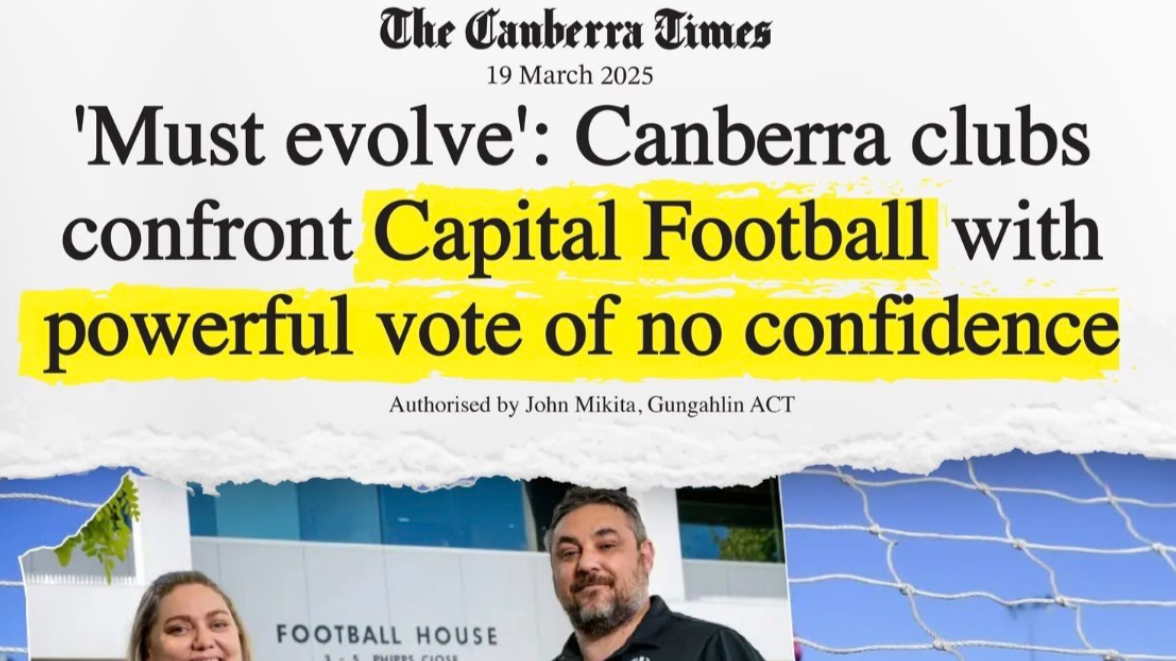
Are We Actually Safe?

The question I can’t shake
For years, I have been the person at my club responsible for annual club licensing.
Every NPL club has to go through it.
It is not simple.
Five categories.
Dozens of benchmarks.
Pages of documents.
Declarations. Sign-offs. Evidence.
Financials are not a side note. They are a core part of the process.
At licensing forums, we are told:
This is not here to catch you out.
This is here to support clubs.
To help them grow.
And I want to believe that.
Because at times, if I am honest, it has felt like the opposite.
At times, it has felt less like support, and more like a test you do not want to fail.
Like something that could just as easily be used to say:
You do not meet the standard.
You do not get a licence.
And to be clear, this is not a small administrative task.
It is detailed.
It is structured.
It is time-consuming.
It is meant to mean something.
To be fair, my experience locally has not been negative.
Greg from Football Tasmania has been helpful and approachable through the licensing process.
And I do not think clubs are walking away from licensing feeling unsupported.
If anything, it is the opposite.
Clubs do the work.
They take it seriously.
They want to meet the standards.
But perhaps that is exactly where the vulnerability sits.
Because when you do everything that is asked of you, you assume the system is doing its part as well.
So I keep coming back to the same question.
If all of that exists…
What exactly is it protecting?
What has happened in Canberra
A few days ago, a group of senior Canberra clubs issued a vote of no confidence in Capital Football.
That is not routine.
It is one of the strongest signals clubs can send.
It means this:
We no longer trust this leadership to run the game.
Not one club.
A group.
That matters.
Because collective action does not happen lightly. It usually happens when clubs feel they have run out of quieter ways to be heard.
To understand it, you have to go back
In October 2025, Gungahlin United, a major NPL club, collapsed.
Publicly.
The figures are significant.
More than $550,000 owed.
Some reporting closer to $680,000 to $700,000.
Around 2,000 players and families affected.
Competitions disrupted.
Teams displaced.
The system forced to adjust around the failure.
This was not a marginal club.
This was a licensed club.
A club approved to compete.
A club operating inside the system.
And that is exactly why this has hit so hard.
What has emerged since
Recent reporting has added another layer.
The liquidator’s investigation has identified:
Significant unsecured debts approaching $700,000.
Concerns about inadequate financial records.
Financial information that may not have accurately reflected the club’s true position.
The possibility the club had been operating in financial distress, potentially as far back as 2021.
There has also been reporting about possible legal action and public examinations of former committee members.
These are serious findings.
They move this beyond a simple club failure.
This is no longer just a story about a club that went under.
It is a story about financial accuracy, oversight, and accountability inside a system that is supposed to be checking for exactly these things.
The audit question
Reporting has also raised questions about whether earlier intervention was possible.
It suggests there were provisions within governance frameworks for:
Financial oversight.
The ability to trigger audits.
Escalation where concerns existed.
There are also indications that concerns had been raised over a number of years.
If that is the case, it sharpens the issue even further.
Because the question shifts.
Not just:
How did this happen?
But:
What could have been identified earlier?
And if there were mechanisms available to look more closely, why were they not used sooner, or why did they not change the outcome?
And this is where the tension sits
Because those same years sit inside the licensing cycle.
The same process that requires:
Financial reporting.
Declarations.
Evidence of viability.
So again:
How does a club present financial information, meet requirements, be approved to compete…
And still collapse under that level of debt?
That is the question clubs are entitled to ask.
And it is not an attack to ask it. It is the obvious question.
Where responsibility sits
The federation position has been consistent.
Clubs are independent.
They are responsible for their own financial management.
Warnings and breach notices were issued.
The clubs perspective is different.
You licence us.
You assess us.
You approve our participation.
You set the framework we operate within.
And when something fails inside that framework, especially at this scale, it is difficult to accept that responsibility sits entirely on one side.
That is where trust starts to fray.
Because clubs are told the system is there to support, monitor, and uphold standards.
But when failure arrives anyway, the support can start to look more like paperwork than protection.
The gap
This is not about one decision.
It is about a gap.
A gap between:
What the system requires
And what the system is able to detect
A gap between:
Compliance
And protection
Because licensing is mandatory.
It is presented as a safeguard.
It is presented as something meaningful.
So when a licensed club fails at this scale, the natural question is not just about the club.
It is about the system around it.
Not because the system caused the collapse.
But because the system was there, and the collapse still happened.
Why this has escalated
A vote of no confidence does not appear without context.
It is not the first step.
It is the last.
Concern.
Discussion.
Frustration.
Then public action.
By the time it reaches this point, confidence is not just questioned.
It is withdrawn.
That is why this matters.
A vote of no confidence is not just disagreement. It is a public declaration that the relationship between clubs and governing body has broken down badly enough that silence is no longer acceptable.
The question for every club
This is not just Canberra.
Because if you remove the names…
And replace them with any federation…
The question does not change.
Are we safe?
Does the system we are required to comply with actually protect us?
Or does it simply assess us, document us, and approve us… until something goes wrong?
That is the part that should make every club pause.
Because most clubs do the work in good faith.
They meet deadlines.
They gather the documents.
They sign what needs to be signed.
They trust that the process has value.
They trust that it is there for a reason.
The uncomfortable reality
Licensing is meant to:
Set standards.
Ensure viability.
Support clubs.
Protect the game.
That is the purpose.
But when a club can:
Submit financials
Meet requirements
Be approved to compete
And still collapse with debts of this magnitude…
That purpose has to be examined.
Not casually.
Not defensively.
Seriously.
Because once people stop believing the process is protecting the game, what is left is compliance without confidence.
And that is a dangerous place for any governing system to end up.
The line that cannot be ignored
A club did not just fail.
It failed owing more than half a million dollars.
With reporting suggesting financial distress may have existed for years prior.
During the very period it was being assessed and approved.
That is the fact pattern people cannot simply wave away.
It is too big.
Too public.
Too damaging.
And for the families, players, coaches and volunteers left picking through the wreckage, it is also too real.
Closing
If a system designed to assess financial viability cannot detect a failure of this scale…
And if mechanisms for earlier intervention may have existed…
Then the question is no longer just what went wrong.
It is whether the system is doing what clubs are told it is doing.
Because clubs are not just being asked to participate.
They are being asked to trust.
To trust the standards.
To trust the oversight.
To trust the process.
And when a club can pass through that process and still collapse like this, trust does not just weaken.
It gets damaged.
Final line
We do the work.
We meet the standards.
We sign the documents.
We trust the process.
But right now, every club has a right to ask one simple question.
Should we?
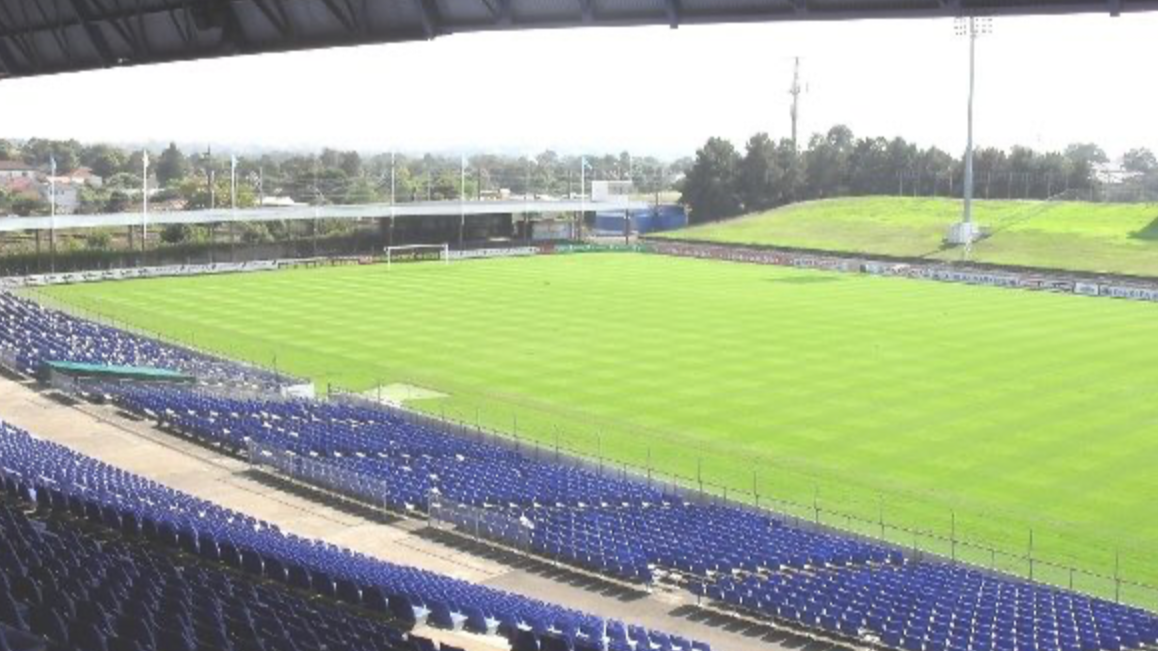
Who Really Owns a Football Club?
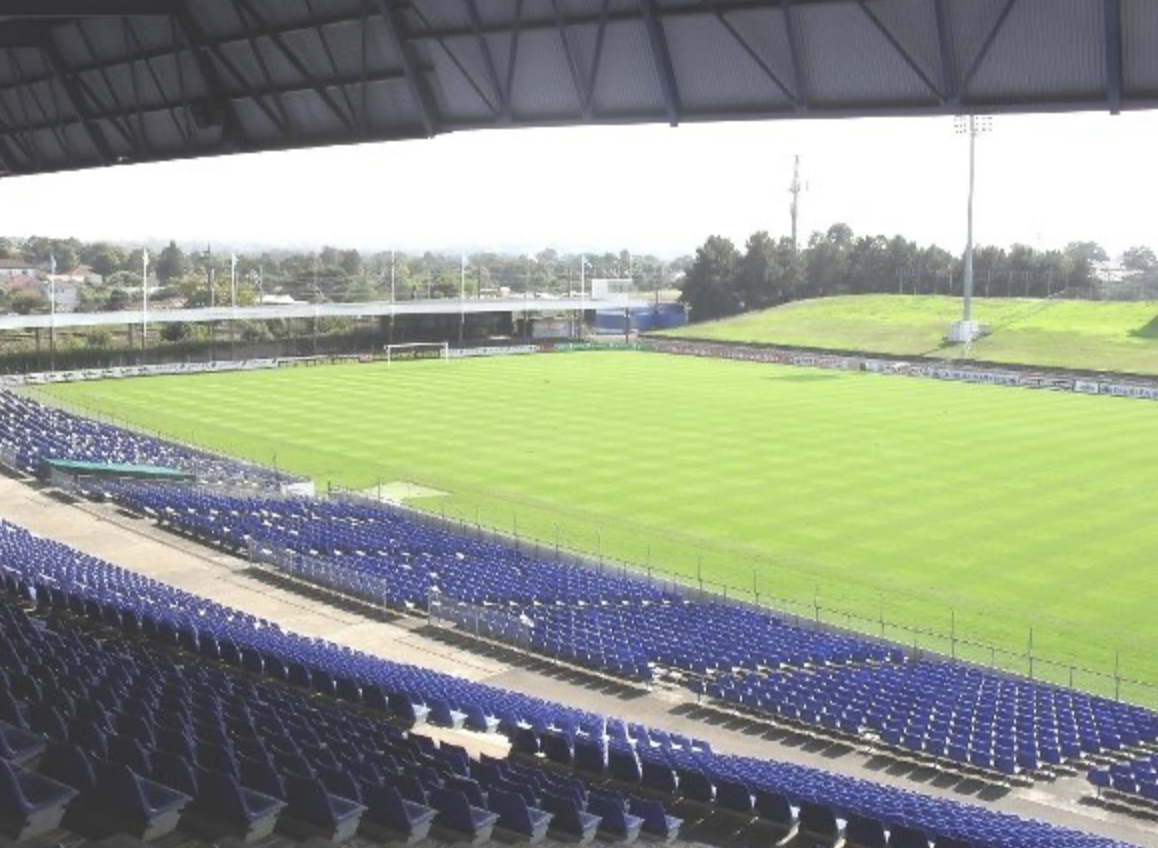
Belmore - Home of Sydney Olympic
There is a lot happening at Sydney Olympic right now.
If you’ve been watching from the outside, it might look messy. Social media posts, open letters, meetings, counter-meetings. Words like governance, transparency, control and sustainability being thrown around.
But underneath all of that is something much more important.
This is not just a Sydney Olympic story.
This is a football story.
And it is happening all over Australia.
The Sydney Olympic story, explained simply
Sydney Olympic is one of the most historic clubs in the country.
Built by community. Sustained by members. Carried through generations.
But in recent years, like many clubs, it has faced financial pressure and instability. That led to new funding coming into the club, new structures being introduced and a shift in how decisions are made.
At the centre of that period was a key figure who provided significant financial support, held leadership roles and helped stabilise the club.
Then, late last year, he stepped away.
And not quietly.
He moved into an attempted takeover of an A-League club, the Central Coast Mariners.
That matters, because it left a vacuum.
And in football, vacuums rarely stay empty for long.
The shift that is causing friction
The current board has been clear about its focus.
Stability. Governance. Sustainability. Youth development.
On paper, it all makes sense.
Clubs cannot survive without financial discipline. Governance matters. Development pathways matter.
But here is where the tension begins.
A shift toward youth is not just a football decision.
It is also a financial one.
Younger squads are cheaper. More controllable. More sustainable on a balance sheet.
That is the part that is rarely said out loud.
Because for members and supporters, it can feel like something else entirely.
It can feel like ambition being lowered. Identity being reshaped. A senior club becoming something closer to an academy.
In recent seasons, that shift has coincided with questions from members about the direction of the senior program and the role it now plays within the club.
And once that feeling takes hold, everything else starts to be questioned.
A layer beneath the surface
There is also another layer to this that has added to the unease.
Sydney Olympic’s involvement in the new Australian Championship has been described publicly as sitting within a separate structure, rather than entirely within the traditional member-based club.
For some, that may be a practical decision.
For others, it raises a more fundamental question.
If different parts of a club sit in different structures, with different levels of control, then what exactly is the club?
And who ultimately decides its direction?
You do not need to know every detail to understand why that matters.
Because once those questions are being asked, governance is no longer theoretical.
It becomes personal.
When governance becomes the story
At Sydney Olympic, governance is no longer happening quietly in the background.
It is front and centre.
Members are asking questions about:
who controls the club
how decisions are being made
what financial arrangements exist
whether the constitution has shifted power away from them
Meetings have been held. A steering committee has formed. There are calls for an Extraordinary General Meeting.
The board, for its part, is defending its position.
It says it is stabilising the club. Building for the future. Bringing professionalism to a complex environment.
And here is the uncomfortable truth.
Both sides believe they are protecting the club.
Only one of them will define what it becomes.
The meeting that matters
All of this is now heading toward one moment.
Sydney Olympic’s Annual General Meeting on 21 April.
That is where members will have their say.
Where questions will be asked directly.
Where governance, control and direction will no longer sit in statements or social media, but in a room.
These moments are rarely comfortable.
They are often messy.
But they are also where clubs show what they really are.
And this one will be watched closely.
The fault line
This is where it becomes bigger than Sydney Olympic.
Because the real question is not about one board or one group of members.
It is this:
Who does a football club belong to?
Is it:
the members who built it
the community that supports it
or the people who fund and stabilise it when things go wrong
In modern football, those answers do not always align.
And when they don’t, governance becomes the battleground.
The new reality for clubs
Across Australia, clubs are being pushed into a new space.
More compliance. More reporting. More financial scrutiny.
Higher expectations. Higher costs.
At the same time:
volunteer bases are shrinking
funding is harder to secure
and the gap between amateur structures and professional expectations is widening
So clubs adapt.
They tighten governance. Reduce board sizes. Bring in business thinking. Focus on sustainability.
All of which sounds sensible.
Until you ask a simple question.
Sustainable for who?
The moment everything changes
There is always a moment in these situations.
It is not a vote. Not a meeting. Not a press release.
It is a feeling.
It is the moment when members stop feeling like the club is theirs.
At Sydney Olympic, that moment appears to have arrived.
You can see it in the language:
“the club belongs to its members”
“this is not a dictatorship”
“call an EGM”
That is not noise.
That is a community pushing back.
What happens next
There are only a few ways this can go.
An EGM may be called. Directors may be challenged. Structures may be tested.
Or the current model may hold, and the club continues on its current path.
But regardless of outcome, something has already changed.
Governance is no longer invisible.
It is in the headlights.
And once it is visible, it is very hard to hide again.
Why this matters for all of us
It would be easy to dismiss this as a Sydney issue.
It isn’t.
This is what happens when:
community clubs face financial reality
private funding enters the system
governance structures evolve faster than culture
Sydney Olympic is just the example we can see.
There will be others.
There already are.
A final thought
Football clubs are not just organisations.
They are memory. Identity. Belonging.
You can stabilise a balance sheet.
You can restructure governance.
You can build a pathway.
But if people stop feeling like the club is theirs, something important has been lost.
And once that happens, it is very hard to get back.
When a Coach “Steps Down”
I want to start this post with something personal.
My blog is not about gossip or personal scandal.
That is also why I do not run open comment threads.
If readers wish to respond, they can contact me through my approved email channels.
Football conversations are best had thoughtfully, not in the noise of public speculation.
In our small football community many of us know what is happening long before anything appears publicly. We hear things on the sidelines, in group chats, or through the quiet conversations that travel through the game.
Recently I saw a statement on X that made me pause.
For a moment I wondered whether I should write about it at all.
Situations like this are part of football life, and in some ways they become part of our own journeys in the game as well.
But there are also real people involved.
People with families.
People with histories in football.
People many of us know.
So this is not a blog post about one situation or one individual.
Instead it is about something broader.
It is about governance in football clubs and the difficult decisions that presidents and boards sometimes have to make behind the scenes.
Decisions that add yet another layer to the already long list of responsibilities carried by volunteers.
And it is also a reminder that football, like life, is full of complicated human stories.
Some of them joyful.
Some of them deeply difficult.
Why clubs write statements this way
Every so often in football, a statement appears.
A coach “steps down”.
A staff member “moves on”.
A club announces a “mutual decision”.
The wording is always careful.
Often the statement never actually names the person involved.
Anyone who has been around the game long enough recognises the language.
Something has happened.
But the details remain private.
And sometimes that is exactly how it should be.
Football clubs, especially community clubs, operate in a complicated space.
They are volunteer organisations.
But they also carry real responsibilities to players, members and the wider community.
When something difficult happens behind the scenes, there are legal and personal considerations.
Employment law.
Privacy.
Sometimes ongoing processes that cannot be discussed publicly.
So the statement becomes cautious.
Carefully worded.
And deliberately brief.
The rumours that follow
The difficulty, of course, is that football communities are small.
People talk.
A message appears in a group chat.
Someone says they heard something from another club.
Another person claims they know what really happened.
Soon the story becomes bigger than the facts.
Sometimes the rumours are true.
Sometimes they are wildly wrong.
Either way, speculation rarely helps anyone.
Not the club.
Not the individuals involved.
And not the game.
The real lesson for clubs
When situations like this arise, the instinct is often to focus on the individual.
But the stronger question is usually about systems.
Community football runs on trust.
Volunteers step into roles because someone has to organise things.
People manage teams, coordinate fixtures, organise training and keep the club running simply because they care about the game.
Most club presidents and board members did not volunteer expecting to deal with complex personnel matters or crisis management.
They signed up to organise teams, support players and keep football running.
That trust is one of football’s greatest strengths.
But good governance means building structures that support that trust.
Not because we expect the worst from people.
But because clear systems protect everyone involved.
Simple structures that matter
Most grassroots clubs try to put basic governance structures in place.
Clear reporting to the board.
Shared responsibility for important decisions.
Transparent communication with members.
Regular oversight of how the club operates.
None of these things are about suspicion.
They are about responsibility.
They protect the club.
And they protect the volunteers who give their time to keep football running.
Remembering the human side
There is another reality too.
Football people are human.
Coaches, volunteers and officials carry pressures that are often invisible to those on the outside.
Family challenges.
Financial stress.
Mental health struggles.
Sometimes people make mistakes.
Sometimes life overwhelms people in ways others never see.
Life does not pause just because someone is involved in football.
When things go wrong in sport, it can be tempting to search for villains.
But real life is rarely that simple.
Football is built on trust
At its best, community football is one of the most trusting environments in sport.
Parents trust coaches with their children.
Players trust volunteers to organise their teams.
Clubs trust each other to uphold the spirit of the game.
That trust is the foundation of everything we build.
Which is why good governance, clear structures and strong club cultures matter so much.
Not because something has gone wrong.
But because they help ensure that, most of the time, things go right.
Because in the end, football is played on grass fields by ordinary people trying to do their best.
Eight Bloody One: The Monty Python Story Behind Barnstoneworth United
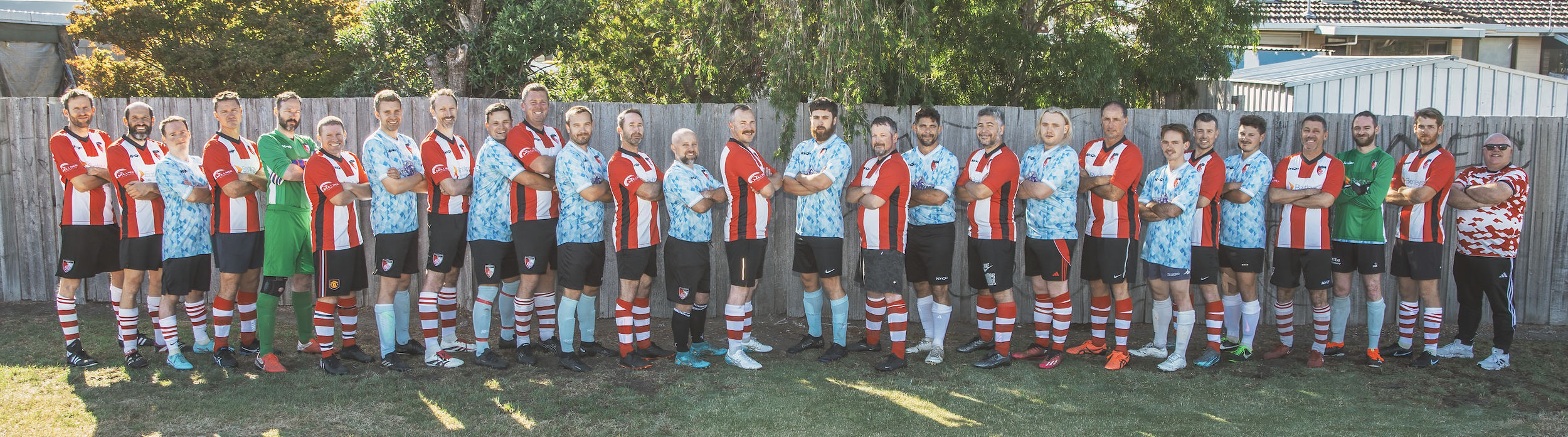
Photo credit: Nikki Long
A Hobart football club built on mateship, social football and the magic of the Lakoseljac Cup.
Some football clubs begin with big ambitions.
Others begin with a joke that refuses to disappear.
Barnstoneworth United belongs firmly in the second category.
In Hobart football circles the name alone often stops people in their tracks. Opponents regularly ask the same question.
Where on earth did that name come from?
The answer, like many good football stories, involves a group of mates, a British comedy sketch and a club that never took itself too seriously.
Thirty years later it is still going strong.
And on a Friday night in the Lakoseljac Cup the small social club from Wentworth Park produced one of the most memorable results in its history.
But to understand Barnstoneworth United, you have to start with Monty Python.
Golden Gordon and the birth of Barnstoneworth
The origins of Barnstoneworth United do not lie in Tasmania at all.
They begin with a British comedy series called Ripping Yarns, written by Michael Palin and Terry Jones of Monty Python fame, which ran from 1976 to 1979.
One episode, Golden Gordon, featured a fictional football club from Huddersfield in 1935.
Barnstoneworth United had once played in the top league but had fallen spectacularly, losing every game in the bottom division.
Their biggest supporter was Gordon Ottershaw, played by Michael Palin.
After every defeat he would return home furious and smash the furniture in frustration, much to the despair of his long suffering wife and son.
After one particularly brutal defeat Gordon delivers the unforgettable line.
“Eight bloody one! And even that were an own goal!”
Eventually the club is set to be sold off to a scrap dealer and the upcoming match against Denley Moor is meant to be the club’s final game.
In desperation Gordon tracks down the legendary players from the 1922 team.
As the match approaches kick off there are only four players available and just three pairs of shorts between them.
Then, in true football fairy tale fashion, the old legends arrive just in time and Barnstoneworth United turn back the clock and win.
The inspiration for the story came from Huddersfield Town’s decline in the 1970s when Ripping Yarns was being filmed.
For Chris Scholefield, one of Barnstoneworth Hobart’s long time custodians, the connection goes even further.
One of his prized possessions is an old Barnstoneworth playing shirt signed by Sir Michael Palin himself during a visit to Hobart.
Palin left a message that captures the spirit of the club perfectly.
“Remember the score, 8 bloody 1! It’s not the shorts that matter, it’s what’s in them that counts! All the best, Gordon Ottershaw.”
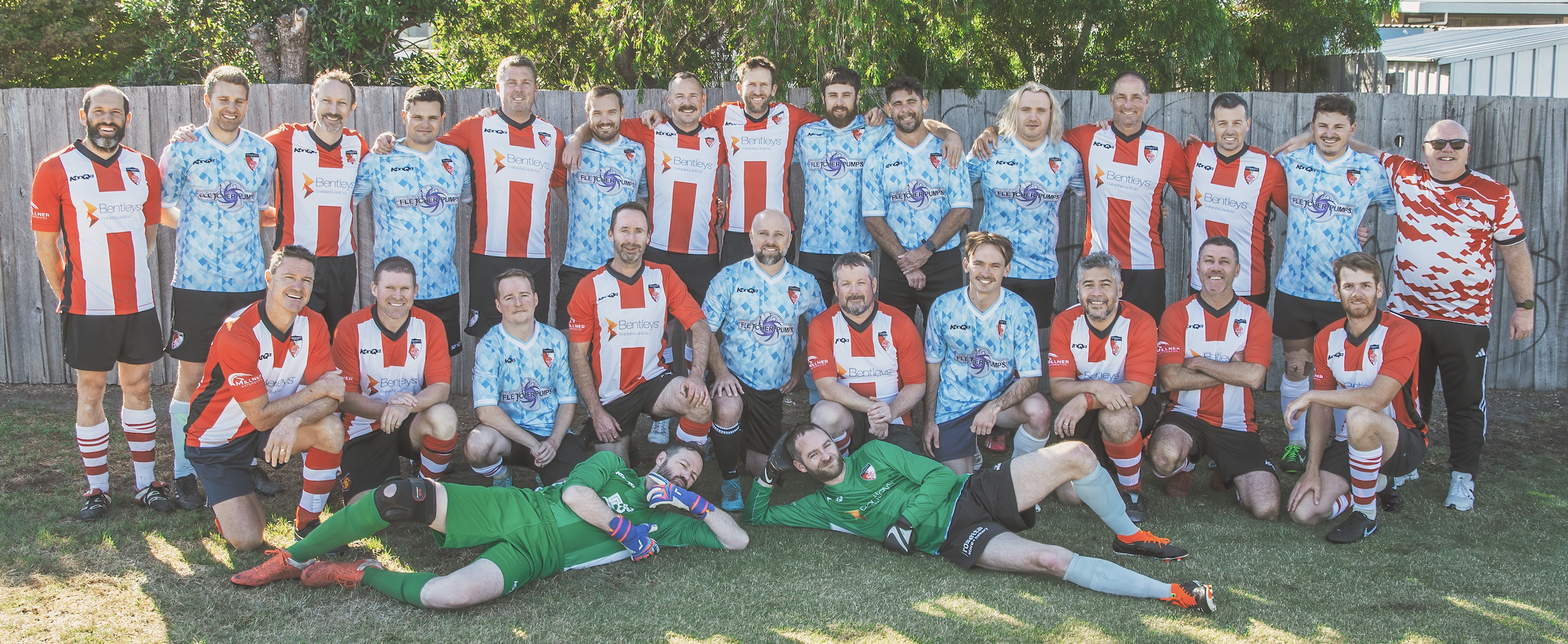
Photo credit: Nikki Long
From mates and beers to a football club
Barnstoneworth United began in Hobart around thirty years ago.
The driving force behind the club was the legendary Chris Hindmarch, known to most simply as Hiney.
Hindmarch had come to Tasmania from Wolverhampton and played for Caledonians for many years through the 1970s and 80s.
Eventually he and a group of football mates decided to start something of their own.
The founding group included Greg McGuire, George Kalis, Phil Boulter, Simon Hansen, Tim Morris and Brent Kenna.
Many of the original players had come through clubs such as Phoenix Rovers, Clarence United and Caledonians, bringing together a group of footballers who had been around Hobart football for years.
Wentworth Park quickly became the club’s spiritual home.
From the very beginning the idea was simple.
A group of good mates who wanted a kick and a few beers after the game.
That philosophy has never really changed.
Football without the win at all cost mentality
Barnstoneworth United does not pretend to be something it isn’t.
There is no win at all cost mentality.
The club’s ethos revolves around something much simpler.
Acceptance. Mateship. A love of football.
“We wish for all of our teams to be successful,” Chris explains.
“But football is just a game. It is never about the W and L count. Barney is about enjoying the game and developing treasured friendships and memories.”
Training, it should be said, is optional.
The club usually runs a pre season but once the season begins players largely keep themselves fit in their own way.
Part of the club’s philosophy is simple.
Stay in our lane.
Barnstoneworth has always preferred steady survival over grand ambition and over three decades it has quietly outlasted many bigger clubs that have come and gone.
A strange mix of quality and chaos
For a club built around mates and beers, Barnstoneworth has attracted some very serious footballers over the years.
Several players have NPL and Championship experience.
Chris casually mentions names that will be familiar to Tasmanian football followers.
Hugh Ludford.
Matty Lewis.
Chris Hunt.
Along with players from Clarence Zebras such as Sam Hills and Jeremy Price.
Others have arrived from interstate, overseas or simply through friendship connections.
Sometimes a player just turns up and asks if they can join.
They are always welcomed.
To maintain the balance between experienced players and those simply looking for a game, the club introduced a third team in recent years.
The introduction of a third team ensured players of all levels could still enjoy meaningful time on the pitch.
Success, songs and social football
Despite its relaxed approach, Barnstoneworth has enjoyed considerable success in the Social Leagues, particularly over the past six years.
But results have never been the real point.
Winning is nice of course.
Mostly because it means the players get to belt out the club song afterwards.
With enthusiasm.
The magic of the Cup
Entering the Lakoseljac Cup as a Social League club tends to provoke a particular reaction.
Somewhere between amusement and bewilderment.
But Barnstoneworth never entered the competition as a novelty.
Chris and the players have always taken it seriously.
They wanted to test themselves against the best teams in the state.
At first they knew the likely outcome.
One match. Perhaps a trip north. Maybe a clash with an NPL team.
But slowly something began to change.
With each appearance the team gained experience.
A game plan developed.
The squad found the right balance between youth and experience.
Belief began to grow.
Ironically it was a 3–0 loss to eventual cup winners South Hobart last year that convinced the players they were closer than many realised.
They had the right ingredients.
All they needed was the right night.
A night to remember
That night arrived on a Friday night in the Lakoseljac Cup.
From the opening whistle Barnstoneworth refused to be intimidated.
They pressed hard, chased every ball and gave their Championship opponent no time to settle.
Suddenly they were two goals ahead.
Even when Hobart fought back to level the game at 2–2 there was no panic.
The players simply kept attacking.
When Barnstoneworth scored again and then added a fourth, belief swept through the team.
This might actually happen.
The most remarkable detail?
The cup squad had not trained together once before the match.
Yet the players produced ninety minutes of disciplined, relentless football.
By the ninety fifth minute Chris admits he was screaming silently for the referee to blow the whistle.
When it finally came, the moment felt enormous.
One of the finest victories in the club’s history.
The characters of Barney
Like all good football clubs, Barnstoneworth runs on personalities.
On that Friday night skipper Matt Hope was the heartbeat of the team.
A passionate leader who wears his heart on his sleeve and inspires teammates to run through the proverbial brick wall.
He is also capable of delivering rousing team talks that combine tactics, humour and intensity.
Yianni Anagnostis brings a different kind of energy.
A confident player and a true larrikin whose positivity lifts the dressing room.
But Chris insists the strength of the club goes deeper than individuals.
Across all three squads the players genuinely enjoy each other’s company.
Everyone contributes.
Everyone belongs.
SchoBall
Chris describes his coaching role with typical understatement.
He does not try to teach experienced players how to “suck eggs”.
Instead he focuses on tactics.
Developing a game plan.
Selecting the players who might suit a particular opponent.
Sometimes trusting a gut feeling.
From the sideline he is vocal and relentlessly positive.
But like most grassroots football volunteers he also does everything else.
Kit man.
Ground set up.
The first person there putting up the nets so the players can simply arrive and play.
The team’s playing style has earned a nickname from some of the cheekier players.
“SchoBall.”
Possession based football, played to feet, with quick movement and an attacking mindset.
When you have players of quality, Chris says, you might as well let them play.
A Hobart football family
Barnstoneworth clubs now exist in Melbourne and Orange as well.
But the Hobart version remains proudly local.
Chris describes it as part of a small group of niche clubs within Tasmanian football.
Clubs that exist primarily for the community they represent.
Except in this case the community is a collection of mates and families that has grown over time.
Some of the younger players now pulling on the shirt are the sons of men who started the club.
Football, as it so often does, runs through generations.
The fly in the ointment
For Championship clubs the Lakoseljac Cup offers a chance to test themselves against NPL opposition.
For Barnstoneworth the motivation is slightly different.
They see themselves as the fly in the ointment.
A small social club running on the sniff of an oily rag and a collectively big heart.
But on the right day they believe they can light things up and compete with anyone.
That is the magic of the Cup.
The underdog always has a chance.
A future built on steady steps
Thirty years after it began, Barnstoneworth United is still growing.
The club now fields three teams.
Young players are emerging under the leadership of Matt Hope.
There are dreams of one day starting a women’s social team as well.
Growth, however, is always measured.
The club has never wanted to expand too quickly and lose the culture that makes it special.
Chris admits he sometimes imagines a Wrexham style story.
Although he doubts Ryan Reynolds will be investing in Barnstoneworth any time soon.
Still, he has his own dream.
If he ever wins Powerball, he has promised his wife he might indulge in a little twisted philanthropy.
Building Barnstoneworth its own ground and clubrooms.
Just part of the furniture
Chris Scholefield himself has become part of the club’s fabric.
He has played more than 400 games for Barnstoneworth.
Before that he began his football at South Hobart in 1986 before moving to University in 1990.
After several years overseas he returned to Tasmania and joined Barnstoneworth in 2000 alongside a group of former teammates.
Around 2006 the older generation of the club made a decision.
Chris, they concluded, would be the least likely person to say no to running the club.
He has been president ever since.
“Barney is part of my DNA,” he says.
“I couldn’t imagine life without this brilliant club and the people who make it what it is.”
Monty Python and the Life of Barnstoneworth
When asked what a Monty Python film about the club might be called, Chris does not hesitate.
“Monty Python and the Life of Barnstoneworth.”
Or perhaps.
“Barnstoneworth United and the Holy Goal.”
And if the story continues the way it has so far, a sequel might be inevitable.
“The Knights Who Say Knee Injury.”
Which, if you think about it, might be the most accurate football title of them all.