Who Really Owns a Football Club?
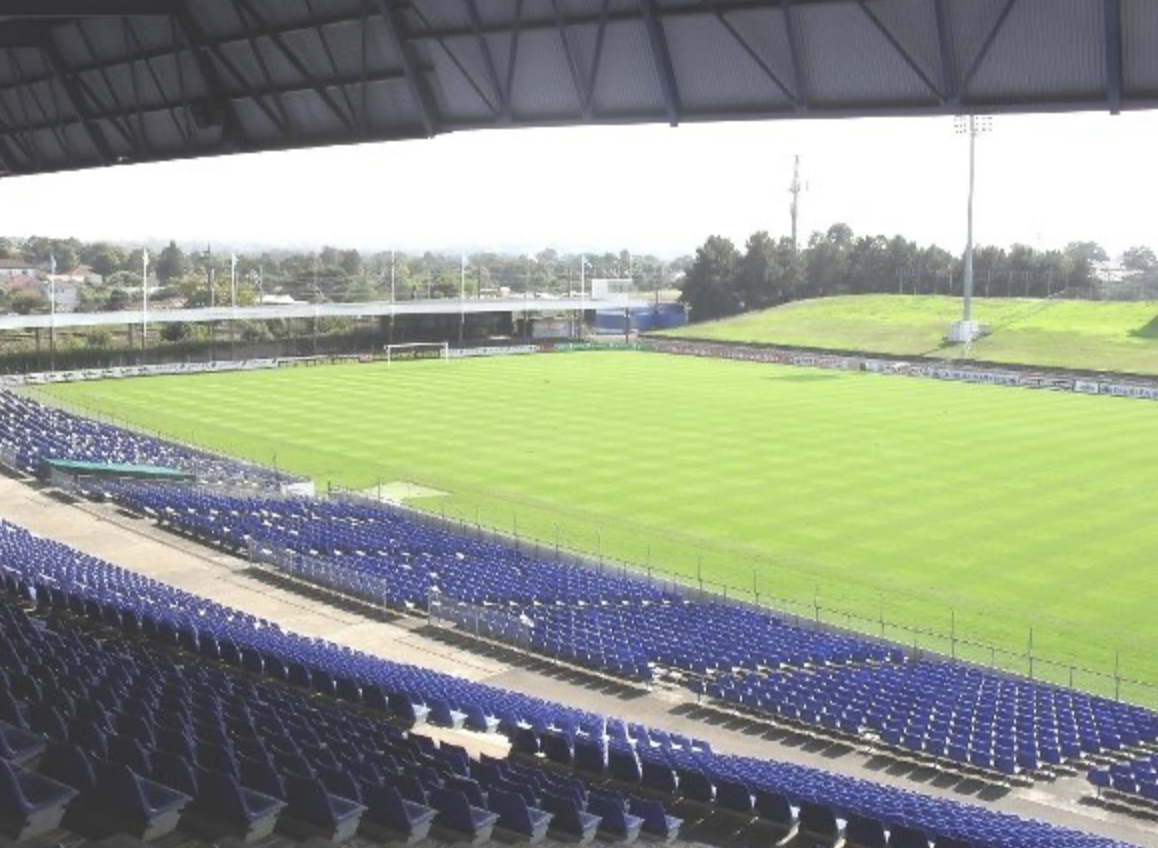
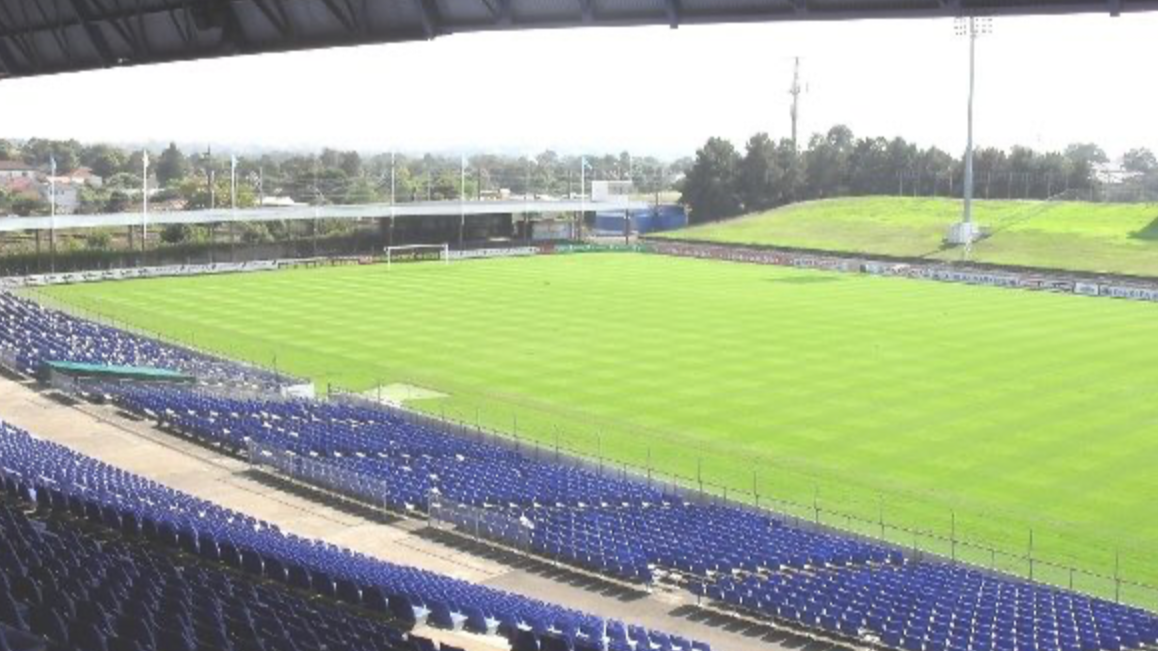
Belmore - Home of Sydney Olympic
There is a lot happening at Sydney Olympic right now.
If you’ve been watching from the outside, it might look messy. Social media posts, open letters, meetings, counter-meetings. Words like governance, transparency, control and sustainability being thrown around.
But underneath all of that is something much more important.
This is not just a Sydney Olympic story.
This is a football story.
And it is happening all over Australia.
The Sydney Olympic story, explained simply
Sydney Olympic is one of the most historic clubs in the country.
Built by community. Sustained by members. Carried through generations.
But in recent years, like many clubs, it has faced financial pressure and instability. That led to new funding coming into the club, new structures being introduced and a shift in how decisions are made.
At the centre of that period was a key figure who provided significant financial support, held leadership roles and helped stabilise the club.
Then, late last year, he stepped away.
And not quietly.
He moved into an attempted takeover of an A-League club, the Central Coast Mariners.
That matters, because it left a vacuum.
And in football, vacuums rarely stay empty for long.
The shift that is causing friction
The current board has been clear about its focus.
Stability. Governance. Sustainability. Youth development.
On paper, it all makes sense.
Clubs cannot survive without financial discipline. Governance matters. Development pathways matter.
But here is where the tension begins.
A shift toward youth is not just a football decision.
It is also a financial one.
Younger squads are cheaper. More controllable. More sustainable on a balance sheet.
That is the part that is rarely said out loud.
Because for members and supporters, it can feel like something else entirely.
It can feel like ambition being lowered. Identity being reshaped. A senior club becoming something closer to an academy.
In recent seasons, that shift has coincided with questions from members about the direction of the senior program and the role it now plays within the club.
And once that feeling takes hold, everything else starts to be questioned.
A layer beneath the surface
There is also another layer to this that has added to the unease.
Sydney Olympic’s involvement in the new Australian Championship has been described publicly as sitting within a separate structure, rather than entirely within the traditional member-based club.
For some, that may be a practical decision.
For others, it raises a more fundamental question.
If different parts of a club sit in different structures, with different levels of control, then what exactly is the club?
And who ultimately decides its direction?
You do not need to know every detail to understand why that matters.
Because once those questions are being asked, governance is no longer theoretical.
It becomes personal.
When governance becomes the story
At Sydney Olympic, governance is no longer happening quietly in the background.
It is front and centre.
Members are asking questions about:
who controls the club
how decisions are being made
what financial arrangements exist
whether the constitution has shifted power away from them
Meetings have been held. A steering committee has formed. There are calls for an Extraordinary General Meeting.
The board, for its part, is defending its position.
It says it is stabilising the club. Building for the future. Bringing professionalism to a complex environment.
And here is the uncomfortable truth.
Both sides believe they are protecting the club.
Only one of them will define what it becomes.
The meeting that matters
All of this is now heading toward one moment.
Sydney Olympic’s Annual General Meeting on 21 April.
That is where members will have their say.
Where questions will be asked directly.
Where governance, control and direction will no longer sit in statements or social media, but in a room.
These moments are rarely comfortable.
They are often messy.
But they are also where clubs show what they really are.
And this one will be watched closely.
The fault line
This is where it becomes bigger than Sydney Olympic.
Because the real question is not about one board or one group of members.
It is this:
Who does a football club belong to?
Is it:
the members who built it
the community that supports it
or the people who fund and stabilise it when things go wrong
In modern football, those answers do not always align.
And when they don’t, governance becomes the battleground.
The new reality for clubs
Across Australia, clubs are being pushed into a new space.
More compliance. More reporting. More financial scrutiny.
Higher expectations. Higher costs.
At the same time:
volunteer bases are shrinking
funding is harder to secure
and the gap between amateur structures and professional expectations is widening
So clubs adapt.
They tighten governance. Reduce board sizes. Bring in business thinking. Focus on sustainability.
All of which sounds sensible.
Until you ask a simple question.
Sustainable for who?
The moment everything changes
There is always a moment in these situations.
It is not a vote. Not a meeting. Not a press release.
It is a feeling.
It is the moment when members stop feeling like the club is theirs.
At Sydney Olympic, that moment appears to have arrived.
You can see it in the language:
“the club belongs to its members”
“this is not a dictatorship”
“call an EGM”
That is not noise.
That is a community pushing back.
What happens next
There are only a few ways this can go.
An EGM may be called. Directors may be challenged. Structures may be tested.
Or the current model may hold, and the club continues on its current path.
But regardless of outcome, something has already changed.
Governance is no longer invisible.
It is in the headlights.
And once it is visible, it is very hard to hide again.
Why this matters for all of us
It would be easy to dismiss this as a Sydney issue.
It isn’t.
This is what happens when:
community clubs face financial reality
private funding enters the system
governance structures evolve faster than culture
Sydney Olympic is just the example we can see.
There will be others.
There already are.
A final thought
Football clubs are not just organisations.
They are memory. Identity. Belonging.
You can stabilise a balance sheet.
You can restructure governance.
You can build a pathway.
But if people stop feeling like the club is theirs, something important has been lost.
And once that happens, it is very hard to get back.
When a Coach “Steps Down”

I want to start this post with something personal.
My blog is not about gossip or personal scandal.
That is also why I do not run open comment threads.
If readers wish to respond, they can contact me through my approved email channels.
Football conversations are best had thoughtfully, not in the noise of public speculation.
In our small football community many of us know what is happening long before anything appears publicly. We hear things on the sidelines, in group chats, or through the quiet conversations that travel through the game.
Recently I saw a statement on X that made me pause.
For a moment I wondered whether I should write about it at all.
Situations like this are part of football life, and in some ways they become part of our own journeys in the game as well.
But there are also real people involved.
People with families.
People with histories in football.
People many of us know.
So this is not a blog post about one situation or one individual.
Instead it is about something broader.
It is about governance in football clubs and the difficult decisions that presidents and boards sometimes have to make behind the scenes.
Decisions that add yet another layer to the already long list of responsibilities carried by volunteers.
And it is also a reminder that football, like life, is full of complicated human stories.
Some of them joyful.
Some of them deeply difficult.
Why clubs write statements this way
Every so often in football, a statement appears.
A coach “steps down”.
A staff member “moves on”.
A club announces a “mutual decision”.
The wording is always careful.
Often the statement never actually names the person involved.
Anyone who has been around the game long enough recognises the language.
Something has happened.
But the details remain private.
And sometimes that is exactly how it should be.
Football clubs, especially community clubs, operate in a complicated space.
They are volunteer organisations.
But they also carry real responsibilities to players, members and the wider community.
When something difficult happens behind the scenes, there are legal and personal considerations.
Employment law.
Privacy.
Sometimes ongoing processes that cannot be discussed publicly.
So the statement becomes cautious.
Carefully worded.
And deliberately brief.
The rumours that follow
The difficulty, of course, is that football communities are small.
People talk.
A message appears in a group chat.
Someone says they heard something from another club.
Another person claims they know what really happened.
Soon the story becomes bigger than the facts.
Sometimes the rumours are true.
Sometimes they are wildly wrong.
Either way, speculation rarely helps anyone.
Not the club.
Not the individuals involved.
And not the game.
The real lesson for clubs
When situations like this arise, the instinct is often to focus on the individual.
But the stronger question is usually about systems.
Community football runs on trust.
Volunteers step into roles because someone has to organise things.
People manage teams, coordinate fixtures, organise training and keep the club running simply because they care about the game.
Most club presidents and board members did not volunteer expecting to deal with complex personnel matters or crisis management.
They signed up to organise teams, support players and keep football running.
That trust is one of football’s greatest strengths.
But good governance means building structures that support that trust.
Not because we expect the worst from people.
But because clear systems protect everyone involved.
Simple structures that matter
Most grassroots clubs try to put basic governance structures in place.
Clear reporting to the board.
Shared responsibility for important decisions.
Transparent communication with members.
Regular oversight of how the club operates.
None of these things are about suspicion.
They are about responsibility.
They protect the club.
And they protect the volunteers who give their time to keep football running.
Remembering the human side
There is another reality too.
Football people are human.
Coaches, volunteers and officials carry pressures that are often invisible to those on the outside.
Family challenges.
Financial stress.
Mental health struggles.
Sometimes people make mistakes.
Sometimes life overwhelms people in ways others never see.
Life does not pause just because someone is involved in football.
When things go wrong in sport, it can be tempting to search for villains.
But real life is rarely that simple.
Football is built on trust
At its best, community football is one of the most trusting environments in sport.
Parents trust coaches with their children.
Players trust volunteers to organise their teams.
Clubs trust each other to uphold the spirit of the game.
That trust is the foundation of everything we build.
Which is why good governance, clear structures and strong club cultures matter so much.
Not because something has gone wrong.
But because they help ensure that, most of the time, things go right.
Because in the end, football is played on grass fields by ordinary people trying to do their best.
Eight Bloody One: The Monty Python Story Behind Barnstoneworth United
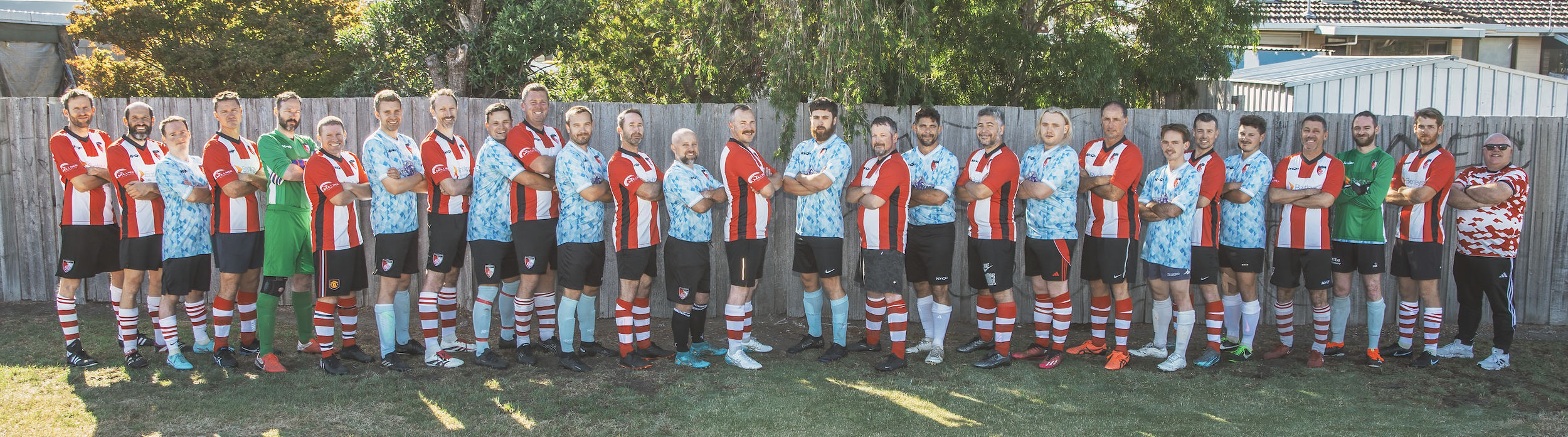
Photo credit: Nikki Long
A Hobart football club built on mateship, social football and the magic of the Lakoseljac Cup.
Some football clubs begin with big ambitions.
Others begin with a joke that refuses to disappear.
Barnstoneworth United belongs firmly in the second category.
In Hobart football circles the name alone often stops people in their tracks. Opponents regularly ask the same question.
Where on earth did that name come from?
The answer, like many good football stories, involves a group of mates, a British comedy sketch and a club that never took itself too seriously.
Thirty years later it is still going strong.
And on a Friday night in the Lakoseljac Cup the small social club from Wentworth Park produced one of the most memorable results in its history.
But to understand Barnstoneworth United, you have to start with Monty Python.
Golden Gordon and the birth of Barnstoneworth
The origins of Barnstoneworth United do not lie in Tasmania at all.
They begin with a British comedy series called Ripping Yarns, written by Michael Palin and Terry Jones of Monty Python fame, which ran from 1976 to 1979.
One episode, Golden Gordon, featured a fictional football club from Huddersfield in 1935.
Barnstoneworth United had once played in the top league but had fallen spectacularly, losing every game in the bottom division.
Their biggest supporter was Gordon Ottershaw, played by Michael Palin.
After every defeat he would return home furious and smash the furniture in frustration, much to the despair of his long suffering wife and son.
After one particularly brutal defeat Gordon delivers the unforgettable line.
“Eight bloody one! And even that were an own goal!”
Eventually the club is set to be sold off to a scrap dealer and the upcoming match against Denley Moor is meant to be the club’s final game.
In desperation Gordon tracks down the legendary players from the 1922 team.
As the match approaches kick off there are only four players available and just three pairs of shorts between them.
Then, in true football fairy tale fashion, the old legends arrive just in time and Barnstoneworth United turn back the clock and win.
The inspiration for the story came from Huddersfield Town’s decline in the 1970s when Ripping Yarns was being filmed.
For Chris Scholefield, one of Barnstoneworth Hobart’s long time custodians, the connection goes even further.
One of his prized possessions is an old Barnstoneworth playing shirt signed by Sir Michael Palin himself during a visit to Hobart.
Palin left a message that captures the spirit of the club perfectly.
“Remember the score, 8 bloody 1! It’s not the shorts that matter, it’s what’s in them that counts! All the best, Gordon Ottershaw.”
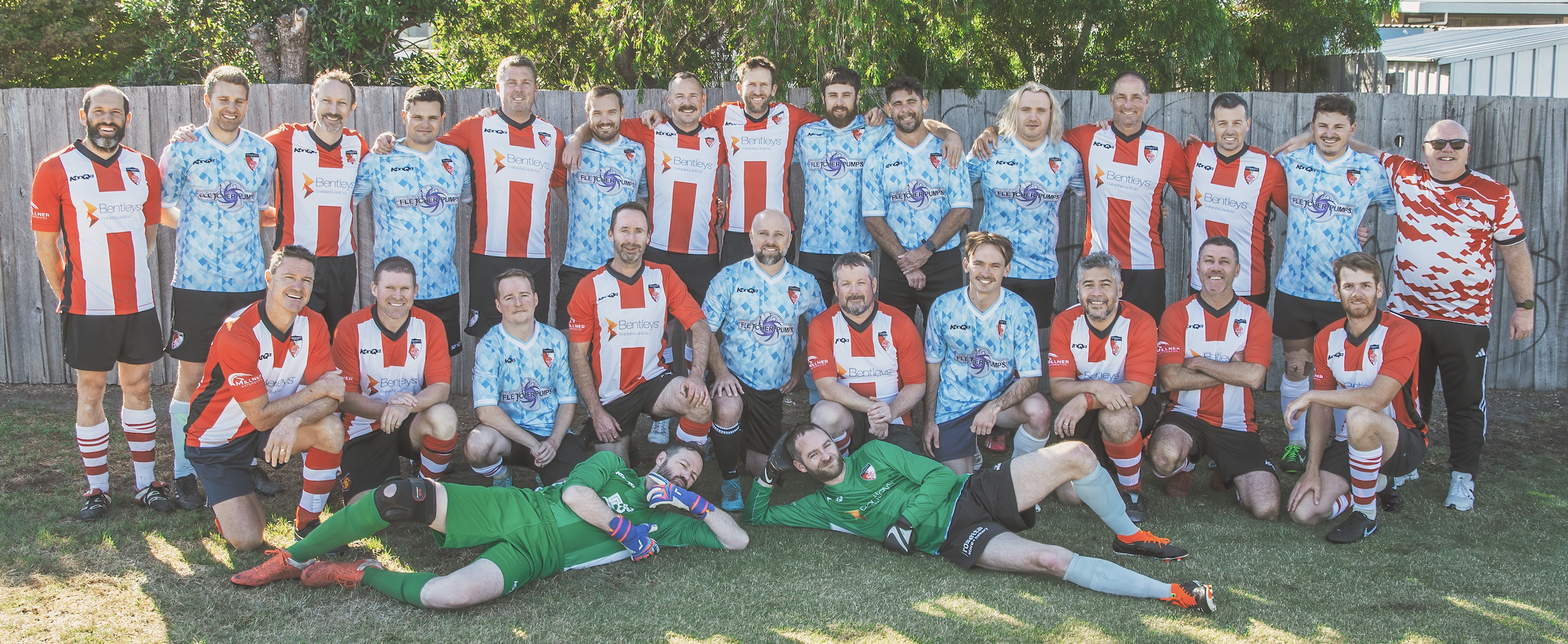
Photo credit: Nikki Long
From mates and beers to a football club
Barnstoneworth United began in Hobart around thirty years ago.
The driving force behind the club was the legendary Chris Hindmarch, known to most simply as Hiney.
Hindmarch had come to Tasmania from Wolverhampton and played for Caledonians for many years through the 1970s and 80s.
Eventually he and a group of football mates decided to start something of their own.
The founding group included Greg McGuire, George Kalis, Phil Boulter, Simon Hansen, Tim Morris and Brent Kenna.
Many of the original players had come through clubs such as Phoenix Rovers, Clarence United and Caledonians, bringing together a group of footballers who had been around Hobart football for years.
Wentworth Park quickly became the club’s spiritual home.
From the very beginning the idea was simple.
A group of good mates who wanted a kick and a few beers after the game.
That philosophy has never really changed.
Football without the win at all cost mentality
Barnstoneworth United does not pretend to be something it isn’t.
There is no win at all cost mentality.
The club’s ethos revolves around something much simpler.
Acceptance. Mateship. A love of football.
“We wish for all of our teams to be successful,” Chris explains.
“But football is just a game. It is never about the W and L count. Barney is about enjoying the game and developing treasured friendships and memories.”
Training, it should be said, is optional.
The club usually runs a pre season but once the season begins players largely keep themselves fit in their own way.
Part of the club’s philosophy is simple.
Stay in our lane.
Barnstoneworth has always preferred steady survival over grand ambition and over three decades it has quietly outlasted many bigger clubs that have come and gone.
A strange mix of quality and chaos
For a club built around mates and beers, Barnstoneworth has attracted some very serious footballers over the years.
Several players have NPL and Championship experience.
Chris casually mentions names that will be familiar to Tasmanian football followers.
Hugh Ludford.
Matty Lewis.
Chris Hunt.
Along with players from Clarence Zebras such as Sam Hills and Jeremy Price.
Others have arrived from interstate, overseas or simply through friendship connections.
Sometimes a player just turns up and asks if they can join.
They are always welcomed.
To maintain the balance between experienced players and those simply looking for a game, the club introduced a third team in recent years.
The introduction of a third team ensured players of all levels could still enjoy meaningful time on the pitch.
Success, songs and social football
Despite its relaxed approach, Barnstoneworth has enjoyed considerable success in the Social Leagues, particularly over the past six years.
But results have never been the real point.
Winning is nice of course.
Mostly because it means the players get to belt out the club song afterwards.
With enthusiasm.
The magic of the Cup
Entering the Lakoseljac Cup as a Social League club tends to provoke a particular reaction.
Somewhere between amusement and bewilderment.
But Barnstoneworth never entered the competition as a novelty.
Chris and the players have always taken it seriously.
They wanted to test themselves against the best teams in the state.
At first they knew the likely outcome.
One match. Perhaps a trip north. Maybe a clash with an NPL team.
But slowly something began to change.
With each appearance the team gained experience.
A game plan developed.
The squad found the right balance between youth and experience.
Belief began to grow.
Ironically it was a 3–0 loss to eventual cup winners South Hobart last year that convinced the players they were closer than many realised.
They had the right ingredients.
All they needed was the right night.
A night to remember
That night arrived on a Friday night in the Lakoseljac Cup.
From the opening whistle Barnstoneworth refused to be intimidated.
They pressed hard, chased every ball and gave their Championship opponent no time to settle.
Suddenly they were two goals ahead.
Even when Hobart fought back to level the game at 2–2 there was no panic.
The players simply kept attacking.
When Barnstoneworth scored again and then added a fourth, belief swept through the team.
This might actually happen.
The most remarkable detail?
The cup squad had not trained together once before the match.
Yet the players produced ninety minutes of disciplined, relentless football.
By the ninety fifth minute Chris admits he was screaming silently for the referee to blow the whistle.
When it finally came, the moment felt enormous.
One of the finest victories in the club’s history.
The characters of Barney
Like all good football clubs, Barnstoneworth runs on personalities.
On that Friday night skipper Matt Hope was the heartbeat of the team.
A passionate leader who wears his heart on his sleeve and inspires teammates to run through the proverbial brick wall.
He is also capable of delivering rousing team talks that combine tactics, humour and intensity.
Yianni Anagnostis brings a different kind of energy.
A confident player and a true larrikin whose positivity lifts the dressing room.
But Chris insists the strength of the club goes deeper than individuals.
Across all three squads the players genuinely enjoy each other’s company.
Everyone contributes.
Everyone belongs.
SchoBall
Chris describes his coaching role with typical understatement.
He does not try to teach experienced players how to “suck eggs”.
Instead he focuses on tactics.
Developing a game plan.
Selecting the players who might suit a particular opponent.
Sometimes trusting a gut feeling.
From the sideline he is vocal and relentlessly positive.
But like most grassroots football volunteers he also does everything else.
Kit man.
Ground set up.
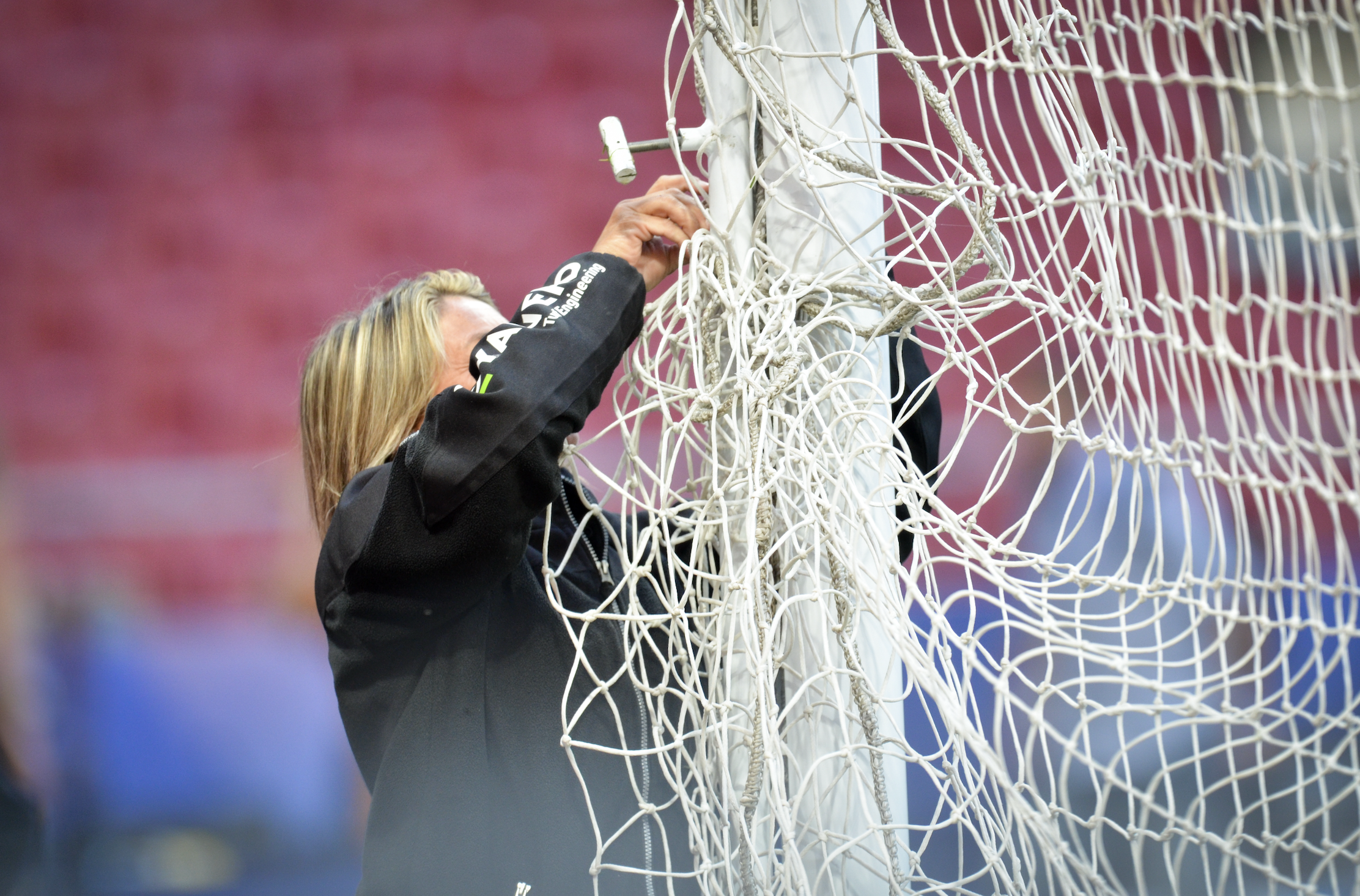
The first person there putting up the nets so the players can simply arrive and play.
The team’s playing style has earned a nickname from some of the cheekier players.
“SchoBall.”
Possession based football, played to feet, with quick movement and an attacking mindset.
When you have players of quality, Chris says, you might as well let them play.
A Hobart football family
Barnstoneworth clubs now exist in Melbourne and Orange as well.
But the Hobart version remains proudly local.
Chris describes it as part of a small group of niche clubs within Tasmanian football.
Clubs that exist primarily for the community they represent.
Except in this case the community is a collection of mates and families that has grown over time.
Some of the younger players now pulling on the shirt are the sons of men who started the club.
Football, as it so often does, runs through generations.
The fly in the ointment
For Championship clubs the Lakoseljac Cup offers a chance to test themselves against NPL opposition.
For Barnstoneworth the motivation is slightly different.
They see themselves as the fly in the ointment.
A small social club running on the sniff of an oily rag and a collectively big heart.
But on the right day they believe they can light things up and compete with anyone.
That is the magic of the Cup.
The underdog always has a chance.
A future built on steady steps
Thirty years after it began, Barnstoneworth United is still growing.
The club now fields three teams.
Young players are emerging under the leadership of Matt Hope.
There are dreams of one day starting a women’s social team as well.
Growth, however, is always measured.
The club has never wanted to expand too quickly and lose the culture that makes it special.
Chris admits he sometimes imagines a Wrexham style story.
Although he doubts Ryan Reynolds will be investing in Barnstoneworth any time soon.
Still, he has his own dream.
If he ever wins Powerball, he has promised his wife he might indulge in a little twisted philanthropy.
Building Barnstoneworth its own ground and clubrooms.
Just part of the furniture
Chris Scholefield himself has become part of the club’s fabric.
He has played more than 400 games for Barnstoneworth.
Before that he began his football at South Hobart in 1986 before moving to University in 1990.
After several years overseas he returned to Tasmania and joined Barnstoneworth in 2000 alongside a group of former teammates.
Around 2006 the older generation of the club made a decision.
Chris, they concluded, would be the least likely person to say no to running the club.
He has been president ever since.
“Barney is part of my DNA,” he says.
“I couldn’t imagine life without this brilliant club and the people who make it what it is.”
Monty Python and the Life of Barnstoneworth
When asked what a Monty Python film about the club might be called, Chris does not hesitate.
“Monty Python and the Life of Barnstoneworth.”
Or perhaps.
“Barnstoneworth United and the Holy Goal.”
And if the story continues the way it has so far, a sequel might be inevitable.
“The Knights Who Say Knee Injury.”
Which, if you think about it, might be the most accurate football title of them all.

When Football Meets Politics: The Unexpected Stories of the Women’s Asian Cup

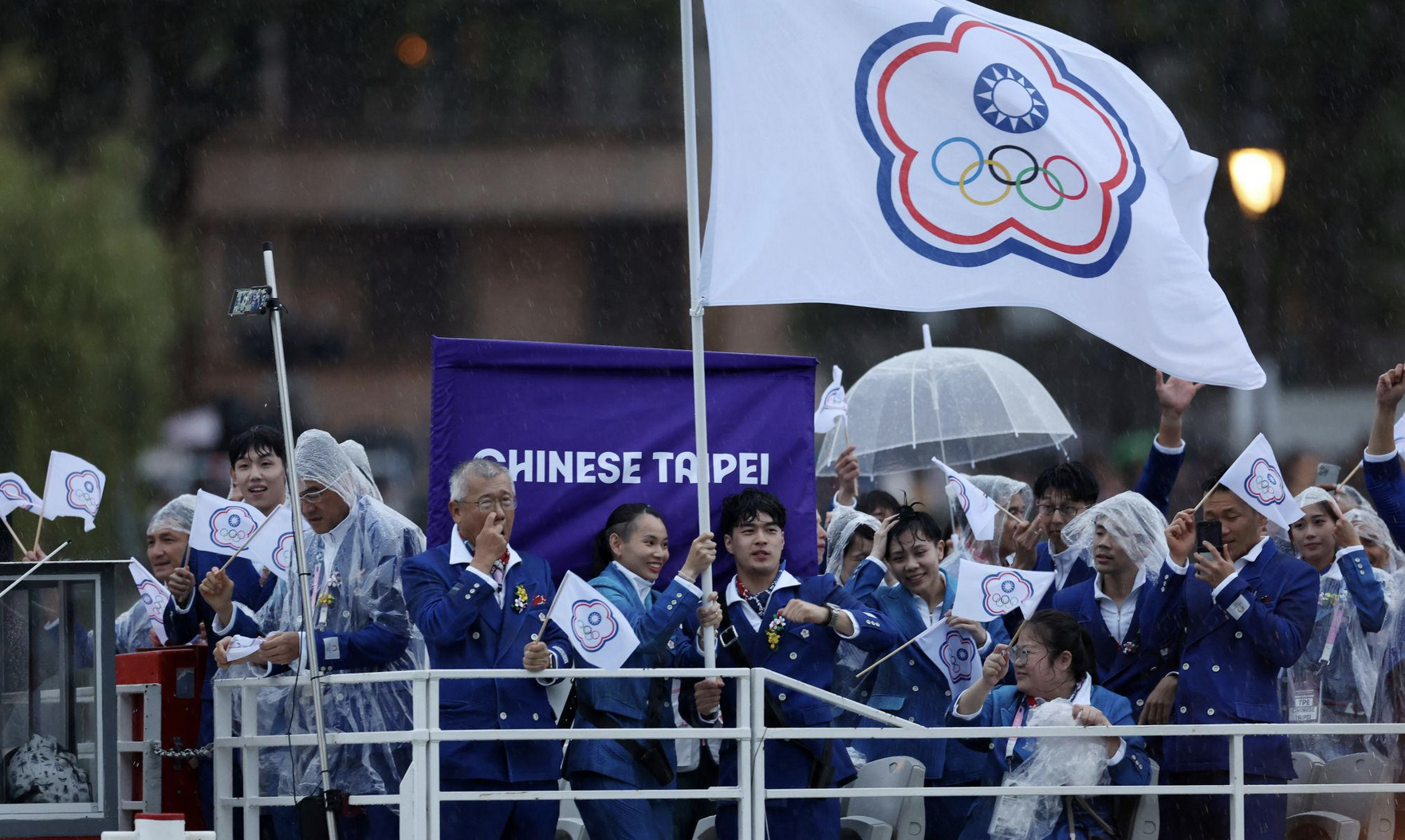
Two flags, one identity. Taiwan’s national flag (top) and the Chinese Taipei flag used in international sport (bottom). The difference reflects the political compromise that allows Taiwanese athletes to compete internationally.
International football tournaments are meant to be celebrations.
Flags.
Anthems.
Crowds cheering for their teams.
On the morning after the Australia women's national soccer team defeated the North Korea women's national football team in their quarter-final at the AFC Women’s Asian Cup in Perth, I was doing what many football people do.
Scanning the football headlines with a morning coffee.
Goals from Alanna Kennedy and Sam Kerr had secured the result and the Matildas were moving on to the semi-finals.
But it wasn’t the match report that caught my eye.
It was a very different headline about a former Taiwan national team coach being removed from a stadium for leading a chant.
And suddenly a football tournament became something much bigger than football.
Who would have thought that a women’s tournament could produce so many political twists and turns?
A chant about Taiwan.
Players refusing to sing their national anthem.
Reports of athletes fearing what might happen when they return home.
And in the most serious cases, players seeking and being granted asylum.
Several moments during the tournament have quietly revealed the tensions that sit just beneath the surface of international sport.
Not because the players wanted politics to dominate the competition.
But because for many athletes, politics is already part of their lives.
Taiwan and the chant that became political
One of the most widely discussed moments occurred when a former coach associated with the Chinese Taipei women's national football team was removed from a stadium after leading fans in a chant.
The chant was simple.
“Go Taiwan.”
In most sporting contexts that would be completely normal.
But in international sport Taiwan does not compete as Taiwan. It competes under the name Chinese Taipei, a compromise that dates back to the late 1970s when sporting bodies tried to avoid diplomatic conflict with the People's Republic of China.
The arrangement reflects the long-standing dispute between China and Taiwan over sovereignty, which has shaped how Taiwan participates in many international organisations.
Because of that agreement, the chant was considered political.
Stadium officials intervened and the coach was escorted from the venue.
For Taiwanese supporters the incident highlighted the strange reality their athletes live with. They represent a place that the world of sport does not allow them to call by its name.
Iranian players refusing the national anthem
Another moment came when members of the Iran women's national football team declined to sing their national anthem before matches.
In international football the anthem is usually a powerful and emotional ritual. Players stand shoulder to shoulder representing their country.
When athletes choose not to sing, it sends a message.
The action was widely interpreted as a quiet protest linked to the political situation and human rights concerns inside Iran.
It was a small moment in a football match, but one that carried significant meaning.
Fears about what happens when players return home
The situation became more serious when criticism of the Iranian players began to appear in media aligned with the Iranian government.
Reports suggested the players could face consequences once they returned home.
That prompted concerns from player unions and human-rights organisations about their safety.
For most teams a tournament ends with players returning to their clubs and families.
For some athletes in international football, it is not always that simple.
Asylum and the realities facing some players
By the end of the tournament, this story had moved beyond speculation.
Several members of the Iranian squad sought asylum while in Australia, and a number were granted temporary humanitarian visas allowing them to remain.
That turns this from a football story into something far more serious.
For some athletes, travelling to an international tournament is not simply about representing their country. It can become a moment of decision about personal safety, freedom and whether going home is even possible.
Football, in those circumstances, becomes something much bigger than a game.
The myth of apolitical sport
Taken together, these moments raise a bigger question about international sport.
Sporting organisations often repeat the same idea.
Sport should remain separate from politics.
In theory that sounds sensible.
But international sport is built on national identity. Flags are raised. Anthems are played. Teams represent countries and cultures.
Politics is already present in that structure.
Most of the time we simply do not notice it.
But when issues of identity, sovereignty or human rights enter the picture, the idea of completely neutral sport becomes very difficult to sustain.
Why these moments matter
None of these incidents were created by football.
They are reflections of the world beyond the pitch.
A chant about Taiwan.
Players standing silently during an anthem.
Athletes uncertain about what awaits them at home.
These moments remind us that football is played by real people living in real societies.
The game may offer joy, escape and connection.
But it does not exist in isolation.
Sometimes a football tournament simply crowns a champion.
And sometimes it quietly reveals the political realities that athletes carry with them onto the pitch.
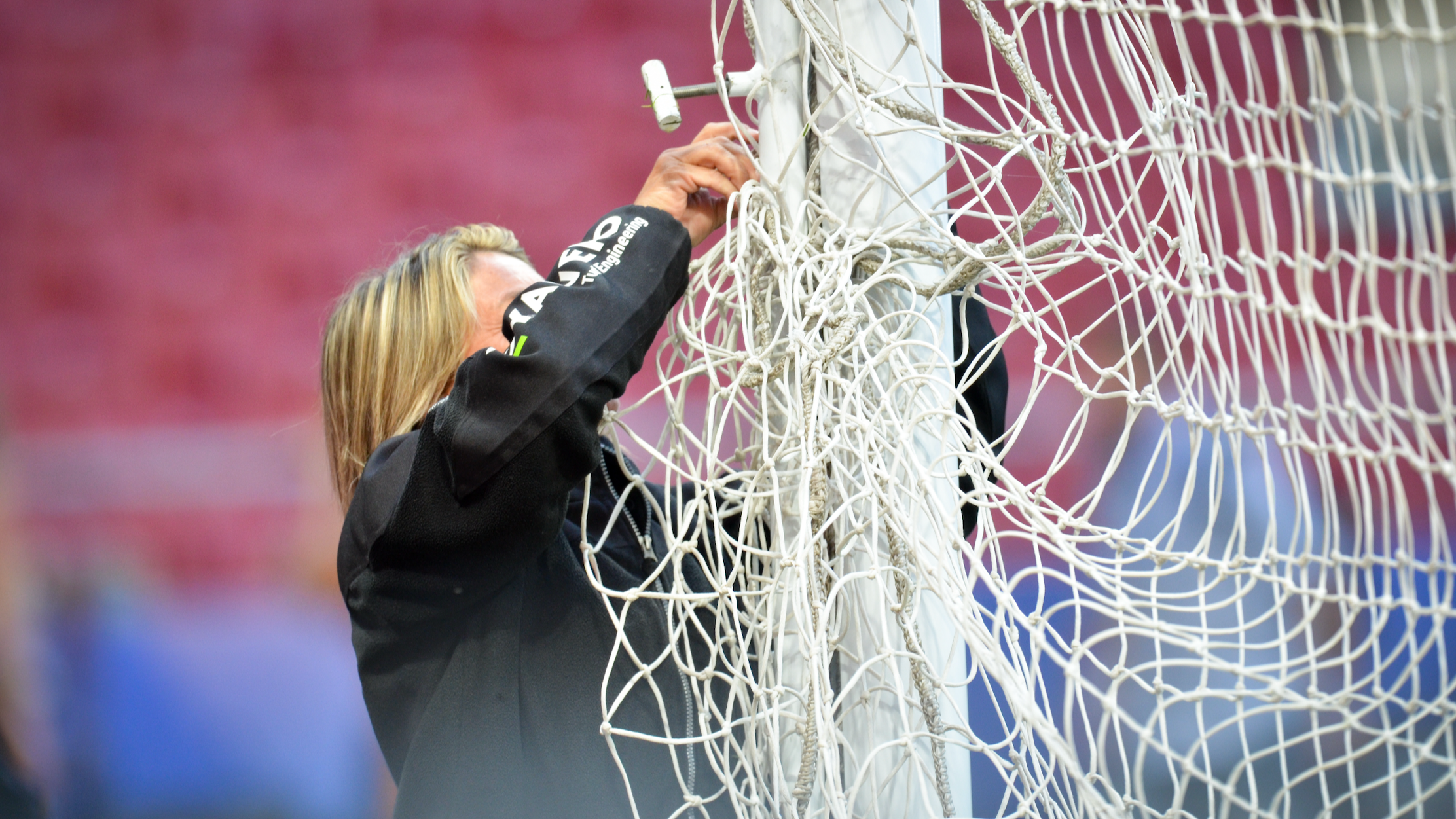
The Hell of Pre-Season if Over - Thank you to the people who make football happen.
Across Tasmania this week something familiar is happening again.
Pre-season is finally over.
Boots are cleaned and ready for match day one.
Team chats have been buzzing for a while now. Coaches, parents and managers already deep in the rhythm of another season.
Because now the season really begins.
The glamour and spruiking of the NPL has already happened. The top men’s competition kicked off last weekend.
Now it is the turn of the rest of the game.
WSL. Championship. Championship Reserves.
Under 18 boys and girls.
Some youth competitions.
The part of football where most of the game actually lives.
And seasons do not begin by themselves.
They begin because people make them begin.
The quiet work before the first whistle
So when I sat down to write this blog post, I started thinking about all the things football clubs have to do before they even kick a ball.
Seriously, if we didn’t love the game, we simply wouldn’t do it.
The list kept getting longer and longer.
And I am absolutely certain I’ve missed plenty of things that clubs do every single week.
When you stop and think about it, the effort across the state is quite unbelievable.
Long before the first match kicks off, hundreds of people have already been working quietly behind the scenes.
Chasing parents to register their children.
The registrar emailing the Academy Director or coach.
“These ones are registered. These ones aren’t.”
Aarrgh… still not enough to field a team.
Nag, nag… please register.
Dealing with late registrations and constant team reshuffles.
Grading discussions and explaining decisions to parents.
Moving players between teams so everyone gets a game.
Mapping players into teams in Dribl.
Seeking clearances from Emma at Football Tasmania.
Checking with council about ground bookings.
Making sure all officials are entered correctly into Dribl.
Recruiting coaches and team managers for every team.
Organising canteen rosters.
Finding match-day volunteers.
Working out who is doing the BBQ.
Reaching out to local businesses for sponsorship.
And thanking those who support community football year after year.
Posting fixtures and team news on social media.
Even asking opposition coaches for quotes ahead of the weekend.
Answering parent emails.
Calming concerns about playing time.
Explaining grading decisions.
Sharing fixtures and ground changes.
Ordering balls, bibs and cones.
Checking the lights work for training.
Fixing broken nets or posts.
Numbering and printing new kits.
Supplying canteens. Organising gate keepers.
Reminding people about behaviour and expectations and the very real fines that come when people decide to be stupid or disrespectful.
Working With Vulnerable People checks.
Child safety policies.
First aid kits and incident reports.
Risk assessments for grounds.
Are there enough socks?
Jerseys that fit the new kid who is bigger than the rest of his team, or tinier than the rest of hers.
Is there a hole in the net that won’t pass the referee check?
Filling gaps in teams because someone is suddenly sick.
Checking referee appointments and warning team managers that someone may need to run the line.
Unlocking the ground.
Corner flags out.
Benches for the subs.
Match balls cleaned and ready.
Match manager organised.
Telling the kids to turn their jerseys and shorts the right way after the game to help the person who must wash the kits.
Reminding teams not to do repetitive warm-ups on the pitch because the fields are fragile and we have to look after them.
And in my case, charging camera batteries, making sure I have the keys to unlock the grounds and hoping someone will help push the goals out.
Thank goodness for 360-degree wheels.
And on and on it goes.
Most people never see any of this.
But anyone who has ever helped run a football club knows the truth.
It takes an enormous amount of effort just to get to the starting line.
The structures behind the game
There are also people working within the broader structures of football who help the season begin.
Within Football Tasmania, staff spend months preparing fixtures, managing registrations and organising referee appointments across competitions.
The referees themselves also deserve a mention. Pulling their boots on again for another season, often with little thanks but enormous responsibility.
And of course the people who prepare the grounds. The quiet work of mowing, lining, repairing and maintaining fields so that thousands of players can safely take the field each week.
Often working closely with local councils who help make sure the facilities are ready for the season ahead.
There are also the people who tell the story of the game. The volunteers, photographers and writers who report on matches, share results and celebrate the moments that make community football special.
When the season begins smoothly, it is rarely noticed.
But that preparation is part of what allows the game to function week after week.
And then, finally, the whistle blows and the ball moves again.
A moment to say thank you
So before the first results start appearing, it feels important to pause.
Because all of that work you did got us here.
Unlocking the grounds.
Setting up the fields.
Chasing registrations.
Sorting teams.
Organising referees.
Preparing competitions.
You did this.
You amazing people who care about football and love the game.
So congratulate yourself.
The hell of pre-season is over.
And now, finally, the ball starts rolling again.
Thousands of players across Tasmania will run onto fields this weekend ready to play.
Because you made it happen.
Thank you. ⚽
When Losing Doesn’t Matter - Tottenham and the modern football paradox
Ken and I watch the Premier League avidly.
Like a lot of football people in Australia, it means late nights, early mornings and a lot of coffee.
Recently we found ourselves having one of those conversations that football supporters have when things start to look strange.
Could Tottenham Hotspur actually go down?
Not just struggle. Not just have a bad season.
Actually be relegated.
At first it felt ridiculous even to say it out loud. Tottenham are one of the biggest clubs in England. A huge stadium. Global supporters. International players.
Relegation feels like something that happens to other clubs.
But the longer we talked about it, the more the conversation shifted.
Not to whether it would happen.
But whether, in modern football, it would actually matter.
Before getting to that question, it helps to remember where Tottenham sit in the long story of English football.
The origin of the name
Tottenham’s nickname actually comes from a medieval English knight.
The “Hotspur” in Tottenham Hotspur comes from Henry Percy, a fiery 14th-century warrior famous for charging headlong into battle.
It was a fitting inspiration for a football club.
Bold. Fearless. Attacking.
For decades Tottenham supporters liked to believe those qualities lived in the way their team played.
A club with deep roots
Tottenham were founded in 1882 by a group of schoolboys in North London.
Over time they became one of England’s most recognisable football clubs.
They were innovators in many ways. Tottenham were the first club in the 20th century to win the English league and FA Cup double in 1961.
They became known for attacking football and flair.
Players such as Jimmy Greaves and Glenn Hoddle were part of that identity.
Tottenham were also the first British club to win a European trophy when they lifted the Cup Winners’ Cup in 1963.
For decades they were not always dominant, but they were always significant.
Tottenham mattered in English football.
Even Tottenham are not immune to football’s cycles. The club was relegated in 1977 before bouncing straight back the following season. Big clubs can fall. Football history reminds us of that.
The modern transformation
Fast forward to the present and Tottenham have something else.
One of the most extraordinary stadiums in the world.
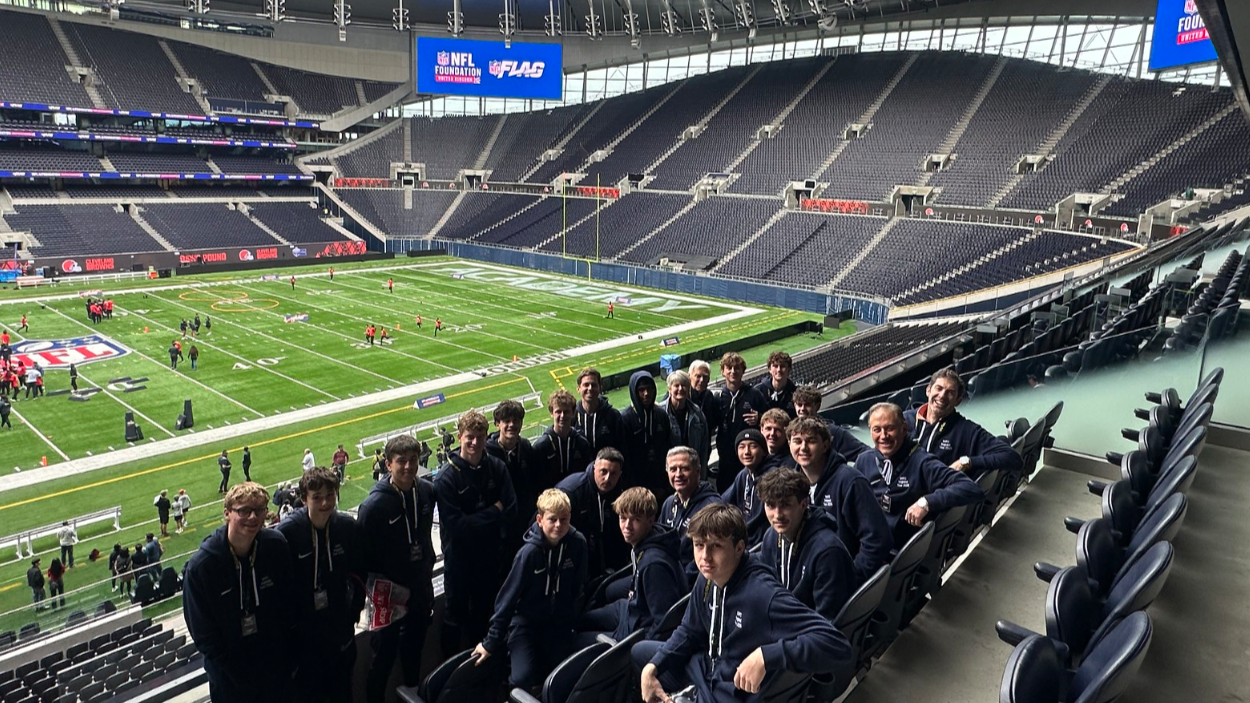
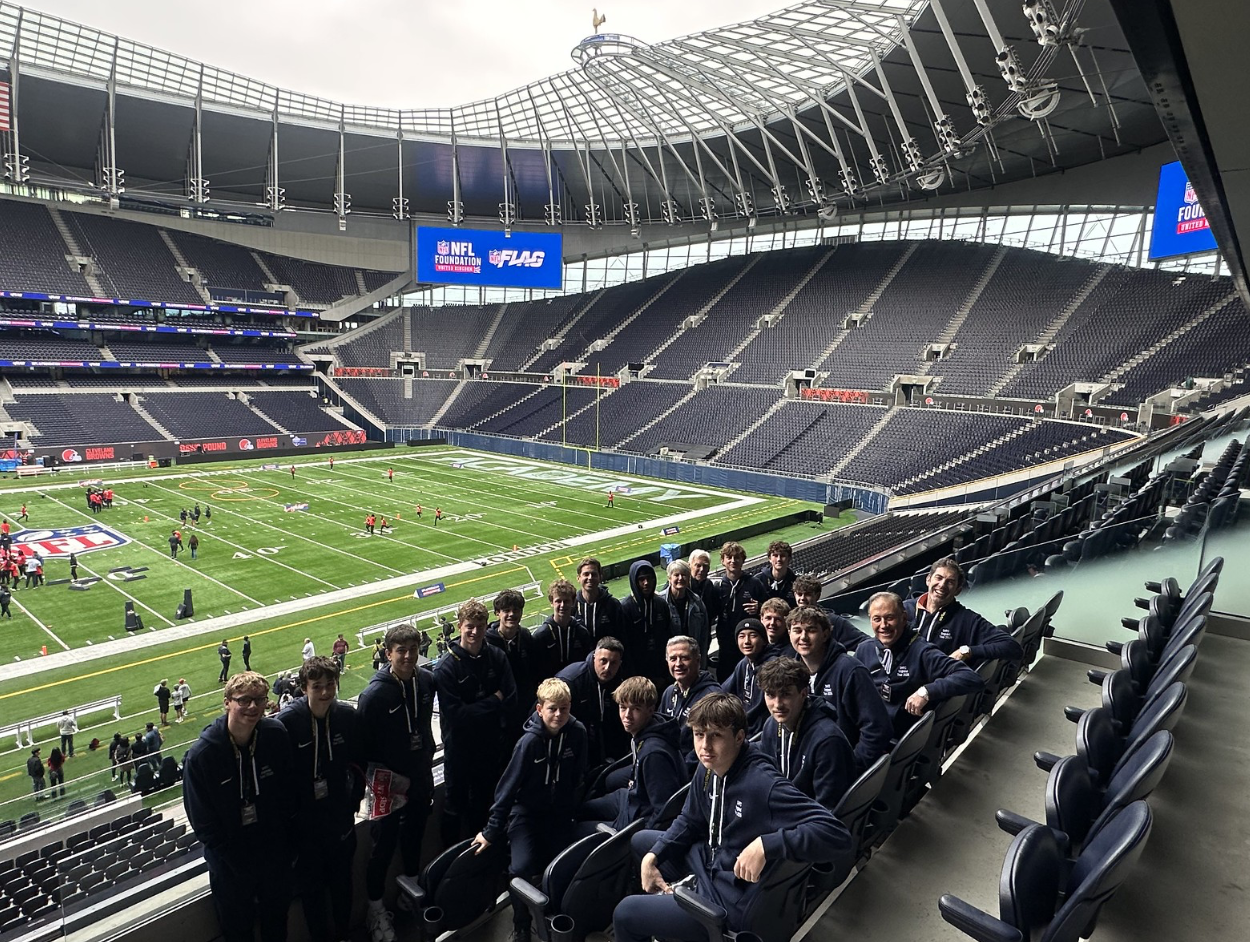
Ken and I were actually at the Tottenham Hotspur Stadium last October.
We were there with 45 other very excited Tasmanians, part of a football trip to England.
Standing inside that stadium with our group of players and families was one of those moments where football feels wonderfully global. A group from a small island at the bottom of the world standing inside one of the biggest stadiums in the game.
Sadly it was NFL fortnight so we couldn’t see a football match.
The guide spoke about the extraordinary revenue those NFL weeks generate. It was a reminder that the stadium is now much more than a football ground.
It is a global entertainment venue.
But it also made me think about the old White Hart Lane.
White Hart Lane felt like a proper football ground.
Tight. Close to the pitch. Built for football and nothing else.
The new stadium is magnificent, but it also tells the story of modern football.
The game is now surrounded by a much bigger entertainment business.
When losing doesn’t immediately hurt
In traditional football culture losing had consequences.
Lose too often and you were relegated.
Relegation meant financial loss, reputational damage and a long road back.
It forced clubs to confront mistakes.
But the modern football economy has softened that reality for some clubs.
Clubs at the top of the Premier League generate extraordinary revenue through broadcasting, sponsorship and global audiences.
For them, a bad season does not necessarily create an immediate crisis.
The business continues.
The stadium remains full.
The sponsorship deals continue.
Commercial growth can continue even while the football stagnates.
Modern football has created a strange possibility.
A club can be thriving as a business while quietly drifting as a football team.
Tottenham as a case study
Tottenham have not lacked ambition.
Managers such as José Mourinho, Antonio Conte and now Ange Postecoglou have all been brought in to try to push the club forward.
Each arrived with different ideas.
Each departure created another reset.
The current moment is particularly interesting for Australian supporters with Ange Postecoglou in charge. His attacking philosophy actually fits Tottenham’s historical identity, yet modern football rarely allows managers the time needed to build something properly.
At times the football has looked promising. At other times the direction has felt uncertain.
That is what prompted Ken and I to have that conversation in the first place.
One moment recently really struck me.
In a match earlier this season the Tottenham manager Igor Tudor substituted a young goalkeeper, Antonín Kinský, after only a short time on the field following several early goals.
Watching it unfold I felt genuinely dreadful for the young man.
Perhaps that reaction comes from being a mother. Perhaps it comes from spending so many years around youth football.
Anyone who has watched young players develop knows how fragile confidence can be, particularly for goalkeepers. They carry the responsibility for every mistake in a way few other positions do.
Seeing a young player exposed like that on such a big stage was hard to watch.
Football can be brutally unforgiving at the highest level.
And in some ways that moment also said something about where Tottenham find themselves right now.
A club searching for answers, reacting in the moment, trying to stop problems rather than calmly building solutions.
Could Tottenham really go down?
It still feels unlikely.
But the fact the question can even be asked says something about the current moment in football.
Why relegation used to matter so much
Promotion and relegation are the brutal accountability system built into football.
It is one of the reasons the game feels so alive.
Performance matters.
Mistakes eventually catch up with you.
No amount of branding or marketing can change the league table.
Historically that is what kept clubs grounded.
No matter how big the name, poor football eventually had consequences.
Even relegation today is cushioned. Clubs dropping out of the Premier League receive significant parachute payments which soften the financial blow that once devastated clubs.
In modern football some clubs have become so commercially powerful that even failure on the pitch does not immediately threaten them.
The modern question
Which brings us back to that conversation.
If a club as large as Tottenham struggled badly enough to go down, what would actually happen?
The financial damage would be real.
But the club itself would probably survive.
The stadium would still stand.
The global supporters would still exist.
The brand would still have value.
The spreadsheets might say the club is thriving.
But football supporters do not measure success on spreadsheets.
They care about identity.
They care about progress.
They care about what happens on the pitch.
And that is why even the possibility of relegation for a club like Tottenham still feels shocking.
Because deep down, football supporters still believe something simple.
Losing should matter.
Even if modern football sometimes tries to pretend it doesn’t.

Gediminas “Gedi” Krusa – From Lithuania to Launceston
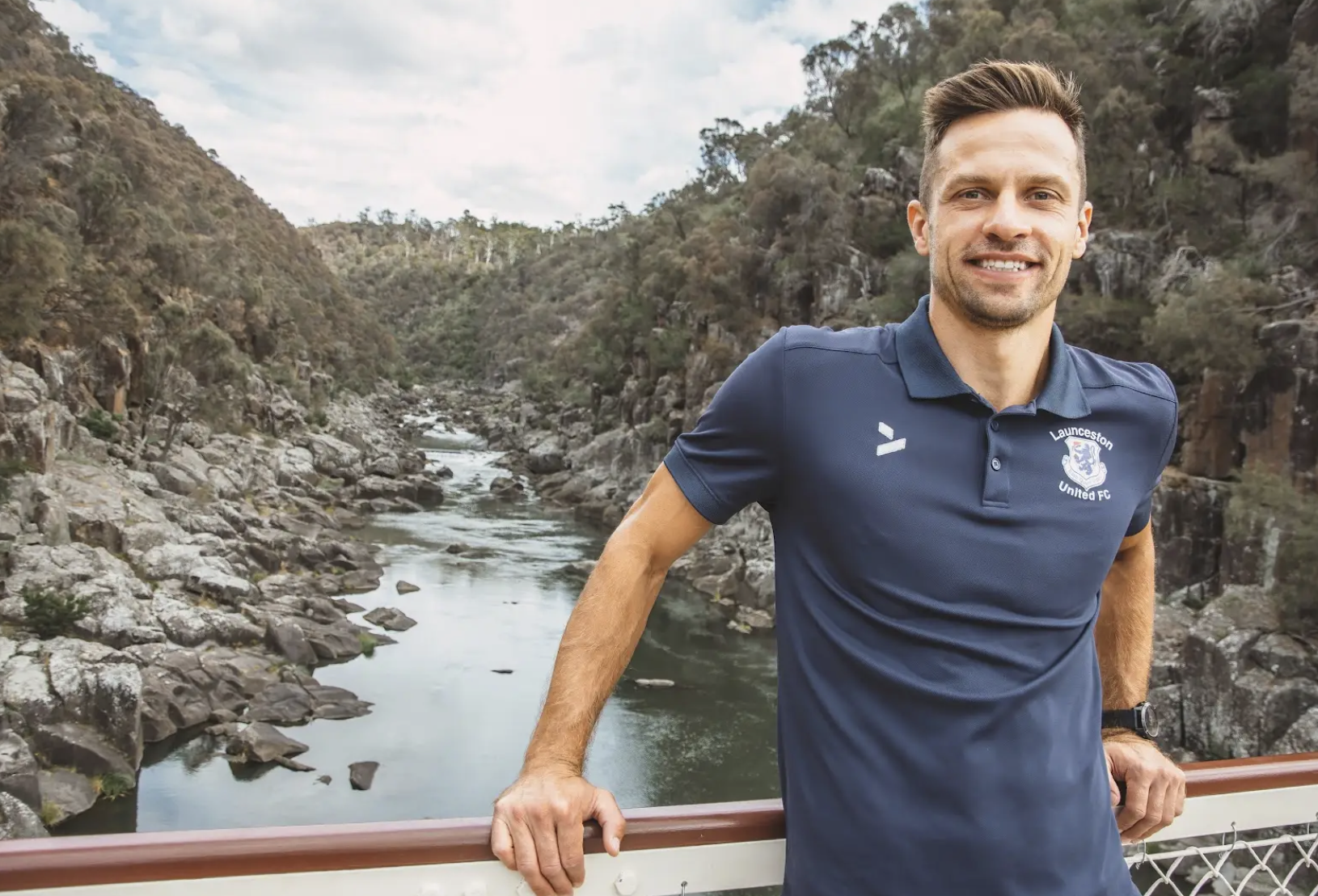
Gedi photographed by Nikki Long
Tasmanian football has a habit of collecting stories from around the world.
Gediminas “Gedi” Krusa arrived from Lithuania eight years ago expecting a short adventure. Instead he found a home, a family and a place in the game in northern Tasmania.
After playing across several clubs in the state, Krusa now leads Launceston United in the NPL while still balancing life as both a player and a coach.
His journey has taken him from European professional football to Tasmania’s north, where his first training sessions were at Valley Road in Devonport, and now into coaching in Launceston.
A childhood built around football
Like many footballers, his relationship with the game started early.
“I started playing in kindergarten when I was four years old and since then the only sport I trained for was football,” he says.
“My mum tried to push me into dancing once when I was in Grade 1 at school. I remember there were tears involved because the only thing I wanted to do was play football.”
That early obsession eventually became a professional career in Europe before a twist of circumstance brought him to Tasmania.
An unexpected journey to Tasmania
“There was a moment in my professional career when I was around 26 or 27 when I was coming back from a bad injury and looking at my options. I realised that at that age my career probably wouldn’t go any further up, so I started thinking about what I would like to do after football.”
He enrolled at university while still playing and began planning for life beyond the pitch. Then an unexpected conversation changed the direction of his life.
“One of my best friends who was also a player mentioned that he was thinking about going to Australia to see the other side of the world and still play football.”
“The funny thing is he never ended up coming. But a couple of months later I was already training at Valley Road, Devonport.”
Eight years later Tasmania is firmly home.
“I can call Tasmania my home away from home and I am very grateful to have two beautiful daughters and my partner here with me.”
Adapting to Tasmanian football
Krusa has since played for several clubs in the north of the state, experiences he says shaped both his understanding of the game and how football operates in a community setting.
“In total I played for four Tasmanian clubs, three of them in Launceston,” he explains.
“That experience helped me adapt to a very different playing style. Football here is much more direct and transitional, with less emphasis on tactics compared to Europe.”
But the biggest adjustment was cultural rather than tactical.
“From a coach’s point of view it gave me a very good understanding of how clubs operate at this level. When you are working in a community club you need to manage players and people very differently than you would in a professional setup.”
From player to coach
The move from player to coach came gradually rather than through a single decision.
“I think it happened naturally. When you reach a certain age in your career you start to see the game differently and realise you have knowledge to give.”
Krusa admits the transition has brought its own challenges, particularly as he continues to play while coaching.
“During games my brain sometimes operates too much like a coach, thinking about positions and structure, instead of focusing purely on my role as a player.”
He also spends much of his time working with younger players through academy coaching.
“Planning sessions and coaching youth players and senior players on the same day is very different.”
Life away from football
Away from football, life is centred firmly around family.
“Probably half of my time is taken by my two beautiful daughters. They definitely keep me on my toes.”
Living in Launceston means beach trips require some planning, but weekends often involve exploring northern Tasmania.
“I love nature, so we spend a lot of time in parks, wineries and the bush.”
Another passion is tennis.
“I try to get to the Australian Open in Melbourne each year.”
Football is a simple game
As both a midfielder and now a coach, Krusa believes football’s complexity is often misunderstood.
“I always remind players that football is a very simple game,” he says.
“When I was a teenager I loved having many touches, doing skills and playing beautifully. But with experience and different coaches I realised the difference is made by the basic elements of the game.”
“If we do the basics well, and do them quickly, the difference in quality will come very soon.”
A European perspective on Tasmanian football
Having experienced both European and Tasmanian football environments, Krusa speaks candidly about the challenges facing the game locally.
“Coming from a professional setup, unfortunately almost everything in Tasmanian football is still behind,” he says.
“The infrastructure is one of the biggest issues. NPL matches are often the second or third game scheduled on the day, which means the pitch is rarely in the condition it should be for top football.”
“We still need improvement in many areas to reach even mainland Australian standards, let alone European levels.”
But he is also quick to recognise the strengths of the Tasmanian football community.
“I love the involvement of females in the game here. The participation numbers are fantastic.”
“And I value the work of volunteers enormously, because without them Tasmanian football simply wouldn’t survive.”
Building a team at Launceston United
As a coach, Krusa places emphasis on discipline, chemistry and understanding the players in front of you.
“Football philosophy always depends on the players you have, their qualities, their style and their characteristics.”
“The best coach is the one who gets the most out of every individual player so that the whole picture works together.”
That philosophy now underpins his work at Launceston United, where he holds the dual role of NPL head coach and technical director.
“Before joining United I didn’t know what to expect, or how people would welcome me because I didn’t know many people at the club,” he says.
“But everyone has been incredibly welcoming, which makes it much easier to set and work towards goals.”
His first focus has been raising the physical standards of the team.
“To compete with the top clubs we needed to become stronger physically. That is the foundation of any team.”
From there the aim is to build a side that is aggressive without the ball and creative with it.
“We will go into every game to compete for points, not simply to avoid being beaten heavily.”
Developing Tasmanian players
Krusa remains passionate about youth development, although he believes geography remains a major challenge for Tasmanian players.
“There are many talented young players in Tasmania, but a combination of factors makes it difficult for them to reach higher levels.”
One piece of advice he gives regularly is confronting but realistic.
“I often recommend that talented players leave Tasmania early, ideally between 14 and 16 years old.”
“The longer they stay, the harder it becomes to bridge the gap with stronger competitions.”
He believes the state also needs stronger support structures for coaches.
“Support, education, mentoring and pathways are all important,” he says.
“If coaching could provide a meaningful income, competition between coaches would increase and that would raise standards.”
Lessons from the coaches who shaped him
Mentors have played an important role in his own development.
“I’ve worked with many excellent coaches during my career,” he says.
“One of my teenage coaches didn’t allow me to take more than one touch in training because I always wanted to do too much. That helped me enormously later in my career.”
Despite the intensity of football, Krusa says perspective remains important.
“My family helps me step away from football when I need to.”
Looking ahead
Looking to the future, he admits the path is not entirely mapped out.
“I’m not sure whether I want to chase a professional coaching career,” he says.
“I live a great life in Tasmania, and that would probably mean leaving the state.”
For now his ambition is clear.
“If I am given enough time I want to see Launceston United become one of the top teams not only in Launceston but in the whole state.”
A simple hope
And when it comes to legacy, the answer is simple.
“I would love if people said that Gedi is a nice and genuine person.”
Should the CEO of Football Tasmania Live in Tasmania?Part Three: The Board’s Responsibility
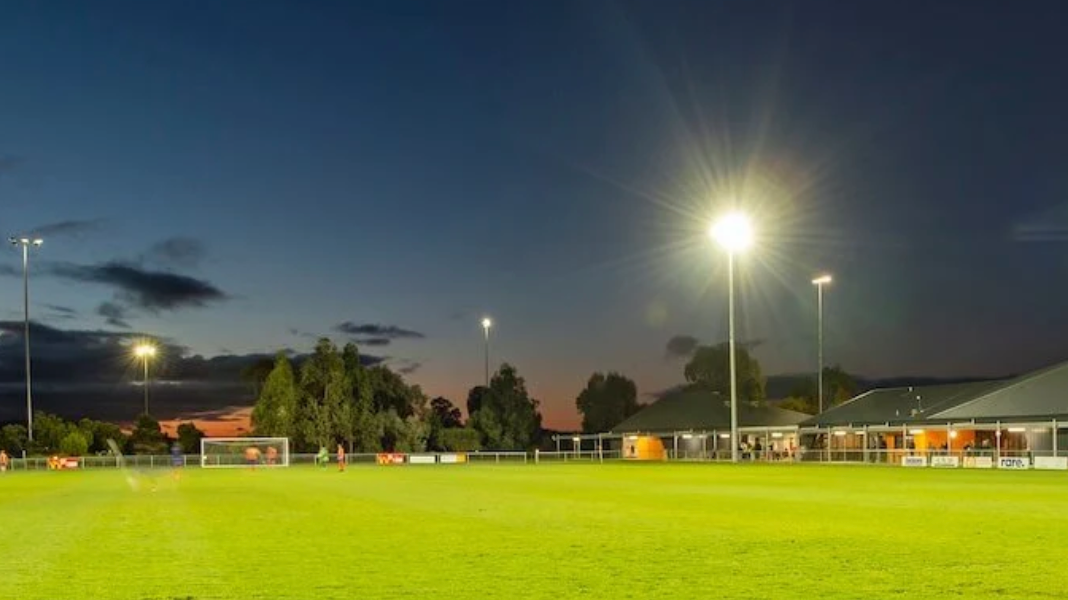
Riverside Olympic Ground - Launceston
In the first article in this series I asked a simple question.
Should the CEO of Football Tasmania live in Tasmania?
The second article explored why presence matters in community sport.
This final reflection looks at something closely connected to both ideas.
How governing bodies structure leadership so they remain connected to the communities they represent.
Because connection does not happen by accident. It is shaped by governance.
Volunteer sport works differently
Community sport does not operate like a corporate organisation.
Most of the people who sustain football in Tasmania are volunteers. Coaches, referees, committee members and parents give their time each week because they care about the game.
That means leadership operates in a different environment.
Authority cannot simply be exercised through hierarchy. Credibility has to be earned.
Clubs and volunteers quickly recognise whether leaders understand the realities of grassroots sport or whether their understanding comes second-hand.
Governance shapes leadership culture
Boards play a central role in shaping how sporting organisations operate.
They appoint senior leaders. They define expectations. They set the culture of the organisation.
If leadership becomes disconnected from the communities the sport serves, that is ultimately a governance decision.
If connection to the football community matters, it is the board’s responsibility to ensure leadership structures support that connection.
This is not a question of personalities. It is a question of governance.
Credibility comes from engagement
In volunteer sport credibility grows through engagement.
Leaders who spend time within the competitions they govern develop a deeper understanding of the ecosystem that sustains the game.
They see the pressures volunteers face. They hear directly from clubs. They understand how decisions affect communities on the ground.
Over time this builds trust.
When trust exists, even difficult decisions are easier for communities to accept.
Leadership behaviour sends signals
Leadership behaviour also sends signals about what matters.
When leaders regularly engage with the football community it demonstrates that grassroots football sits at the centre of the organisation’s priorities.
Volunteers notice these signals.
In community sport, where much of the work happens quietly and without recognition, visible engagement can mean a great deal.
Structuring leadership for connection
So how should governing bodies structure leadership in community sport?
There are no simple formulas, but a few principles are worth considering.
Leadership should remain embedded in the environment it serves.
Senior leaders should spend time within competitions and communities across the state.
Governance structures should encourage listening, engagement and visibility within the game.
These are not symbolic gestures. They are practical ways of ensuring leadership remains grounded in the realities of the sport.
A moment for reflection
Board elections are one of the moments when these questions matter most.
They are an opportunity for members to reflect on what kind of leadership culture they want for the game.
Members have an opportunity to consider what kind of leadership they want for the game.
Not just in terms of strategy and administration, but in terms of connection to the communities that sustain football across the state.
Returning to the original question
This brings the discussion back to the question that started this series.
Should the CEO of Football Tasmania live in Tasmania?
Reasonable people may hold different views on that specific point.
But the broader principle is harder to dispute.
Leadership in community sport works best when it remains closely connected to the community that sustains the game.
Presence builds understanding.
Engagement builds credibility.
Credibility builds trust.
And trust is one of the most valuable forms of leadership authority in volunteer sport.
The strength of Tasmanian football
Across Tasmania thousands of people contribute to football every week.
Players, coaches, referees, volunteers, parents and administrators all play a role in keeping the game alive in towns and suburbs across the island.
Their commitment is the foundation of Tasmanian football.
Governance that stays connected to that community strengthens the sport.
Governance that drifts away from it risks losing sight of the environment it exists to serve.
Ultimately, the question for any board is simple: does the leadership structure of the organisation reflect the community it exists to serve?
Like most people involved in Tasmanian football, I have volunteered and carried a load over many years.
That experience shapes how I see the game and sometimes brings a degree of frustration when the gap between governance and the grassroots feels too wide.
But it also brings a deep respect for the football community that exists across this state.
These reflections are offered in that spirit.
They are my own personal views and are not written on behalf of any football organisation I am involved with.
Should the CEO of Football Tasmania Live in Tasmania?Part Two: Why Presence Matters in Community Sport:
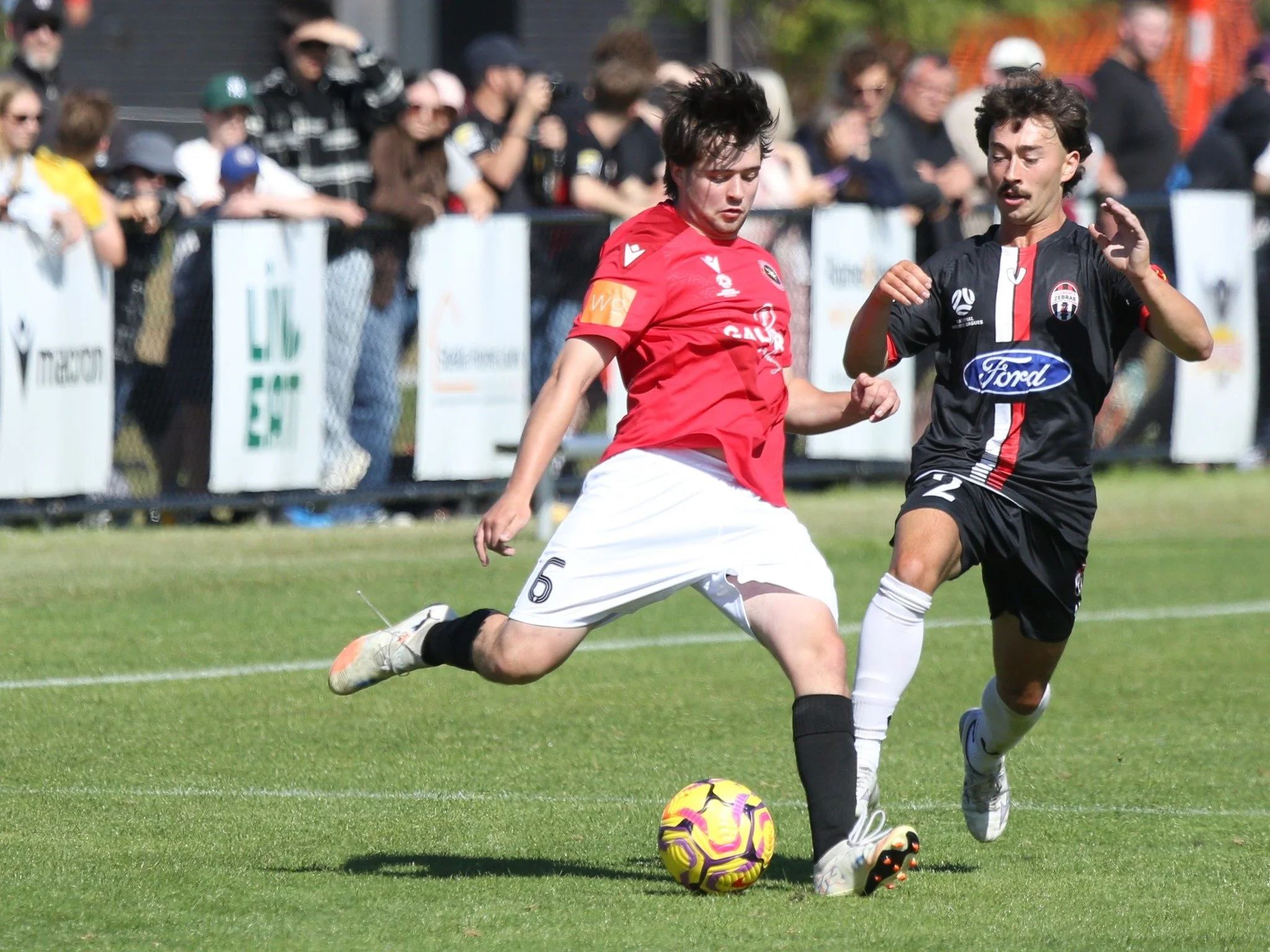
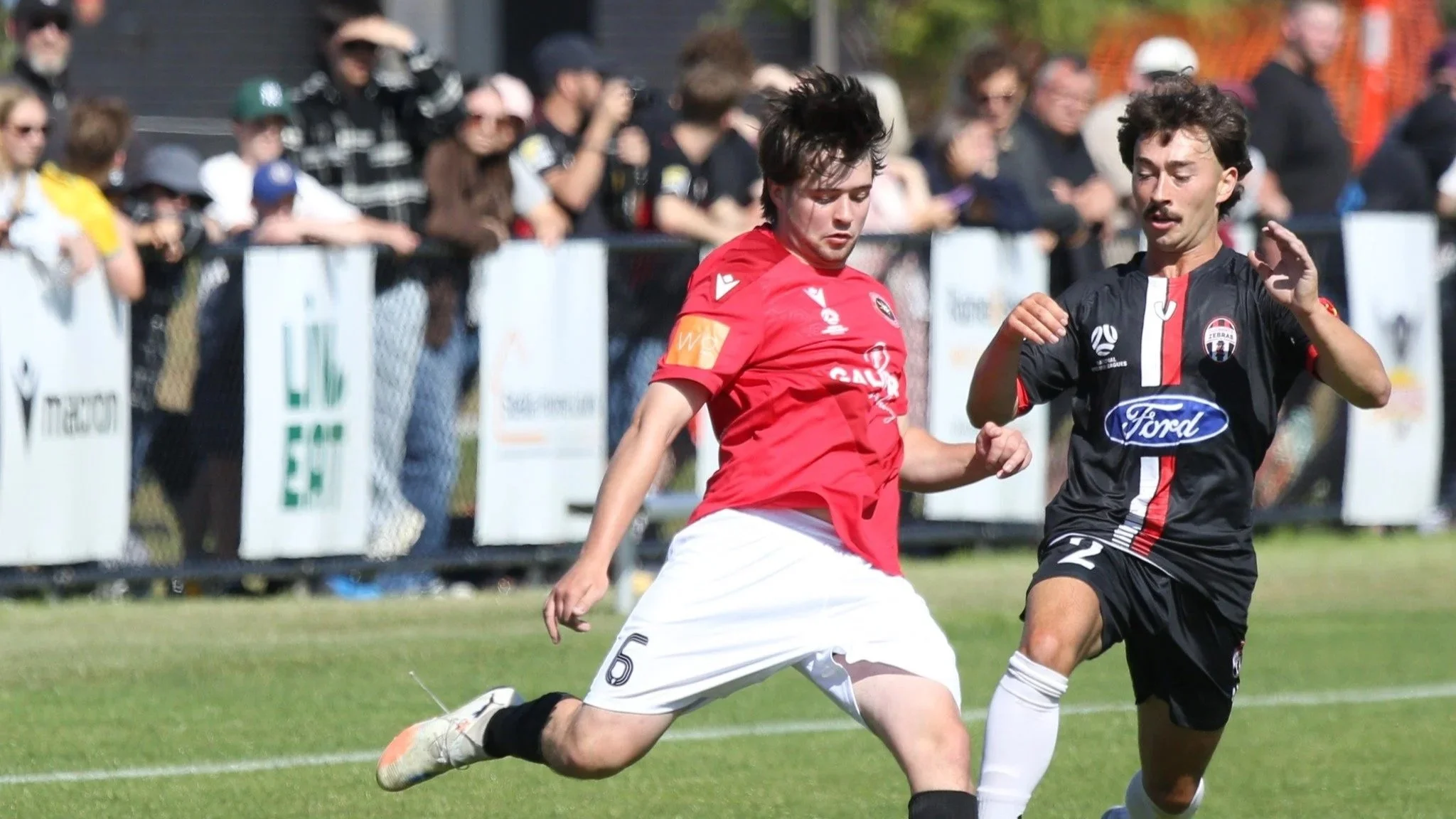
Photo courtesy of South East United Football Club - game day one NPL 8 March 2026
In my previous post I asked a simple question.
Should the CEO of Football Tasmania live in Tasmania?
That question prompted some thoughtful responses.
But the deeper issue is not really about an address on a driver’s licence.
It is about something more fundamental.
Presence.
That is why questions about where leadership is based are not trivial in community sport.
Community sport runs on relationships
Grassroots sport operates very differently from professional sport.
Professional sport runs on contracts, commercial deals and formal structures.
Community sport runs on relationships.
Volunteers know each other. Clubs talk regularly. Referees travel across regions. Parents step in to coach when teams need help. Committee members quietly solve problems behind the scenes.
These networks of relationships sustain the game.
Leadership that understands those networks is better equipped to support them.
Authority is earned in volunteer sport
One of the realities of volunteer sport is that authority does not automatically come with a job title.
Volunteers give their time freely. They are not employees.
Respect and credibility develop differently in this environment.
Authority in volunteer sport is rarely granted by title alone. It is earned through engagement.
Leaders who spend time within the competitions they oversee develop a deeper understanding of the environment they are responsible for.
That understanding builds trust.
What leaders learn from being present
Being present within the game reveals things that rarely appear in reports or strategy documents.
The pressures volunteers carry. The condition of facilities. The way safeguarding practices operate in practice. The barriers families navigate in order to keep their children involved in sport.
These realities shape the health of community sport, but they are often invisible in formal reporting.
Leaders who spend time within these environments see the sport as it is actually experienced by the people who sustain it.
That understanding leads to better decisions and stronger advocacy.
Listening before reacting
Presence is also about listening.
Good leaders spend time speaking with volunteers, referees, coaches and parents. They ask questions. They listen carefully before responding.
Those conversations often reveal insights that would otherwise remain hidden.
Over time this kind of engagement builds credibility.
In volunteer sport, where so much work is done quietly and without recognition, credibility matters.
Leadership requires emotional intelligence
Leadership in community sport is not only administrative.
It requires emotional intelligence.
Leaders must understand the people, places and relationships that sustain the game. They must recognise the pressures volunteers carry and the challenges clubs face.
That understanding rarely develops from distance.
It develops through engagement.
Authentic presence
The most effective leaders often do this quietly.
They attend competitions, visit clubs and speak with volunteers not because they need to be seen, but because they genuinely want to understand the sport they lead.
Presence in community sport is not about appearances.
It is about connection.
Leadership signals
Leadership behaviour sends signals.
When leaders spend time within the environments they govern it communicates something important.
It shows that those environments matter.
Volunteers notice these things.
In community sport, small signals of respect and engagement can make a significant difference.
Leadership embedded in place
Researchers who study regional governance often talk about something called place-based leadership.
The idea is simple.
Leaders are most effective when they are embedded within the communities they serve.
Community sport is a clear example of this.
Clubs, volunteers, referees, parents and players form a social ecosystem that sustains participation.
Understanding that ecosystem requires more than occasional visits or formal engagements.
It requires leaders to spend time within it.
Looking ahead
These reflections are not about individuals.
They are about how leadership works in community sport.
In the next article in this series I will explore another part of this question.
If authority in volunteer sport is earned rather than granted, how do leaders build that credibility?
It turns out the answer is surprisingly simple.
They show up, consistently, and over time.

Should the CEO of Football Tasmania Live in Tasmania?
Leadership matters in community sport.
Where the leaders of our sporting organisations live is part of that conversation.
Which raises a simple question.
Where should the CEO of Football Tasmania live?
It sounds straightforward. But in a small football state like Tasmania, the answer carries more weight than people might think.
Tasmanian football is not a large professional industry. It is a community game sustained by volunteers, clubs and families who give their time week after week.
That reality shapes what leadership should look like.
A community game
On winter mornings around Tasmania the football day often starts the same way.
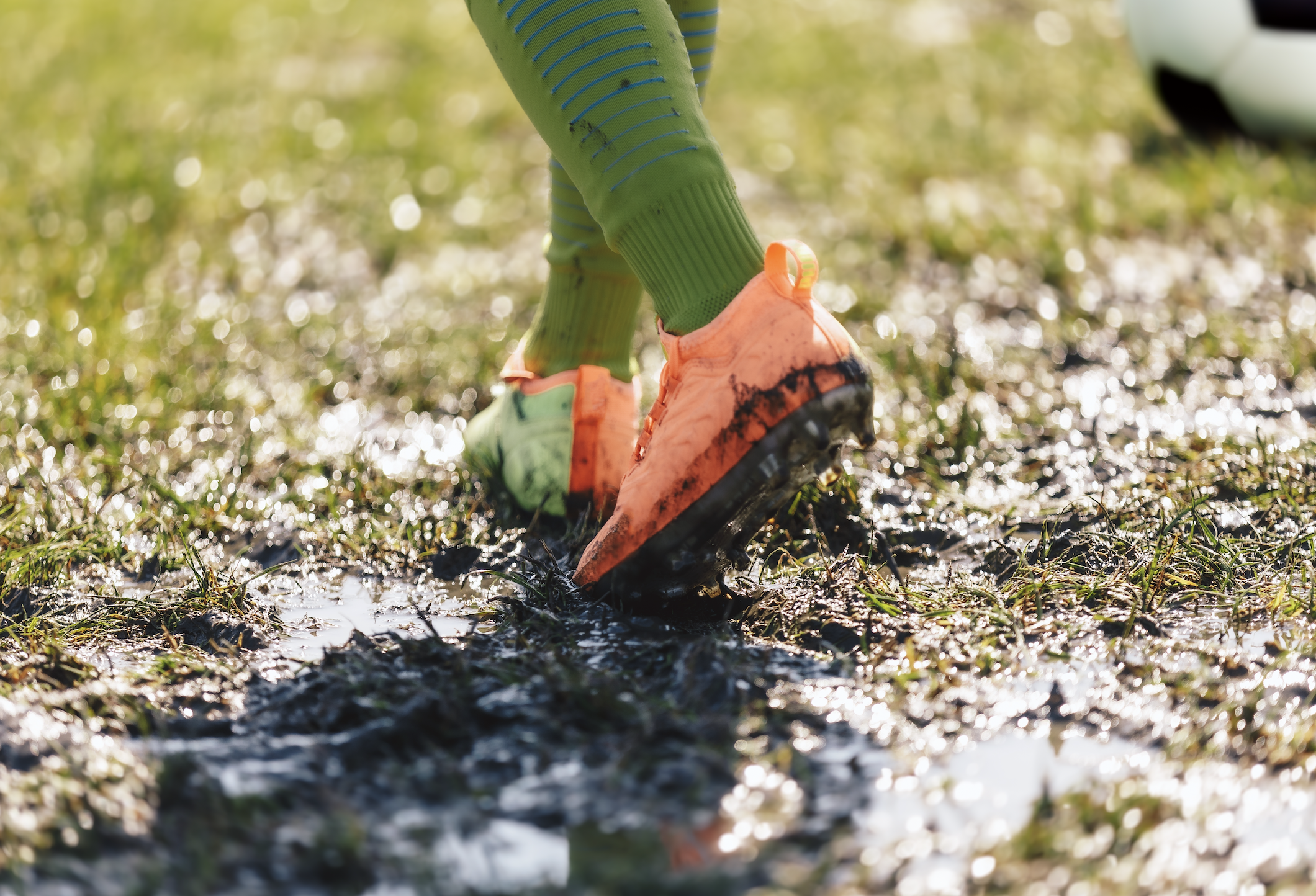
Wet grass. Cold wind. Mud on boots before the first whistle even blows.
Cars line the edges of community grounds. Volunteers set up goals and corner flags. Parents stand on the sideline with takeaway coffee while children chase a ball across a damp pitch.
A canteen opens its shutters. A committee member checks the draw for the day. Someone is already thinking about next weekend’s fixtures before the first game has even started.
If you spend enough time around grassroots football, dirty shoes and cold hands become normal.
After more than two decades involved in football in Tasmania, I have spent a lot of time standing on those sidelines.
This is where the game actually lives.
Understanding Tasmanian football properly means seeing it in those places, not just hearing about it through reports or meetings.
A relationship-driven sport
Tasmanian football operates through relationships.
Clubs know each other. Volunteers speak regularly. Referees travel across regions. Conversations on sidelines and in clubrooms often shape how the game evolves.
In this kind of environment, leadership that understands those relationships has a much clearer picture of the sport it is responsible for.
In community sport, leadership is not only about formal authority. Visibility matters as well. Leaders who spend time around competitions and clubs develop an understanding of the game that cannot be gained from distance alone.
Authority in volunteer sport is rarely granted by title alone. It is earned through engagement.
More than the top tier
The football community in Tasmania is much bigger than the top tier of the game.
It includes NPL clubs, but it also includes dozens of community clubs run almost entirely by volunteers.
Clubs like Cygnet Seadragons in the south. Southern Raiders in the north of the state, despite the name. Small regional clubs where parents coach teams, volunteers open clubrooms and referees travel long distances simply to ensure games can take place.
These clubs operate year round. Committees carry responsibility long after the final whistle. Volunteers often give up evenings and weekends so that others can simply turn up and play.
Those clubs are part of the football ecosystem too.
If leadership only hears from the top end of the game, it only understands part of the picture.
Tasmania is not one place
Football in Tasmania stretches across the south, the north and the north-west.
Each region has its own clubs, facilities and challenges.
A decision that looks straightforward on paper can feel very different depending on whether you are standing at a ground in Hobart, Launceston or Devonport.
In larger jurisdictions, distance can make regular engagement difficult. Tasmania is different. Communities across the state are connected by relatively short travel distances, and competitions take place every weekend in towns and suburbs across the island.
Leaders who spend time across those communities develop a clearer understanding of the game they are responsible for.
That kind of understanding usually comes from presence.
What presence reveals
Presence allows leaders to notice the things that rarely appear in formal documents.
The condition of facilities. The pressures volunteers carry. The way safeguarding practices operate in practice. The barriers families navigate in order to keep their children involved in sport.
These are the realities of grassroots participation.
Leaders who spend time in these environments see the sport as it is actually experienced by the people who sustain it. That understanding shapes better decisions and stronger advocacy when sporting organisations engage with governments, partners and sponsors.
Stewardship of public funding
State sporting organisations are not funded only by their members.
Many also receive significant public funding through state government programs, grants and facility investment.
With that funding comes responsibility.
Sporting bodies are not just administrators of competitions. They are stewards of public investment in community sport.
Understanding the communities that investment is intended to support requires more than policy documents and strategy papers.
It requires leaders to see the sport in action and understand the environments where participation takes place.
The quiet work of leadership
The best leaders often do this quietly.
They attend matches. Walk through junior tournaments. Speak with referees, volunteers and parents. Sit in a grandstand on a cold afternoon because they want to understand the sport they lead.
Not because anyone is watching.
Leadership in community sport is not only administrative. It also involves emotional intelligence, an understanding of the people, places and relationships that sustain the game.
Presence builds that understanding.
A simple question
If football in Tasmania is a community game, shouldn’t its leadership be part of that community?
Of course modern sporting roles involve travel and national responsibilities. No one expects a CEO to attend every match or visit every ground.
But living in the state and spending time within the football community should not be an unusual expectation.
Presence creates understanding. Understanding builds credibility.
Clubs and volunteers are remarkably perceptive. They quickly recognise whether leadership decisions are grounded in lived experience of the sport or primarily informed by second-hand information.
Leadership behaviour also sends signals. When leaders spend time within the competitions and communities they govern, it demonstrates that those environments matter.
In a small football state, leadership works best when it is embedded in the community it serves.
In Tasmania, that often means muddy boots, cold hands and time spent on the touchline.

Imagine Football Led Through the Eyes of the 51%

An International Women’s Day reflection on leadership in football
Today is International Women’s Day.
A day to celebrate the achievements of women, but also a moment to reflect honestly on the systems we operate within.
Football offers an interesting lens for that reflection.
Spend any time around grassroots football and you will notice something very quickly.
Women are everywhere.
The grassroots reality
They organise teams.
They manage age groups.
They coordinate competitions.
They volunteer week after week so that children can play.
Across Australia, grassroots football relies on thousands of volunteers. Many of them are women.
Without that contribution, the weekly rhythm of the game would look very different.
Yet when you look at leadership across the sport, the picture often changes.
Then the ladder changes
Move up the football structure and the number of women becomes smaller.
Club boards.
Federation leadership.
Executive roles.
The higher the ladder goes, the more male the leadership tends to become.
This is not unique to football. It happens across many sports.
But football is particularly interesting because women and girls are now one of the fastest growing parts of the game.
Participation is accelerating.
Leadership is changing much more slowly.
Imagine something different
So today, on International Women’s Day, it is interesting to imagine something different.
Imagine if Tasmania decided to lead the way.
Imagine a woman elected President of Football Tasmania for the first time.
Imagine a woman appointed as Chief Executive Officer for the first time.
Leadership looking through the eyes of 51 percent of the population.
Leadership setting the tone from the very top.
Leadership leading by example.
What might that look like?
Would the football world end?
Would players suddenly forget how to pass a ball?
Would competitions collapse overnight?
Of course not.
Football would still be football.
Clubs would still run.
Kids would still play.
Matches would still take place every weekend.
The difference would simply be that leadership might begin to reflect the people who already sustain the game.
A personal reflection
After more than twenty years around football administration, I sometimes find myself reflecting on how much has changed.
And how much has not.
Participation has grown enormously.
Women’s football has gained visibility and respect.
But when it comes to leadership, progress has felt slower.
In those twenty years I have not seen as many younger women stepping forward into leadership roles as I might have hoped.
That saddens me a little.
Not because women are not capable of leadership. Far from it.
But because football would benefit from more voices, more perspectives and more people willing to step forward and help shape the future of the game.
Recognition tells a story too.
Last year saw the introduction of the Tasmanian Football Hall of Fame.
It was an important moment, recognising people who have made lasting contributions to the sport in this state.
But looking through the inaugural list of inductees, one thing stood out.
There were no women among those honoured.
I understand that at least one woman may have been nominated but declined the honour.
Even so, it raises an interesting question.
After more than a century of football in Tasmania, are there really no women whose contributions deserve to be recognised at that level?
Or does it simply reflect the same leadership gap that still exists across the game?
A quiet hope for the future
Leadership shapes culture.
It signals what is possible.
And sometimes that matters more than we realise.
Imagine a young girl walking into a football club in Tasmania.
She sees women coaching.
Women governing the game.
Women chairing boards.
Women running the game.
Not as something unusual.
Just as football.
Sometimes change begins with something as simple as seeing what is possible.
After all, 51 percent of the population sees the game through a slightly different lens.

Fabrizio Romano, Nick Harris and the Changing World of Football Journalism

Fabrizio Romano in his natural habitat. On the phone, on line.
This morning I am writing about something I have been following on X.
I used to love it more when it was called Twitter. Many people left when the ownership changed and I understand why. Everyday I am tempted to leave too. The Australian PFA (Professional Footballers Association) left recently. But it still gives me plenty to read and think about.
It is probably a little strange that I enjoy following the governance, media debates and behind-the-scenes machinations of football as much as I do. But the more I read, the more I understand and it makes me think about the game I live and love.
Some of you will probably find this kind of discussion boring.
For me, it is fascinating.
The world is moving incredibly fast. My children cannot believe that only twenty five years ago we did not all carry mobile phones in our pockets. And now, sitting here writing this, my best writing assistant is artificial intelligence and I love it.
Football has changed too. The way we report it, the way we consume it and the way information moves around the world has shifted dramatically.
One of the most interesting examples of that change is the rise of the modern football transfer insider.
Who Fabrizio Romano is
One of the most recognisable names in the transfer news world is Fabrizio Romano.
Romano built his reputation specialising almost entirely in football transfers. He began writing about Inter Milan as a teenager and gradually developed a network of contacts across the football industry.
Those contacts include agents, club officials, scouts and intermediaries involved in negotiations.
Over time his updates became hugely popular on social media.
Today his audience across platforms such as X, Instagram, Facebook and TikTok exceeds 100 million followers. That reach is larger than many traditional sports media organisations.
His updates are short and constant.
Talks progressing.
Deal close.
Medical booked.
And then the phrase that has become famous across football.
“Here we go.”
When Romano posts those three words, fans treat it as confirmation that a transfer has been agreed. A single tweet can instantly travel around the football world.
If he gets it right so often, how does he know?
This is the question at the centre of much of the debate.
Romano is often correct about transfers. Sometimes he confirms deals before major newspapers publish full reports.
But the answer is not simply that he is guessing well.
The modern transfer market is also an information market.
Transfers involve agents, clubs, players, scouts and intermediaries negotiating deals worth millions of dollars. Information moves between those groups constantly.
Agents in particular play a major role.
Their job is to maximise the value of their clients. One way they do that is by signalling interest in the market.
For example, an agent might let journalists know that several clubs are interested in a player. Once that information spreads online, the perception around that player changes.
The player appears to be in demand.
Clubs may move more quickly. Other clubs might join negotiations.
Information itself becomes part of the transfer process.
Signalling and why transfer leaks happen
The idea of signalling is not unique to football.
Governments and businesses often use similar strategies when they need to introduce something controversial or unpopular.
Instead of announcing the full decision immediately, they release part of the information first. The early signal allows people to react, debate and become familiar with the idea.
By the time the final announcement arrives, the backlash is often smaller.
Football transfers can work in a similar way.
Agents or clubs sometimes leak information about a possible transfer before the deal is finalised. That leak tests the waters.
How will supporters react?
How will the media respond?
Will rival clubs enter the conversation?
Once the story enters the public conversation, the narrative begins to develop.
Journalists report it.
Fans debate it.
Clubs observe the reaction.
By the time the transfer is officially announced, the story has already travelled around the football world.
In that sense modern transfer reporting is not just about discovering information. It is also about how information is strategically released.
Why some journalists are critical
Recently Romano has faced criticism from investigative sports journalist Nick Harris.
Harris comes from a very different tradition of sports journalism.
Through his work with Sporting Intelligence and earlier roles at organisations such as BBC and The Mail on Sunday, Harris has spent years investigating the business and governance of sport.
Investigative journalists operate with different priorities.
Their focus is independence, verification and holding power to account.
From that perspective, the transfer insider ecosystem can appear uncomfortable. If reporters rely heavily on agents or people involved in negotiations for information, how independent can that reporting be?
Harris has also questioned the way promotional content and reporting sometimes sit side by side on social media platforms.
These are not small questions. They go to the heart of what journalism is supposed to be.
The Scottish football criticism
Some criticism of Romano has also come from journalists working in smaller leagues.
A recent article from the Scottish football Substack Scotland’s Coefficient argued that transfer stories in Scotland are sometimes broken first by local reporters before later appearing on Romano’s much larger platform.
When Romano posts the story it spreads worldwide within minutes. Many fans then assume he broke the news.
Even when sources are credited, the scale of his audience can overwhelm the original reporting.
For journalists working in smaller football markets this can feel frustrating. Breaking transfer stories is one of the ways reporters build reputation and credibility.
When those stories are absorbed into the global transfer rumour machine, their work can effectively disappear into someone else’s brand.
Why fans love transfer insiders
There is another side to the story.
Fans genuinely enjoy the modern transfer rumour ecosystem.
Transfers have become a year-round drama that supporters follow almost like a television series.
Rumours appear.
Negotiations progress.
Deals collapse.
Another club enters the race.
Transfer insiders provide the constant updates that keep that drama moving.
In the attention economy of modern media, short and immediate information is exactly what audiences want.
Romano simply understood that earlier than many traditional journalists.
Why this debate matters
For fans this might look like a disagreement between journalists.
But it actually reveals something bigger.
Football media has changed.
Information now travels through a complex ecosystem that includes clubs, agents, traditional journalists, social media personalities and fan accounts.
Romano sits at the centre of that ecosystem as perhaps the most visible transfer insider in the world.
Harris represents the investigative tradition that questions how the system operates.
The truth is that modern football media now contains both.
Romano often gets transfer stories right.
But the real story may not be whether he is a journalist or an influencer.
The real story is how football information itself now moves around the world.
In modern football, the rumour can travel almost as fast as the transfer itself.
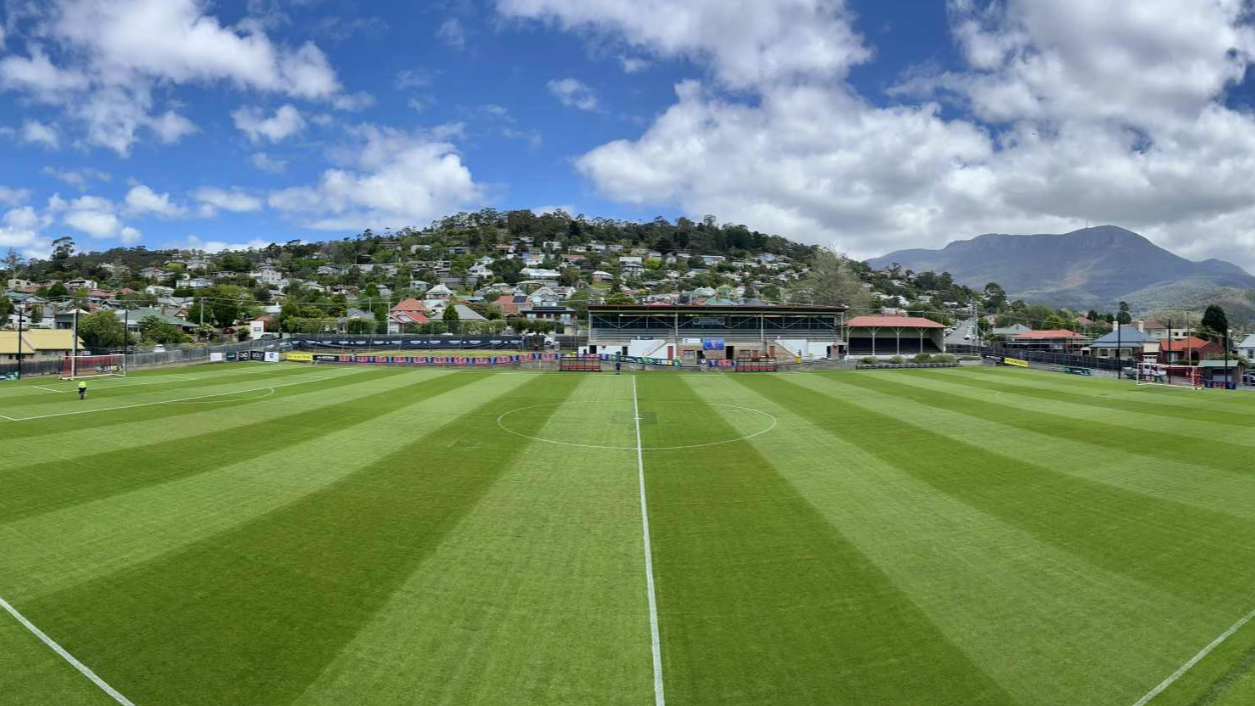
D’Arcy Street: The History of a Football Ground
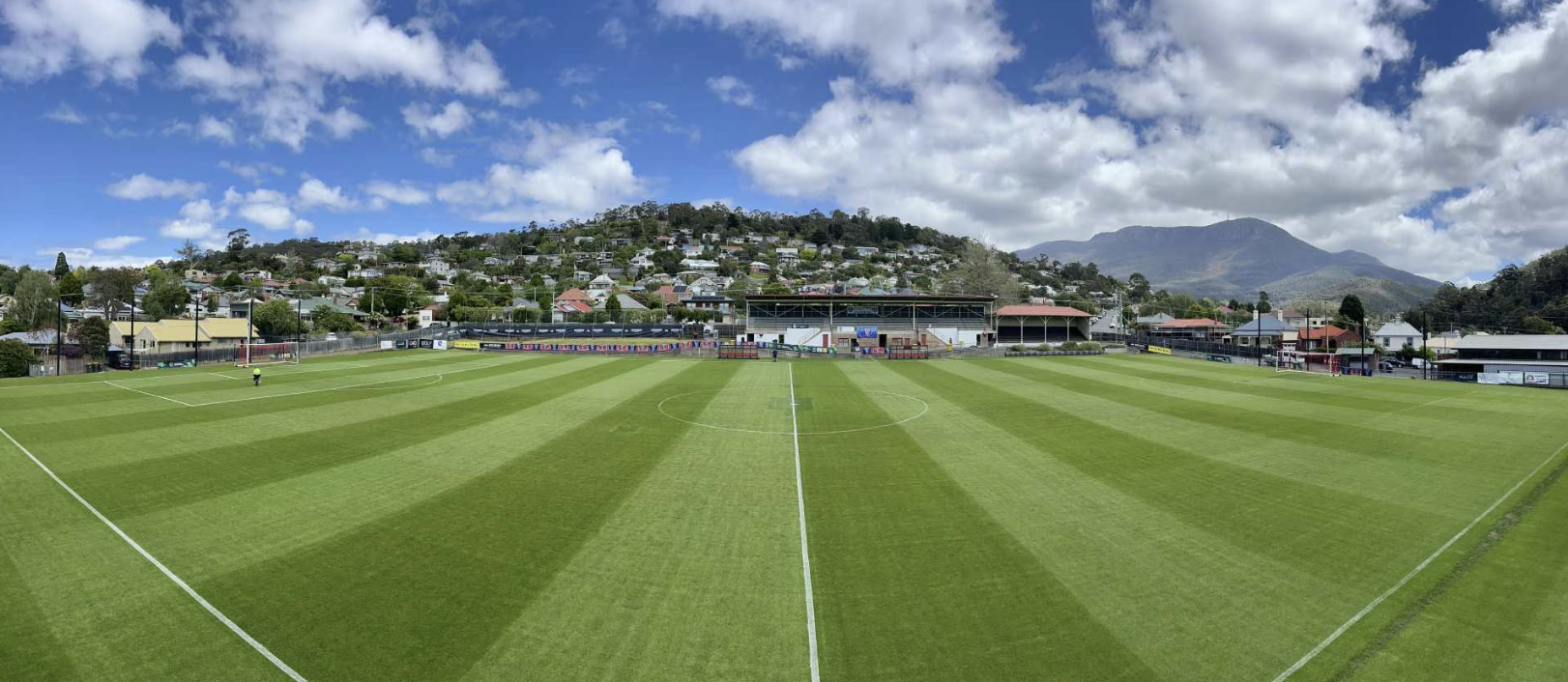
D’Arcy Street - Photo credit Nikki Long
Part 1: The Ground Beneath the Mountain
There are some places where football simply belongs.
D’Arcy Street is one of them.
For more than a century football has been played on the hillside beneath kunanyi. Since 1910 the ground has been associated with South Hobart Football Club, and generations of players have taken the field there.
Children learning their first touches.
Teenagers chasing dreams.
Volunteers arriving early on match days, checking the goals and nets, making sure everything is ready before the first players step onto the pitch while the mountain sits quietly above the ground.
It has always been more than just a patch of grass.
It is a football ground.
And to understand why that matters, it helps to understand the history of the place itself.
The creation of the South Hobart Recreation Ground
The site we now know as South Hobart Oval (D’Arcy St) was established in the late nineteenth century as the South Hobart Recreation Ground.
Government records from the 1880s show public funds being allocated for the purchase of land for the South Hobart Recreation Ground. The site was deliberately set aside for organised recreation and sport.
Recreation grounds of that era were not simply open parks.
They were usually governed by trustees or local boards, established under legislation regulating recreation reserves across Tasmania. These trustees were responsible for overseeing the ground, maintaining it, and ensuring it served the purpose for which it had been created.
Records from the 1890s refer to trustees managing the South Hobart Recreation Ground, demonstrating that the site was treated as a formal community sporting reserve from its earliest years.
What a recreation ground meant
Today the phrase recreation ground can sound vague.
Historically it was not.
Across Britain, Australia and New Zealand the term was widely used to describe municipal sporting venues.
Football grounds.
Cricket ovals.
Athletics fields.
Hobart had several such grounds.
What is now known as North Hobart Oval was historically described as a recreation ground.
West Hobart had its own recreation ground as well, known locally simply as The Rec.
The language reflected the civic belief that organised recreation, particularly sport, was an important part of community life.
South Hobart Recreation Ground was created in that same tradition.
A ground of many names
Over time the ground has been known by several names.
A South Hobart Progress Association newsletter describing the history of the site notes that when the ground was formally established around 1904, its official name was South Hobart Recreation Ground.
Locals referred to it in various ways.
D’Arcy Street Recreation Ground
Wentworth Street Recreation Ground
The Rec
In more recent decades it has also been known simply as:
D’Arcy Street
SHO
South Hobart Oval
Official place-naming records also reflect the sporting purpose of the site. The Tasmanian place-naming authority, formerly the State Nomenclature Board of Tasmania, recorded the venue as South Hobart Sports Ground, a title that appears in government mapping including the Tasmanian Town Street Atlas.
The nomenclature system for officially recording place names in Tasmania dates from 1953, when the Nomenclature Board was established to manage geographic names across the state.
Names change over time, but the use of the ground has remained remarkably consistent.
A place where sport is played.
Football arrives
By the early twentieth century organised football was already being played at the ground.
Newspaper reports from the 1910s and 1920s refer to matches taking place at the South Hobart Recreation Ground, including league fixtures and representative games.
Spectators gathered on the hillside overlooking the pitch.
At a time when Hobart had relatively few football venues, grounds like South Hobart often hosted several matches in succession across a single day.
Clubs shared facilities.
Football simply made use of the limited infrastructure that existed.
Why it is called an oval
The ground is also commonly referred to as South Hobart Oval. In Australia the term “oval” is widely used to describe municipal sporting fields, even when the playing surface itself is rectangular. Many recreation grounds historically hosted cricket during the summer months and football during winter, and the oval terminology remained part of everyday language. Over time the name South Hobart Oval became a common local reference for the ground at D’Arcy Street, even though the field itself has long been configured for rectangular football.
A ground used by the wider football community
Although strongly associated with South Hobart, the ground has never belonged only to one team.
For generations it has hosted visiting clubs from across Tasmania.
Teams from Launceston, Devonport, Glenorchy, Kingborough and many other communities have travelled to play there.
Players arrive by bus and car, walk down D’Arcy Street, and step onto the same pitch where generations before them have competed.
In that sense the ground belongs not just to one club, but to the wider football community.
Thousands of footballers across Tasmania have played at the ground.
Hobart’s only rectangular football ground
South Hobart Oval is also unique within the city.
It is the only dedicated rectangular football ground within the City of Hobart.
That matters because football is played on rectangular fields, not the oval surfaces used by other codes.
Across Australia many football clubs have historically been forced to adapt to oval grounds designed primarily for cricket or Australian Rules football.
South Hobart Recreation Ground was different.
Its rectangular layout allowed the game to be played properly.
Because of that, it has become one of the most important football venues in Hobart.
A venue for top level football
Over the decades the ground has hosted football at the highest levels played in Tasmania.
It has staged:
State League matches
major cup competitions
representative fixtures
national level games
When Tasmania has needed a rectangular venue capable of hosting high level football in Hobart, South Hobart Oval has often been the place.
The ground has also hosted memorable visiting teams.
Manchester United legend George Best once played an exhibition match there, drawing one of the largest crowds the venue has seen.
Years later the Japanese club Nagoya Grampus visited Tasmania with England striker Gary Lineker.
Tasmanian football historian Walter Pless recalls interviewing Lineker at South Hobart Oval during that visit.
Global football has passed quietly through this small hillside venue beneath the mountain.
The people who care for the ground
But the real history of South Hobart Recreation Ground is not only about famous names or historic matches.
It is about the people who care for it.
Like many community sporting venues, the playing surface itself is maintained by the City of Hobart.
But the life of the ground depends on volunteers.
Coaches.
Managers.
Parents.
Club members.
People who organise matches, set up equipment, welcome visiting teams and ensure the game can be played.
For generations those volunteers have been part of the story of this ground.
Why this history matters
South Hobart Recreation Ground is not simply an open green space.
It is part of Tasmania’s football history.
A ground established in the nineteenth century.
A venue where generations of footballers have played.
A place that has hosted local leagues, visiting teams and international footballers.
And a ground that continues to serve the wider football community today.
Because before it became a debate, before it became controversial, it was simply what it had always been.
A football ground.
Have Your Say
The City of Hobart is currently consulting on the future management of South Hobart Oval.
Submissions are open until 18 June.
Anyone who has played at the ground, visited it, or cares about football infrastructure in Hobart is encouraged to make a submission. Please take two minutes to appreciate the ground by having your say.
You can make a submission here:
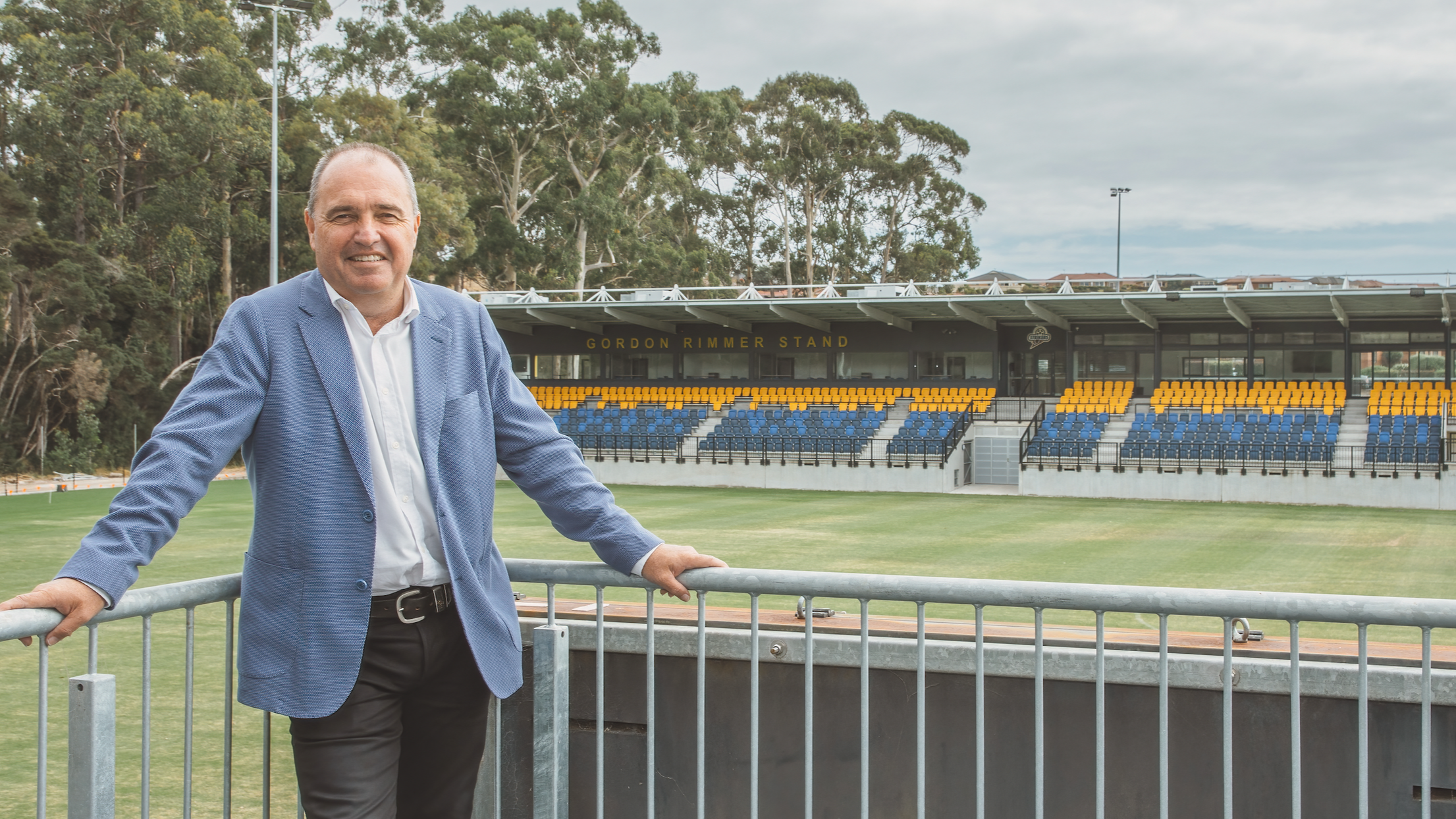
Six Thousand Kilometres: Drew Smith and the Reality of Football on Tasmania’s North West Coast
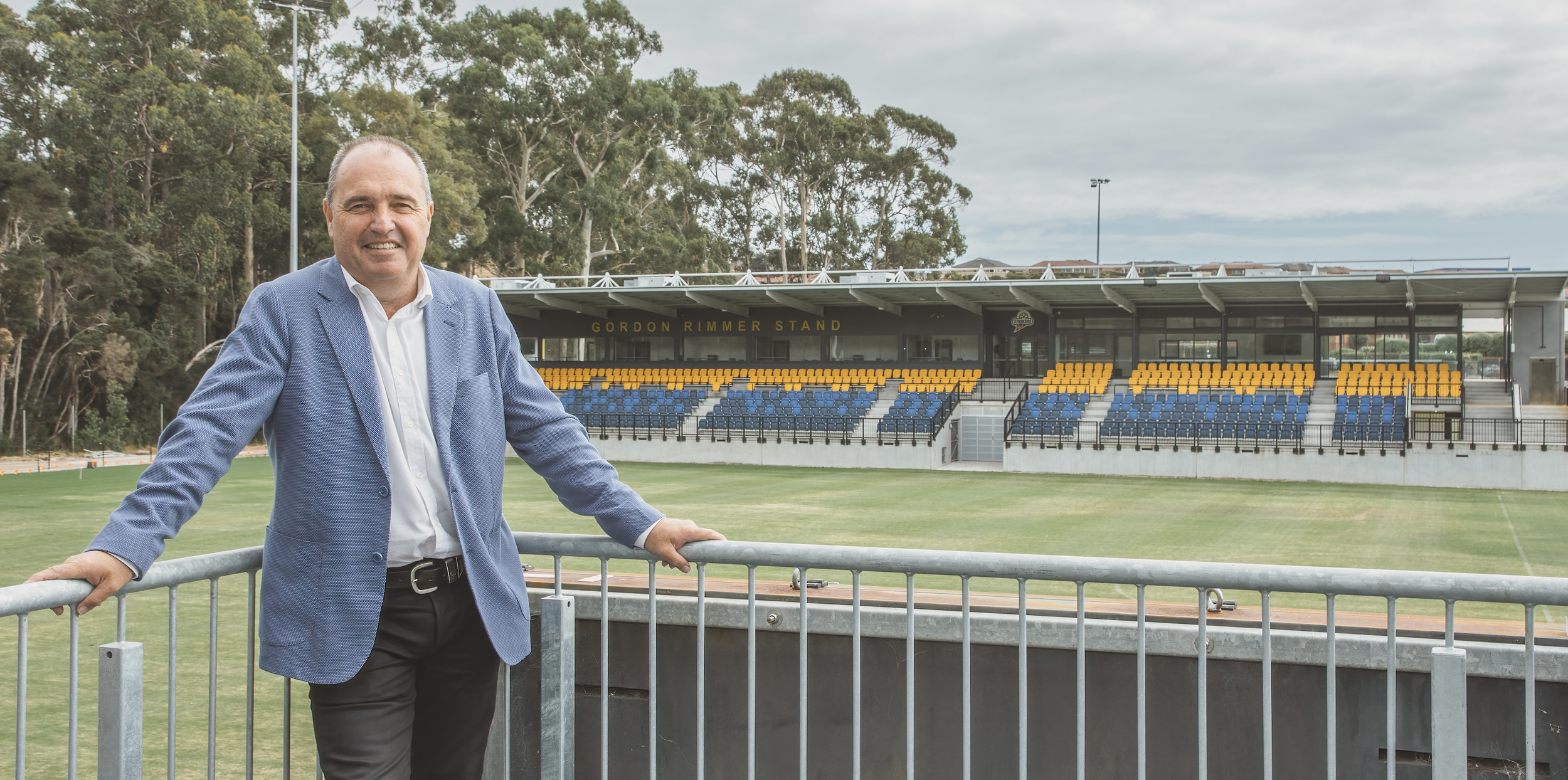
Drew Smith at Valley Road - Photo Nikki Long
Carrying the Load: Drew Smith and Football on the North West Coast
Devonport City Strikers have been one of the most successful clubs in Tasmanian football over the past decade.
Behind that success sits a great deal of unseen work. Volunteers. Logistics. Long travel days. Governance. Fundraising. The constant balancing act of running an elite football club in a small sporting economy.
Drew Smith has been President of the Strikers since 2018. By profession he is a Chartered Accountant and Managing Partner with Findex in Devonport. By football accident he found himself leading one of the state’s flagship clubs.
What follows is a conversation about leadership, travel, regional football and the reality of carrying elite football on the North West Coast.
Not a football beginning
Drew Smith did not grow up in football.
His first sporting life was in Australian Rules.
Outside of football I am married to Leanne and have two children Dominic and Griffin. I am a Chartered Accountant by profession having been in Public Practice for nearly forty years and am currently a Managing Partner with the sixth largest accounting group in Australia, Findex, based in Devonport.
Football wasn’t my first go to sport when growing up. I played state underage AFL as I now call it and State League AFL for Devonport and later for Latrobe in the NWFL.
My pathway to football came through my eldest son Dominic who has played football all of his life and has now played in excess of 250 NPL and Cup games for the Devonport Strikers.
Through his involvement and watching endless games over his football journey I developed a real love for the game and an appreciation of the skill required and the technical side of the sport.
The accidental President
Smith did not arrive at the presidency through a long campaign.
Instead it began with noticing the toll the role was taking on someone else.
My first cousin Rod Andrews was in his fifth year as President in 2018. I could see the weight of the position starting to take its toll on him as the club started to grow and become more successful.
As I was around the club a lot I reached out to him to see if I could assist which led to him asking if I was interested in taking over as President.
For me it was a relatively easy decision as my assessment of the club was that it had a great brand and reputation, good people and a great culture. All of the key ingredients you need for success.
I felt that I had a skill set that the club needed and so I committed to taking it on for three years with a clear three year plan.
Eight years later I am still here.
Rod has remained an important part of the club over my tenure having been the head of our Football Department and we have formed a great partnership.
A marathon, not a sprint
Running a football club at this level is often misunderstood.
From the outside it can look like match days and trophies.
From the inside it looks very different.
The time commitment is huge on top of an already busy professional and business life.
The role requires a significant amount of resilience and perseverance and if you think you are in the role for a sprint you are wrong. It is a marathon.
With the constant lift in requirements for clubs to meet and the increased professionalism within the sport there is no respite. It goes all year round which is why I often laugh when people say you must be enjoying the off season.
What off season.
Sporting clubs are complex beasts and they have many different elements to them. At the end of the day you are running a business that operates in a number of high risk segments with bars, food, gaming and working with children so you have to be constantly on your game.
Unless you have been in the role I think it is very difficult for anyone to have a real appreciation of what it actually takes.
The drive to win
For Smith the motivation is simple.
Competition.
I am super competitive by nature and so what keeps me going is the competition and the desire to be the best.
I have been lucky in that the club has been the most successful club in Tasmania over the last decade and tasted success beyond our wildest dreams both on field and off field which makes all of the hard work and effort worthwhile.
There are plenty of times when it would have been easy to walk away as with anything if you have highs there will also be the lows however that is life and you just have to pick yourself up and go again.
Six thousand kilometres
For clubs based in Hobart, travel can mean a short bus ride.
For Devonport it means something entirely different.
Being based on the North West Coast and until this season being the only team from the region, travel has always been a major impediment.
When I first took on the role I used to sit down and work out the travel distance that each club would have to undertake for the upcoming season.
At that stage there were five teams in Hobart and we would consistently be doing between six thousand and eight thousand kilometres a year particularly when we went deep into the Cup and kept drawing away games.
This amount of travel would be two to four times more than any other club.
Managing players over a season when confronted with such a heavy travel regime has always been challenging as has the time commitment required from our players particularly those with partners and young families.
It has not been uncommon for our NPL team to leave at 8.30 in the morning and not return home until after midnight.
Managing logistics is a constant issue as we have three teams and two buses and often the teams are playing at different venues.
Figuring out when teams need to leave, which teams need to be on which buses and ensuring we stay within the allotted travel time before overtime charges apply is always part of the planning.
If we draw an away game in Hobart in the Cup it is the worst financial outcome for the club as the club is required to subsidise the travel with no reimbursement from Football Tasmania at a cost of nearly $1,500 per team.
A fragile region
For Smith the bigger concern is not just travel.
It is the fragility of football on the North West Coast.
I think people in the south do not appreciate the fragility of the sport on the North West Coast.
We are starting to see evidence of that this year with some clubs having difficulty fielding teams.
As a club we want the whole region to be successful and to thrive so that the sport grows which in turn supports competition structures in the North West and the North of the state.
The North West has no full time or part time Football Tasmania staff based in the region driving the development of the sport.
Given it is a regional area it can also be a challenge to attract appropriately qualified coaches, players and support staff.
Scarcity
Running a football club often comes down to the same pressures.
Money.
People.
Facilities.
The scarcity of resources whether that be volunteers, money or facilities is a major constraint and pressure point for all clubs.
Given the scarcity of resources it becomes even more important that the key stakeholders within Tasmanian football understand the roles they should play in the football ecosystem for the sport to prosper and grow.
At the moment I do not believe there is clarity around this which in turn leads to some of the structural flaws currently impacting the sport.
The promise of a statewide league
Despite the challenges Smith believes the statewide NPL structure still has an important role.
The best thing about having a statewide NPL competition is that it extends the player pathways in the state and also provides a competition structure for professional footballers wishing to play in Tasmania which in theory should lift the standard of the sport.
The other benefit is the opportunities it provides clubs to play on the national stage whether that be through the Australia Cup or National Second Division competitions.
The flaw
But one change, he believes, has altered the balance.
The abolition of the player points system.
The old player points system really placed the onus back on clubs to develop talent within their own club as local talent attracted very low points.
In the absence of a salary cap for the NPL it also provided a bit of a safety net which does not exist under the current structure.
More affluent clubs can now acquire the best young talent in the country without falling foul of a points or salary cap system.
We are starting to see that play out when you look at the number of players clubs are bringing into their squads that are not local which means talented local players are missing the opportunity to develop.
A structure under pressure
Looking at the bigger picture Smith believes Tasmanian football is approaching an important moment.
I do not believe the current structure of the sport in Tasmania is sustainable.
As such I believe now is the time to bring together the best minds in the sport to undertake a strategic review of football in Tasmania.
We need a process that ensures the structure of football in Tasmania supports the outcomes the sport is seeking to achieve.
Representation
Governance is another issue Smith believes needs attention.
With the game administered in Hobart, no North West representation on the Football Tasmania Board and minimal on site visitation to the region, it can easily feel Hobart centric.
On the flip side we appreciate that the greater Hobart region has the most players and teams in the state so there are arguments both ways.
But there needs to be balance and at the moment I do not believe that balance supports the growth of the sport on the North West Coast.
Clubs currently carry the majority of the elite level football burden.
Without a shared vision of what elite level football looks like for the state that aligns with and enhances current player pathways and creates new ones that currently do not exist my concern is that the sport will never reach its full potential in Tasmania.
I also believe the key stakeholders in the sport, the clubs themselves, are often not heard and do not have a forum or structure which supports them being properly heard.
For me that is a critical structural deficiency that needs to change.
When the clubs stood together
Leadership inevitably brings difficult decisions.
Some remain private.
Some become defining moments.
It has always been difficult when we have had to remove a coach particularly if they have not seen it coming and believe they are doing a good job.
One of the biggest decisions I was involved in was when the NPL clubs decided to withdraw from the competition around the time of COVID due to differences with Football Tasmania.
It was a powerful moment when all the clubs put aside their differences and stood united.
Volunteers
In the end Smith says football clubs still run on volunteers.
People need to appreciate and probably be constantly reminded that we are a volunteer organisation.
Without volunteers the club would not survive.
It is not all glitz and glamour and you need to be prepared to get your hands dirty and be on the tools.
It takes an enormous amount of work to get teams on the park every week and clubs receive no guaranteed funding.
Every year clubs must find every dollar required in their budget.
Unfortunately that means the cost of delivering football programs continues to rise particularly when you consider that fees levied on clubs have increased by around fifty percent over the last five years.
Unfinished work
Smith is not yet ready to walk away.
But he does have an end point in mind.
I am a goal driven person and I have a couple of pieces of unfinished business.
One is completing a Strategic Review of Football in Devonport with associated recommendations.
The second is completing the design and planning for the greater Valley Road precinct for which we have received State Government funding.
Once those pieces are completed it may be time to step aside.
Over the years I have sat in many meetings with Drew representing the Strikers. He is thoughtful, intelligent and always focused on the bigger picture. What I have appreciated most is his willingness to work with fellow club presidents, even when clubs are competing fiercely on the field. Like many people running football clubs in Tasmania, he gives an enormous amount of time and energy to the game, often quietly and without recognition.
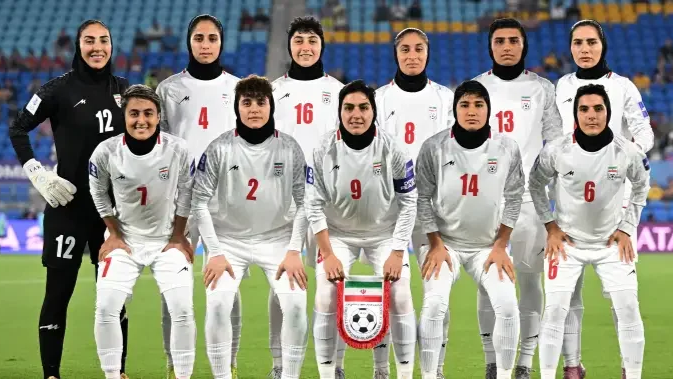
It Is 2026 and Men Are Still Telling Women What to Wear
Iranian Women National Team Gold Coast 2026
When Sport Carries the Weight of a Country
I have been fortunate enough to live my life in countries where the government does not tell women what they must or must not wear.
That is a freedom many of us simply take for granted.
Watching the Iran women's national football team play recently, it is impossible not to notice the clothing they are required to wear. Long sleeves. Leg coverings. Hair covered.
This is not a team choice.
It is mandated under law in Iran.
Anyone who has ever played football knows how physically demanding the game is. Ninety minutes of running, sprinting and tackling in the heat is hard enough.
To do that while covering almost your entire body would not be easy.
And I cannot pretend that this does not make me angry.
For generations men have interpreted religious teachings and written rules that tell women what they should wear, how they should behave and where their place should be.
Seeing that imposed on athletes who simply want to play football is confronting.
And it forces you to ask a simple question.
Who wrote those rules?
The uniform that tells a story
The clothing the players wear is not just a uniform.
Under Iranian law women must cover their hair and dress modestly in public. That requirement follows them onto the football pitch.
The international governing body, FIFA changed its rules in 2014 to allow sports hijabs so teams like Iran could compete internationally.
So these athletes run, sprint, tackle and compete wearing full coverage kits.
Anyone who has played football understands how physically demanding the game is.
You run.
You sweat.
You fight fatigue.
Looking at those players, it is impossible not to wonder whether the men who wrote those rules ever imagined what it feels like to play ninety minutes in that kind of clothing.
Sometimes I find myself thinking something else.
What if the Iran men's national football team had to play under the same conditions?
Long sleeves.
Leg coverings.
Hair fully covered.
Ninety minutes of football like that.
Would they complain about the heat?
About the restriction?
About how uncomfortable it is?
Of course they would.
But religious teachings, as interpreted by the men who enforce these rules, do not ask that of them.
Those rules fall almost entirely on women.
And when you strip away the language of culture and religion, what you are left with is something much simpler.
Control.
Women being told what they must wear, how they must behave and how visible they are allowed to be.
And it is 2026 and men are still telling women what they should and should not do.
That fact alone makes me angry beyond words.
Yet despite all of that, these women still walk onto the pitch and play football.
And that takes courage.
When sport and politics collide
Watching the Iranian women this week brought back a memory from earlier in my life.
I grew up in New Zealand at a time when rugby was everything.
Like most New Zealanders, I simply wanted to watch my first sporting love, the New Zealand national rugby union team, the All Blacks, play the South Africa national rugby union team, the Springboks.
But the country around me was arguing.
There were protests.
Pitch invasions.
Police in riot gear on television.
The arguments were not really about rugby anymore.
They were about apartheid in South Africa and whether sport should continue as if nothing was wrong.
At the time I did not fully understand it.
I just knew something much bigger than the game had walked onto the field.
Football and Iran
Watching the Iranian women this week brought that same feeling back.
Before their match they stood silently while the national anthem played.
They did not sing.
No banners.
No speeches.
Just silence.
In a place like Iran that silence carries meaning.
These players are competing internationally while their country is facing conflict and their families are at home living with the consequences.
Several players have spoken about worrying for relatives back home, with communication difficult and the news arriving in fragments. One player struggled to hold back tears during an interview.
In that moment they looked less like international footballers and more like daughters wondering if their families were safe.
The risk they may carry home
There is another uncomfortable thought that sits quietly in the background.
What happens when they go home?
In countries where governments tightly control public expression, even symbolic acts can carry consequences.
There is precedent for this.
During the 2022 World Cup in Qatar, members of the Iran men's national football team initially refused to sing the national anthem. Reports later emerged that players had been warned their families could face pressure if they continued to show dissent.
In another widely reported case, Iranian climber Elnaz Rekabi competed in 2022 without wearing a hijab. When she returned home she was reportedly questioned by authorities and faced restrictions on travel.
Iranian athletes who step outside official expectations have sometimes faced interrogation, bans from competition, or pressure placed on their families.
No one knows what consequences, if any, these women might face.
But the possibility hangs quietly in the air.
Football continues anyway
Despite all of this, the game still unfolds in familiar ways.
Pass.
Move.
Tackle.
Run.
Football stubbornly continues, even when the world around it feels anything but normal.
Quiet courage
Sometimes courage in sport is loud.
A protest.
A confrontation.
A statement.
Sometimes it is quieter than that.
Sometimes it is simply walking onto the field and playing the game while the world around you is complicated and uncertain.
Those Iranian footballers did that this week.
They pulled on their shirts.
They stood quietly during the anthem.
And then they played football.
The game is played on grass and marked by white lines.
But sometimes the weight of an entire country walks onto the pitch with the players.
Here She Goes Again
3.30am, A Cup of Tea and the Same Old Feeling
I woke up grumpy.
That usually means something is bothering me.
I have a habit.
Cup of tea.
Check if there are any games on somewhere in the world.
I am up between 3 and 4 most mornings. Habits are hard to break.
Football never really sleeps. Somewhere, someone is playing.
Then I read the Mercury.
And I get grumpier.
Department of State Growth scrapped.
New entity.
Major infrastructure.
Economic priorities.
And sitting underneath it all, obvious without being shouted, is the AFL stadium.
Again.
It isn’t the headline itself.
It is the feeling underneath it.
Sometimes it is hard to shake off being ignored.
The Season Starts. We Promote Ourselves. Again.
The NPL season starts this weekend.
Football Tasmania is promoting it.
Clubs are posting graphics.
Volunteers are preparing home grounds.
Team managers are getting kits ready.
Because if we do not promote ourselves, it is like we do not exist.
Licence fees.
Registrations.
Nomination fees.
Referee fees.
Football largely funds its own visibility.
If Football Tasmania did not push the NPL this week, would it be mentioned anywhere else?
In the South at least, probably not.
We are big in participation.
But small in narrative.
Unless we build the microphone ourselves.
“Here She Goes Again”
Here she goes again.
Whining.
Complaining.
Banging the drum for football.
I can almost hear it.
This is not about attacking AFL.
It never has been.
It is about priority.
It is about narrative.
It is about who is central when governments reshape themselves and who sits at the edge of the conversation.
AFL has one code.
One pathway story.
One centralised brand.
One clear political lever.
Football has hundreds of clubs.
Multiple competitions.
Thousands of volunteers.
Regional differences.
Layers of governance.
We have scale.
But we do not have a single, unified microphone.
So we keep promoting ourselves.
Funding ourselves.
Advocating for ourselves.
And when we stop, the silence is noticeable.
Twenty Years of Quiet Work
Over the past two decades I have been involved football in Tasmania has grown.
Women’s participation has surged.
Junior competitions have expanded.
Coaching standards have lifted.
Club licensing has tightened governance.
National competitions have been hosted from suburban grounds.
Local matches are live streamed across the country.
Most of it volunteer driven.
Much of it under-resourced.
All of it hard earned.
For those of us who have been inside it for twenty years or more, you feel the weight of that effort.
The meetings.
The compliance.
The grant applications.
The facility battles.
The endless advocacy.
You know the scale of what is being run every weekend.
And yet when government departments are reshaped and major priorities are announced, football rarely feels central to the story.
Not attacked.
Just peripheral.
There is a difference.
But invisibility is still invisibility.
The Pattern
The pattern is what sits heavy at 3.30am.
Every reshuffle.
Every infrastructure announcement.
Every grand economic vision.
Football feels slightly outside the tent.
Not because it lacks participation.
Not because it lacks global reach.
Not because it lacks community impact.
But because it lacks political centrality.
That is structural.
And structural things do not change by accident.
The Question We Don’t Ask
Invisibility might be football’s realm.
But fuck me, should we put up with it?
At what point does quiet competence stop being enough?
At what point does the largest participation sport in the state stop acting grateful for scraps of attention?
We are good at surviving.
We are good at running competitions.
We are good at complying.
We are less coordinated at demanding narrative space.
Maybe that is the real work ahead.
Not louder anger.
Clearer unity.
Because if we do not shape our own story, we should not be surprised when someone else writes it without us.
And that is probably what was bothering me before the sun came up.
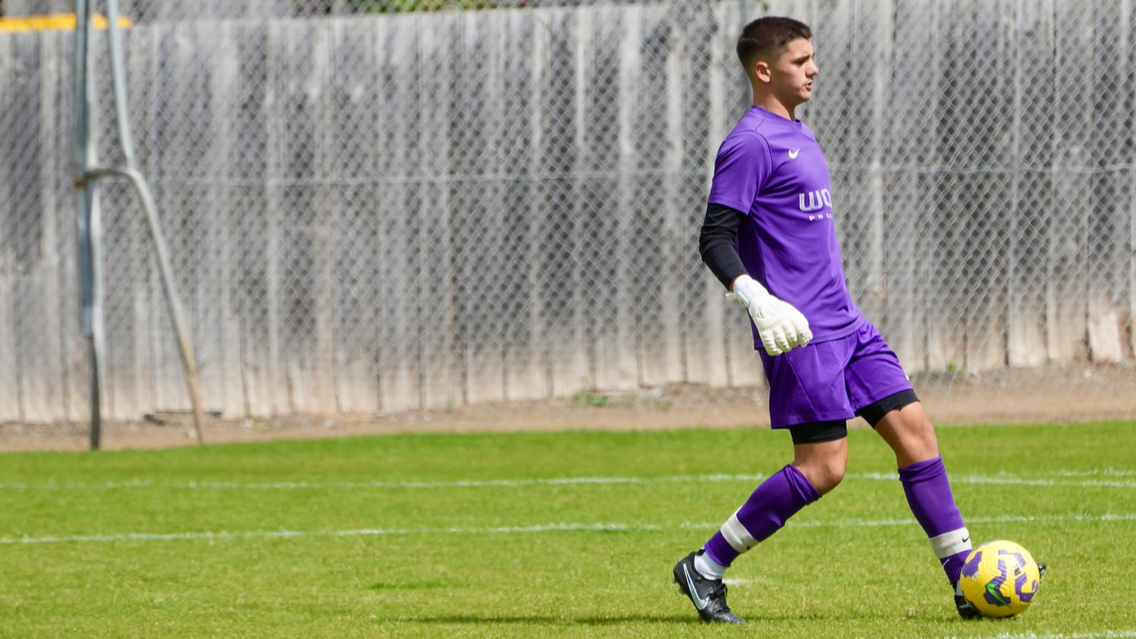
A Chat With Luca, And Why New Football Laws Are Coming
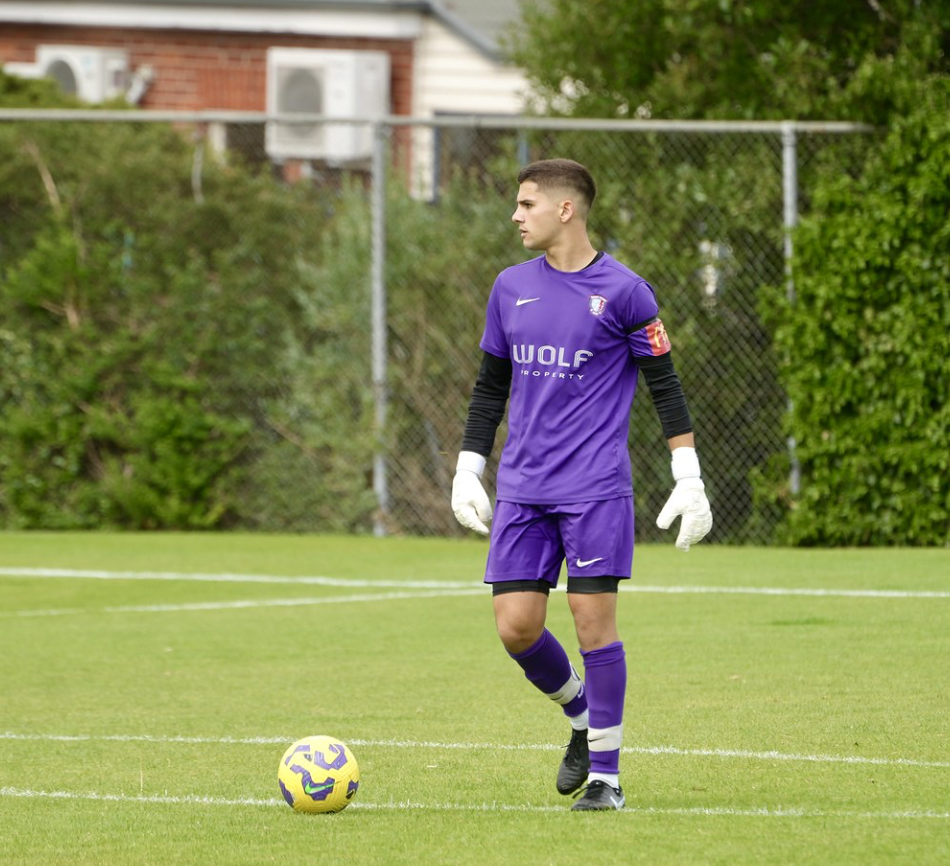
Football 101
Funnily enough, I was talking to Luca, the NPL goalkeeper at South Hobart, last night at training. We were talking about goalkeepers being on the clock.
He laughed and said,
“Goalkeepers are already on the clock for goal kicks, but someone can wait for a towel, can dry the ball, walk to the line for a throw-in and it takes twice as long.”
He is right.
And that is exactly why new rules are coming.
When These Changes Will Happen
These changes were approved by The International Football Association Board (IFAB), the body that writes the Laws of the Game for world football.
They will appear in major competitions from 2026, including the World Cup.
They become part of the Laws of the Game from 1 July 2026.
Competitions that start before that date may adopt them earlier.
After that, national bodies like Football Australia and Football Tasmania decide when to adopt them locally.
So you may see them in Tasmania in 2026, or a season later.
But they are coming.
Why Football Wants These Changes
Football wants more playing time.
Less delay.
Less gamesmanship.
More football.
We all see it, even at junior games.
Players wandering to take throw-ins.
Goalkeepers holding the ball.
Slow substitutions late in matches.
So IFAB acted to protect effective playing time.
1. Throw-ins and Goal Kicks
A Five-Second Countdown
If a referee believes a restart is being deliberately delayed, they can start a visible five-second countdown.
If the ball is still not back in play after the countdown
the other team gets the throw.
If a goal kick is still delayed
the other team gets a corner.
The key point is referee judgement.
It is not an automatic stopwatch.
Ken pointed out that this works well when spare balls are nearby, but at many grounds a ball can be kicked over a clubhouse or onto another field and it takes time to retrieve it. In those situations referees will need to be sensible and flexible.
That is another reminder for clubs to keep spare balls ready wherever possible.
2. Substitutions Must Be Quick
Substituted players must leave the field within ten seconds of the referee’s signal, or the substitution board where one exists.
If they do not
the substitute cannot enter until the next stoppage after one minute of running clock from the restart.
No more slow walks across the pitch late in games.
3. Injured Players Must Stay Off Briefly
If play stops for treatment
the player must remain off for one minute once play restarts.
Running clock means real time.
Referees can still allow exceptions for serious injuries or other safety concerns.
IFAB is also studying tactical goalkeeper injury delays, which everyone in football recognises.
4. VAR Adjustments
VAR can now assist referees with:
• a clearly incorrect second yellow card leading to red
• mistaken identity
• the wrong team being penalised for an offence
• a clearly incorrect corner decision, if corrected instantly
This is about fixing obvious mistakes without long delays.
5. Other Law Updates From July 2026
Some smaller but useful changes:
• more substitutes allowed in friendly internationals
• non-dangerous equipment allowed if safely covered
• referee body cameras as a competition option
• clearer dropped ball rules
• clarification on accidental double touches in penalties
• if advantage is played after a denying-an-obvious-goal-scoring-opportunity offence and a goal is scored, the player is not cautioned
The equipment change mainly relates to medical or religious items. Jewellery rules have not changed, sorry folks, earrings are still not allowed, even if taped. Casts or braces may be allowed if properly padded and approved by the referee.
These changes tidy up grey areas in the Laws.
6. Behaviour Issues Under Review
Some issues are still under consultation.
IFAB will look further at situations where:
• players or officials leave the field in protest
• players cover their mouths while confronting opponents
The covered-mouth issue may sound small, but it connects to something deeper.
In recent years racist or abusive language has been hidden behind a hand.
I wrote earlier about this in a post called Different Doors, Same Room.
It is encouraging to see football recognising that small habits can hide big problems.
7. Other Areas Still Being Trialled
Offside trials will continue, along with semi-automated offside technology.
Football is still experimenting with ways to make decisions quicker and clearer.
The Arsene Wenger offside rule is coming. More about that another time though.
What This Means For Tasmania
These rules will filter down.
Maybe not straight away, but soon.
We can prepare now.
Players ready for restarts.
Coaches organise substitutions early.
Spare balls nearby.
Respect referees’ timing decisions.
More playing time helps development.
Especially for kids standing in the wind on a winter morning.
The Spirit Behind It
The Laws can help.
But culture matters more.
Respect the game.
Respect opponents.
Respect referees.
That is how football keeps flowing.
From World Cup finals to a muddy junior ground in Hobart.
Small Laws, Bigger Game
Football changes slowly.
Culture changes slower.
But small rule changes, applied well, protect the game we love.
More football.
Less waiting.
And that is good for everyone.
Source: IFAB 140th AGM summary.
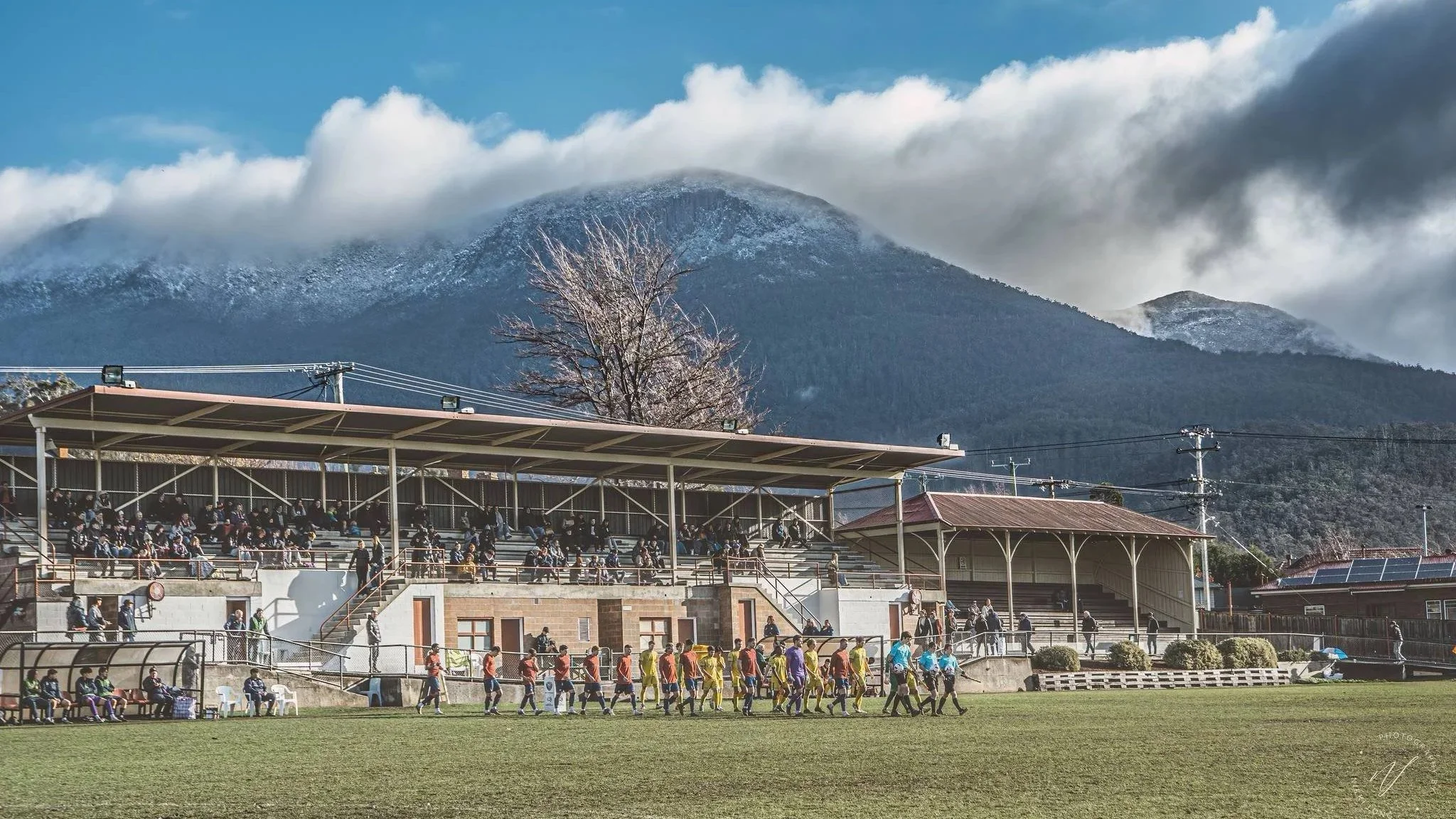
D’Arcy Street - South Hobart Oval Needs Your Voice
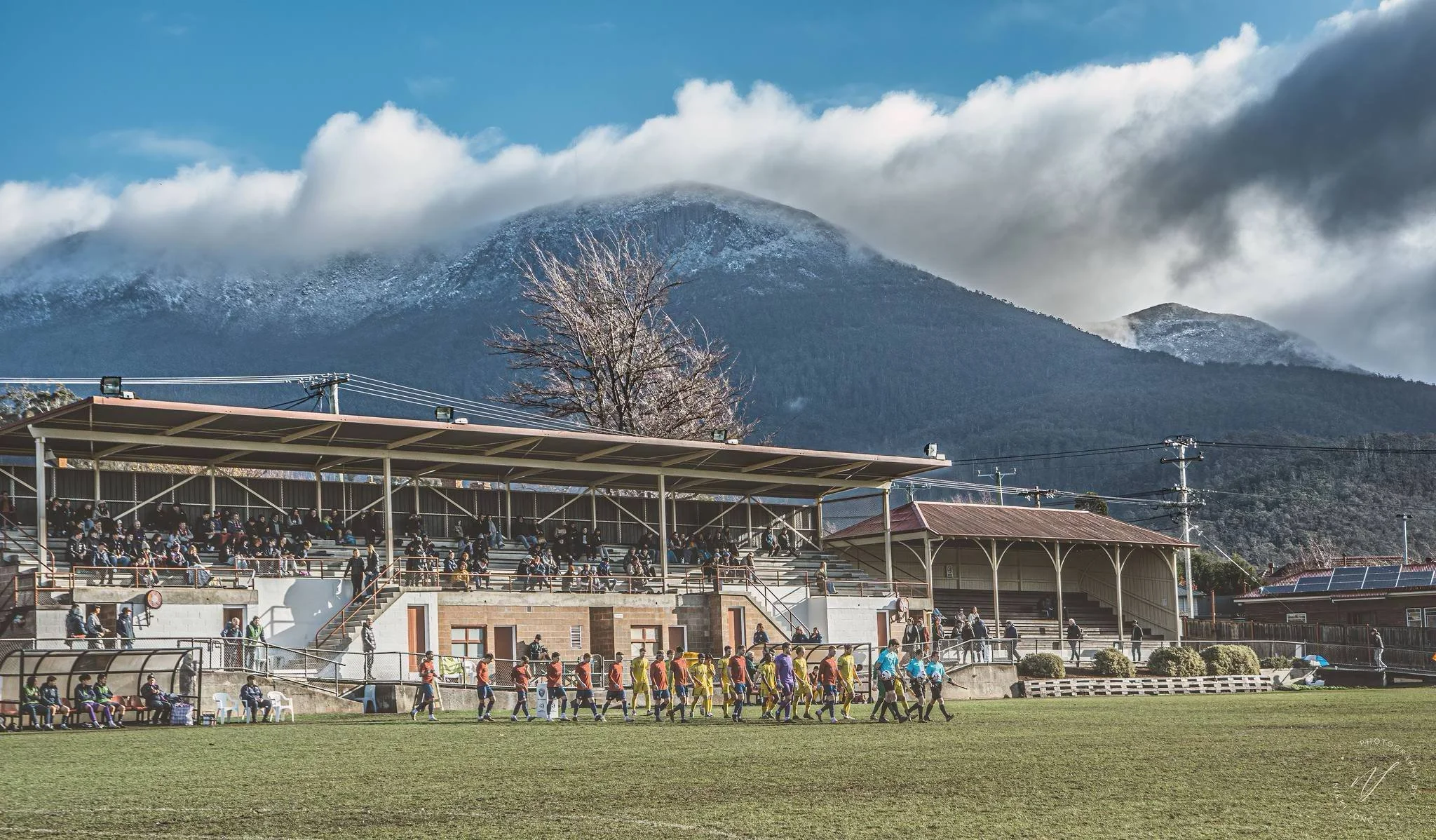
Photo credit: Nikki Long
A request to everyone who plays here
If your club has played at South Hobart Oval over the years, league matches, cup ties, youth games, women’s fixtures, pre-season friendlies, we would be grateful if you could take a few minutes to have your say in the City of Hobart consultation.
This is not about arguing with anyone. It is about helping Council understand how widely this ground is used for organised football.
A regional football ground
South Hobart Oval is the City of Hobart’s only regional-level rectangular football ground capable of hosting state and national matches.
Each season teams from across Tasmania come here to play. Youth players run out for their first competitive match. Senior players represent their clubs and communities. Referees officiate important games. Volunteers set up goals, run canteens, manage matches and pack everything away again.
Many of Tasmania’s growing girls’ and women’s competitions rely on South Hobart Oval for safe, well-prepared matches.
If you have played here, you know what the ground means.
Why your voice matters
Council hears many perspectives in consultations. That is fair.
But sometimes the quiet users of community sport, players, coaches, referees, parents, visiting clubs, do not realise their experience is important evidence too.
Visiting clubs trust that South Hobart Oval will be a safe playing surface for their players and referees. That duty of care matters to every club that travels here.
If your team has played at South Hobart Oval, please tell Council why safe, well-maintained football facilities matter to you.
Short, factual submissions are powerful.
If it helps, you might mention things like
• league or cup matches you played here
• youth teams who travelled to Hobart
• referees who officiated here
• why safe grounds matter to your club and players
• what a regional football facility means in Tasmania
Your own words are best.
Respect for all users
Dog owners are part of our community too. No one is questioning their right to exercise their pets or enjoy local parks.
The proposal before Council simply recognises that some facilities have specialised purposes. A regional football ground is one of them.
Council is proposing an alternative fenced off-lead area nearby.
How to have your say
City of Hobart consultation
Dog Management Policy
👉 https://yoursay.hobartcity.com.au/dog-management
Submissions close 18 March 2026. It takes five minutes.
If South Hobart Oval has hosted your team or players, please consider sharing your experience.
Your voice helps protect safe facilities for players across Tasmania, today and into the future.
Daniel Syson - Character, Perspective and Connection
Photo credit: Nikki Long
I wasn’t quite sure Daniel would want to be interviewed by me.
My son Max moved to Melbourne to coach at Northcote City FC and a few players Daniel had coached in 2025 at Launceston City FC moved with him. Daniel and Max had coached against each other last season, so I wondered if that might feel awkward.
Instead, Daniel was kind and professional and separated all of that from our conversation. He gave me a thoughtful and generous insight into his life in and out of football and it reminded me again of the generosity and spirit that still sit at the heart of our small, close-knit football community in Tasmania.
Here is Daniel Syson, in his own words. The coach, and Daniel.
Street football
When Daniel looks back at his early football years, what shaped him most was not organised sessions.
It was street football.
Finishing school and staying out every evening until it got dark. Playing with older friends. Learning quickly because you had to. Adapting because there was no other choice.
Those early moments were fundamental to who he is today.
Football was everything to him. It was who he was. It was never too much. It never lied to him. It was pure enjoyment and a place that always felt like home.
Whether it was playing on a rough triangle of grass surrounded by trees, using tree trunks as goalposts, training at Blackburn Academy, or representing his school, football gave him identity. It gave him belonging. It shaped his standards and his mindset.
Looking back, he says, he is where he is today because of that relationship with the game.
Football mirrors life.
Development through adversity.
Loyalty.
Low moments that force you to respond.
Moving to the next achievement without living in the past.
Lifelong relationships.
He still speaks to players he shared a pitch with more than twenty years ago.
Football gives you more than results. It gives you character, perspective, and connection. Those lessons stay with you long after the final whistle.
Growing up together
Winning the Lancashire Football Association Cup with his school team in Year 11 still stays with him.
They had played together nearly five years, growing up side by side. That trophy represented years of development, setbacks, hard work and shared belief.
He remembers not just winning, but seeing the joy on his teammates’ faces.
They had built towards that moment together.
That mattered more than the cup.
Devonport
Eight years as a player at Devonport Strikers shaped him in a different way.
There were ups and downs, highs and tough moments.
“An environment can be created by coaches,” he says, “but it must be embodied by players.”
During that time, no matter who the coach was, they were a group of young men who understood standards. With the core of the group aged 25 plus, they knew every session mattered. Sometimes training was tougher than Saturday matches.
You could see the health of the environment in a cage game. Competitive. Relentless. No one giving an inch.
Standards were set by peers. Challenged daily.
The culture was one of the best he experienced as a player. Bus journeys. Nights at the club. An us-against-the-rest mentality.
Devonport was well liked until they won the double in 2016. After that, opposition players did not like them much. That was normal. They had a squad built on that edge and they embraced it.
What stayed with him most was the support from teammates through difficult personal moments.
“I belonged to my teammates,” he says. “I will forever be thankful for the support they gave me.”
Responsibility
For Daniel, coaching was never simply the next step after playing.
It was responsibility.
From his first Under-10 team to being an NPL head coach today, he has always felt accountable for outcomes.
“Responsibility in coaching is not selective. It doesn’t switch on only when results are positive.”
When his team plays well, he asks if they prepared correctly. When they fall short, he asks if he prepared them tactically, physically and mentally in the best possible way.
He has lost sleep over minor details. Replayed sessions in his head. Reviewed games to see if a detail they emphasised came to life.
Not for ego. Not for recognition.
“Players deserve preparation. They deserve clarity. They deserve honesty. They deserve an environment that gives them the best chance to succeed.”
Once you choose to coach, he says, you are no longer just part of the game. You are accountable for shaping the experience of others within it.
He becomes the coach Monday to Sunday.
No one puts more pressure on him than he puts on himself.
Mentors
He has worked under several outstanding coaches in Tasmania.
Different personalities. Different methods. One common thread, a relentless winning mentality.
One coach influenced his analytical side, studying opposition build-up patterns, final-third penetration, transition moments, individual strengths. Everything calculated.
Another coach was exceptional on the training ground, demanding focus and pushing players through intensity and repetition, correcting types of runs and positional platforms.
A third coach taught defensive discipline, structure and resilience. He believes 2016 was Devonport’s most significant year not just because of success, but because of what it catalysed for the club.
He connects with an older generation mindset, standards, toughness and clarity, while also understanding the demands of modern NPL football and what today’s players require.
From another coach he struggled to connect with personally, he learned something powerful.
“I didn’t run for him. I ran for my club and my teammates.”
Respect must be mutual. Earned, not demanded.
Reputation travels quickly in football. The way you treat players matters. Respect and honesty toward your squad must match the respect and honesty you show your board and employers.
He still speaks to one mentor twice a week, Tuesday and Thursday.
Players can sense when someone is trying to be something they are not.
You must be yourself.
Training margins
Ask what matters most in training.
Quality.
A genuine desire to get better every session.
Improvement does not happen in dramatic moments. It happens in small details repeated consistently.
Body positioning.
Receiving on the furthest foot.
Angle of approach.
Playing to the back foot in a half space.
Football is decided in the margins.
A player receiving square instead of half-turned changes the next action. A pass to the wrong foot slows the tempo. An angle half a metre off removes the next option.
So he repeats himself. Because standards are built through repetition.
When quality becomes a habit, performance follows.
Standards
At Launceston City FC, non-negotiables are written in the changeroom.
Standards connect the group. Create accountability. Players enforce them peer to peer.
He hates accepting mediocre standards.
Nothing grows there. Nothing changes there.
Comfort is not where you want to be in a competitive environment.
Leadership and ego
He comes back to a saying.
“People may not remember what you said, but they’ll always remember how you made them feel.”
He has had moments where he had to check himself, not arrogance, but attachment to ideas, systems, being right.
Players can be your greatest teachers if you create a platform where they can speak, within clear standards and boundaries.
Some of his biggest growth moments came from listening more than instructing.
Leadership is not authority. It is influence, consistency, and how people feel in your environment.
Managing himself
He holds very high standards for himself and the environment. Sometimes he expects others to see things as quickly as he does.
Leadership is not everyone operating at his tempo. It is bringing people with you.
He cares deeply about players. Their growth. Their wellbeing. Their performance. When a player he coached leaves without conversation, it is hard not to take that personally.
Vulnerability matters too. Teams can feel like family, but with standards.
Leadership is intensity with control. High standards with emotional discipline.
Family
Coaching takes time, headspace and emotional energy.
“You cannot do it properly without sacrifice.”
“Football gives me purpose.”
He drives 800 to 1000 kilometres a week, calling family in the UK. They do not just listen. They challenge him. They remind him to find solutions rather than sit in frustration.
If he is not working on football, he is watching games or studying analysis.
At home, with his partner and their two dogs, he resets. Leadership is something he does, not everything he is.
Isolation
Coaching can be isolating.
When you win, you are praised. When you lose, you are questioned, often by people who have not seen the hours behind the scenes.
Analysis. Opposition preparation. Conversations with players and agents. Travelling for courses. Unpaid planning time.
Football invites opinion.
Where he finds perspective is in people who understand the process. They remind him he can only control effort, clarity and behaviour.
Sometimes, after doing everything you can, that must be enough.
Football Tasmania and the future
He is grateful to Football Tasmania for delivering C and B Licences locally.
But higher licences require interstate travel, flights, accommodation and time away from work. For part-time coaches, that is a significant barrier.
If A Licence and Pro Licence courses were delivered in Tasmania, coaching standards would rise.
Better coaches → better development → better players → stronger competition.
He believes the NPL Tasmania competition can be as competitive as other states outside budget differences. He has seen Tasmanian teams compete well nationally.
He believes in retaining local talent and creating pathways to national and OFC opportunities.
He is working toward becoming a full-time professional coach.
Through consistency. Through development. Through contribution.
The unseen weight
Supporters see ninety minutes.
They do not see three or four years of kilometres. Late dinners. Getting home at 10pm and still preparing team sheets. Reviewing analysis.
They do not see logistical frustrations like not training at a home ground, extra travel, small margins that add up across a season.
They do not see how responsibility follows you home.
When results go badly, he carries it for days, not because of ego, but because he cares.
The weight comes with caring.
And if you lead properly, you must be willing to carry it.
Tasmania
“I’m proud to be involved in football in Tasmania,” he says.
He believes in the quality of players here and what clubs have built. There will always be negatives in sport, but the more people build each other up through connection, collaboration and shared love of football, the higher the level will rise.
The coach and Daniel
Daniel Syson’s story runs from street football in England, through Blackburn Academy, bus trips in Devonport, long drives across Tasmania and nights replaying sessions in his head.
It is a story about belonging, responsibility, sacrifice, family and ambition.
The coach, and Daniel.
Still learning. Still preparing. Still trying to give players what football once gave him.
Character. Perspective. Connection.
The things football gives you, long after the final whistle.
The People Who Love the Game
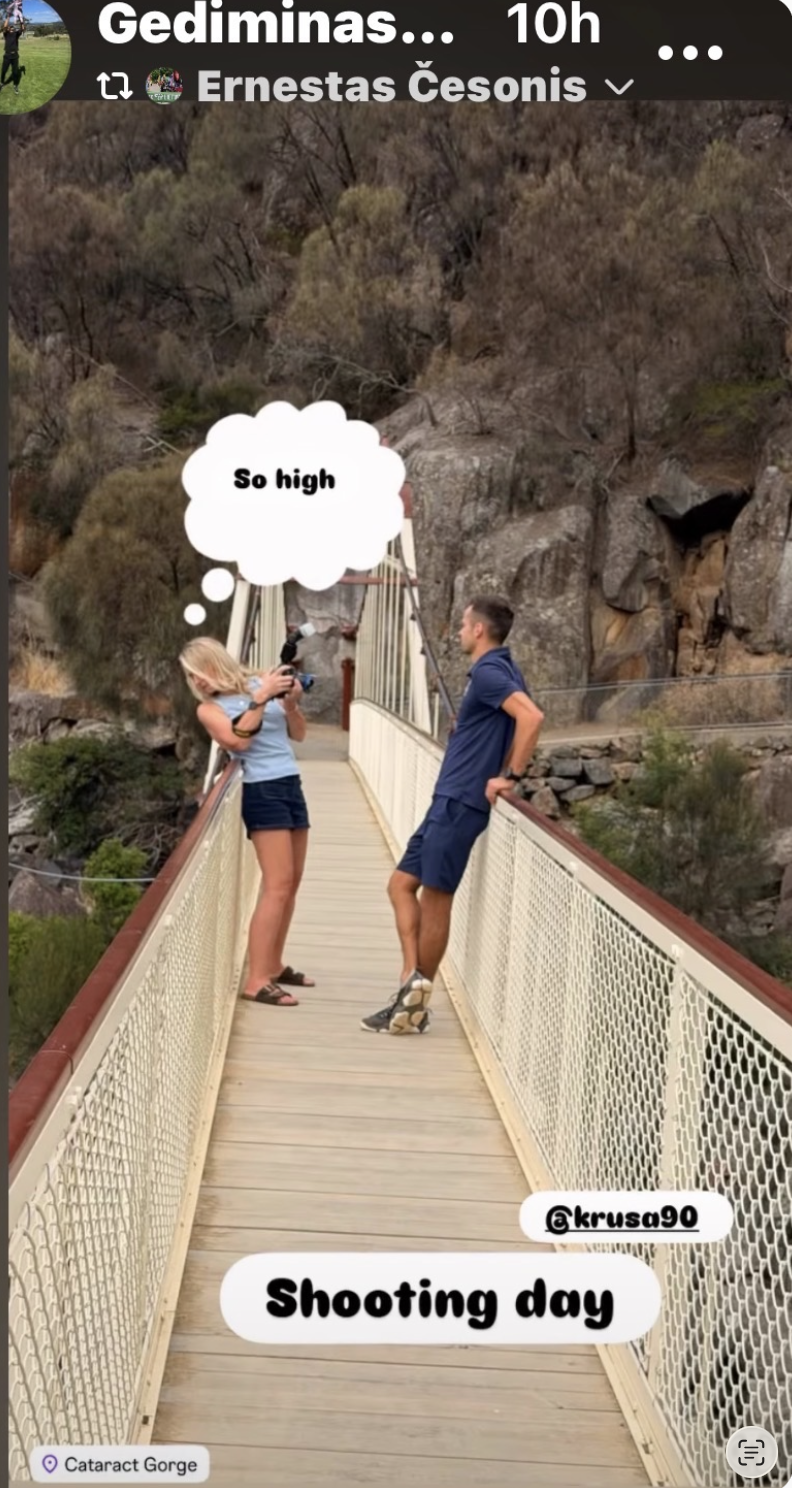
Behind the scenes of one of Nikki’s photo shoots :)
The People I Am Meeting
I have started interviewing people in Tasmanian football.
Writing their stories down.
Something has surprised me.
Almost no one has said no.
One person said, not at the moment, which I understand completely.
Everyone else has said yes.
They say it gently, almost embarrassed to be asked, as if someone has finally asked about them, not the ladder, not the fixtures, not the politics.
Just them.
What I am seeing
These are good people.
They care about kids they barely know.
They worry about their clubs.
They argue because they want things to be better.
They love the game.
In a quiet, stubborn way.
They are not chasing headlines.
They are not chasing titles.
They just keep showing up.
And without them there is no football here.
Nikki’s photos
Nikki’s photos make this real.
You can see pride. Fatigue. Kindness. Hope.
Not glamour. Not branding.
Just Tasmanian football, as it really is.
In 2022 I started this on Facebook with Nikki also taking the photos. We called it Football Faces Tasmania. (FFT) on purpose really but we just got too busy. Those interviews have been reposted on this blog.
Why this matters to me
After so many years in meetings as President of South Hobart FC, sitting in rooms where decisions are made, I know how easy it is for these people to be invisible.
Not invited.
Not consulted.
Not heard.
But they are the ones holding everything together.
This series is my way of saying, we see you.
And also of keeping a record, for our kids and theirs, of who carried Tasmanian football in these years.
What comes next
I have so many interviews coming.
From Ulverstone to Riverside, from Launceston to Kingborough, from big clubs to tiny ones, referees, presidents, media people, quiet committee workers whose names never appear anywhere.
People you know. People you should know.
If there is someone involved who cares deeply about football here, tell me.
I will ask them.
Because their story matters.
If I haven’t reached out yet, it is only because I still have a day job.
I will get to as many people as I can, because you, your club, your association and your story all matter.
I hope I do these shared stories justice. I am proud to tell them.