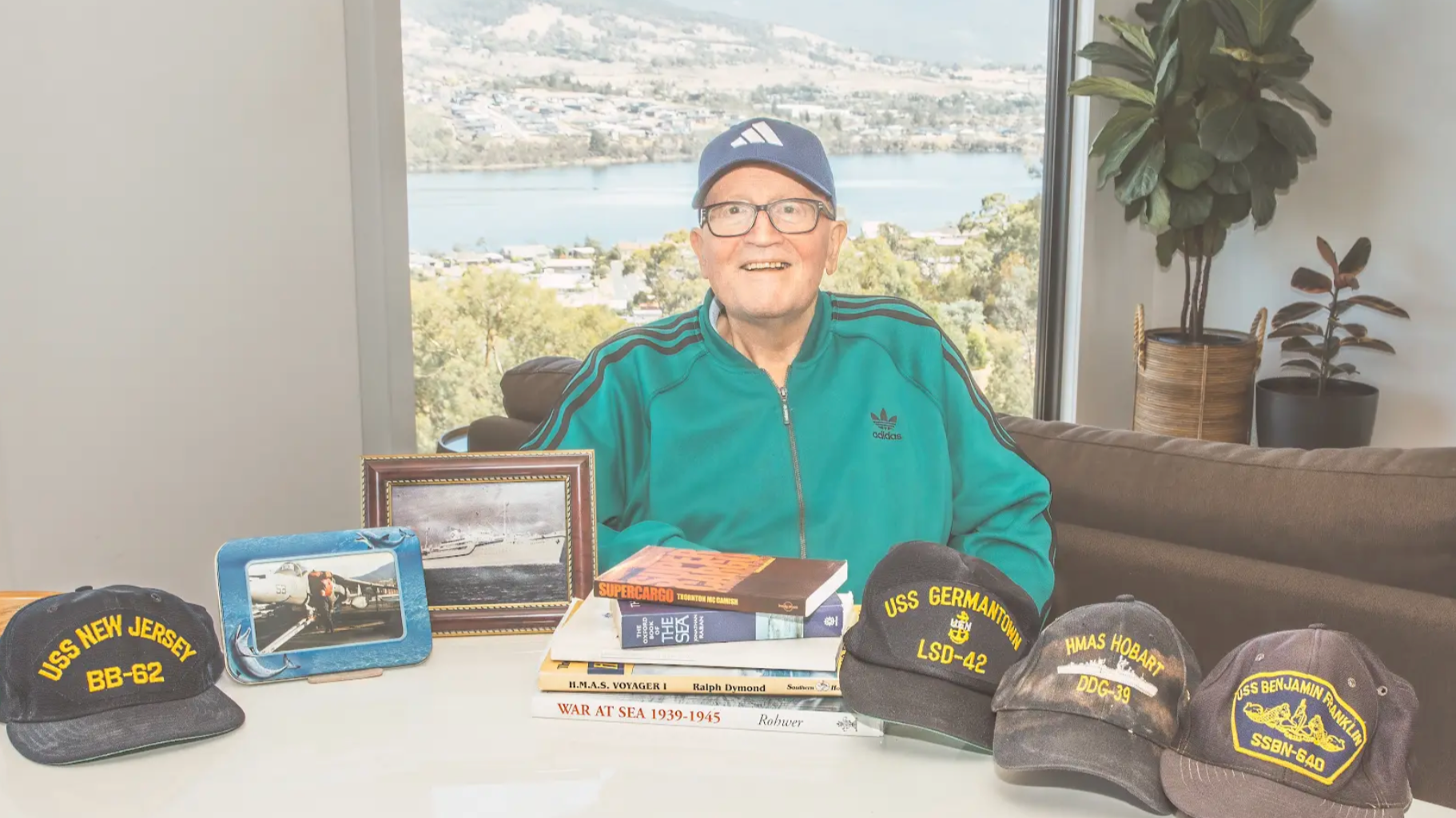
Walter Pless and the Memory of Football
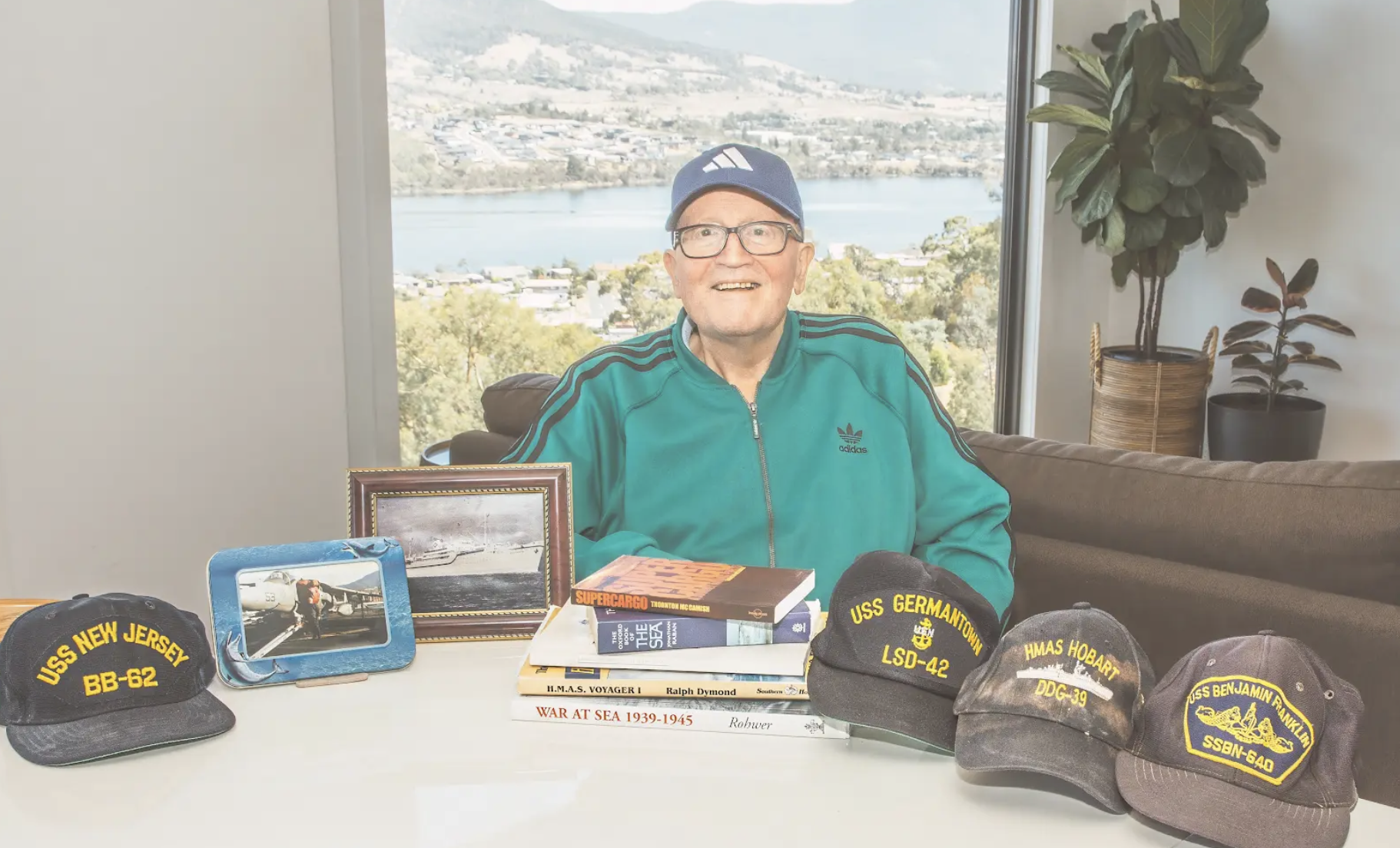
Photo taken with love by Nikki Long
A life spent watching, writing and loving football in Tasmania
Why this interview matters
When I asked Walter Pless if I could interview him, he seemed surprised. Almost embarrassed. As though he were not quite worthy of an interview.
That humility says everything.
Because anyone who has stood on Tasmanian touchlines for the last forty years knows what Walter has done. He recorded our game when few others did. He turned up week after week, in wind, cold mornings and long afternoons, driving from ground to ground so the story of football in this state would not be lost.
He never chased recognition. He just kept turning up.
Player. Coach. Teacher. Writer. Photographer. Volunteer historian.
Walter is known across Tasmania as “Mr Football”.
In 2022 he was inducted into the Football Australia Hall of Fame, one of only a handful of Tasmanians ever to receive that honour.
People like Walter rarely think of themselves as important. They just do the work.
This interview is a small attempt to say thank you and to record his story in his own words.
Childhood in Austria
Walter was born in Lambach, Austria, to Croatian refugee parents.
“I remember the snow in winter and having skis and a sled. We lived in a small village in Upper Austria and I remember travelling to famous cities like Salzburg with Dad, who was a truck driver.”
Football arrived early.
“My dad took me to local games in Austria when I was only three years old. The ground was beside the River Traun and the ball would often end up in the river and have to be fished out. That’s where my uncle broke my nose with a kick. Years later I had surgery on it in Australia but it didn’t really help.”
Soon after, his family migrated.
A new country. A new language. But the same game.
Finding football in Tasmania
Walter arrived in Australia aged five.
“I started school in Grade 1 a few days after we arrived. It was a traumatic experience for me because I didn’t speak a word of English.”
But football was waiting again.
“In Tasmania, my dad would take me with him to games at South Hobart. There were three First Division games every Saturday and that’s how I came to love the game. There were some very good teams and players and the old grandstand was packed.”
Football was family life.
“My father would always take me to games and all my uncles also attended matches. They were players for a while and eventually they also became referees and coaches.”
At school, football was not always available.
“I played Aussie Rules at primary school because there was no soccer team. I didn’t start playing football until second-year high school when we finally got a team.”
Small details that tell a bigger story about football in Tasmania then.
Family, teaching, and Izumi
Teaching became his profession, and he loved it.
“It was wonderful to be able to help kids to learn and you developed a sense of empathy for people. I also coached school football teams.”
Later, through a colleague teaching in Japan and a police exchange programme while Walter was working with Tasmania Police, he met Izumi.
“I was introduced to Izumi when I went to Japan and that’s how we met. We were married in Japan and in Australia.”
She supported his football life.
“Although she doesn’t follow football, she has always supported my love of the game. We used to attend J-League games in Japan and that was a wonderful experience.”
Family mattered deeply.
“My extended family are also precious to me. I have a son and daughter and five grandchildren. I’ve coached three of these grandkids and those three play football at NPL, Championship and Women’s Super League levels now. My two nephews also played football.”
Football ran through generations.
The other passions that shaped him
Walter was never only a football man.
He loved photography, especially ships and aircraft. He travelled on voyages aboard American warships and wrote accounts of those journeys that were published in newspapers and magazines.
He wrote fiction, with short stories published in Australia and the United Kingdom.
He wrote theoretical articles on junior football for education journals, trying to improve coaching and development.
These were the habits of a teacher and observer, and they shaped the depth of his football writing.
Playing days
Walter played for Croatia-Glenorchy, Caledonian, Metro, Rapid and University, spending most seasons with Rapid.
At seventeen he played in the United States for the University of Akron in Ohio and won a tri-state indoor tournament.
He describes himself honestly.
“I was a good reserve team player. My glasses held me back. As soon as a coach sees a player wearing glasses, subconsciously the seeds of doubt are sown.”
At fifteen he broke his leg playing for Southern Tasmania in Sydney and never regained full confidence.
But he remembers his strengths.
“I was always an accurate crosser of the ball, had a powerful shot and took excellent free kicks. The stars of the senior team would always let me take the free-kicks. I’m left-footed and left-footers are always special.”
One match stayed with him.
“I recall playing for Hobart Matric Under-18s against Metro at Cadbury’s and winning 7-0. I made four goals and scored a hat-trick. It was probably my best game ever. Our centre-forward, Tony Davies, was deadly in the air.”
Coaching
Coaching followed naturally.
“Natural progression from a player to a coach. I thought I’d make a better coach than a player and coaching appealed to me. I eventually wanted to write about the game so I needed some street cred.”
He earned the Full Badge of the Australian Soccer Federation, attending a nine-day national course run by Brian Green with Jimmy Shoulder, Ron Smith and Eric Worthington.
There were ideas he wanted to try.
He loved working with players.
“Seeing players improve and be the best that they could be. Seeing players achieve good results.”
Teaching shaped his coaching.
“Teachers often make the best coaches. They can break things down into manageable parts.”
Football gave him purpose.
“Challenges and satisfaction, as well as disappointment at times, but always something to aim for.”
Football also took time.
“I spent a lot of time with football and probably neglected other important things.”
Becoming the writer
Walter began writing about football in 1978.
“I always loved writing and I wanted to write about something I knew a little bit about.”
He became the football writer at The Mercury for 25 years and also wrote for national and international publications including Soccer Action, Australian Soccer Weekly and World Soccer.
“It was a lot of responsibility because you were the voice of the sport.”
He always felt he was fighting for football to be taken seriously.
“It was the world game yet non-football people here didn’t acknowledge that.”
One story he was proud of was interviewing Gary Lineker.
“He was scoring for England one week and the next week he was standing in the middle of the pitch at South Hobart.”
He wrote without fear or favour, sometimes drawing criticism, including after his criticism of Devonport withdrawing from the State League.
Even after retiring in 2009, he kept writing and photographing football through his website.
Volunteer devotion.
How the game has changed
Walter saw football run from kitchen tables.
“It was a serious venture and people invested a lot of time and effort. Administrators were all part-time and did the best they could.”
What improved most?
“The fitness of players and officials and the level of competition.”
What has not improved enough?
“The standard of facilities and media coverage.”
Administrators today?
“Just different. Technology has revolutionised administration.”
One mistake football keeps repeating?
“It doesn’t always take itself seriously enough.”
What worries him, and what gives him hope
“There is still a gap between juniors and senior football. The transition should be seamless.”
But his belief in the game remains.
“It’s the most popular game in the world and it has endless potential. It’s an immovable force and can’t be stopped, despite the obstacles that non-football people erect.”
His blog and football culture
Walter allows comments on his blog.
“As long as they make valid points and are respectful, they should be allowed. Supporters need a voice.”
Harsh comments sting, but debate is part of football.
“Surely debating issues is healthy.”
Matches he still carries
Locally, one match stands above the rest.
“Locally, Tasmania versus New South Wales at South Hobart, 4-5, in the early 1990s.”
Elsewhere he remembers:
“Victoria versus Santos, with Pelé. Eintracht Frankfurt versus Cruzeiro, with Tostão. And the Under-20 World Cup Final in 1981, West Germany 4-0 Qatar.”
People he wanted remembered
Walter named another writer.
“Gordon Burnett, the former soccer writer for The Mercury in the 1950s, 1960s and 1970s. He did a marvellous job.”
Writers remember the game so others can remember too.
Recognition and pride
Walter is proud of the full arc of his football life.
“That I have been a player and coach and then a writer on the game.”
He also represented Tasmania at the International Coaches’ Convention in Sydney in 1981.
In 2022 he was inducted into the Football Australia Hall of Fame.
“It was a humbling experience and one of which my family were very proud. My extended family all travelled to Melbourne for the induction.”
What he wants remembered
Tasmanian football has an illustrious history.
“It has had some great players.”
Walter hopes people will say he loved the game, promoted it and spoke honestly.
His message to the next generation:
“You are playing the greatest game on earth. Respect its traditions, acquaint yourself with its past, and take it positively into the future.”
Thank you, Walter
Tasmanian football owes Walter Pless more than we often realise.
For the countless Saturdays.
For the empty grandstands and the packed ones.
For the cold sidelines and the long drives home.
For the reports and photographs that kept our football alive.
He did it quietly, as a volunteer, because he believed the game deserved to be remembered.
The respect we have for him is endless.
And Tasmanian football is richer because Walter Pless cared enough to write it down.
Thank you, Walter. Truly.
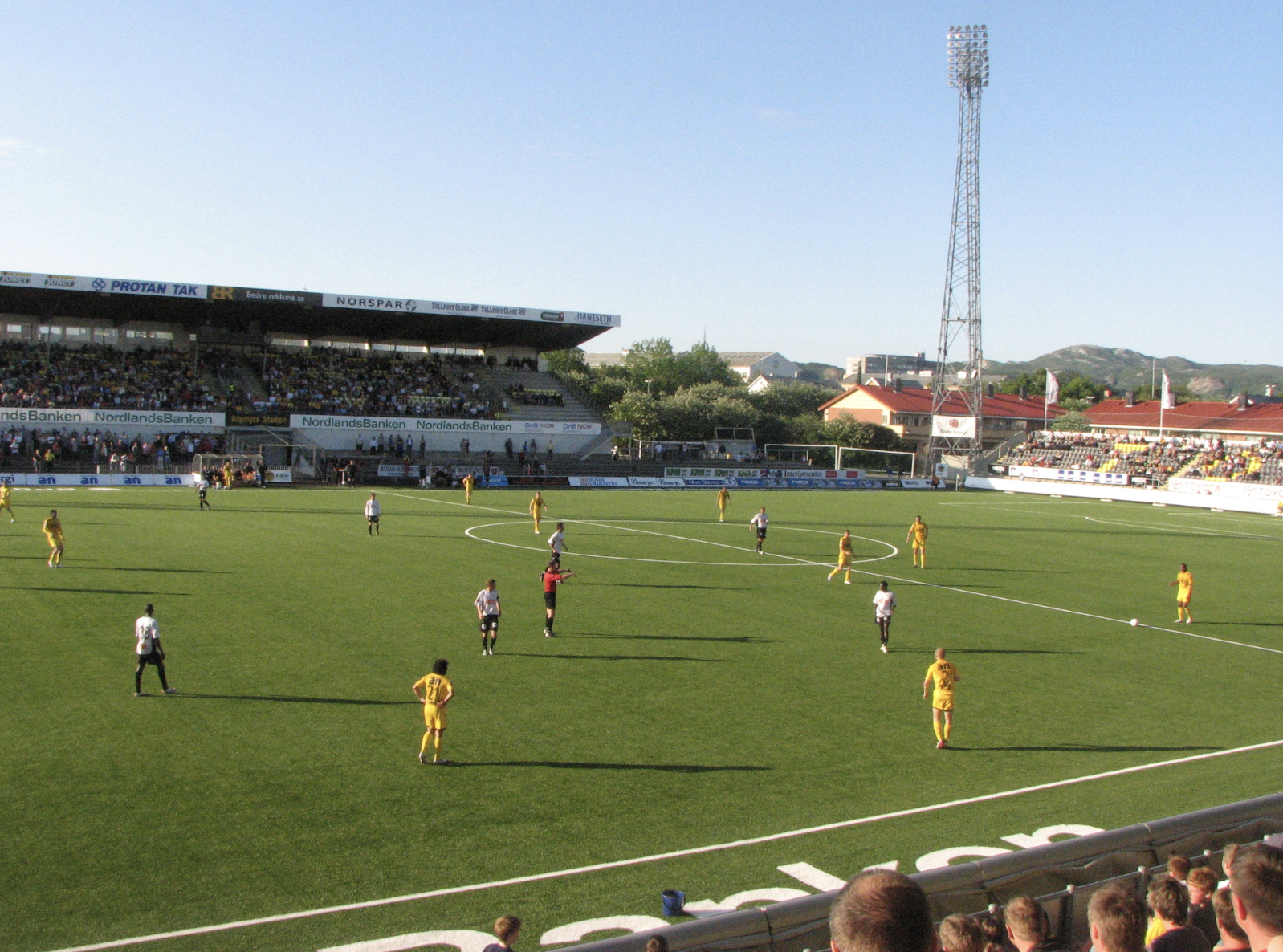
A Gleam in the Dark: What Bodø/Glimt Teaches Small Football Places
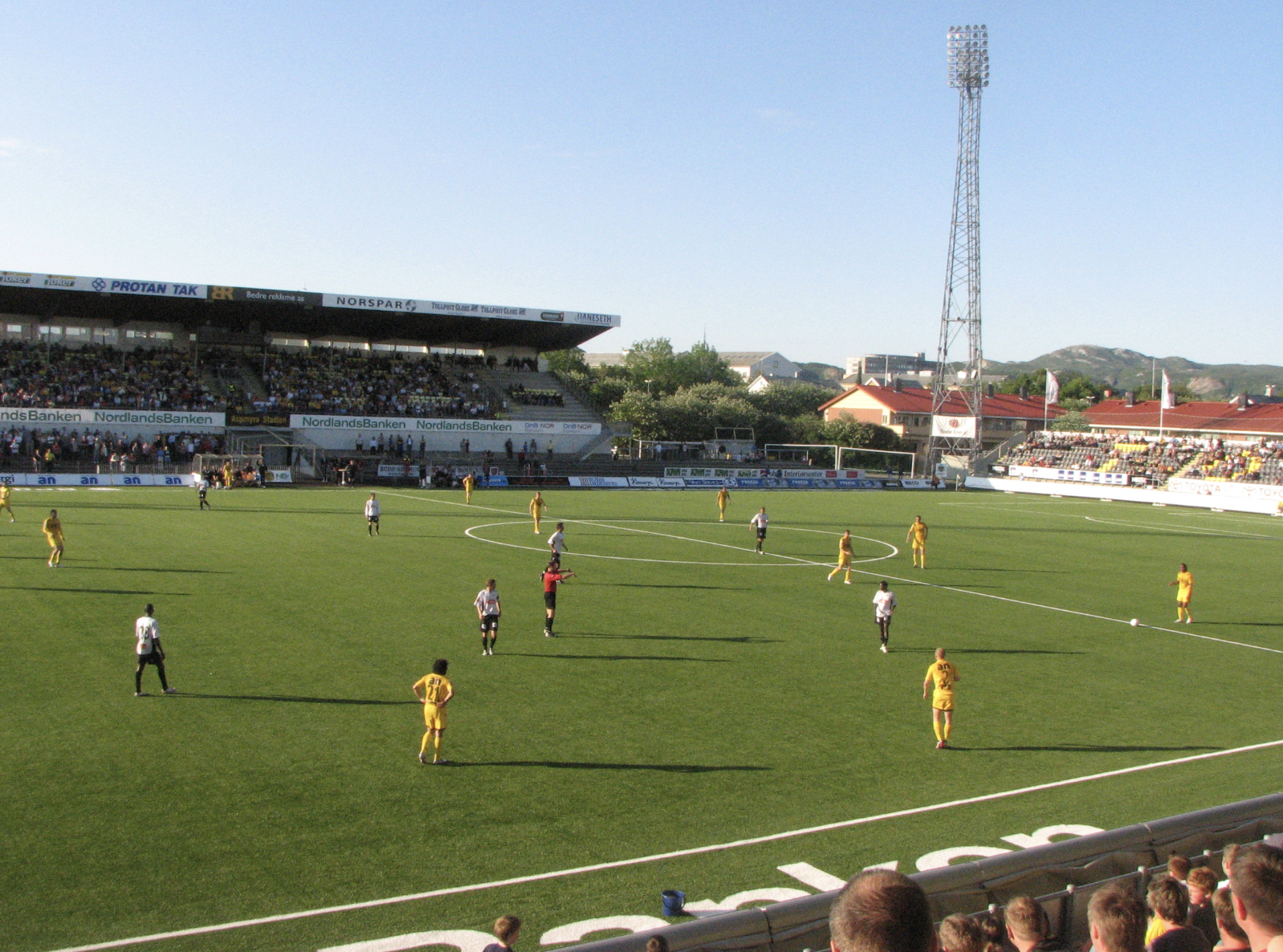
Aspmyra Stadium - Bodo
The Miracle of Bodø/Glimt
Who else has been marvelling at the minnow in the Champions League?
A tiny club from the Arctic Circle.
An 8,000-seat ground.
A town smaller than many Tasmanian suburbs.
And yet there they were, lining up against Europe’s giants.
People called it a miracle.
It wasn’t.
It was a plan.
The name tells the story
The club’s name is simple.
Bodø is the town. A fishing and air-force town north of the Arctic Circle. Wind off the sea. Dark winters. Midnight sun in summer.
Glimt means a gleam, a flash of light.
A small spark in a dark northern sky.
That is the poetry of the club before a ball is kicked.
A community team from a remote place that believed it could shine.
Identity matters in football.
Names remind clubs who they serve.
The basics
Founded in 1916.
First top-division title in 2020, after 104 years.
Titles again in 2021, 2023, 2024.
European football almost every season since.
Champions League group stage in 2025–26.
Town population about 43,000.
Stadium capacity about 8,270.
Turnover around €30 million.
Wage bill around €20 million.
Small by European standards.
Huge by small-town standards.
And still they beat clubs with ten times their money, clubs like Roma, Celtic, Olympiacos, Lazio, and strong runs against teams like Tottenham, proving this was not a lucky draw or one good night.
Ownership and governance
Bodø/Glimt is not owned by a billionaire.
It is a member-owned club, like most Norwegian clubs.
Community roots.
Elected board.
Professional staff.
In Norway, as in Germany, there is a strong tradition that members keep majority control of clubs. Often described as a “50+1” or 51% principle, it means outside investors can help, but they cannot take over the club’s identity or direction.
So clubs must grow sustainably.
No reckless spending.
No fantasy budgets.
They professionalised without losing their soul.
Clear roles.
Clear strategy.
Patience.
That balance, community control with professional standards, is one of the real secrets of their rise.
The turning point
They were relegated in 2016.
Most clubs panic.
They rebuilt.
New executive structure.
Clear football philosophy.
Long-term plan.
They asked a better question.
Not how do we survive this season.
What kind of club do we want to be in ten years.
That question changed everything.
The coach and the idea
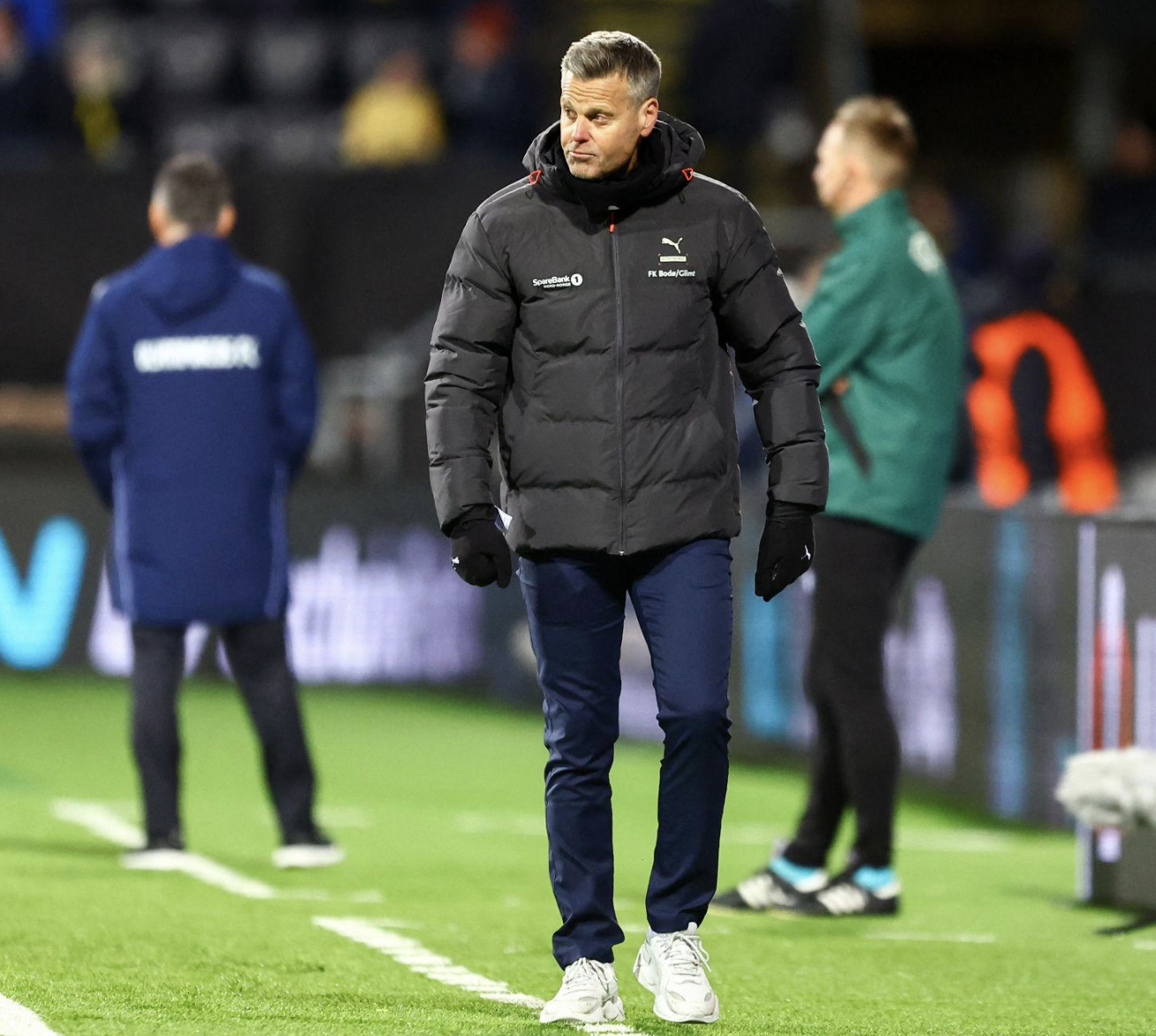
Manager - Kjetil Knutsen
In 2018, Kjetil Knutsen became manager.
Not famous.
Not expensive.
But perfectly aligned with the club’s philosophy.
High pressing.
Fast transitions.
Fitness and courage.
Collective movement.
Every age group learned the same ideas.
Consistency beats cleverness.
Mental strength
They hired a former fighter pilot as a mental coach.
Resilience.
Calm under pressure.
Belief.
Small clubs often lose before kickoff.
Bodø didn’t.
They expected to win.
Smart player trading
They did not buy stars.
They developed players.
Sold at the right time.
Reinvested carefully.
No boom and bust.
Just steady growth.
That is how a €30 million club competes with €300 million clubs.
Using geography
Aspmyra Stadion has artificial turf and undersoil heating.
Cold. Windy. Remote.
Travelling there is hard.
They leaned into their location instead of apologising for it.
Identity became advantage.
Real European results
This was not a fairy tale.
They beat serious clubs.
Roma 6–1.
Beat Celtic over two legs.
Beat Olympiacos.
Beat Lazio.
Europa League semi-final.
Champions League group stage.
Consistency, not luck.
What Tasmania can learn
Tasmania is not Bodø. But the comparison is useful.
A small island state of about 570,000 people, spread across towns and regions, playing football in cold winters and wet grounds, with long travel and limited money. Like northern Norway, football here is community-run, volunteer-heavy, and deeply local. We have clubs older than a century, strong junior numbers, passionate families, and grounds that carry generations of memory.
And to be clear, the Bodø lesson is not about inventing a new sterile franchise. Bodø/Glimt was a 100-year-old community club before it won anything. It grew from its own members, its own juniors, its own town. No relocation. No branding exercise. No imported identity. Just an existing club that aligned its governance, coaching, and long-term planning.
Tasmania already has clubs like that. Clubs with history, members, volunteers, and community trust. The lesson from Bodø is that one of those real clubs, rooted in its place, can grow patiently into something bigger without losing its soul.
Small places do not need new logos.
They need alignment.
The real lesson
Bodø/Glimt is not magic.
It is what happens when a community club becomes professional without losing its identity.
Stable leadership.
Clear philosophy.
Financial discipline.
Patient pathways.
Belief.
Small places can shine.
A gleam in the dark.
Continue Reading
→ Stop Telling Football to Be Grateful

When Running a Club Became a Second Job

Reading the North Again
I recently resubscribed to The Examiner and The Advocate.
Partly because I miss reading a real newspaper with my morning tea.
Mostly because it is one of the best ways to hear what is happening in football in the North and North West of our state.
So thank you to the journalists up there who keep writing about our game.
Local football stories do not write themselves. Someone has to turn up. Someone has to listen. Someone has to care enough to file the story. It matters more than you probably know.
On 29 November 2025, Ryan Bentley wrote an article in The Examiner titled Fees going up and rising volunteer burden has clubs wondering is it worth it?
I found myself nodding the whole way through.
Not because it was new.
Because it was familiar.
Voices From The North
Launceston City president Danny Linger said clubs are “getting past being just a community organisation, you're a business now.”
Riverside Olympic president Stuart McCarron spoke about the workload, saying applying for an NPL licence took him more than one hundred hours.
He also said clubs are trying to “run an elite program but at the same time run a community program and at times they're at odds.”
Those words will feel familiar to anyone who has sat on a football board in Tasmania.
Ninety Criteria
The article explained that there are ninety licensing criteria for NPL clubs, spread across sporting, infrastructure, personnel and administrative, legal, and financial areas.
Some are simple. An email address. A phone number.
Others are not.
Youth development programs that must run at least forty weeks a year for players aged fourteen and above. Safeguarding policies. Governance structures. Documentation.
This is real work. Done mostly by volunteers.
One president spoke about spending more than one hundred hours on licensing paperwork alone.
That is not unusual.
Running Two Clubs At Once
Clubs like Launceston City, Riverside Olympic, and Launceston United are dealing with more than five hundred players each.
Most are juniors.
As McCarron said, “less than a tenth of your players are involved in any elite program, the majority just prefer to play football.”
But every one of those players still needs a team, a coach, a uniform, a referee, a ground, and someone organising it all.
That web of work sits quietly behind every Saturday morning.
Often after someone’s real job.
North, South, North West – Different Models
One important difference across Tasmania rarely gets explained.
In the North and North West, most juniors play directly for clubs. That is why clubs there can have five hundred or more players registered.
In the South, junior football is powered by regional junior associations, and many children also play for their schools. Club junior numbers look smaller because players are spread across schools, association competitions, and club pathways.
It is a different structure, not less football.
Across the state, junior associations organise fixtures, support volunteers, develop referees, and carry the weekly workload that keeps football alive for children.
So when we talk about club size, volunteer burden, or licensing capacity, we need to remember these regional differences. Northern clubs carry junior numbers inside their club structure. Southern clubs rely more on association competitions feeding into clubs.
Both systems depend on volunteers.
Both systems are stretched.
Both systems power Tasmanian football.
Fees and Expectations
The article noted the 2025 NPL licence fee of $18,900, with another $10,500 for clubs with a women’s team.
Football Tasmania said these fees help cover travel and referee costs.
At the same time, the season is shortening as the league expands to ten teams and introduces relegation.
So clubs meet ninety criteria, organise hundreds of volunteers, raise sponsorship, and risk relegation at the end of it.
You can understand why some boards are quietly asking whether it is worth it.
The article reported that several clubs considered whether to leave the NPL after the 2025 season.
That should make all of us stop and think.
Volunteers Carrying The Weight
Danny Linger spoke about volunteers backing clubs out of their own pocket, serving on boards, running match days, and doing committee work.
He said it is “a second job for some people.”
Anyone who has sat on a Tasmanian football board knows that is true.
The sport runs on goodwill.
And goodwill is not infinite.
Clubs Becoming Businesses
Football Tasmania CEO Tony Pignata was quoted saying NPL and WSL level has gone past being community clubs and needs to be run like a business.
In one sense that is right.
We want proper safeguarding. Good coaching. Safe facilities. Financial transparency. Strong pathways.
But businesses have staff. Revenue streams. Office hours.
Most football clubs have volunteers and parents trying to keep everything afloat late at night after work.
That gap is where the strain lives.
The Quiet Fear
Northern Rangers faced the same decision years ago and stepped away from the NPL.
If more clubs do the same, replacing them will not be easy. There are only a few non-NPL clubs ready to step up.
Pathways disappear faster than they are built.
Communities lose teams. Juniors lose role models. Volunteers burn out.
Rebuilding takes decades.
This Is Not One Region’s Problem
Reading Danny Linger and Stuart McCarron speak so openly mattered to me.
It reminded me that these challenges are not about one club or one region.
Across Tasmania, presidents are having the same conversations about licensing hours, volunteer fatigue, sponsorship pressure, facility standards, and the gap between expectations and support.
Different structures in the North, South, and North West.
The same strain everywhere.
We all want strong competitions.
We also need sustainable clubs.
Thank You For Telling The Story
So again, thank you to the northern journalists who keep covering football, and thank you to the club presidents who speak honestly about the reality of running clubs.
These stories help the rest of us see the full picture of the game across our state. They honour the volunteers who carry far more than most people ever see.
Because clubs are not failing.
They are trying to carry more than they were ever designed to hold.
Continue Reading
If this piece resonated, you might like this earlier reflection.
When Football Outgrew the Volunteer Model
A look at how expectations grew faster than volunteer capacity in Tasmanian football.
Thank you for reading and caring about the game in our state.
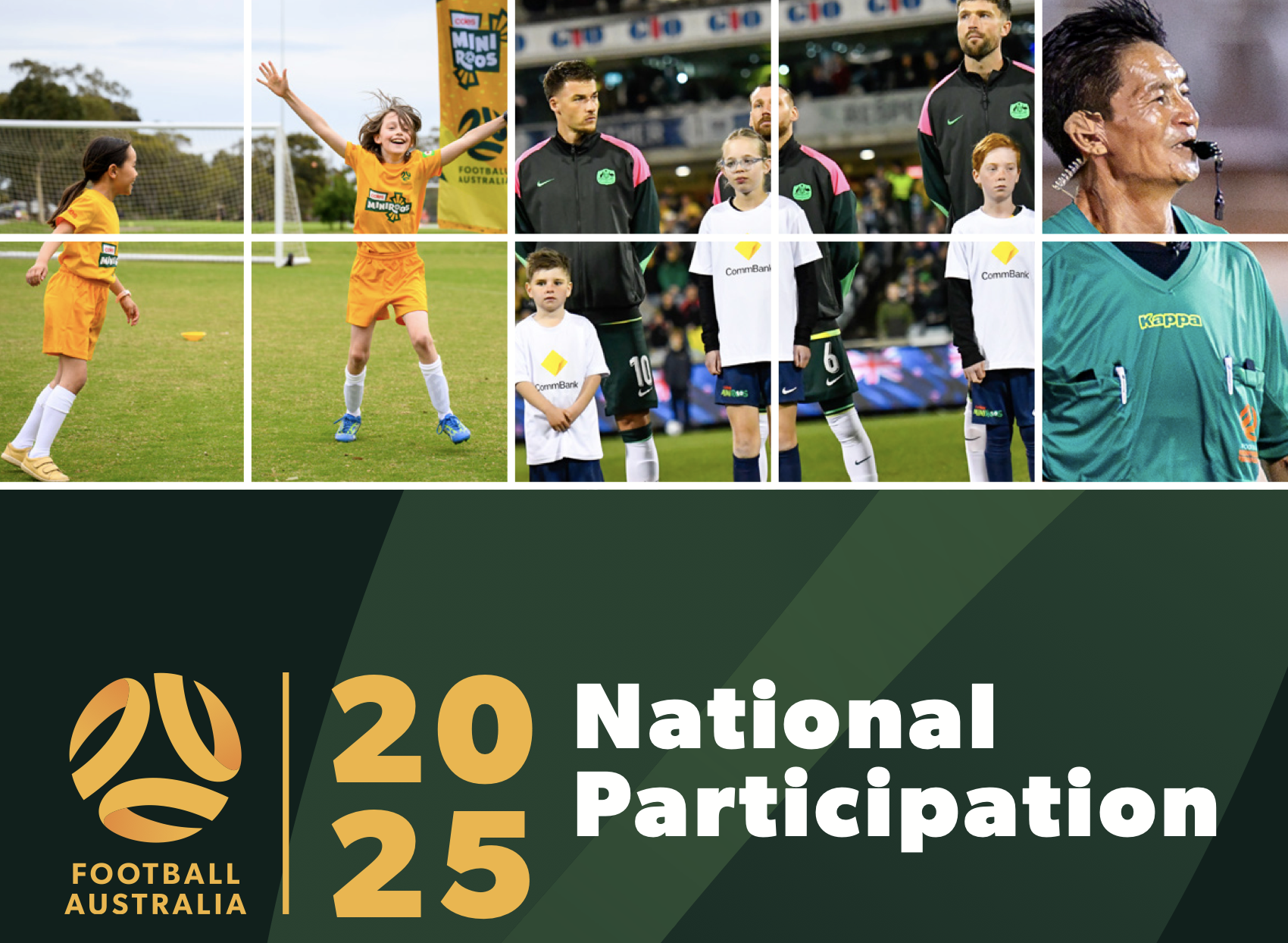
41,395 Tasmanians played football last year
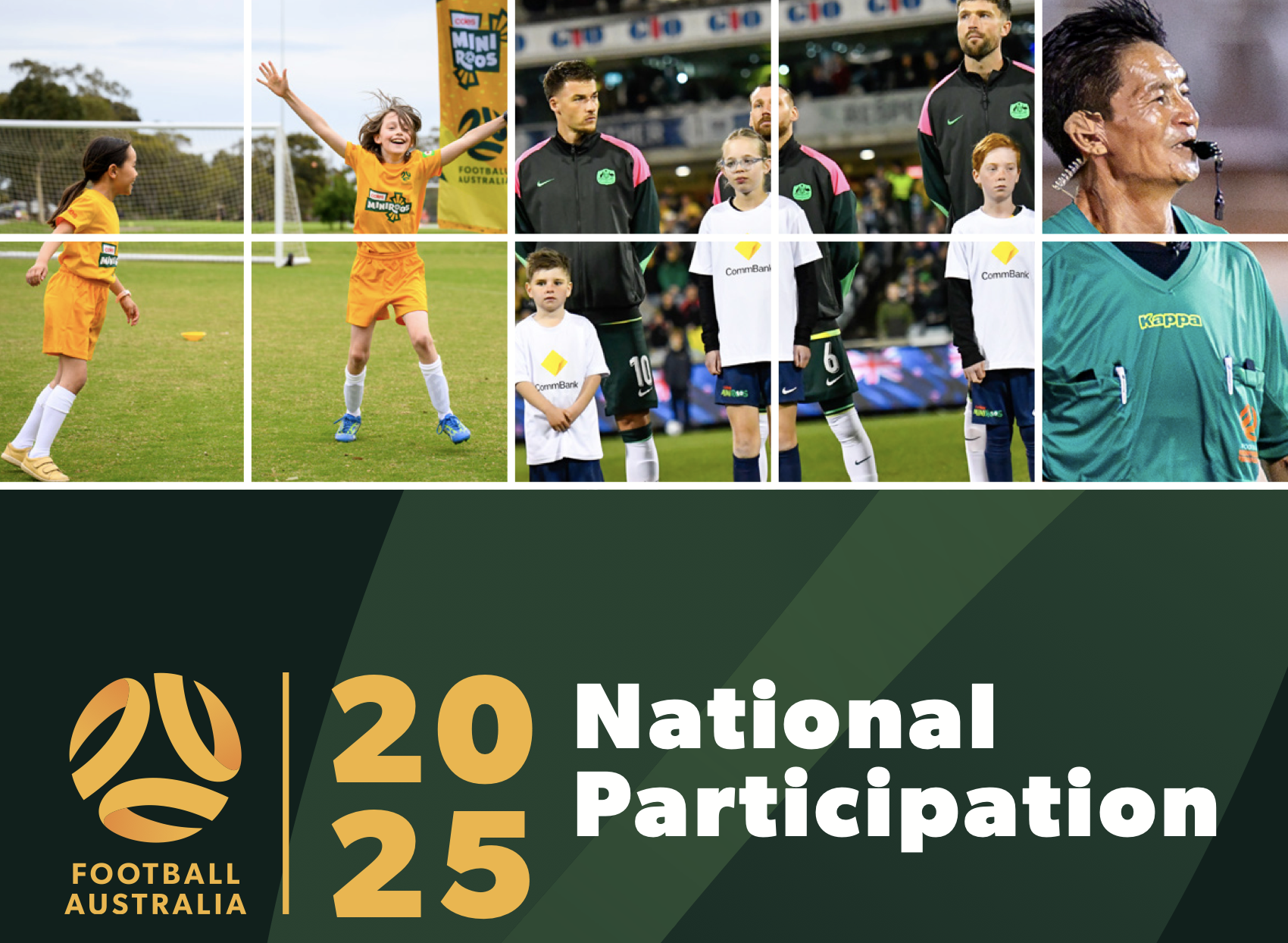
Football Australia’s 2025 Participation Report shows
41,395 Tasmanians played football last year.
Across 44 clubs.
Participation in Tasmania grew 32 percent.
These are official numbers.
They matter.
What the report actually says
In Tasmania in 2025
• 41,395 total participants
• 15,193 outdoor affiliated players
• 44 clubs
• 5,318 women and girls
• 1,810 registered coaches
• 261 referees
• 762 volunteers
The total number already includes schools, futsal, social football and community programs.
This is one of the largest community sport networks in the state.
It runs in every region.
It runs mostly on council grounds and volunteer labour.
Now look at the other number
Tasmania has committed about $1.1 billion to the Macquarie Point AFL stadium project.
Hundreds of millions in public funding.
For one elite competition.
This is not about AFL.
It is about priorities.
Do the maths
Tasmania has 44 football clubs.
If even $100 million were invested statewide in football facilities, that would be about $2.2 million per club.
Enough for lighting, drainage, changerooms and safe training space across the state.
Instead, clubs apply for grants of $20,000 or $50,000 and hope.
That is the scale of the gap.
The everyday reality
Every Tasmanian football person knows the winter message.
No spare pitch.
No lights.
No time available.
Training cancelled.
Matches moved.
Waiting lists growing.
This is not complaint.
It is capacity.
Women and girls are growing the game
More than 5,318 women and girls now play football in Tasmania.
That number will keep rising.
Growth needs infrastructure.
Separate changerooms.
Lighting for evening training.
Safe facilities.
Participation without facilities becomes exclusion.
Quietly.
The people who keep it going
Football in Tasmania relies on a small workforce and many volunteers.
1,810 coaches.
261 referees, who are paid modest match fees.
762 volunteers.
Thousands of hours every season organising teams, marking fields, running canteens, driving kids, writing grant applications.
This is community service.
It deserves community planning.
Prestige versus participation
Tasmania is choosing to spend more than a billion dollars on one stadium.
At the same time forty-one thousand footballers share space, share facilities and fundraise for basics.
This is not envy.
It is arithmetic.
Participation builds community health, inclusion and belonging.
Funding should recognise that.
The question Tasmania should ask
If forty-one thousand Tasmanians played cricket or AFL,
would they still be sharing changerooms and waiting lists?
Because footballers are not asking for a stadium.
They are asking for somewhere to train.
Somewhere to play.
Somewhere for their daughters to change safely.
That is not ambition.
That is dignity.
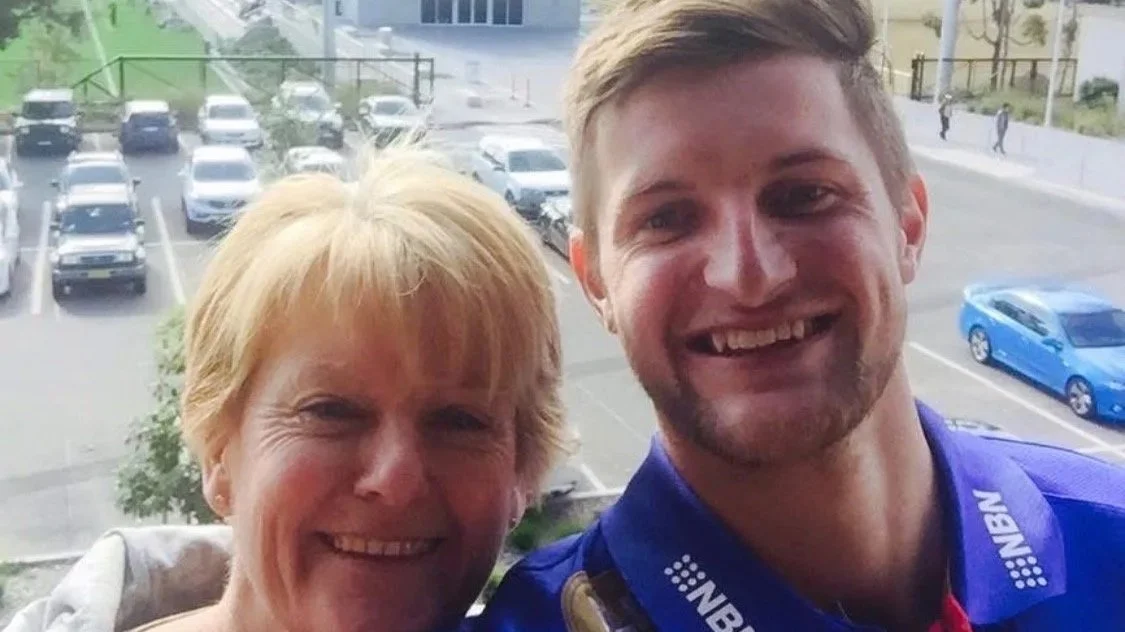
Just Andy
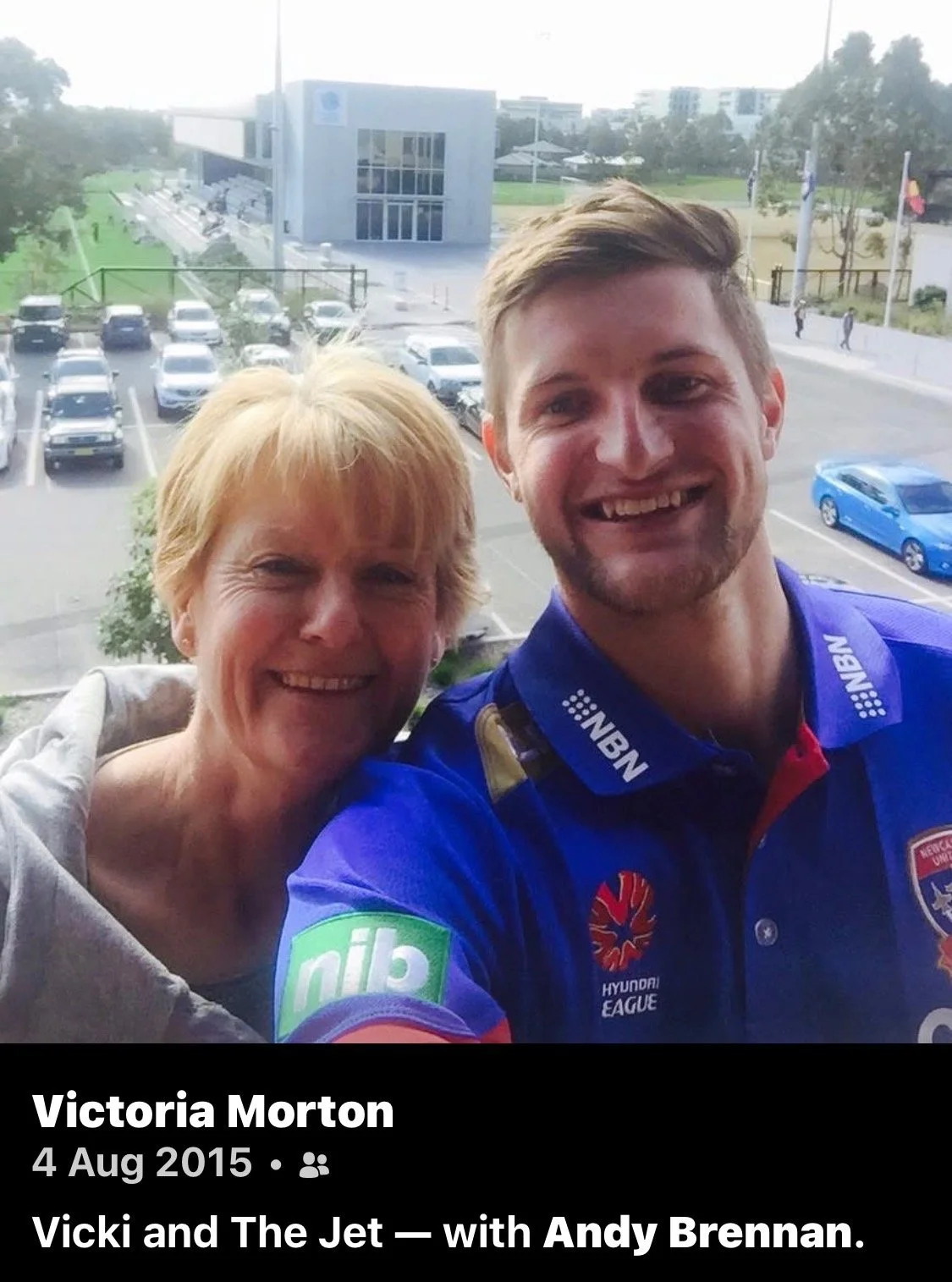
Just Andy
Andy Brennan has been part of our family for most of his life.
He and Ned met when they were four. Boots by the door. Sleep-overs. Backyard games until dark. He was Ned’s best man. He is like a fourth son to me.
He comes from a big sporting family. Every Brennan could play something well. Andy too, football, hockey, anything with a ball. But what we remember most is his gentleness. His kindness. The way he never made a fuss.
Ken coached him for years. Andy was part of the South Hobart family for many years. Many of our juniors remember him running drills, laughing, helping younger players. He grew up inside our football life. Training nights. Away trips. Kitchen table conversations.
Andy is studying a Doctor of Psychology, combining sports and exercise psychology with clinical psychology. He has finished the sports and exercise side, is nearly done with the clinical work and still has his research thesis to go.
To us he was never a headline. He was the kid who hated spicy food and got nosebleeds on our pillow during sleep-overs.
Just Andy. That is how we still see him.
When Andy rang to tell us he was gay, it was not a shock. It was not a problem.
The shock was that he wanted to go public.
We were proud of him. But we were frightened too. Because football crowds can be cruel. And we love him. We were afraid the game we loved might be cruel to one of our own.
Andy chose courage anyway.
This is his story, in his own words.
Growing Up in Sport
Sport was part of being a Brennan, but not as rivalry. It was shared.
They went to each other’s games. Their parents were always there.
One memory stayed with him. He was rowing in a quad. He hated the early mornings and wanted to quit mid-season. His mum told him he had made a commitment to three other boys. If he quit, they would suffer too.
So he stayed.
He did not like it, but he knew it was right. That lesson about commitment has never left him.
Andy was also a strong hockey player. Midfield in hockey. Attacker in football.
Hockey was quick. You had to anticipate play. That stayed with him. In hockey he felt it was his duty to create for others. Setting someone up gave him more satisfaction than scoring himself. That mindset followed him into football.
Football became his focus around fifteen. Not because he stopped loving hockey. He knew how much it meant to his mum. That was hard.
But football felt right.
Football Culture and Finding Himself
Senior football was intense.
Long trips home from up north. Drinking on the bus. Post-game nights out. A culture that assumed everyone would fit in.
Andy often felt like an observer.
There were good people, he says, but some things were toxic. There was little space to be different.
He remembers one early session with Daniel Brown chasing him in a possession drill after Andy had gone past him. Not malicious. Just the norm.
Ken told him to keep getting on the ball. Keep expressing himself.
Football became his identity in that period. Ken’s protection gave him space to be himself and in a way, held him together, for the time being, at least.
Looking back, Andy says he was authentic in football, but it was authenticity with a secret.
He hid a vulnerability. When it felt exposed, he edited himself. Doing that for long enough changes you. It makes it harder to see the parts of yourself that feel unacceptable.
When he later shared that vulnerable side, others often shared theirs too.
Before Coming Out
The years before coming out were, in his words, really terrible.
He describes intense cognitive dissonance. Minimising who he was to ease internal discomfort. Lingering shame. Anxiety.
He thinks that struggle showed up in his football. In his form. Even in his injuries.
At Newcastle and in other intense environments, football was not going well. His identity felt under threat. There was no outlet.
He says, “I’ve never really described how lonely and tough it was.”
It felt like a pot of boiling water with the lid on.
Eventually he reached acceptance. Determination. The lid lifted.
The water still boiled, but it was different.
Relief came.
He feared people would not accept him. That relationships he loved would change.
Instead, when he told those close to him, it was relief. Curiosity. Support.
He kept telling himself one thing.
This is the greatest sift. If they don’t like it, why would I share my life with them.
Football mattered less than honesty.
People close to him were worried. His dad. Me. Others who loved him. Not rejection, just fear for what might happen.
Once he had accepted himself, he needed to finish the process.
Hearing It and Dealing With It
Andy still experiences periodic homophobia.
In games. In life.
Most of the time it does not keep him awake. But there are moments.
He remembers a game at Preston. He was tired. Drained. People in the crowd yelled things throughout the match.
What hurt most was looking around and wondering why no one else said it wasn’t okay. Then the attention turns to him. What do you want to do. How do we handle it. What is the way forward.
Sometimes you just want someone else to step in and fight for you.
First comes shock.
He processes what was said. Who said it. Was it malicious.
Online comments rarely bother him, though it can shock him to see questionable things from people he knows.
Sideline abuse is harder because you are meant to keep playing. There have been moments where he has stood in the middle of the pitch and thought, fuck this, completely drained and wanting to go home.
Most of the time he keeps going.
Sometimes the hardest moments are when someone close says something careless without meaning harm.
Support matters most. Talking. Being with people. Knowing he is not alone.
Sometimes he uses abuse as motivation. Give me the ball. Create something. Make them look and say wow.
But he does not believe in simply blocking things out. With enough heat, things bubble up. For him it is about recognising what happened and choosing what to do next.
Fold in. Or keep playing.
He says that choice is real. Sometimes getting that ball and showing them takes a lot of energy.
Those ideas come from his experience and from the sports psychology work he is doing now.
Family, Friends, and Perspective
Some of his teammates are among his best friends.
Humour helps. It brings people closer and makes difficult topics easier. Sometimes people get carried away, he says, but he can manage that.
Perspective matters most.
Andy says rigidity of belief leads to distress. We all live inside our own experiences. Change comes through empathy and shared stories. If we can create environments where people are less certain about others, he thinks we are succeeding.
When the Brennan family gathers, life is normal. They tease each other. Get on with things.
When he debuted for Newcastle, his whole family was there. Their love never wavered.
When asked if growing up in a big sporting family gave him resilience, he laughed and said maybe I would know better than him.
Those childhood friendships mattered too. Being around people who do not judge you makes a difference when you are questioning yourself.
It always did.
What He Wants Football to Learn
Andy does not think football fully understands what openly LGBTQ players face.
But he does not expect people to understand what they have not lived.
Empathy grows through stories.
To young players he says be patient. Coming out is a process. Read stories. Find people you trust.
He sees coming out as an accelerated version of something most people face across a lifetime. Facing fear. Accepting yourself. Choosing authenticity.
It can be a profound gift. Surviving that fear changes your relationship with fear forever.
That is the thinking he is exploring in his PhD work now.
What He Would Tell His Younger Self
You will be okay.
You are safe.
Things will work out just fine.
Andy Brennan will always be part of our family.
He will always be the boy at our kitchen table, the kid who hated spicy food, the young player Ken backed when others tried to kick him, the friend who stood beside Ned on his wedding day.
He has always been happier setting others up than scoring himself.
He is also a brave man who chose honesty in a sport that is still learning.
Here in Tasmania, where football is small and built on families and volunteers, his courage matters. It tells young players in Hobart, Launceston, Devonport, Ulverstone, everywhere, that they can belong too. That our game must be safe for all of us.
To us he is just Andy.
And we love him very much.

Different Doors, Same Room

Face covered. What is being said?
What happened, 101
During a UEFA Champions League play-off match between Real Madrid and Benfica 18 February 2026, Real Madrid forward Vinícius Júnior alleged that Benfica player Gianluca Prestianni directed a racist slur at him after he scored.
Vinícius reported the incident to the referee.
The referee stopped the match for around ten minutes while UEFA’s anti-racism protocol was activated.
Prestianni denied making any racist remark.
UEFA opened an investigation.
After the match, Benfica coach José Mourinho said he did not know who was telling the truth and tried to take a neutral stance, suggesting the situation may have been sparked by Vinícius’ celebration.
That is the basic sequence.
No rumours.
No spin.
Just what happened.
Neutrality is not neutral
When something ugly happens in football, everyone looks to procedure.
Did the referee stop the match.
Did UEFA follow the protocol.
Will there be an investigation.
But the real test is not the protocol.
It is what leaders say afterwards.
Because racism in football rarely arrives shouting.
It arrives dressed in careful language.
Let us stay neutral.
Let us hear both sides.
Let us wait.
Those words sound reasonable.
They are not neutral.
They shift attention away from racism and onto behaviour.
Reputation before reality
Managers protect clubs.
Associations protect competitions.
Institutions protect their image.
So they talk about history.
Tradition.
Values.
We are not racist because of who we are.
But football’s history does not protect players in the present.
Reputation is not reality.
And reputation is often defended more fiercely than people.
The protocol worked. The culture didn’t.
UEFA has anti-racism steps.
Matches can stop.
Announcements can be made.
Investigations can begin.
Football can tick every box.
Yet Vinícius keeps reporting abuse, season after season, stadium after stadium.
That tells us something uncomfortable.
Football loves campaigns.
It struggles with consequences.
Structures exist.
Culture resists.
This is what Andy Brennan had to contend with
I am about to publish an interview with Andy Brennan.
Andy is intelligent, articulate, thoughtful, a professional footballer who also carries a university degree and a life beyond football.
He is also a man who came out publicly as gay in men’s professional football.
And suddenly the game he loved changed around him.
Not always with slurs.
Not always with headlines.
Sometimes with silence.
Sometimes with jokes.
Sometimes with careful neutrality.
Andy spoke about hearing comments from the sideline and online.
The constant awareness.
The calculation about how to react.
The need to keep performing while carrying something heavy.
That is the same culture Vinícius is facing, just through a different door.
One player hears monkey chants.
Another hears whispers about masculinity.
Different prejudice.
Same mechanism.
Football says it is inclusive. Players know better.
Football launches campaigns.
Respect.
Say No to Racism.
Rainbow Laces.
But players still carry the burden.
Vinícius has to keep playing while crowds abuse him.
Andy had to keep playing while wondering who might see him differently.
The protocol can stop a match for ten minutes.
It cannot change dressing room jokes.
It cannot change online abuse.
It cannot change leaders who choose neutrality over clarity.
What young players are watching
Young players are always watching.
They watch how adults respond when someone is targeted.
Do leaders speak clearly.
Do teammates stand beside someone.
Do clubs act, or wait.
These moments tell young players what football really is.
Not the slogans.
The culture.
Racism is not an incident
Football treats racism as a moment.
It is not.
It is a culture.
Crowd behaviour.
Media framing.
Leadership language.
Fear of consequences.
The same patterns appear with racism, homophobia, sexism, bullying.
Silence.
Deflection.
Neutrality.
Closing
The referee did his job.
UEFA will investigate.
But football’s real test is still ahead.
Will leaders speak clearly.
Or will they stay neutral.
Because neutrality, in moments like this, is never neutral at all.
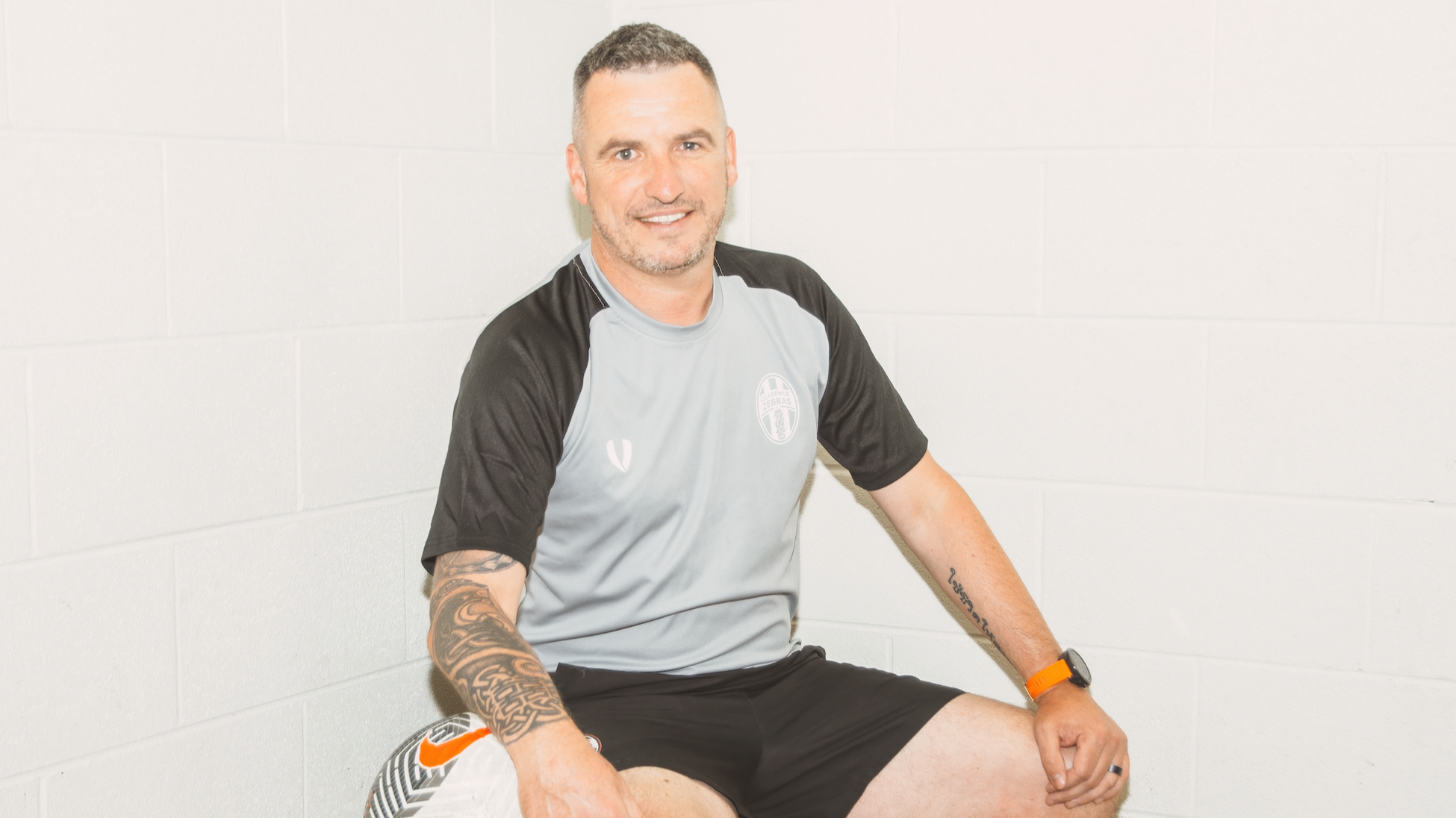
Brian Murphy: finding clarity, grounding and belonging in Tasmanian football
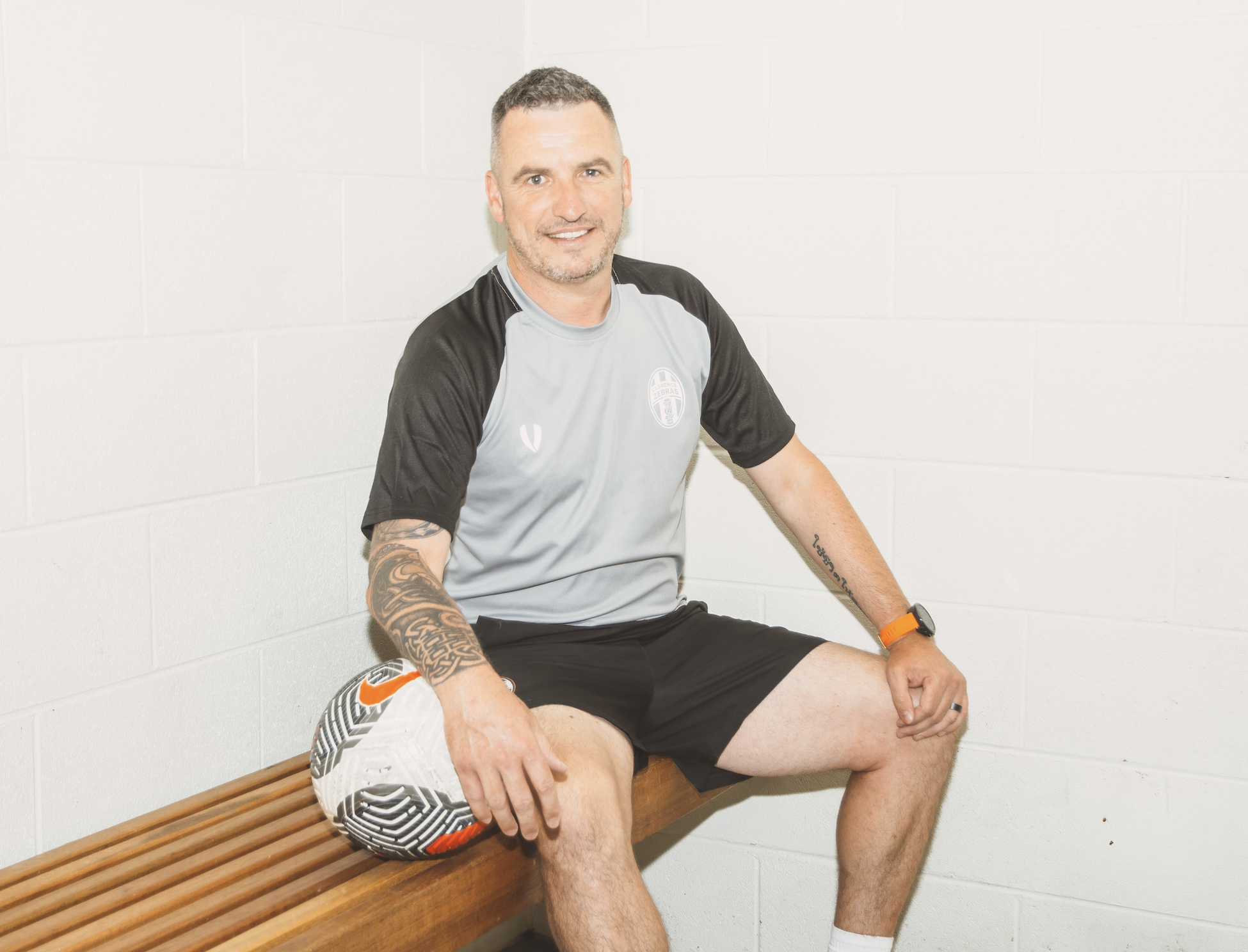
Brian Murphy photographed by Nikki Long
There are moments in football where it’s worth pausing and listening rather than rushing to the next result.
Brian Murphy wrote back after the questions to say he had really enjoyed the process. He said Tasmania is a small football community and stories spread quickly, so he appreciated the chance to share his thoughts directly. That alone tells you something about how he approaches the job.
Not with spin, but with a preference for clarity.
Brian arrived in Tasmania carrying a lot at once. A new league. A new state. A young family settling into a new life. A season at Glenorchy Knights that had not unfolded the way he expected. Ongoing postgraduate study. And, quietly, a decision about whether Tasmania was somewhere he wanted to stay and contribute long-term.
It felt worth stopping for.
Where football first took hold
Football first grabbed Brian during Italia ’90, when Ireland played in their first World Cup. That tournament sparked his love for the game, encouraged by his father and his late Uncle Eamon.
He went on to play at a strong level across Ireland, the UK, Australia, New Zealand and Asia, lining up for clubs including Shamrock Rovers, St Patrick’s Athletic, Kilkenny City, Monaghan United, Kildare County, Port Vale, DPMM FC in Brunei, Springvale White Eagle in Victoria and Eastern Suburbs in New Zealand.
At 32, a ruptured Achilles tendon ended his playing career. That setback became the turning point that pushed him into coaching.
The influences that stayed
When Brian talks about influence, he doesn’t reach for famous names.
Roger Wilkinson in New Zealand had a huge impact early, giving him belief and helping him see the game in its simplest form.
But New Zealand itself changed him more deeply. Ireland shaped his resilience and fight. Aotearoa grounded him in ideas of connection and belonging. Through conversations with high-performance psychologist Dom Vettise, those ideas became part of how he leads.
“Dom probably has had the biggest influence on me,” Brian says simply.
“I am just an Irish/Kiwi who is following his dreams.”
Seeing Tasmania from the outside
Brian arrived in Tasmania without strong expectations. What surprised him most was not the football itself, but how Tasmanian football is perceived from outside the state.
He feels the league is often looked down on, despite the potential he sees. He believes Football Australia should be investing more in Tasmania, not just at state level but across grassroots and pathways.
His young family fell in love with life here, and that mattered. He also believes the state is overdue an A-League team. The culture and talent base exist. What’s missing, in his view, is backing and vision.
Visibility matters as well. He credits the work of people like Matt Rhodes, Walter Pless and Tanner Coad for helping keep the league visible, noting that without that coverage the competition would receive far less recognition.
Lessons from Knights
Brian describes his season at Glenorchy Knights as a major learning experience.
“I was probably a little naive going into the role,” he says.
It taught him the importance of clarity, structure and alignment. Expectations need to be written down. Support needs to be real. A head coach needs authority and framework to lead.
“Being let go gave me space to reassess,” he says.
That reassessment helped him understand the Tasmanian landscape properly and think about what mattered most to him and his family.
Why Clarence felt right
When Clarence Zebras emerged as an option, it felt right early. The club made it clear they wanted him and they welcomed his family.
For Brian, a club must feel like a family. A place where honest disagreement is possible, where trust exists and where forgiveness is real.
After speaking with four clubs, Clarence stood out. Shared values, trust and responsibility to lead properly mattered more than short-term opportunity.
Building from the inside out
When Brian officially started in November, his first priority was understanding the club.
He immersed himself in Clarence’s history, learned who was involved and why, and tried to understand the motivations of players, staff, volunteers and board members. Honesty about the past came first. Structure followed.
Clear standards. Defined roles. Recruitment focused on people who fit the culture and believe in the project.
When he recruits, his first question is simple. “Are they a good person?”
“If they’re not, no matter how talented they are, they won’t play for me.”
“There is no room for egos in the dressing room.”
Values before philosophy
Brian is wary of big coaching language. “The word philosophy gets thrown around too much,” he says.
What matters are values.
“I want their love for the game to grow, not fade.”
“It’s rarely the money, trophies or medals that stay with you most — it’s the people.”
Consistency, character, attitude, work ethic and courage are non-negotiable. Those standards come from upbringing and experience and they shape the people he wants beside him when things are hard.
Overrated, underrated, and the part people avoid
Brian thinks coaching sometimes spends too much energy on tactics and worrying about opponents.
“Focus on what you can control. Execute your plan.”
He adds a line that will make some people nod and others argue. “Football is about 80% motivation and 20% technical skill.”
He sees football more simply. “Football is movement, creating space, exploiting space, connecting between the lines.”
Commitment matters. He points to a recent friendly cancelled because a team could not field players. Off-field responsibility, he says, matters as much as skill on the pitch.
Learning beyond courses
Brian’s postgraduate study confirmed much of what he already believed, but refined it.
It deepened his understanding of psychological development, environment and leadership. It also showed him that learning does not only happen through federation courses.
Exposure to practitioners who had worked in Premier League and international environments gave him a different depth of perspective.
Supporting coaches properly
When Brian speaks about support at state level, he talks about connection.
“There is a huge amount of knowledge in this state. It’s an untapped resource,” he says.
He would like to see regular forums where coaches share ideas, mentor younger coaches and work collectively to improve football in Tasmania. Improve the coaching environment, he believes, and the whole game improves.
Coaching in a small football world
Tasmania’s size took adjustment. As an outsider, Brian noticed resistance to change and the speed with which stories travel. Trust takes time.
At Clarence, he says he has found his people, his village. The club’s sense of community has made it easier to lead and build culture grounded in trust and shared vision.
Clarence now and next
Brian believes Clarence needs a clear pathway from juniors through to seniors.
With Nick Taylor leading juniors, Dave Smith overseeing youth and Brian guiding seniors, the aim is a consistent club-wide identity that reduces reliance on external recruitment.
He is also clear that progress must include the women’s program. Being the club of choice on the Eastern Shore means providing pathways for players of all ages and genders.
The board has been open to that vision. But as Brian reminds us, “Rome wasn’t built in a day.”
Staying with the work
What stays with me after this conversation is not a tactical blueprint or a promise about results. It’s Brian’s insistence on clarity, alignment and belonging and the sense that he has learned as much from what didn’t work as from what did.
In a small football ecosystem like Tasmania, where stories travel fast and structures are often assumed rather than examined, that kind of reflection matters. Clarence’s journey under Brian won’t be defined only by wins and losses, but by whether the club continues to build something coherent, humane and sustainable.
That work takes time. It takes trust. And it takes people willing to stay, listen and keep going when the easy option would be to move on.
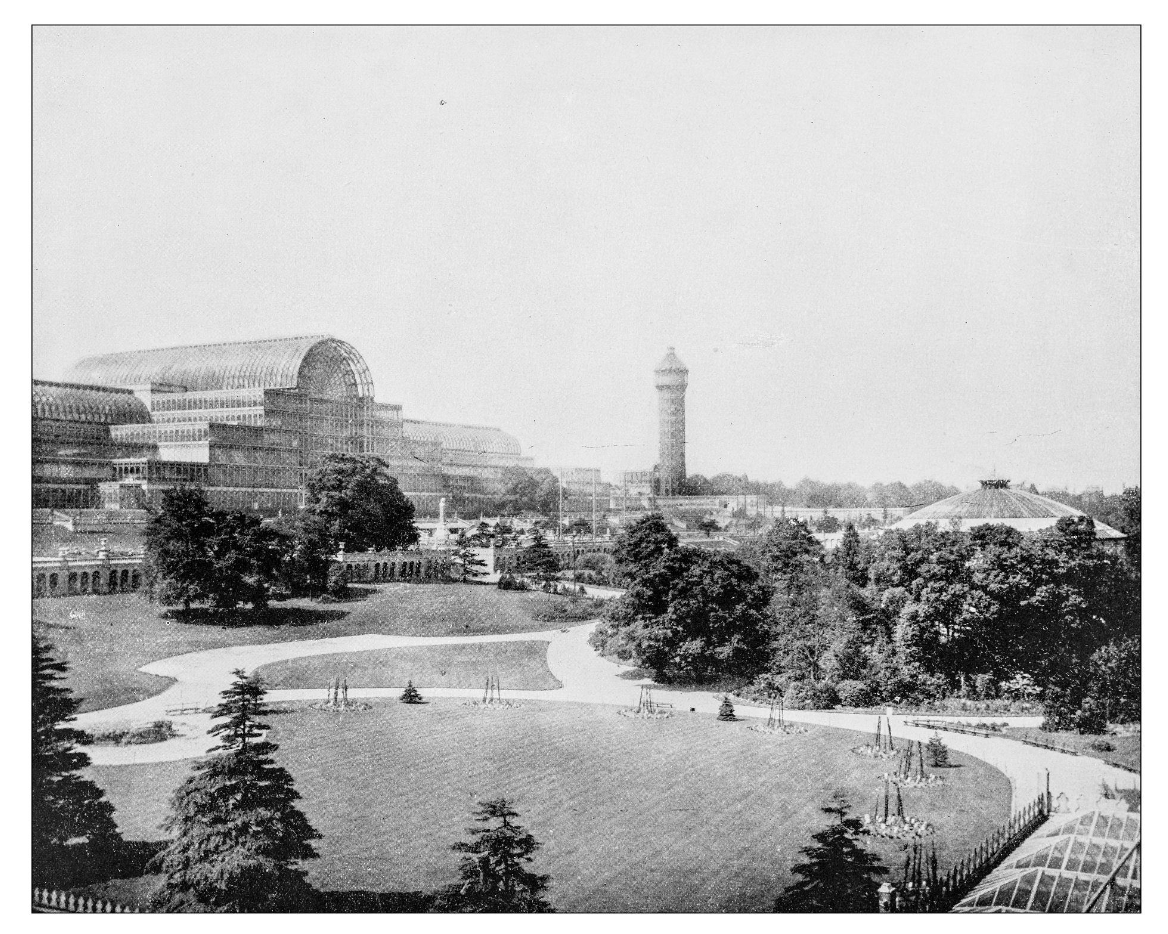
Football Is Memory: Where English Premier League Club Names Came From
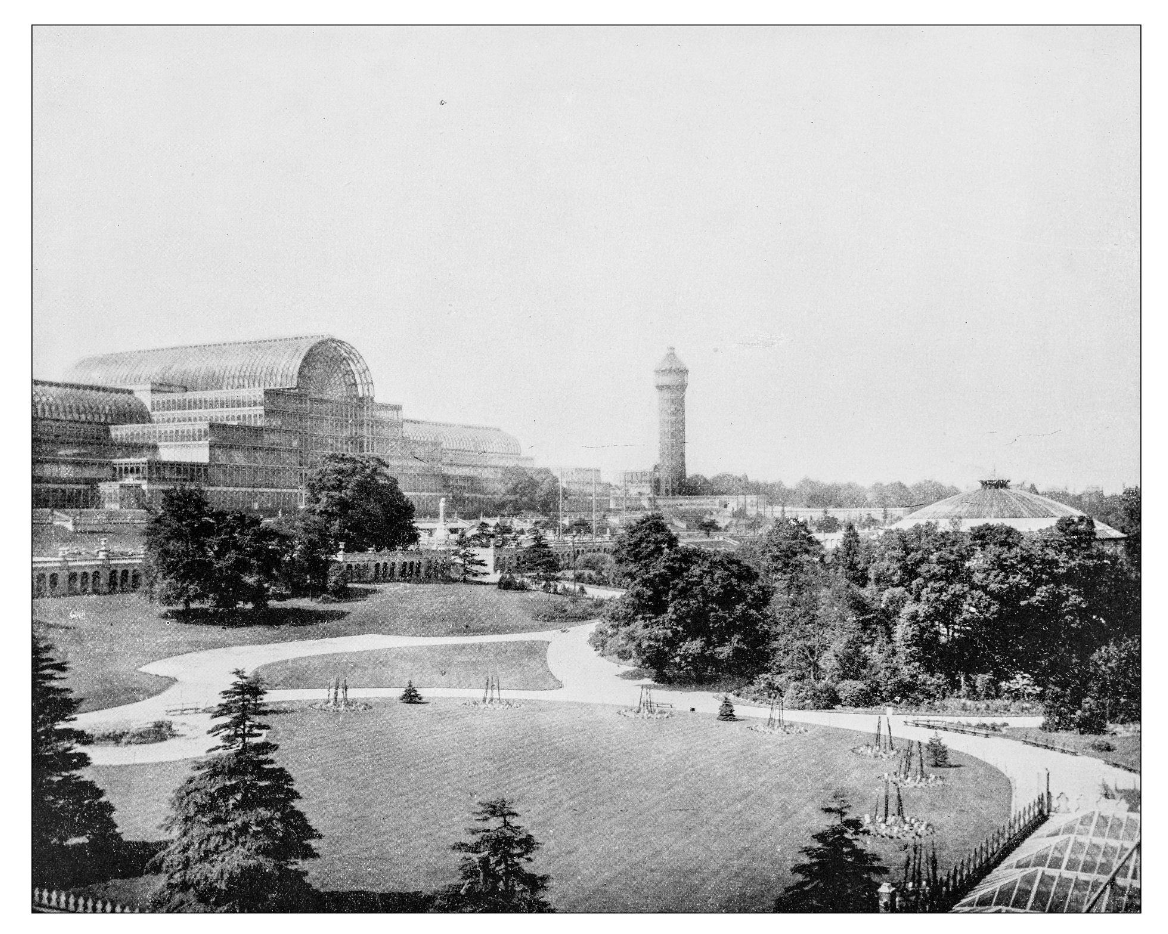
Antique photograph of the Crystal Palace at Sydenham(London,England)-19th century
Where Did Premier League Club Names Come From?
In Tasmania, you can walk into any café on a Monday morning and hear people arguing about Liverpool or Arsenal.
Children wear Manchester City shirts to school. Parents stay up at 3.45am to watch Tottenham away games. We follow these clubs like they live down the road.
But most of us have no idea where the names came from.
They sound permanent.
They sound inevitable.
They were chosen by teachers, shipbuilders, railway workers, church groups and factory staff who wanted a winter game.
That is the part of football we forget.
And if you scroll to the bottom, there is a simple Football 101 appendix with all 20 current Premier League clubs and where their names came from. Once you know the stories, you hear those names differently.
Football Started With Ordinary People
Most English clubs were not born glamorous.
They were born ordinary.
Workers at a munitions factory formed Arsenal.
Shipbuilders at Thames Ironworks formed West Ham.
Railway workers created Newton Heath, later Manchester United.
Teachers started Sunderland.
Church congregations started Everton and Fulham.
These were winter activities. Community exercise. Social glue.
Not brands. Not franchises. Not broadcast products.
Just people who wanted a game.
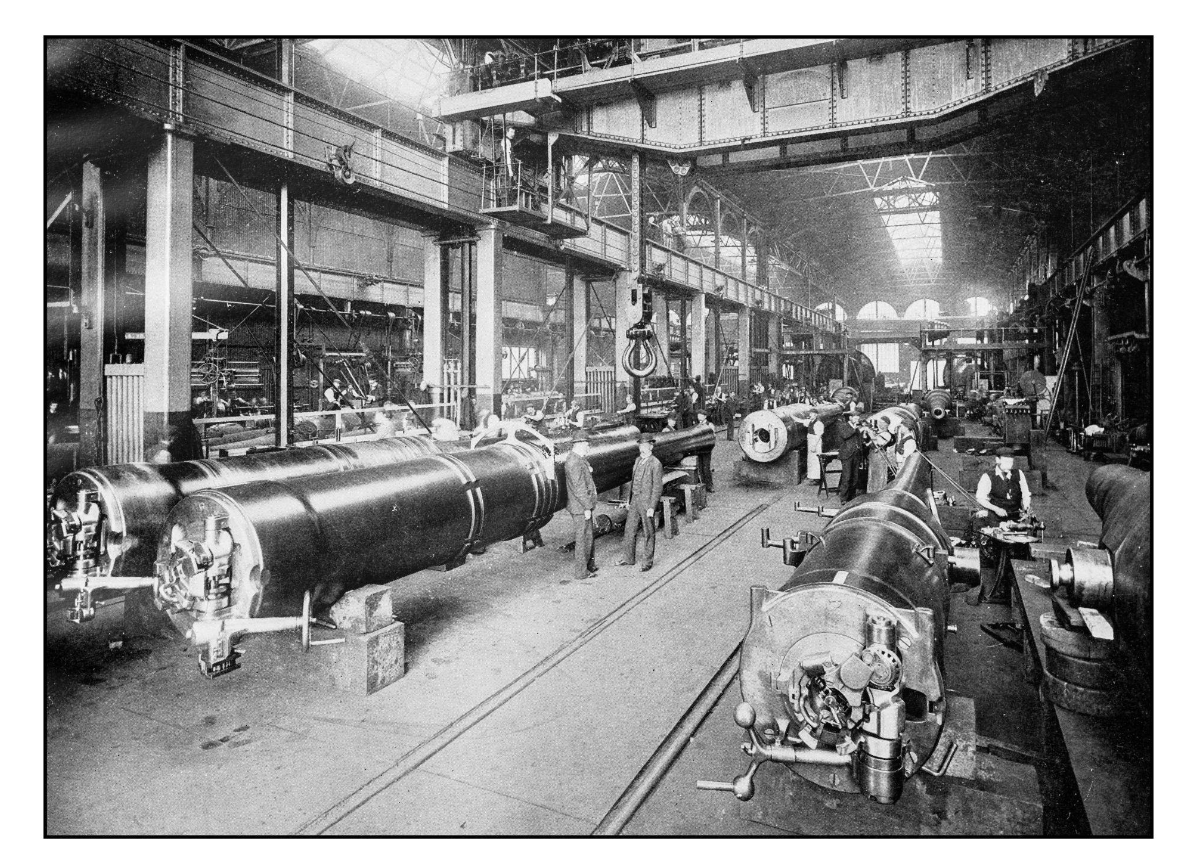
Antique London's photographs: Royal gun factory, Woolwich Arsenal
Towns That Wanted To Be Seen
Other clubs were simply about place.
Brighton & Hove Albion. Nottingham Forest. Newcastle United. Aston Villa.
Names that said, we are here.
Sometimes a merger created the name. Newcastle United, two rival sides becoming one.
Sometimes it marked geography. Aston Villa, named after a house near a chapel.
Sometimes it was civic pride.
We understand that in Tasmania. Clubs carry suburbs, migrant histories, schoolyards, and council grounds in their names. That is why people fight so hard when someone suggests changing one.
Because you are not changing a logo.
You are rewriting memory.
Accidents That Became Identity
Some names happened by mistake.
Brentford’s nickname came from students shouting “Buck up Bs” and a journalist mishearing it.
Chelsea was chosen because Fulham already existed nearby.
Tottenham Hotspur came from a medieval knight written about by Shakespeare.
Football history is full of tiny accidents that became permanent.
A strip colour that sticks for 100 years.
A ground you never quite leave.
A nickname shouted from the sideline that suddenly becomes the club.
What This Means For Us
This is why football arguments about names get heated.
It is not branding.
It is belonging.
In Australia we asked ethnic clubs to drop identity markers to join national competitions. We still pretend that did not matter.
But names are history.
And history does not disappear because a federation says so.
When clubs lose their names, or their grounds, or their stories, something else goes with it.
Continuity.
Memory.
Place.
That is why a tiny junior club badge matters as much as a Premier League crest.
They both hold a story.
Next Time You Say A Club Name
Pause for a moment.
Ask yourself
Who started this club
Why did they meet
What job did they do
What did they want for their town
Because football did not start in boardrooms.
It started in chapels, factories, classrooms, and muddy parks.
And every club name still carries that truth.
The 20 Premier League Clubs And Their Name Origins – Football 101
A quick guide to where the names really came from.
Arsenal
Founded in 1886 by workers at the Royal Arsenal munitions factory in Woolwich. They later moved across London but kept the name. Their nickname, the Gunners, still honours the factory.
Aston Villa
Named after Aston Villa House near Aston parish. Members of a Wesleyan chapel cricket club formed a winter football team, and the name stayed.
Brentford
Local rowing and cricket club members voted to start a football team. The Bees nickname came from a misheard chant of “Buck up Bs”.
Brighton & Hove Albion
Named after the two towns. Albion was added without a clear reason, possibly copying a successful club of the time.
Burnley
Started by Burnley Rovers rugby club members who switched to football. They later adopted claret and blue to honour Aston Villa.
Chelsea
Stamford Bridge owners wanted a club for their new stadium. Fulham refused to move there, so they created their own club and named it after the neighbouring borough.
Crystal Palace
Named after the huge glass exhibition building moved to south London after the Great Exhibition of 1851. Early teams played on land linked to the exhibition.
Everton
Started at St Domingo Methodist chapel to keep cricketers active in winter. Renamed Everton so non-church players could join.
Fulham
Formed by a schoolteacher and churchwarden at Fulham St Andrew’s Church. Later shortened to Fulham. Their nickname, the Cottagers, comes from Craven Cottage ground.
Leeds United
Created in 1919 after Leeds City were expelled for financial issues. The new club took Elland Road and continued football in the city.
Liverpool
Born when Everton left Anfield over a rent dispute. Stadium owner John Houlding formed a new club to use the ground.
Manchester City
Started as St Mark’s Church team in Gorton. Became Ardwick, then Manchester City after financial trouble.
Manchester United
Founded by railway workers at Newton Heath depot. Nearly called Manchester Celtic before settling on Manchester United in 1902.
Newcastle United
A merger of Newcastle East End and Newcastle West End clubs. The name United marked the joining of rivals.
Nottingham Forest
Named after playing on Forest Recreation Ground near Sherwood Forest.
Tottenham Hotspur
Named after Sir Henry Percy, nicknamed Harry Hotspur, a fiery medieval knight. Tottenham was added later to avoid confusion with another Hotspur club.
Sunderland
Started by schoolteachers wanting winter recreation. Opened to the public soon after.
West Ham United
Formed by workers at Thames Ironworks and Shipbuilding Company. The Irons nickname remembers that shipyard origin.
Wolverhampton Wanderers
From Blakenhall Wanderers cricket team who had no fixed ground and wandered between venues. When they merged with St Luke’s Church team, Wolverhampton Wanderers was born.

The Closed Shop and the Empty Pyramid

We talk about crowds.
We talk about atmosphere.
We talk about why some clubs feel alive and others feel empty.
But to understand that, we have to understand how the A-League was built.
Because it is not a normal football league.
What a closed shop means
A closed shop league has no promotion and relegation.
Teams are invited.
Or they buy a licence.
Once you are in, you stay in.
Unless the league decides otherwise.
This is how most American sports work.
And it is how the A-League was designed in 2005.
Buying a licence
In a closed shop, clubs do not earn their place through results.
They buy a licence.
Investors pay millions for the right to operate a team in a chosen city.
The logic is simple.
Protect investors.
Control costs.
Create stability.
It can work as an entertainment model.
But football grew differently almost everywhere else in the world.
Through local clubs.
Through promotion and relegation.
Through history.
From Football Australia to the APL
Originally, the A-League was run by Football Australia.
Later control passed to the clubs themselves through the Australian Professional Leagues.
The structure stayed the same.
Closed shop.
Licences.
Franchises.
More commercial control, but still separated from the grassroots pyramid.
Why this was done
Australia had problems in the old NSL.
Financial instability.
Governance failures.
Real tension around identity.
So the new league wanted a clean start.
New names.
New badges.
Neutral identities.
It was meant to create a national, television-friendly competition.
And in some ways it worked.
Some clubs built strong followings.
The early years were exciting.
But something else was lost.
History.
I was there when the league expanded
I have to be honest.
I was part of a Tasmanian bid group when Macarthur and Western United were admitted.
We sat in meetings.
We heard the arguments.
We saw the numbers.
There was nothing secret about it.
Foxtel made it clear that more teams in Sydney and Melbourne meant more derbies.
More derbies meant lower travel costs, easier scheduling, and potentially more subscriptions.
So expansion leaned towards those markets.
It made sense at the time.
Television drove the league.
And then the world changed
Foxtel walked away from football.
Broadcast money shrank.
The model that justified expansion shifted underneath the league.
When television money falls, you are left with something simpler.
Crowds.
Community.
Local identity.
And those things cannot be engineered overnight.
When new clubs struggle
Some franchise clubs connect to real communities.
Others struggle.
Western United struggled for identity and stability.
Macarthur still struggles for crowds.
Because people ask a simple question.
Why should this be my club.
Without history, that answer is hard.
A Saturday reminder
Yesterday we streamed Oakleigh Cannons and Preston Lions.
A big crowd.
Greek families.
Macedonian families.
Generations together.
Those clubs carry migration stories.
They carry memory.
They carry belonging.
That cannot be created in a boardroom.
Even in Tasmania we see it every week.
Old clubs still draw people because they are part of family life.
The JackJumpers lesson
Look at the Tasmania JackJumpers.
They filled arenas and inspired children across Tasmania to play basketball.
That is real success.
More kids picked up a ball.
But we still do not have enough community courts.
We did not before.
We do not now.
Professional teams create excitement.
Facilities create participation.
If funding keeps flowing upward, the base of the pyramid cannot grow.
Football faces the same risk.
What I thought then
At the time, I saw the value in being in the A-League.
Visibility.
Sponsors.
Professional pathways.
It looked like the future.
But looking around Australia today, I am less sure.
Because the real question is not whether the A-League has value.
The question is who it helps.
Why clubs like ours would not benefit
For community clubs in Tasmania, an A-League franchise would not solve our real problems.
It would not build changerooms.
It would not add lights.
It would not pay junior coaches.
It would not solve ground shortages.
Franchises live in big markets.
Grassroots football grows through local clubs.
Through schools.
Through families.
Through volunteers.
Our challenge is facilities and participation.
Not television exposure.
The danger of believing visibility equals growth
We often assume a professional team lifts the whole game.
Sometimes it does.
Sometimes it does not.
A derby on television does not train a nine-year-old on a wet Tuesday night.
A licence fee does not fund girls’ changerooms in Ulverstone.
And expansion does not automatically strengthen local clubs.
That is not criticism.
It is structure.
What actually builds a club
A football club is not just a team.
It is memory.
Grandparents bringing children.
Local rivalries.
Shared heartbreak.
Years of small Saturdays.
That is why community clubs endure.
Because they are woven into people’s lives.
You cannot buy that in five years.
The honest conclusion
I am not anti-A-League.
I am pro-football.
Professional leagues matter.
So do state leagues.
So do community clubs.
But we have to stop pretending that a franchise league automatically lifts the grassroots.
Sometimes the best investment in sport is not another professional team.
It is lights.
Fields.
Coaches.
Girls’ pathways.
Volunteer support.
The things that keep clubs alive.
The next conversation
London City Lionesses are trying to build a club without inherited fans.
The A-League tried something similar in Australia.
What can each learn from the other.
That is the next post.
Because building a club without roots is one of the hardest things in sport.
And we are still learning that lesson today.

Who Has Heard of Michele Kang?
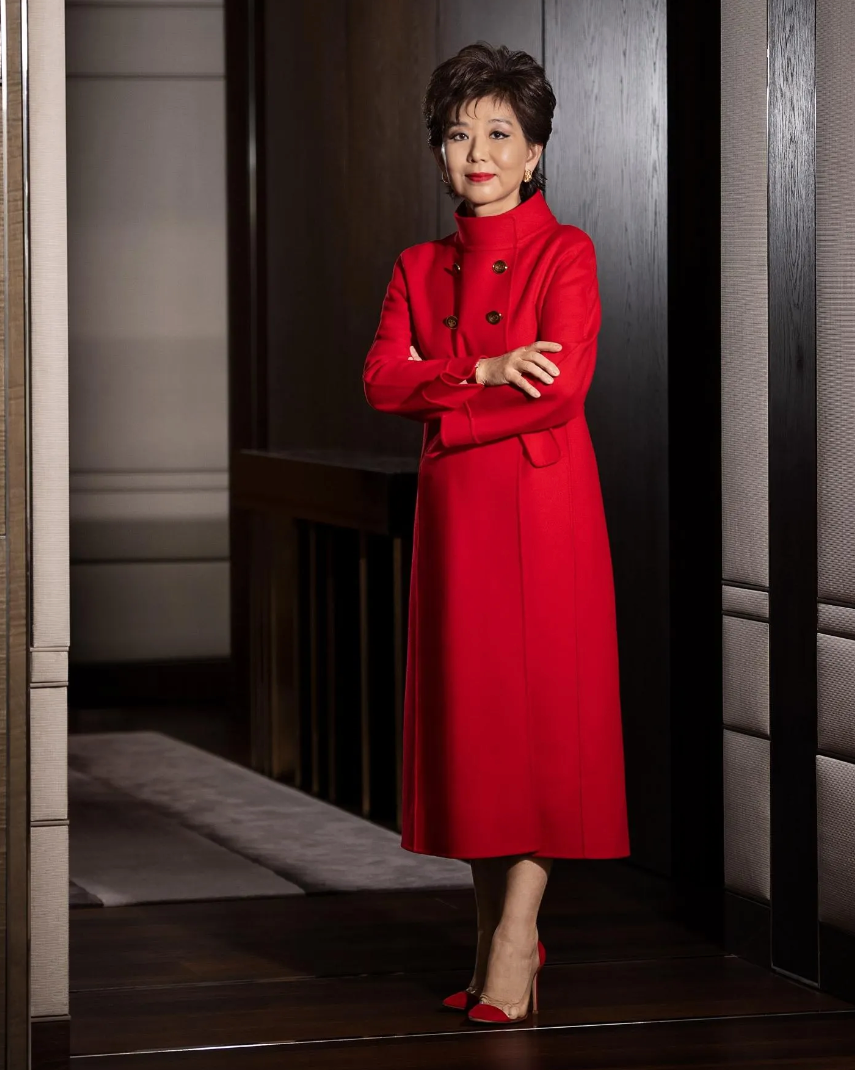
Michele Kang
London City Lionesses and the experiment in independent women’s football
Who has heard of Michele Kang?
Not many people in Tasmanian football have.
We know referees.
We know club volunteers.
We know the parent who runs the canteen every Saturday.
But Michele Kang is quietly becoming one of the most powerful people in women’s world football.
And we should understand why.
What Michele Kang has actually done
Michele Kang is an American businesswoman who made her fortune in health technology.
Then she started buying women’s football clubs.
She now controls three major teams.
Washington Spirit in the United States.
OL Lyonnes in France.
London City Lionesses in England.
She has created a multi-club organisation linking them together, sharing sports science, scouting and commercial systems.
She has invested millions into women’s football research, facilities, and development.
She is not sponsoring.
She is building.
Why that matters
Women’s football has never had enough investment.
Across Tasmania we still see girls teams sharing changerooms, training late because lights are scarce, and volunteers fundraising for basics.
So when someone puts serious money into women’s football, it matters.
Because the gap is real.
And it is global.
Kang is trying to prove that women’s football can stand as a professional sport in its own right.
Not as an afterthought to men’s football.
The unusual thing about London City Lionesses
London City Lionesses are not like most teams in the English Women’s Super League.
They are not connected to a men’s Premier League club.
They are not Arsenal Women backed by Arsenal men.
Not Chelsea Women backed by Chelsea men.
Not Manchester City Women backed by Manchester City’s global machine.
They are a fully independent club.
Owned by Michele Kang.
Built from scratch.
That is rare at the top level of women’s football.
Where they sit in the Women’s Super League
The Lionesses were promoted into the Women’s Super League and in their first season they have been sitting around mid-table.
Respectable results.
Good players.
Serious investment.
But attendances are still small compared with Arsenal or Chelsea, whose women’s teams can draw tens of thousands when they play at big stadiums.
London City average only a few thousand.
Which is not failure.
It is reality.
Because most women’s clubs grow their fan base from their men’s club supporters.
Arsenal fans become Arsenal Women fans.
Chelsea fans become Chelsea Women fans.
London City have to build theirs from zero.
Why most women’s teams are tied to men’s clubs
It comes down to economics.
Men’s clubs provide stadiums, training grounds, marketing staff, sponsors and existing supporters.
That support helped women’s football grow quickly in England.
Without it, many teams could not survive.
So most WSL clubs sit inside big men’s clubs.
It is practical.
But it also creates dependency.
If the men’s club loses interest, funding disappears.
We have seen that happen before.
Kang’s different idea
Michele Kang believes women’s football should stand on its own.
London City Lionesses are her experiment.
An independent club.
Independent identity.
Independent commercial strategy.
Part of a global women’s football network, not attached to a men’s brand.
It is a bold idea.
Because it asks a hard question.
Can a women’s club succeed without leaning on a men’s club?
No one really knows yet.
The courage in what she is doing
Investing in women’s football right now is risky.
Media money is uncertain.
Attendances are still growing.
Commercial returns are not guaranteed.
Kang is funding facilities that girls have never had.
That matters to players in Kent.
In Lyon.
In Washington.
And eventually to girls in Hobart, Devonport, Launceston, Ulverstone and everywhere football is played in Tasmania.
Because standards spread.
When the top rises, expectations rise.
The risk we should still talk about
Football history teaches us something.
Single-owner clubs are fragile.
If the owner leaves, what happens.
If the strategy changes, what protects the club.
This is not criticism of Michele Kang.
It is simply reality.
We have seen it in men’s football around the world.
And we should ask the question in women’s football too.
Because sustainability matters.
The Australian lesson
Football clubs in Australia were not built by billionaires.
They were built by families.
By migrants.
By teachers.
By volunteers.
By councils giving a patch of grass.
Clubs grew because children grew.
Because parents stayed.
Because stories accumulated.
You cannot buy that kind of belonging in five years.
But investment can still help.
Better facilities.
Better coaching.
Better pathways.
Maybe people like Kang raise the floor so community clubs can build higher.
The next conversation
Michele Kang is trying to build clubs from the top down.
In Australia, we tried something similar with A-League franchises.
New clubs.
No history.
No fan base.
What did we learn from that?
That will be the next post.
Because building a club without roots is one of the hardest things in football.
And we are still living with that lesson today.

When I Wanted the Livestream
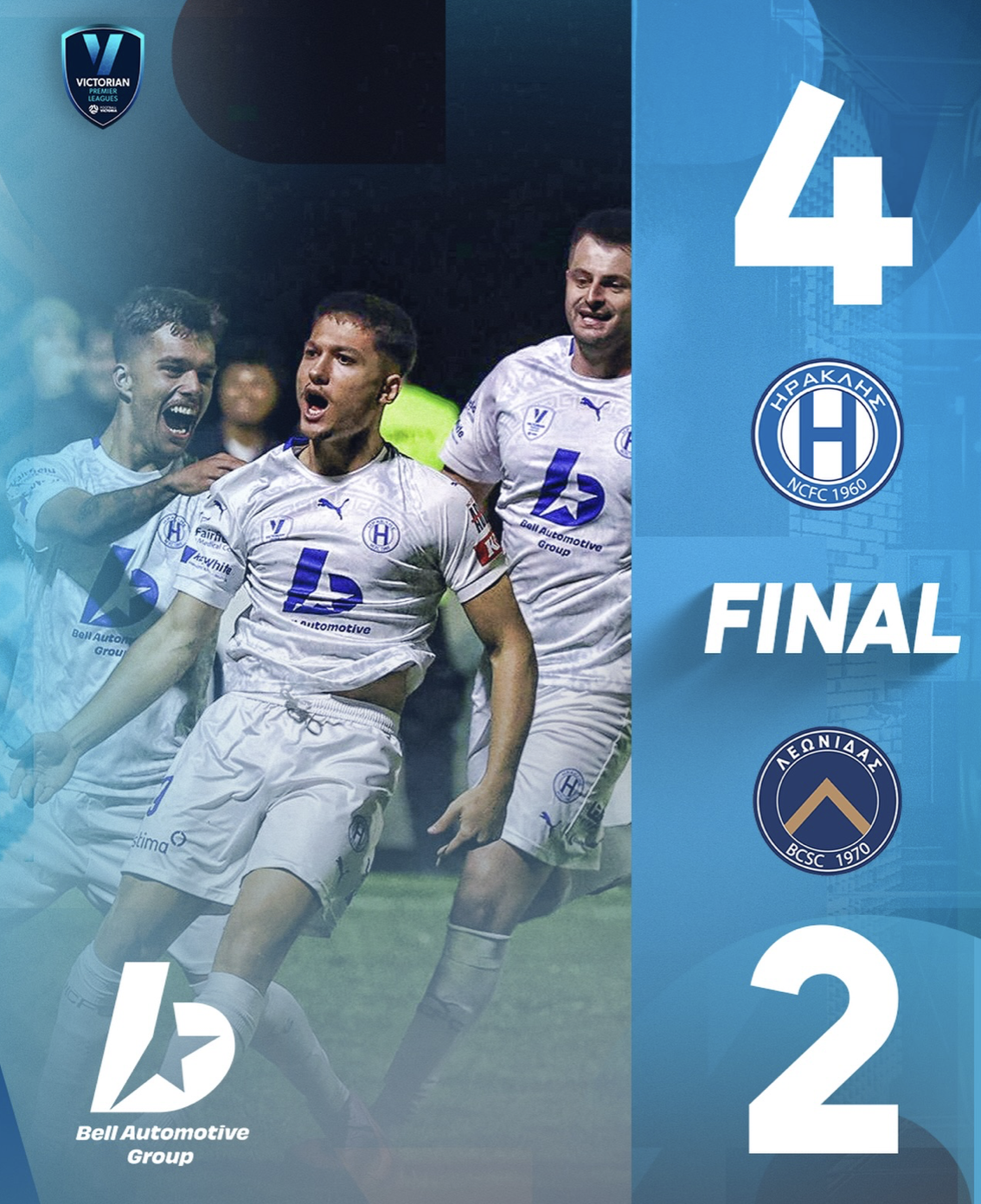
Last night my son Max was coaching interstate at Northcote FC in Victoria. Round One.
8pm kick-off.
We go to bed early.
I lay awake anyway.
I got up at 3.45am and checked socials. Down 0-1 first post I saw. Dread.
Later, a 2-4 away win. I saw the overhead goal on my phone from a long throw.
I would have given anything for a livestream.
Which is awkward, because in December I wrote a post called Live Streaming, Empty Stands and the Cost of Convenience, about how streaming can quietly change behaviour and weaken club culture.
So which is it.
Have I changed my mind?
Not really. But I understand the problem better now.
The Two Truths
Streaming is wonderful when it is your own child.
When it is your team.
Your friend.
Your club playing interstate.
Your daughter away at university.
Streaming lets families stay connected. It lets grandparents watch. It lets injured players still feel part of something.
For football people, it is a gift.
But streaming also changes behaviour across a whole community.
People who might have come to a night game stay home.
People who might have bought a pie do not.
Kids who might have run around behind the goal are not there.
Both things can be true at the same time.
That is the uncomfortable part.
The Football Mother and the Club Administrator
Last night I was not thinking about gate takings at South Hobart FC.
I was not thinking about canteen revenue, or volunteer rosters, or club budgets.
I was a football mother who wanted to see her son.
And most of us, in that moment, would choose the same.
Which tells us something important.
This is not about selfish supporters.
It is about human nature.
If comfort is available, many people take it.
Technology does not change who we are.
It amplifies it.
The Quiet Economics
Community clubs survive on habits.
People turning up.
Buying food.
Standing together.
Talking after the game.
Those habits are fragile.
Streaming chips away at them slowly, not dramatically. One missed game here. One cold night there. One “I’ll watch from home” decision.
No one notices at first.
Then the canteen feels quieter.
Then volunteer numbers fall.
Then sponsorship conversations get harder.
No one decision caused it.
But the culture shifted.
At South Hobart we have around 750 players in the City of Hobart municipality. We know exactly how tight club finances can be, even when participation is strong. Attendance still matters. Canteens still matter. Habit still matters.
We rarely talk about what keeps the lights on week to week.
Progress With Consequences
Streaming is not the enemy.
It helps families.
It helps analysis.
It helps sponsors.
It helps visibility for players.
It helped me last night, even without the actual feed, because it reminded me how much I would value it.
But progress without reflection creates blind spots.
When streaming is centrally delivered, centrally branded, centrally controlled, the financial effects still land locally.
Some clubs lose more than others.
Some communities change faster than others.
No one is really measuring it.
That is the gap.
The Question Is Not Yes or No
The question is not whether we should stream football.
The question is how we support clubs as behaviour changes.
Do federations share digital revenue with clubs.
Do councils understand the loss of match-day culture when they plan facilities.
Do we track attendance patterns.
Do we talk about this openly before habits disappear.
These are not arguments against technology. They are arguments for honesty.
Nothing Beats Being There
Even last night, wanting that livestream, I knew something else.
Football is still better in person.
The noise.
The smell of chips.
The arguments on the sideline.
The moment when a whole ground gasps together.
Streaming can show a game.
It cannot replace belonging.
That is what we must protect.
A Small Personal Truth
Max won 2-4.
I saw the overhead goal later on my phone. Grainy, sideways video. Perfect.
I still wished I had seen it live.
But next home game at Darcy Street, I will rug up and go to the ground.
Because both things matter.
And if we forget that, we will wake up one day with perfect streams, empty stands, and clubs wondering what changed.
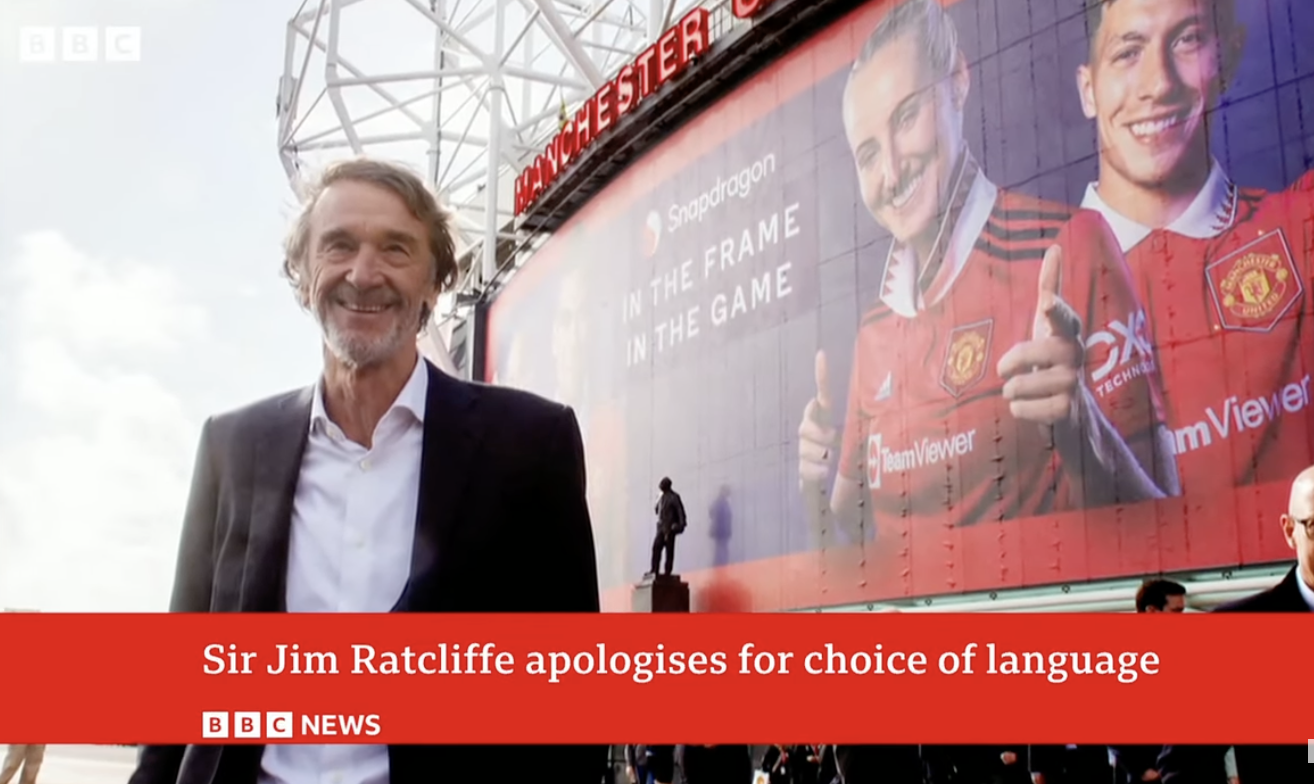
All Red All Equal?A Test of Power and Responsibility
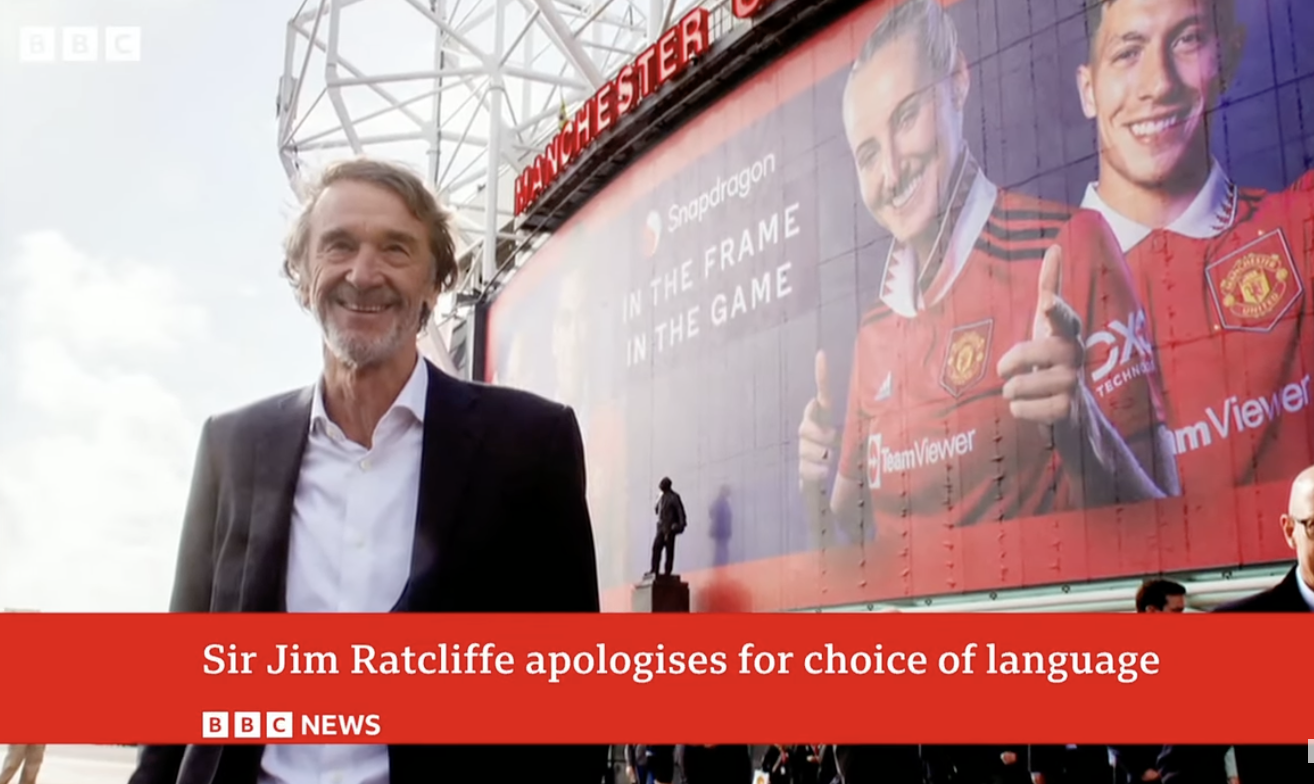
This week, at the European Industry Summit in Antwerp, Sir Jim Ratcliffe said the UK had been “colonised by immigrants” during a discussion about economic policy and migration.
The backlash was immediate.
Political leaders criticised the language. Anti-racism groups condemned it. Supporter organisations expressed concern.
Ratcliffe is not a distant investor. Through INEOS he is the minority shareholder who now controls football operations at Manchester United.
Manchester United, one of the most global and multicultural clubs in world football, issued a public statement reaffirming its commitment to inclusion and equality.
That is when it stopped being a political comment and became a football story.
What Was Actually Said
Ratcliffe made the comments in a formal policy forum, not at a football press conference.
That context matters.
It shows this was not an off-hand remark. It was deliberate language used to frame a point about national direction and economic pressure.
He later apologised for his “choice of language”, clarifying that he was speaking about managed migration and economic growth.
He did not withdraw the underlying argument.
That distinction matters.
Why It Landed So Hard
“Colonised” is not neutral.
It carries historical weight. It implies invasion, takeover, displacement. It has long been used in rhetoric that frames immigration as threat rather than contribution.
When you use that word, you activate more than statistics.
Manchester United shirts are worn in Lagos, Mumbai, Melbourne. Its squads and supporters span continents. The club markets itself, proudly, as global and diverse. “All Red All Equal” is not just a slogan. It is a statement of identity.
So when a part-owner with operational control uses language widely associated with exclusion, it collides directly with that identity.
Intent becomes secondary.
Impact becomes immediate.
The Club Response
Manchester United responded by reaffirming its inclusive values and pointing to its equality work.
That is what modern institutions do.
They separate the badge from the individual. The campaign from the comment.
It is a necessary move.
It is also an impossible one.
Owners are not anonymous commentators. They are power within the structure.
When they speak, the club absorbs it.
Supporters do not experience the owner and the club as separate entities. They experience them as intertwined.
And that is the tension.
Political Debate and Responsibility
Business leaders are entitled to enter political debate.
That is not the issue.
The issue is how language lands when you also hold symbolic power in a global sporting institution.
Apologising for “choice of language” is not the same as apologising for the premise.
It suggests the problem was phrasing rather than framing.
But language is framing.
If you choose a loaded word, you choose the consequences that travel with it.
That is not censorship. It is responsibility.
Who Gets to Speak Freely
Watching this unfold, I found myself thinking about something much closer to home.
When I was President of South Hobart, there were times I wanted to speak more bluntly than I did.
There were debates where I had strong personal views.
There were moments where I wanted to call things out more directly.
But holding that role meant understanding that my words were never just mine.
They carried volunteers.
They carried sponsors.
They carried players and families.
If I spoke freely in a way that satisfied me personally, I could have created consequences for people who did not choose that fight.
That is the quiet discipline of leadership in community sport.
Not because you are timid.
Because you are responsible.
Power and Stewardship
There is a difference between power and stewardship.
A billionaire owner can enter a national political debate and then clarify his wording.
A community club leader weighs every sentence because the collateral damage lands locally.
One position allows distance from consequence.
The other requires proximity to it.
“All Red All Equal” is a powerful phrase.
But if a club says those words, they are not marketing.
They are a promise.
And promises are tested when power speaks.
This story is not really about whether someone is allowed to hold a political view.
It is about what happens when power speaks in a way that unsettles belonging.
It is about who absorbs the shock.
And it is about the reality that in football, as in life, the people with the loudest platforms are rarely the ones who carry the quietest consequences.

Conditional Multiculturalism

Multicultural Round, Conditional Belonging
There was an announcement this week ahead of the A-League Multicultural Round.
For clarity, the A-League is operated by the Australian Professional Leagues, commonly referred to as the APL, the body responsible for managing the men’s and women’s professional competitions in Australia.
The announcement stated that national team shirts are acceptable.
Except for those “currently involved in major conflicts.”
Flags, banners and political messaging are prohibited.
On the surface, that sounds administrative.
In practice, it raises a simple question.
Who decides at the gate?
Who determines what qualifies as a “major conflict”?
On what date?
Using what list?
And who briefs the 19-year-old casual security guard tasked with enforcing it?
There are dozens of ongoing armed conflicts globally at any moment. Some involve internationally recognised wars. Others are regional, civil or long-running disputes. Who decides which ones are “major”? And on what basis?
Football policy only works if it can be lived.
If it cannot be clearly explained, consistently applied and calmly enforced at a turnstile, it is not good policy. It is theory.
This matters even more during Multicultural Round.
Because multicultural football in Australia is not a marketing concept.
It is the foundation of the game.
We Have Been Here Before
When the A-League was formed in 2004–05 under the old Football Federation Australia, one of its guiding principles was a clean break from explicitly ethnic club identities.
The intent was commercial neutrality.
Broader appeal.
Modern branding.
A new national start.
Names were softened.
Symbols were neutralised.
Heritage was repositioned.
Historic migrant clubs continued in the state systems, carrying their identity with them.
That reset may have been strategic.
But identity does not disappear because a governance document prefers it to.
Greek, Croatian, Italian, Macedonian, Serbian, Hungarian and Turkish communities built Australian football. That is not controversial. That is history.
So when a league now announces that certain national team shirts may not be acceptable because of “major conflicts,” it touches a long and sensitive seam.
Not because people want division.
But because football identity in this country has always been intertwined with migration and belonging.
Identity Is Not Automatically Political
If the concern is political messaging, say that clearly.
Political slogans.
Explicit protest material.
Incitement.
Those are enforceable categories.
But a national team shirt is not automatically a political statement.
For many families it represents:
Heritage.
Memory.
Parents and grandparents.
A connection to somewhere else.
Multicultural Round should be the safest place in the calendar for that expression.
Instead, the announcement introduces uncertainty.
It blurs identity with geopolitics.
And it outsources judgement to frontline staff who should never be asked to adjudicate global conflict at a stadium gate.
Governance Is in the Detail
Good policy is:
Clear.
Enforceable.
Fair.
Consistent.
If you cannot explain it in one sentence without qualifiers, it will fracture in practice.
If you cannot train gate staff to apply it calmly and uniformly, it will create embarrassment.
If you cannot define the terms publicly, it will create suspicion.
Multiculturalism is not conditional belonging.
It cannot be “celebrate your identity, unless we have quietly decided it is complicated.”
Football in Australia has always wrestled with the tension between commercial neutrality and migrant heritage.
Each time we try to administratively tidy identity, it reappears in another form.
Because it is lived, not theoretical.
If the aim is safety, explain the criteria transparently.
If the aim is political neutrality, enforce that consistently.
But do not write a rule that sounds reasonable in a boardroom and becomes unworkable at the turnstile.
Multicultural Round deserves better than ambiguity.
So do the people who built this game.

Just a Whistle

Referees we know
I watched Pep Guardiola shake a referee’s hand recently.
It was exaggerated.
Almost theatrical.
You could see he was angry.
He could not say what he wanted to say. He knew the cameras were on him. He knew the fine would follow.
So he made his point another way.
A prolonged handshake.
A fixed smile.
A performance of restraint.
Elite football allows for that kind of theatre.
There are cameras.
There are fines.
There is technology backing every decision.
There is distance.
In Tasmania, there is very little.
The Referees We Recognise
At senior level we know our referees.
We know their names.
We know where they work.
They run businesses.
They teach in schools.
They coach other teams.
They are part of the same football community week after week.
They are visible.
And visibility should change how we behave.
And Then There Are the Volunteers
At junior level, especially at CRJFA, many referees are parents.
Not career officials.
Not semi-professional match officials.
Parents who put their hand up because otherwise the game does not go ahead.
Sometimes it is a 14-year-old with a whistle for the first time.
Sometimes it is a dad who agreed at 8:15am because no one else would.
There is no slow motion.
No assistant reviewing angles.
No technology correcting mistakes.
There is just a whistle and a willingness to help.
The Standard We Expect
Yet sometimes we expect professional precision in both environments.
Perfect offside calls.
Instant judgement.
Absolute certainty.
From people operating in completely different conditions.
We stand on the sideline convinced we would have seen it better.
We film on our phones.
We replay it in our heads.
We comment with confidence.
We are not immune from this.
We expect elite performance without elite infrastructure.
That tension sits at the heart of it.
What It Is Costing
Across community sport, referee numbers are fragile.
Young referees walk away.
Parents decide it is not worth it.
Games are harder to cover.
And when there is no referee, there is no match.
Not a controversial match.
Not an imperfect match.
No match at all.
This is not abstract.
It affects weekends.
It affects draws.
It affects children who just want to play.
Close Community, Real Responsibility
Pep could make his point with a theatrical handshake because he knew the world was watching.
In Tasmania, the world is not watching.
Your community is.
Your child is.
Respect is not a campaign.
It is behaviour.
And in a football community this small, behaviour travels.
If we make refereeing unbearable, we do not just lose officials.
We lose games.
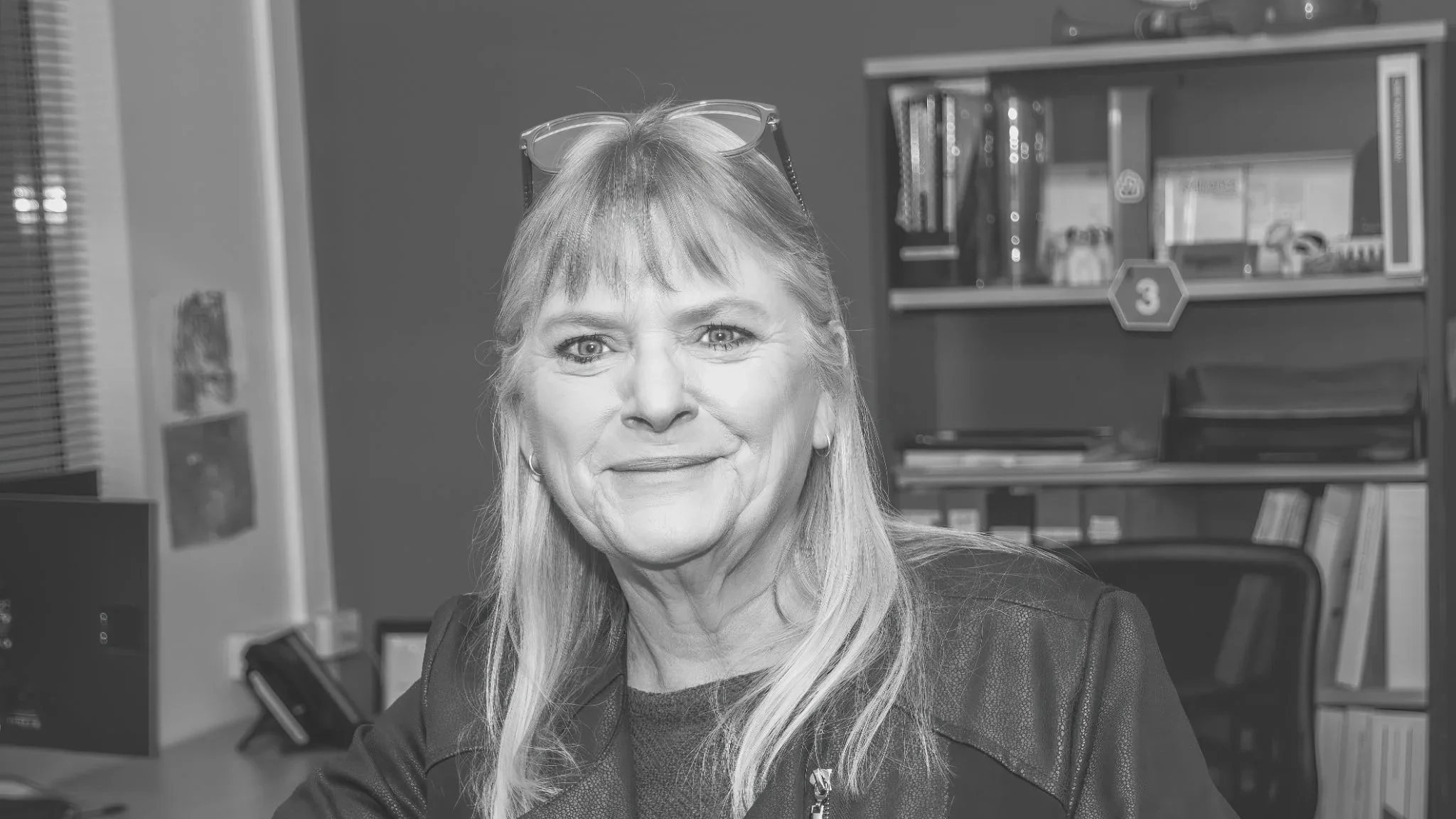
The Volunteer Reflex - Jill Gill
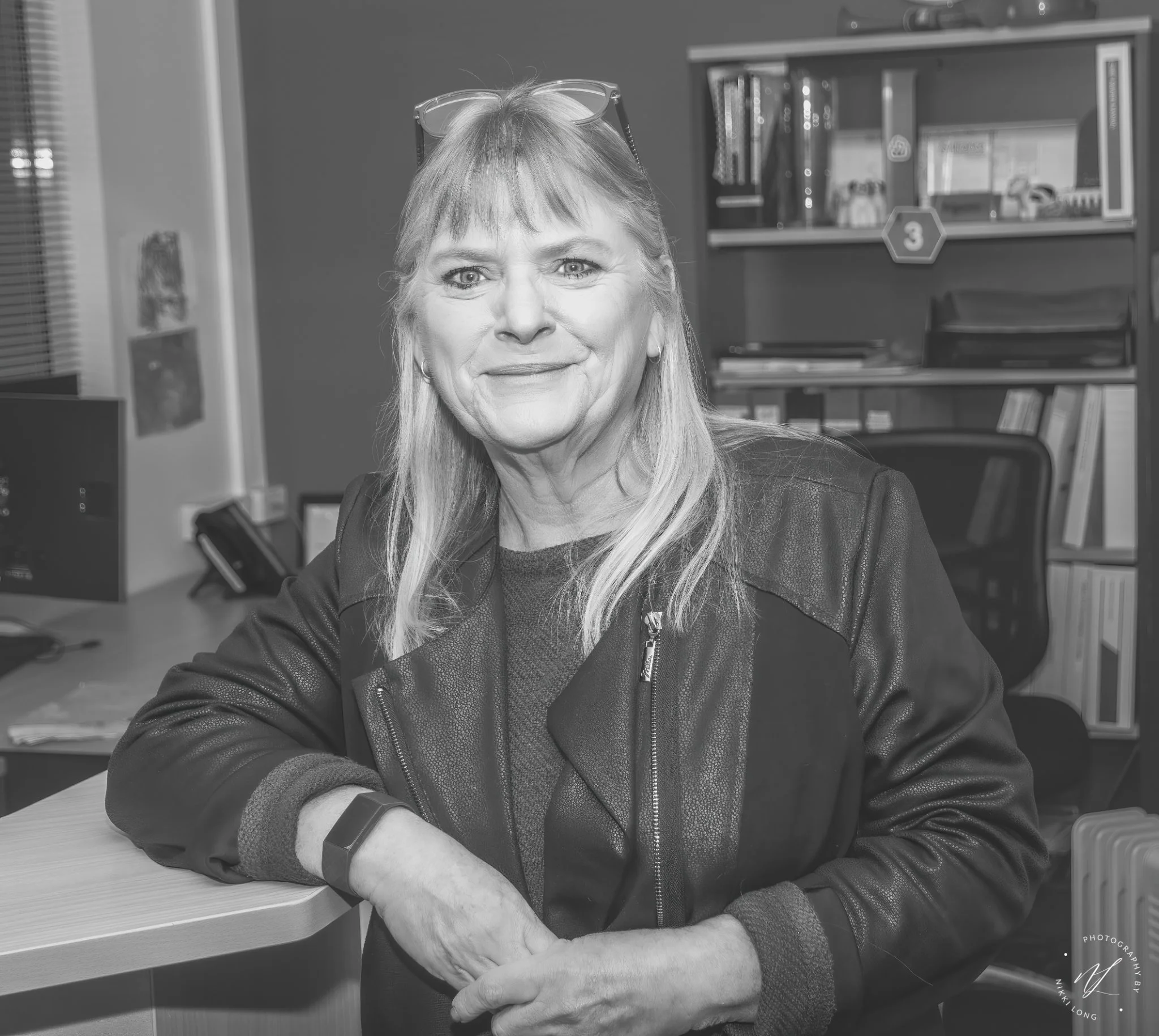
Jill Gill photographed by Nikki Long in 2022
Celebrating Women in Football
This interview was first conducted in 2022.
Roles shift. Titles change. Clubs evolve.
Influence does not.
And Jill Gill’s influence at Clarence Zebras has never really been about titles.
Finding football later in life
Football was not part of Jill’s childhood.
Growing up, the round ball barely featured. If it did, it was seen as a boys’ game. Girls, in those days, were steered toward dancing. That was simply how it was. If a girl played football, it was frowned upon. Not lady like.
No one instilled a love of the game in her.
Even now she laughs that she still has a limited understanding of the rules.
And yet, football found her anyway.
Leaning in
Jill became involved later in life, what she describes as her “maturing years”, which she insists are still very much a work in progress.
Her partner, Frank Perri, who she jokingly refers to as “the infamous Frank Perri”, was already deeply embedded in the club. Jill had a choice. Join in, or spend weekends and at least three nights a week twiddling her thumbs.
She joined in.
Sometimes she jokes that twiddling might have been the wiser option.
Not really.
By 2022 she was in her seventh year of involvement.
Committee member.
Registrar for six years.
Policy helper.
MPIO.
Canteen worker.
Apparently a great coffee maker and a pretty mean hot chocolate specialist.
Home game supper provider for her boys and the opposition.
Whatever needs doing, her hand goes up.
She calls it a bad twitch in her arm. A sucker for punishment.
Every club knows that twitch. It is the volunteer reflex.
The real work happens at home
But Jill’s greatest contribution is not listed on a committee report.
It is her home.
Over the years she has opened her doors to imports from interstate and overseas. Players from America, Canada, England, the West Indies, Hong Kong, Brazil, just to name a few.
Young men far from their own families.
She provides a family environment. A home cooked meal. A hug when needed. A place to land.
At the end of each season, when they return to their own homes, she says a little piece of her heart goes with them.
“Just lucky I have a huge heart.”
You can hear the smile in that sentence.
But you can also hear the truth.
Watching the game grow
As someone who came to football later, Jill does not position herself as an authority on whether Tasmanian football is better or worse than it once was.
What she does notice is growth.
The women’s program expanding each year.
The ratio of boys to girls becoming more comparable.
Junior numbers climbing.
In 2022 she noted their junior registrations had grown from 103 the previous year to 140.
That is not politics.
That is participation you can count.
Football and family
When I asked whether life exists without football, her answer was simple.
Not in their world.
They love the season. They love the build up. They also love the end of the season and the downtime that follows.
Football has enriched her family. Her children and grandchildren are exposed to different cultures, different lifestyles. Anyone who enters their home is accepted as their own.
She laughs that she may have created a monster. One of her daughters is now an avid Clarence supporter, sometimes so vocal on the sidelines that Jill has to walk away.
When she says her family takes these players on as theirs, she means it.
The quiet achievers
When asked which Tasmanians have most influenced her involvement, she did not name one individual.
Instead, she spoke about the quiet achievers.
The people who give up their time week after week, often with little or no recognition. The ones who do not seek applause.
Without them, most clubs would not function, let alone thrive.
Her hat goes off to each and every one of them.
Mine too.
Knowing her lane
Jill was clear about one thing.
She is not interested in politics or club power.
She tried committee politics once. It was not her cup of tea.
“I am not involved in politics or the running of the club. Nor do I wish to be.”
She knows where she is most useful.
And it is not in the boardroom.
Legacy
Jill does not claim a grand legacy.
She sees herself as one of thousands of volunteers who have played an integral part in running the game. In some small way, helping to make it better, more enjoyable, more accessible.
“Volunteers do not necessarily have the time, they just have the heart. The unselfish effort to bring cheer to others will be the beginning of a happier life for ourselves.”
Legacy in community football is rarely about trophies.
It is about who felt welcomed.
Who felt cared for.
Who had somewhere to land.
Jill may not claim a legacy.
But clubs are built on people exactly like her.
And that influence does not change, even when the roles do.
Time in the Grandstand
One very brilliant drawing from Jon Kudelka
There is a particular kind of time spent in grandstands and on sidelines.
It is not dramatic time.
It is repetitive, often cold, sometimes boring, occasionally joyful.
It is time spent watching children grow, recognising familiar faces before you know names, swapping half conversations, learning routines. You come to know people sideways, through presence rather than introduction.
These are not remarkable places.
But they are where community quietly forms.
Ordinary spaces, real connection
Community is often spoken about as something abstract, something to be built, funded, planned or announced.
In reality, it happens in ordinary places. On plastic seats. Along fence lines. Standing with a coffee on a winter morning, watching children play, noticing who keeps turning up.
These spaces don’t ask much of us. Just time. Just presence.
And over years, that time accumulates into something that matters.
Jon, in that space
Jon Kudelka was part of that world.
He was a South Hobart FC dad. His son Oskar has grown up around our club and around Morton’s Soccer School, over many years. Jon was not there as a public figure. He was there as a parent, a presence, one of many people who share these small, repeated moments of community life.
Like so many families, our connection was built not through ceremony, but through proximity.
How Jon saw the world
Jon’s public work was anything but ordinary. He was a brilliant artist and political cartoonist, widely admired for his clarity, restraint and dry wit. He had an extraordinary ability to call out nonsense, power and imbalance without shouting and without cruelty.
His humour never needed embellishment. It trusted the reader to notice what mattered.
When Jon shared news of his diagnosis, I messaged to ask if there was anything we could do.
He replied simply:
“Bit of a crummy night.”
Then, with perfect timing:
“A cure for brain tumours would be ideal.”
There was no performance in that exchange. Just honesty, humour and dignity.
Noticing imbalance
Jon often turned his attention to the way priorities are framed and to the gap between spectacle and everyday life.
In one cartoon, he imagined a floating stadium proposal bristling with grand ideas and annotated ambitions. Light rail. Whale watching platforms. Olympic diving boards. Prestige layered upon prestige.
It was funny, ridiculous and uncomfortably accurate.
What lingered was not what was drawn, but what was absent. The ordinary spaces. The everyday places where people actually gather, week after week, season after season.
Jon didn’t need to explain the point. He trusted us to see it.
Why these places matter
Most people don’t measure their lives by landmarks or major projects.
They measure them by who was there.
By who sat nearby. Who shared the cold mornings. Who drifted in and out of view as years passed.
These places teach us to notice presence, and absence. They carry memory forward not through ceremony, but through repetition.
They don’t just hold sport.
They hold people, and time.
What remains
Jon is remembered by many through his work, which continues to hang on walls, challenge thinking and make people laugh in uncomfortable recognition.
We will remember Jon every day through Oskar, and through his artwork that adorns our home.
But also through these shared spaces. Through time spent together without ceremony. Through the quiet accumulation of presence.
Community is not built in grand gestures.
It is built in showing up.
Jon understood that.
And that is how he remains with us.
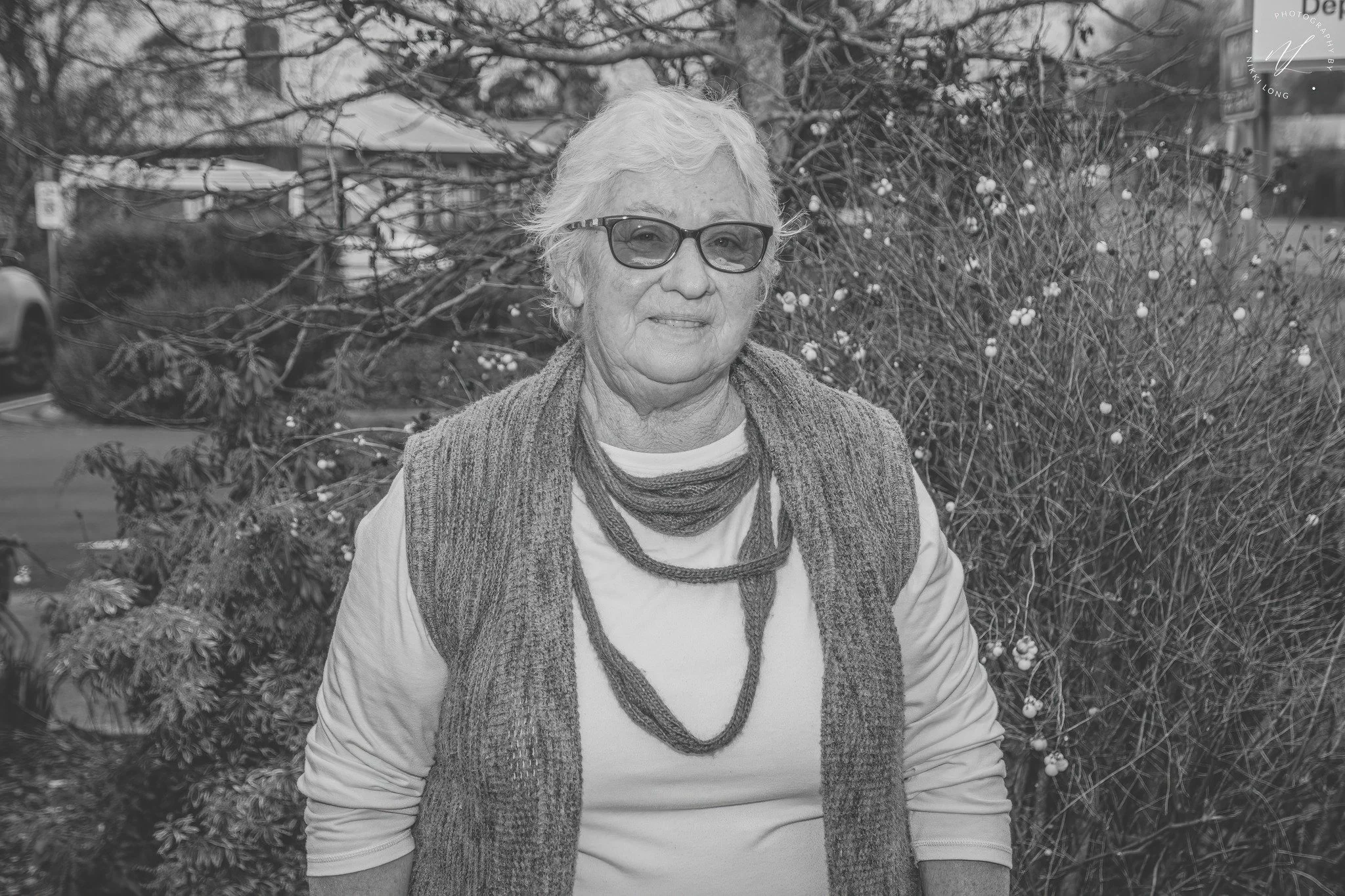
Jillian Cunningham - Football Faces Tasmania
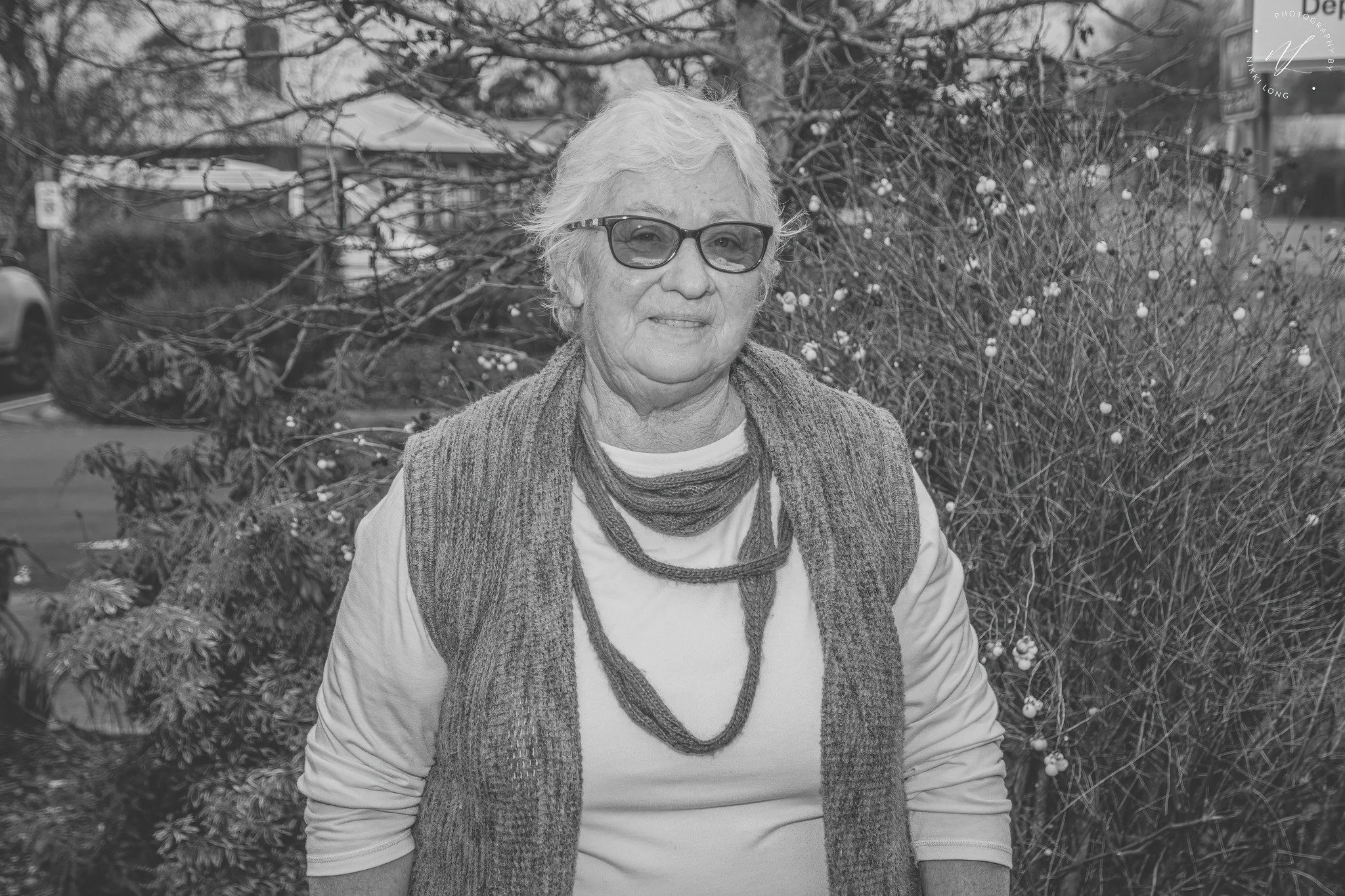
Photo credit: Nikki Long
A life in Tasmanian football
This interview was originally conducted in July 2022 as part of the Football Faces Tasmania series. It remains a powerful record of the kind of long, quiet contribution that has shaped Tasmanian football across generations.
Where it began
Jillian Cunningham’s football story begins in 1979, when her eldest son, Justin Dyer, started playing at Glen Dhu School in Grade 3.
His younger brothers, Stephen and Jonathon, followed soon after. Their sister, Melissa, joined in Grade 6. Like many families, football arrived through children. Unlike many, it stayed for life.
Jillian quickly became involved in the setup of the football committee at Glen Dhu, alongside Frank Buck, Jack Johnston and Geoff Smith. This was the beginning of a pattern that would repeat for decades, stepping in, helping out, and quietly holding things together.
Early club football and northern associations
When Justin was 12, he was recruited by Oscar Dominquez to play with the White Eagles. A year later, St Leonards Rovers Soccer Club began recruiting from Kings Meadows High School, and Jillian’s involvement deepened again.
Football in Tasmania during the 1980s was not streamlined. There were two associations, one in the south and one in the north, run by Enid and Paddy Baker. Jillian recalls personally delivering information to their home office in Mulgrave Street, a reminder of how hands-on and personal administration once was.
In 1985, Stephen was part of the NTJSA Under 12 team coached by Jock Glass that travelled to Coffs Harbour for a tournament. By 1988, Justin had made the state team under David Smith and Peter Davidson, while Jonathon was also representing NTJSA Under 12s under Tom Strickland. Easter tournaments in Sydney meant long trips and family commitment that was simply accepted as part of football life.
Western Suburbs and Juventus
Around this time, Jillian’s daughters Fiona and Melissa were playing hockey, although Fiona played some football with St Leonards. Jillian herself held several roles at St Leonards Rovers during these years.
By 1989, the boys moved to Western Suburbs Soccer Club, and Jillian once again became heavily involved at committee level. In 1992, Stephen was recruited by Peter Davidson to play reserve state league football with Juventus. Justin also played for Juventus in the summer roster.
Melissa switched from hockey to football at Western Suburbs at age 18, playing there until around 1998.
By the mid-1990s, all three boys were playing for Launceston City Juventus, and Jillian’s long association with the club truly began. She joined the committee around 1997 and took on the role of assistant referee, continuing in that capacity for several years.
During this time, she also drove the 12-seater bus transporting the Juventus Reserves team south for matches, another unseen but essential contribution.
Canteens, committees, and continuity
When the club canteen became vacant after Chris Mies stepped away, Jillian took it on, running it until she broke an ankle in 2004.
By then, Melissa had started playing for Juventus, and Jillian’s grandchildren were beginning their own football journeys.
Fiona’s sons, Joseph Thowe and Solomon, both played juniors. Solomon later played three seasons for Riverside and a season with the Rangers before stopping due to work commitments. Fiona herself played a season with the Juventus women’s team while her children were young.
Justin’s children, Charlie and Bella, played juniors, with Charlie progressing through NTJSA representative football and the State Under 15 team. Stephen’s son William also played NTJSA representative football until age 15. Jillian’s youngest grandson, Barney Wilcox, currently plays Under 16s, while his older brother Mac has completed juniors and now plays Under 18s.
Health, family, and returning again
While her grandchildren were playing, Jillian served on the junior committee and helped run the NTJSA canteen in 2015.
In 2018, she was diagnosed with acute myeloid leukaemia and spent six months in and out of hospital. The following year was quieter, focused on recovery.
Football, however, remained part of her life.
Today, her daughter Melissa Wilcox is the Registrar at Launceston City Juventus. Together, they manage the canteen, opening on Tuesday and Thursday nights to provide food and drinks, and welcoming new junior families into the club. They organise Thursday night players’ teas and NPL match meals for home games, supported by parents.
Justin continues to coach, having worked across junior football, NTJSA representative teams, and now as Championship Coach.
A football family
Jillian reflects that all of her involvement in football was as a single parent, following the breakdown of her marriage in 1981. Football became her social world. Coaches and parents became role models for her children. Lifelong friendships grew from sidelines, canteens, and shared responsibility.
For nearly 30 years, she has been involved with Launceston City Juventus in one role or another.
She has no intention of stopping.
Whether it is washing team strips, working in the canteen, or helping wherever she is needed, Jillian says she will continue until her health or physical ability no longer allows it.
Many in the football community remember her as Jillian Dyer.
Her contribution endures as Jillian Cunningham, written quietly across generations of Tasmanian football.
Some people leave their mark on football through moments.
Others leave it through decades.
Jillian Cunningham belongs firmly in the second group.
Football Tasmania, It’s Time to Fund Junior Associations
I saw a post yesterday from Devonport Junior Soccer Association (DJSA).
No new committee members.
No volunteers stepping forward.
An AGM approaching with hope, and a quiet sense of dread.
I felt it immediately, because the same thing is happening at the Central Region Junior Football Association (CRJFA).
No new nominations for 2026.
No new hands up.
I want to acknowledge DJSA for making this public. I understand exactly why that post was written. Putting your hand up to say “we need help” takes courage, especially in volunteer sport, and it reflects responsibility, not failure.
If I didn’t literally tap people on the shoulder, there would be no one to run these associations. That is not a criticism of our community. It is a statement of reality.
This is not about people not caring.
People care deeply.
They are just tired.
The myth of the “volunteer role”
Volunteer sport still trades on an old idea, that committee roles are light-touch, well-meaning, a few meetings a year and a sausage sizzle.
That hasn’t been true for a long time.
Modern volunteer roles now carry responsibility for governance, child safeguarding, compliance, risk management, finance, dispute resolution, insurance, equipment provision, ground bookings, policies, codes of conduct and increasingly complex reporting.
It is not casual help.
It is not ad hoc.
It is often the equivalent of a second job.
And unlike a job, it comes with no pay, little protection and, at times, very public criticism.
“They register themselves” is not an answer
It will be argued that junior associations are not essential because players “register themselves”.
That argument misses the point entirely.
Players may click the button, but associations do everything that makes that click meaningful.
They structure competitions.
They allocate teams and grades.
They manage eligibility, transfers, refunds and exceptions.
They handle disputes, safeguarding issues and risk matters that no automated system can resolve.
They liaise with clubs, councils, referees, schools and families week after week.
Registration without administration is just a database.
Football without junior associations is not self-organising. It is unmanaged.
The quiet shift no one talks about
What I’m seeing, across football and beyond it, is not a lack of goodwill. It is a shift in how people manage their time and energy.
People are busy.
People are stretched.
People are already juggling work, family, cost of living and their own mental load.
Many people would rather pay for someone else to do the role than absorb it themselves. That is not selfishness. It is realism.
But community sport has not adjusted to that reality.
We still rely on goodwill as if it were infinite.
It isn’t.
This does not require a large solution
This is important to say clearly.
Supporting junior associations does not require a large or complex funding model.
In many cases, one properly funded administration role would make a material difference.
Someone to manage registrations, communications, scheduling, compliance and day-to-day administration, freeing volunteers to govern rather than firefight.
At CRJFA, we registered 3,750 junior players in 2026. That scale of participation does not run itself, yet it is currently supported almost entirely by unpaid labour.
The false economy at the heart of the system
If junior associations begin to fail, the work does not disappear.
It simply moves.
And when it moves, it becomes paid.
Competition management.
Dispute resolution.
Safeguarding oversight.
Communication with families.
Operational problem-solving every weekend.
If those functions are no longer carried by volunteers, they will need to be carried by employees.
That will cost far more than supporting the volunteer model that already exists.
The current system survives not because it is efficient, but because it is subsidised by unpaid labour.
That is not a strategy.
It is a debt.
What happens when the engine room stops
Junior associations are the engine room of football.
They register the bulk of players.
They run the largest number of games.
They manage the greatest volunteer base.
They carry the heaviest compliance and safeguarding burden.
Yet there is no meaningful, structural funding that recognises the governance and administrative load they now carry.
At CRJFA we are already planning for fee increases in 2027, not to expand or improve services, but simply to survive.
To begin paying executive roles fairly for the work actually undertaken.
Because the alternative is clear.
Volunteer organisations will not gently fade away.
They will collapse.
Or they will be reprieved at the last minute by the same small group of people who always step in, again.
That is not governance.
That is crisis management.
Time for a shift in thinking
The old model assumed endless goodwill, spare time and low risk.
The game has changed.
The risks have changed.
The workload has changed.
If the structures beneath the game do not change as well, participation numbers alone will not save us.
Time to fund junior associations, Football Tasmania, before the volunteer model collapses and you are forced to replace it at far greater cost.
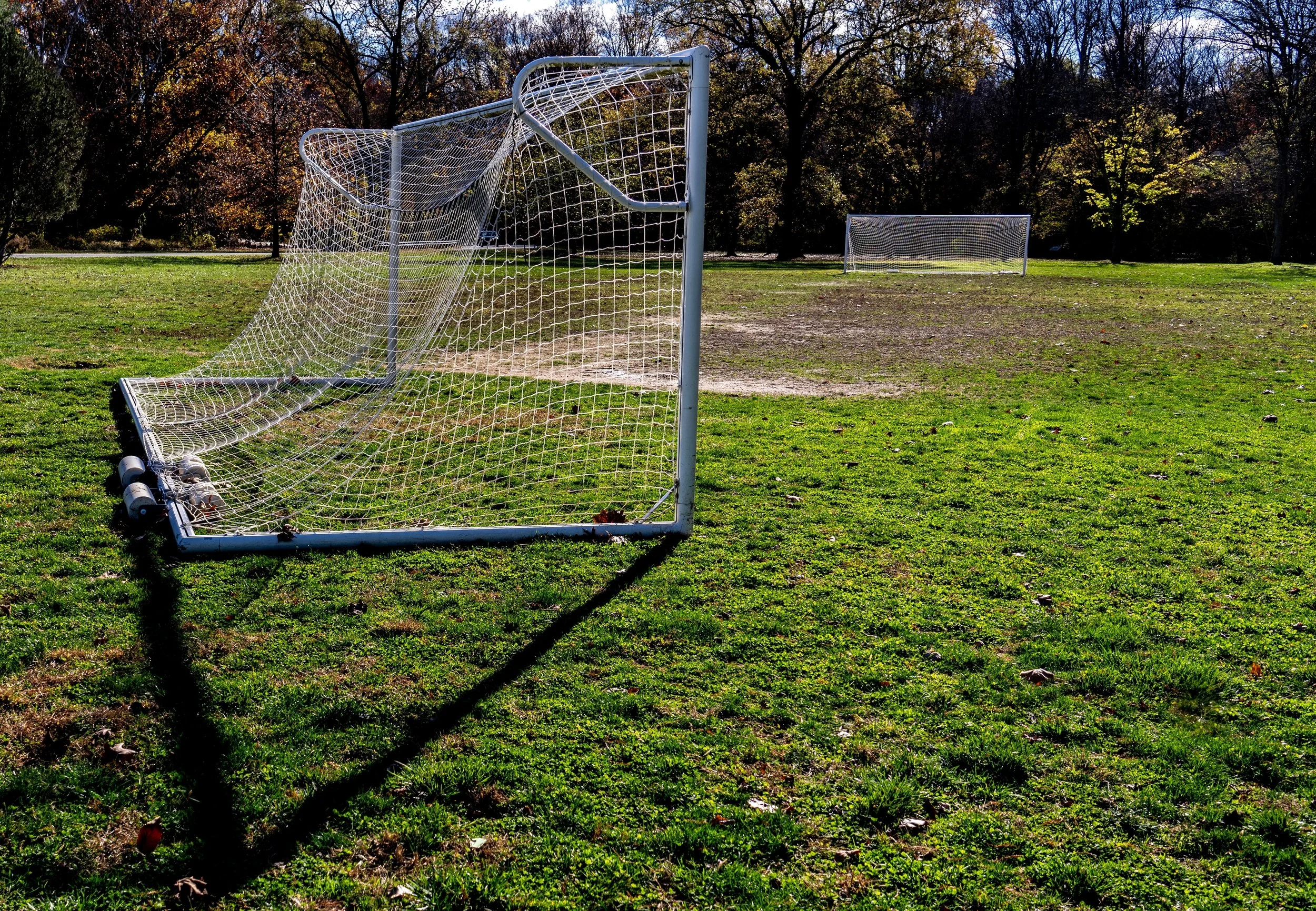
When Sporting Choice Comes With a Penalty
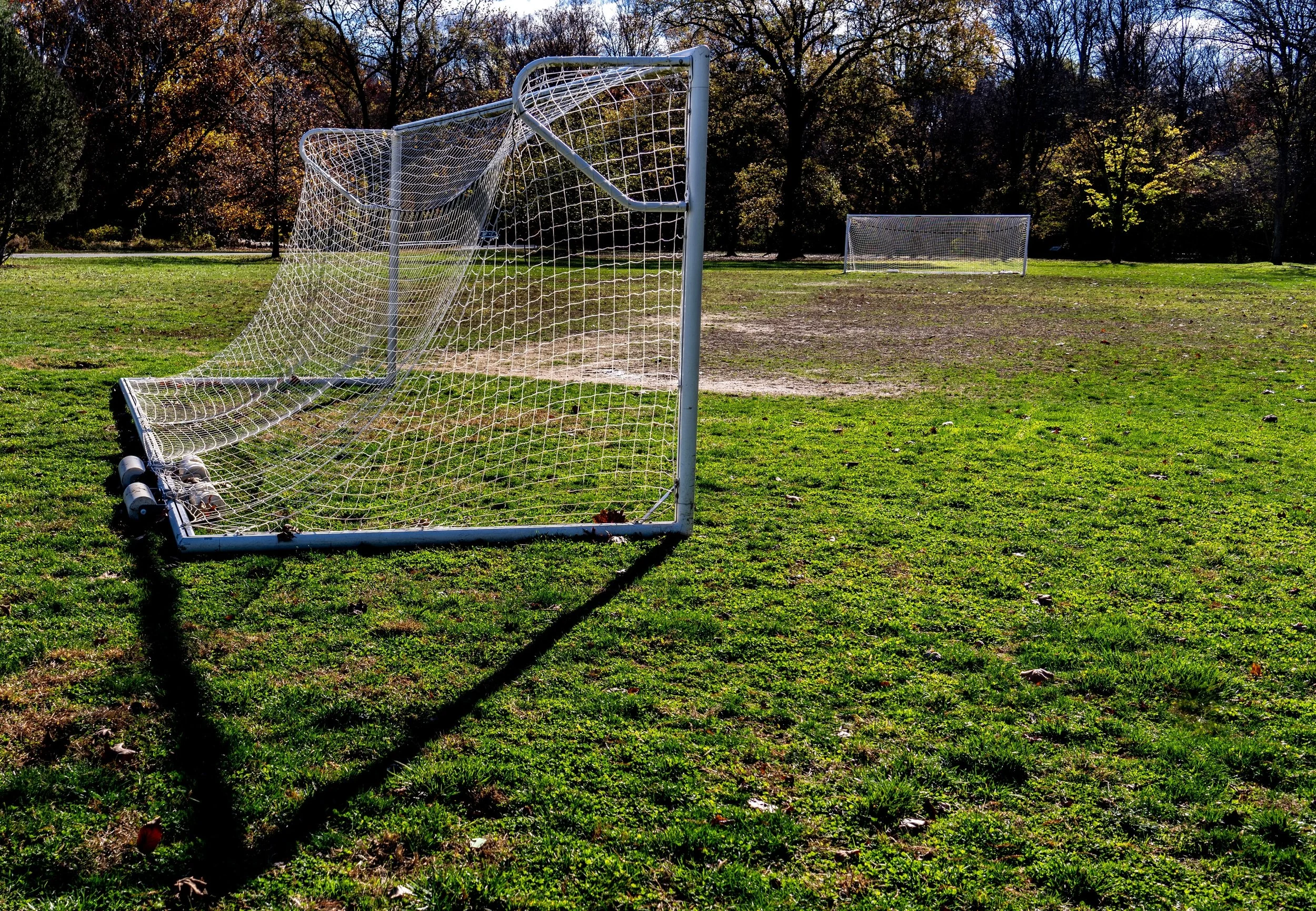
This is a story about children, sport, and the quiet choices we make about what and who we build for.
Ella is nine.
She pulls on her boots by the front door, shin pads already crooked, hair tied back badly because she did it herself. She runs out to the car with a ball tucked under her arm and asks the same question she always asks.
“Are we early?”
Ella plays football.
Not because of pathways or policy or funding models.
Because she loves it.
She loves the space, the noise, the feeling that the field belongs to her for an hour on a Saturday morning. She loves her teammates, the rituals, the way the game makes sense to her body.
She doesn’t know that football is the most participated team sport in the country.
She doesn’t know about reports, strategies or participation data.
She just knows this is her sport.
Sunday morning across town, her cousin Jack is getting ready.
Jack is nine too.
He’s pulling on a guernsey, tugging at socks that never quite sit right. He’s excited. His parents are too. Jack plays Aussie Rules. He loves it for many of the same reasons Ella loves football.
Their lives are not in competition.
Their sports should not be either.
But the systems around them already are.
The choice no one explains
At nine, sport feels equal.
The fields look similar.
The teams line up.
Parents clap.
Volunteers run around with clipboards and oranges.
Ella and Jack feel the same sense of belonging.
But equality at nine is an illusion.
Because behind the scenes, decisions are being made that will shape their experiences long after the novelty wears off.
Which sports get priority access to facilities.
Which sports get purpose-built infrastructure.
Which sports are planned for and which are expected to adapt.
No one explains this to Ella.
No one says, this choice may shape how easy or hard your sporting life becomes.
The question she asks
One weekend, Ella goes to watch her cousin Jack play.
The ground is bigger.
The rooms are newer.
The fence is solid.
There are signs, flags, a sense that this place was built to last.
On the way home, she asks her parents a question they weren’t expecting.
“Why does Jack’s sport get all that?”
They try to explain.
They talk about history.
About tradition.
About how things have always been done.
About how money works.
About how decisions are made somewhere else.
Ella listens for a bit, then frowns.
“But more kids play my sport,” she says.
“So why don’t they build for us too?”
There is no good answer to that question.
Not one that makes sense to a nine-year-old.
And not one that holds up much better for adults.
By fifteen, the difference shows
By the time Ella is fifteen, she is still playing football.
She still loves it.
But now her team trains later.
Matches are squeezed into tight windows.
Fields are tired.
Facilities are stretched.
None of this is because football failed.
It is because football grew and the system did not keep up.
Participation increased.
Investment did not follow.
Jack’s experience looks different.
His sport is visible.
Planned for.
Built around.
Not because Jack deserves more than Ella.
But because his sport has long been treated as structurally important.
That difference is not about effort or commitment or community value.
It is about policy.
When inequity becomes normal
Over time, this difference becomes normalised.
Football families learn to plan around scarcity.
Volunteers learn to absorb shortfalls.
Girls learn to be flexible.
None of this is written down as policy.
But it is how policy is experienced.
What looks like resilience from the outside is often quiet accommodation on the inside.
And accommodation has a cost.
This isn’t about preference
Ella did not choose the “wrong” sport.
She chose the most popular one.
She chose the sport that carries children, women, migrants, volunteers and families at scale.
She chose the sport governments celebrate when participation numbers are released.
But celebration without alignment is hollow.
Because when funding, facilities and planning do not follow participation, they create a two-tier future.
Some children grow up in systems designed for them.
Others learn to accept less.
Ella’s future is not limited by her sport.
It is limited by the decisions made about it.
Inequity doesn’t announce itself
It doesn’t look dramatic.
It looks like late training slots.
Worn-out pitches.
Shared change rooms.
Volunteers doing more with less.
It looks like being told, quietly, to be grateful.
Grateful for access.
Grateful for permission.
Grateful for whatever is available.
Gratitude becomes the substitute for policy.
The question we should be asking
This is not a complaint.
It is a question.
If Ella chooses football at nine, why does she face a poorer sporting future at fifteen?
Why does the sport with the highest participation still struggle for proportional support?
Why do we say participation matters, but fail to invest where it actually occurs?
These are not accidents.
They are choices.
And those choices shape Ella’s future, whether she ever knows it or not.
Ella shouldn’t have to choose again
She should not reach fifteen and wonder why her sport feels harder.
She should not have to switch codes to access better facilities.
She should not have to accept less because her sport grew faster than policy.
Choosing football at nine should not mean settling for less at fifteen.
That is not fairness.
That is inequity.
This future is not inevitable.
It is chosen.
And it can be chosen differently.

Are we stuck in ACL hell?

I saw a headline recently that stopped me.
“Are we stuck in ACL hell?”
It was written about the A-Leagues.
It was written about another player.
It was written about another knee.
But it also felt like it was written about something much bigger.
Because knee injuries are not new.
What is new is the frequency.
The relentlessness.
The sense that women’s football is getting faster, stronger and more demanding, while the systems around it are still catching up.
Before going any further, it’s worth saying this clearly.
There is a glossary at the end of this piece explaining ACL injuries, meniscus damage and return-to-play timelines in plain English. The terminology matters, and it’s often misunderstood.
And then I started thinking locally.
Lucy Roberts, our women’s captain, missed an entire season with an ACL injury.
Pishon Choi was a big miss for us as well, sidelined with the same injury.
Those are just two names I can think of immediately.
There are many more, at our club and certainly across others.
At some point, this stops feeling like bad luck.
What an ACL injury actually is
The ACL is the anterior cruciate ligament.
It is one of the major stabilising ligaments inside the knee joint. Its role is to control:
forward movement of the shin bone under the thigh bone
rotation of the knee
stability during sudden changes of direction
In football terms, the ACL is under the most stress when a player is:
decelerating
cutting or pivoting
landing from a jump
changing direction at speed
Most ACL injuries in football are non-contact.
No tackle. No collision. Just a movement the knee cannot tolerate at that moment.
Once torn, the ACL does not heal on its own.
For players who want to return to competitive football, surgery is usually required.
ACL is rarely the only injury
An ACL injury is often spoken about as if it is a single, neat event.
Scan. Surgery. Rehab. Comeback.
In reality, it is often more complicated.
When the ACL ruptures, the knee becomes unstable. That instability frequently leads to damage to other structures, particularly the meniscus.
This is why many players are told they have:
an ACL injury and a meniscus tear
or require additional surgery later
Two players can both be described as having “ACL injuries” and yet have very different recoveries, timelines and long-term outcomes.
The strength it takes to come back
This is the part that often gets lost.
Many women do not just rehab once.
They rehab for months.
They return.
They manage ongoing symptoms.
They have another setback.
Sometimes another surgery.
And they do it all again.
Not because it is easy.
Not because it is paid well.
But because they love playing.
Because football is part of their identity.
Because walking away is often harder than doing the rehab again.
The strength required to come back from an ACL injury, especially more than once, is enormous. Physically. Mentally. Emotionally.
Women’s football is full of players who keep choosing the hard road, even when the system around them makes it harder than it needs to be.
That matters.
The lazy explanation
The lazy explanation goes something like this.
Women tear ACLs because women’s bodies are different.
Hips. Angles. Hormones. Anatomy.
Some of that is relevant.
None of it is sufficient on its own.
Because if biology were the whole answer, we wouldn’t be seeing injury rates climb as the women’s game becomes more professional, more intense and more demanding.
The timing matters.
My uncomfortable theory
My theory is simple.
Women’s football has grown faster than the protections around it.
The game is quicker now.
Players are stronger.
The intensity is higher.
But the systems supporting those demands have not grown at the same pace.
So we have load without protection.
And the knee pays the bill.
Load without protection
Across women’s football, including semi-professional and community levels, we often see:
Small squads, meaning key players carry heavy minutes.
High training and match loads with limited rotation options.
Inconsistent access to strength and conditioning support.
Variable medical resourcing.
Uneven recovery environments.
Surfaces that change week to week.
This is not a criticism of clubs.
It is a structural reality of a game that professionalised unevenly.
Even in Australia, with short seasons
A common assumption is that ACL injuries should be less common in Australia because our women’s seasons are relatively short.
But short does not mean low risk.
ACL injury risk is driven less by season length and more by:
how quickly load increases
how well players are prepared
how much fatigue is involved
what surfaces players move across
In Australia, women’s football often involves:
compressed pre-seasons
rapid jumps from off-season to match intensity
limited year-round strength and conditioning
players balancing football with work or study
The football itself is still fast and demanding.
Knees do not respond to calendars.
They respond to movement, fatigue and control.
Which is why ACL injuries occur here too, even with shorter seasons.
Artificial surfaces and injury risk
Artificial surfaces are often blamed in ACL discussions and the truth is more nuanced than headlines suggest.
Early generations of artificial turf were problematic. Modern third-generation surfaces are much improved.
Current research suggests that modern artificial turf does not automatically cause higher ACL injury rates compared to well-maintained natural grass.
However, surface is not irrelevant.
Risk appears to increase when artificial surfaces are combined with:
fatigue
heavy training and match load
inconsistent surface quality
poor footwear–surface interaction
frequent switching between different surfaces
Surface alone may not cause the injury.
But it can contribute to the overall load environment.
Again, this points to systems, not a single villain.
Football is a high-risk sport for ACL injuries
Another uncomfortable truth is that football itself carries inherent ACL risk.
Women who play football are at higher risk of ACL injury than women in many other sports, particularly those without cutting, pivoting and deceleration demands.
Men do suffer ACL injuries too, but women experience them more frequently in football, particularly non-contact injuries and that difference is too consistent to ignore.Football combines:
frequent changes of direction
rapid deceleration
jumping and landing
fatigue over long passages of play
unpredictable movement
As the women’s game becomes faster and more intense, that risk increases unless the environment around players evolves at the same pace.
Sam Kerr, and why money doesn’t shorten the calendar
There is a temptation to assume that better funding solves ACL injuries.
It helps.
But it does not bend biology.
Sam Kerr, Matildas captain and global star, ruptured her ACL in January 2024 while playing for Chelsea.
She had access to:
world-class surgeons
elite sports medicine teams
unlimited rehabilitation resources
time and security
And she was still out of competitive football for well over a year, closer to 20 months, before returning to match play.
That is not a failure of care.
ACL grafts need time to mature.
Neuromuscular control needs time to rebuild.
Confidence and trust in the knee take time to return.
Money improves support and certainty.
It does not safely compress healing.
Lucy, Pishon, and the part we don’t talk about
When a player misses a season, the injury is not just physical.
It is watching football happen without you.
It is the mental grind of rehab.
It is uncertainty.
Women’s football has always relied on resilience.
But resilience should not be confused with acceptability.
Just because women cope does not mean the system is fine.
So are we stuck in ACL hell?
Only if we keep treating ACL injuries as bad luck and biology.
This is not an ACL crisis.
It is a systems lag problem.
We professionalised the product quickly.
We increased speed, intensity and expectation.
But we did not professionalise:
preparation environments
strength and conditioning access
surface consistency
squad depth
minimum medical standards
at the same pace.
Until that gap is addressed, the question will keep being asked.
And the injuries will keep coming.
Women will keep rehabbing, returning and, in some cases, doing it all again because they love this game.
The question is whether the game will finally meet them halfway.
ACL and knee injury glossary
ACL (Anterior Cruciate Ligament)
A major stabilising ligament inside the knee that controls forward movement and rotation. Once torn, it does not heal on its own.
ACL rupture
A partial or complete tear of the ACL. Often causes instability and usually requires surgery for a return to competitive football.
ACL reconstruction
Surgery where the torn ACL is replaced with a graft, commonly from the hamstring, patellar or quadriceps tendon.
Meniscus (plural: menisci)
Two crescent-shaped cartilage pads in the knee that absorb shock and protect the joint surface.
Meniscus tear
Damage to the cartilage, often occurring alongside ACL injuries. Can prolong recovery and increase long-term knee problems.
Medial vs lateral
Medial refers to the inside of the knee, lateral to the outside.
The medial meniscus is cartilage.
The medial collateral ligament (MCL) is a ligament.
They are different structures.
Non-contact injury
An injury that occurs without a collision. Most ACL injuries in women’s football fall into this category.
Return-to-play
The gradual process of returning to competition after injury. For ACL injuries, this is commonly 9–12 months or longer.
Secondary surgery
Additional procedures required after initial ACL reconstruction, often due to meniscus or cartilage damage.
Women will keep rehabbing, returning and, in some cases, doing it all again because they love this game.
The question is whether the game will finally meet them halfway.